



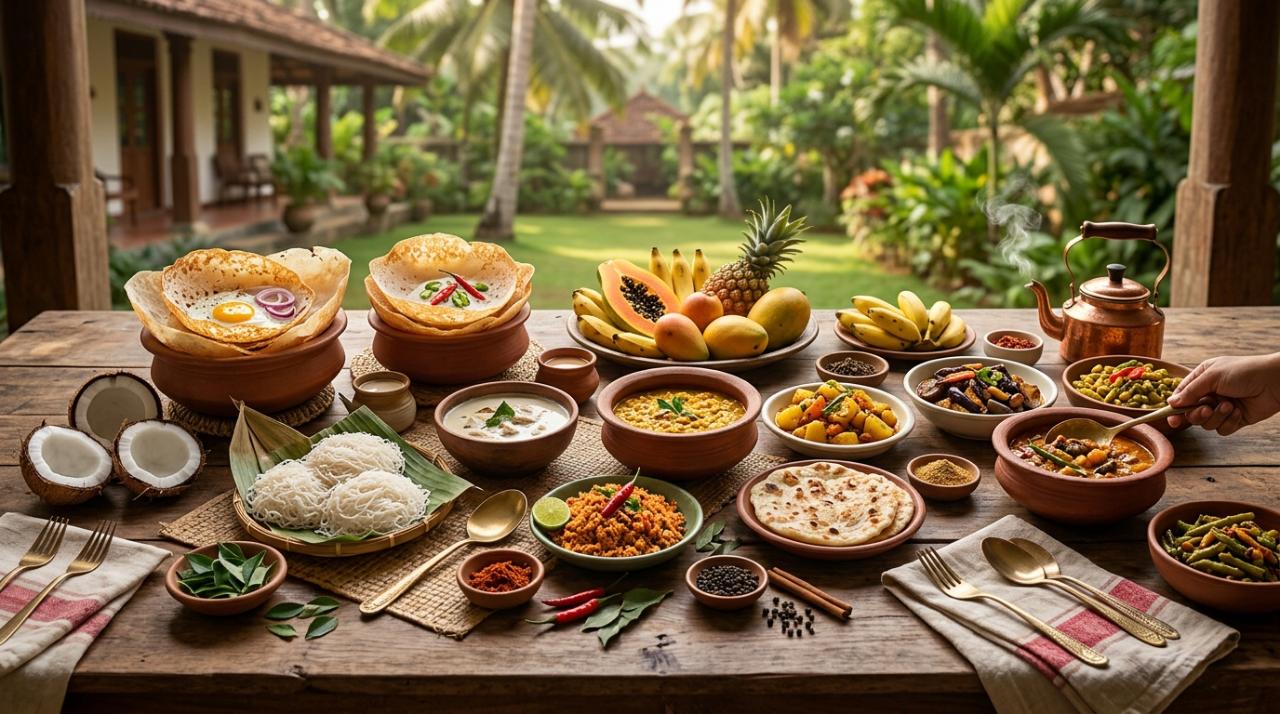
The Most Important Meal of the Day, Sri Lankan Style
When you think of Sri Lanka, images of pristine beaches, lush tea plantations, and ancient temples might come to mind. But let's talk about something equally captivating: the Sri Lankan breakfast! It's not just food; it's a vibrant tapestry of flavors, traditions, and history that sets the stage for a beautiful day on the island.
From Simple Beginnings to Flavorful Feasts
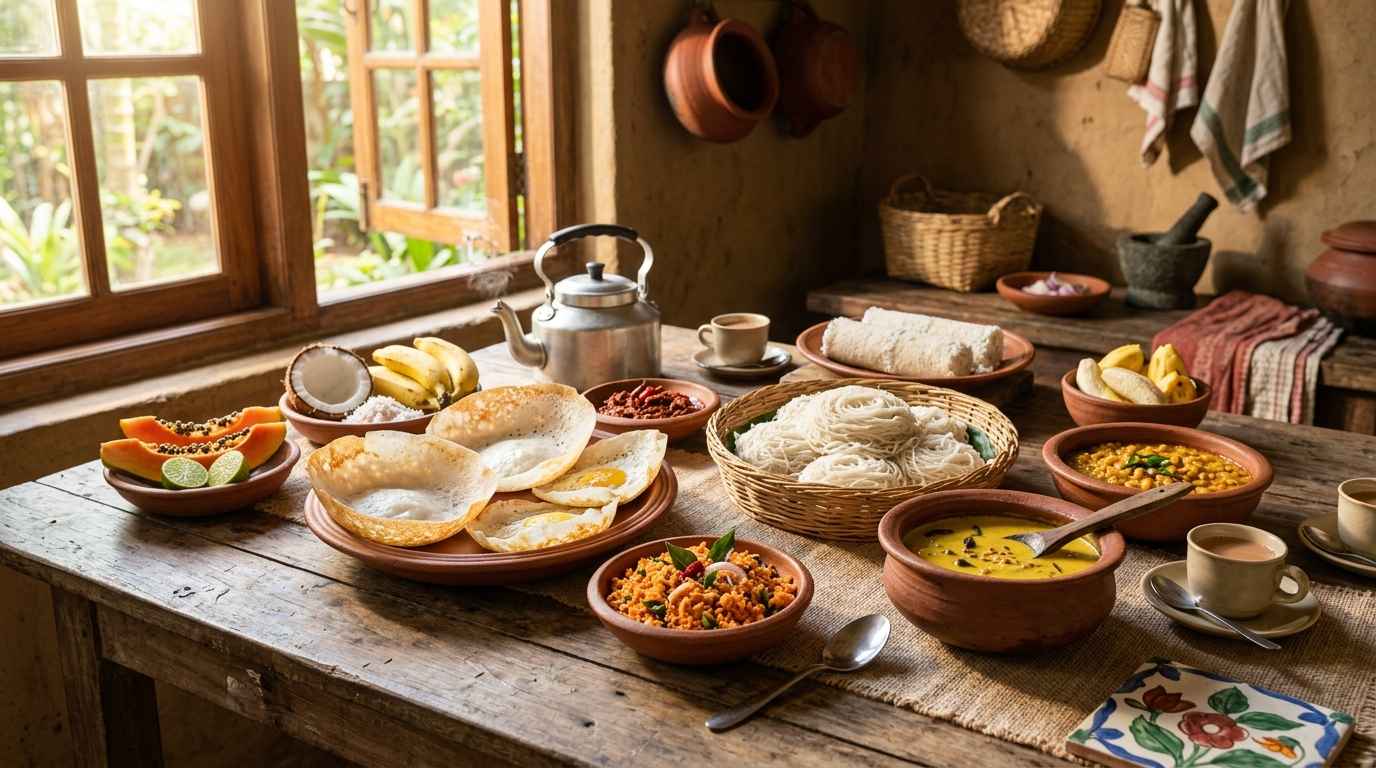
The history of the Sri Lankan breakfast is deeply intertwined with the island's agricultural roots and its diverse cultural influences. Historically, breakfasts were often simple and reliant on locally grown produce. Think about the staple grains like rice and the abundance of coconut – these were the building blocks. Early Sri Lankans would have likely enjoyed simple rice gruel, perhaps seasoned with a bit of salt or a mild spice, along with freshly picked fruits. The concept of a hearty, elaborate breakfast wasn't always the norm, especially for those engaged in manual labor, where sustenance was key.
The Rice Revolution
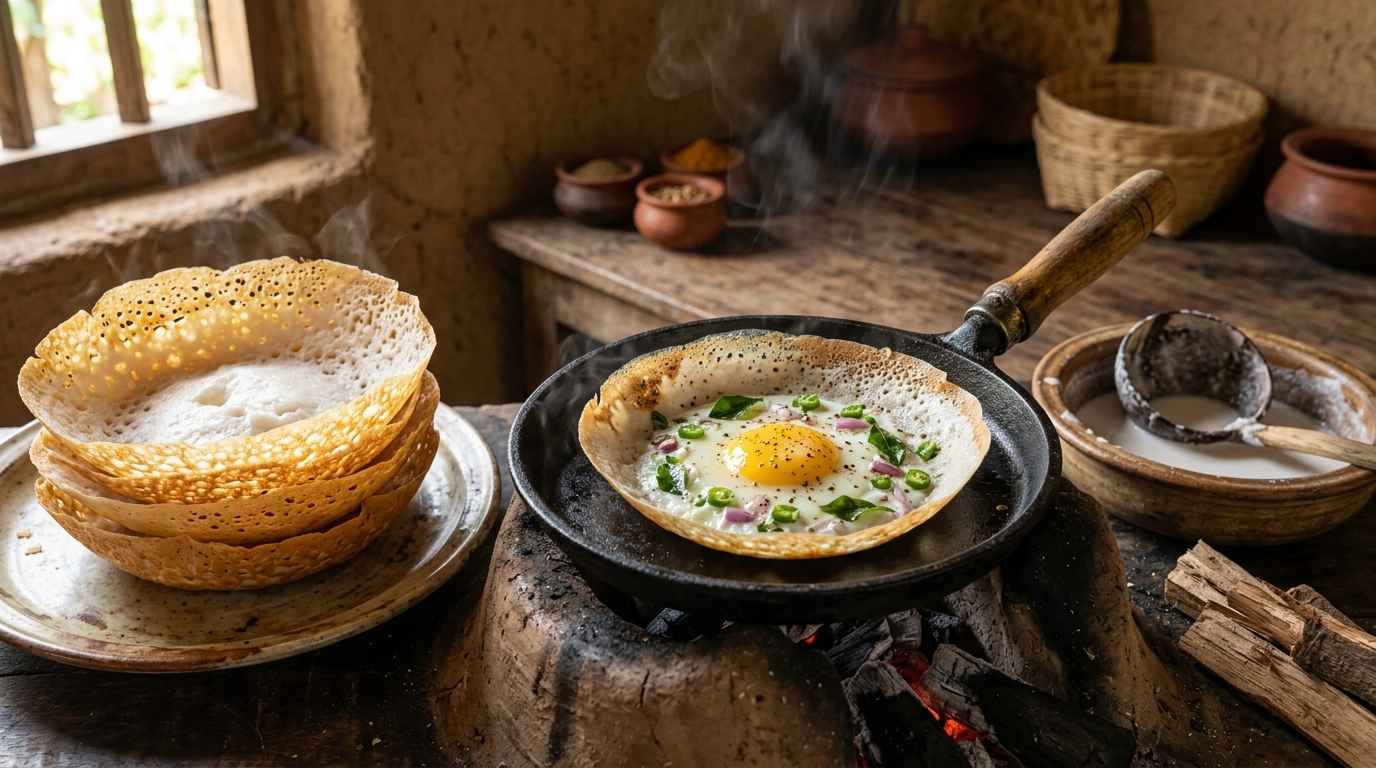
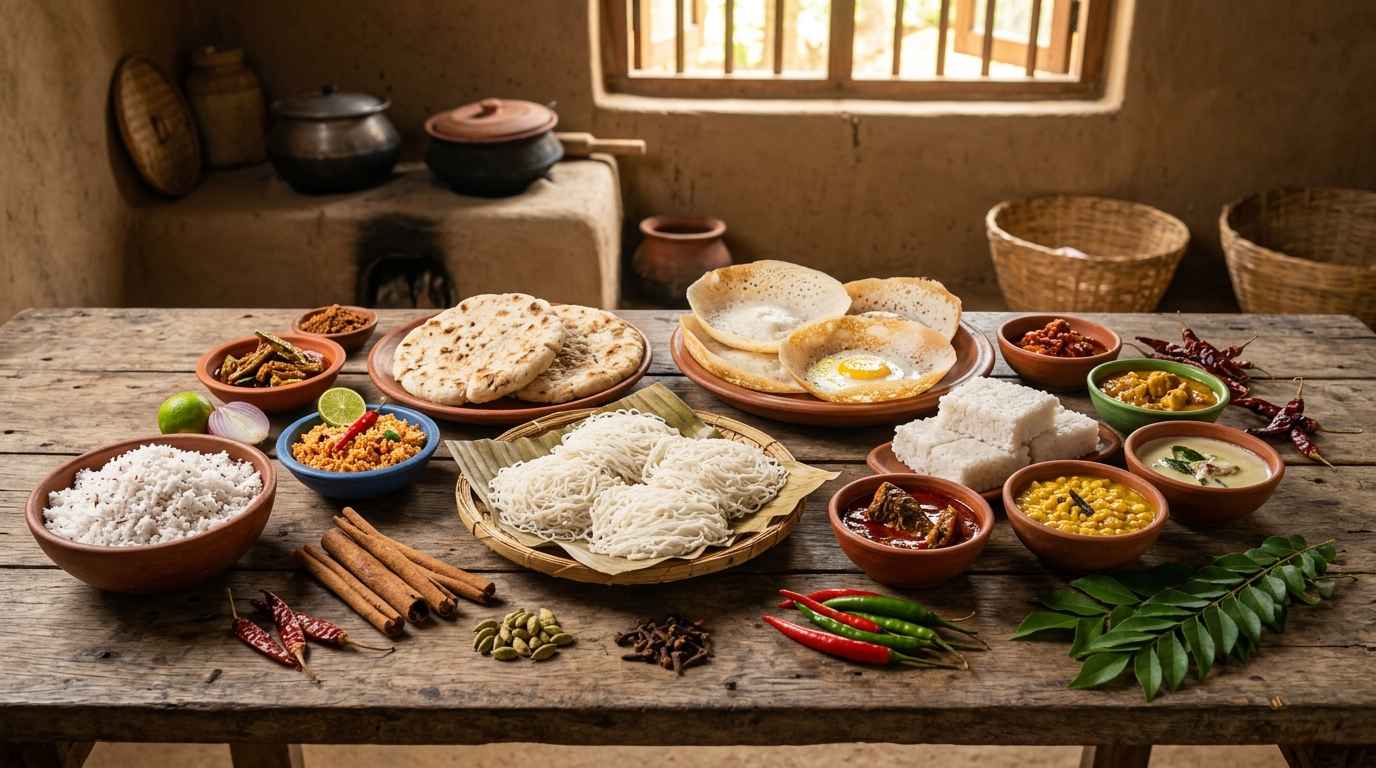
As rice cultivation became more prevalent and sophisticated, so did breakfast preparations. Rice, being the cornerstone of the Sri Lankan diet, naturally evolved into various breakfast forms. Hoppers, or 'appa', are perhaps one of the most iconic Sri Lankan breakfast dishes. These delicate, bowl-shaped pancakes made from fermented rice flour and coconut milk are believed to have Indian origins, possibly introduced during historical trade links. The crispy edges and soft, almost spongy center make them a delightful canvas for an array of accompaniments.
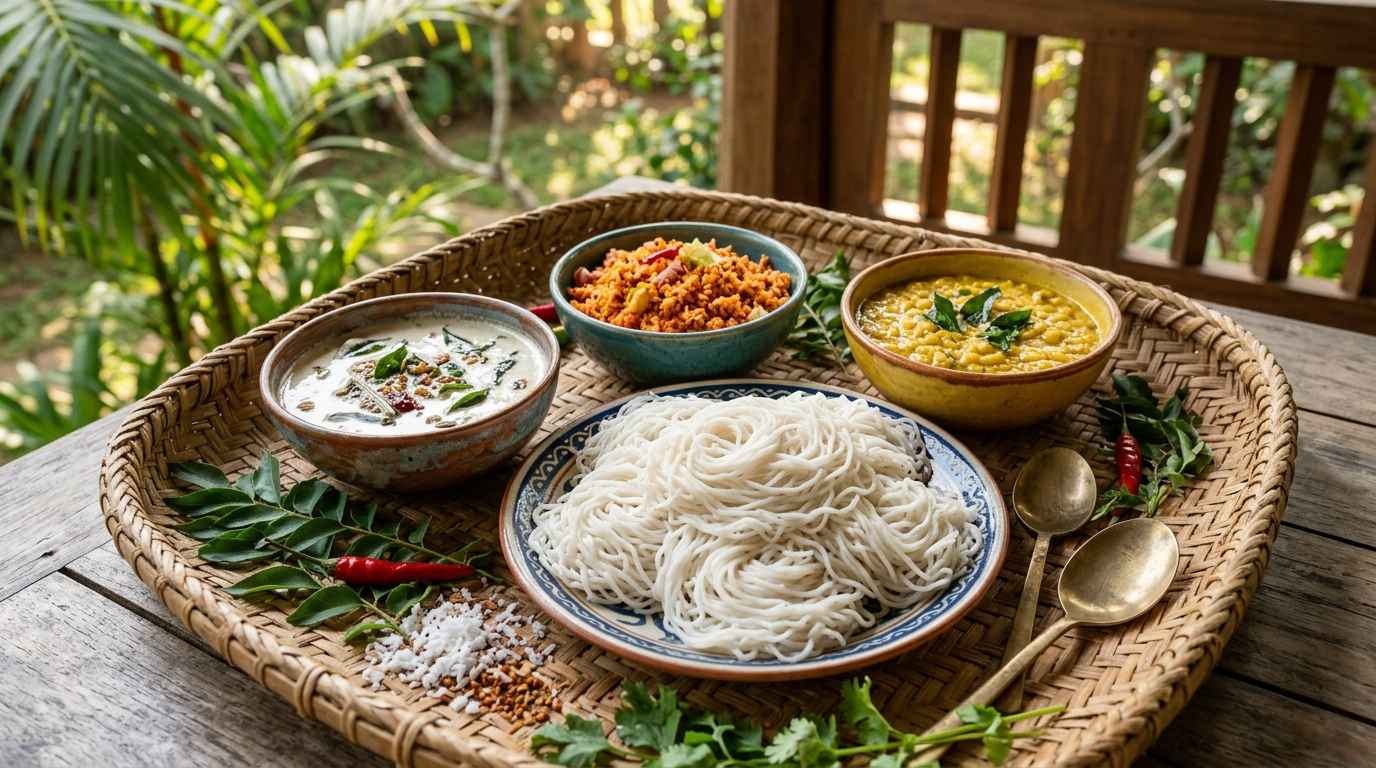
Another close relative to the hopper is the string hopper, or 'idiyappa'. These are made by extruding rice flour dough through a special press to form fine noodles, which are then steamed. They are incredibly versatile, pairing wonderfully with rich coconut milk based curries and spicy sambols.
The Golden Touch
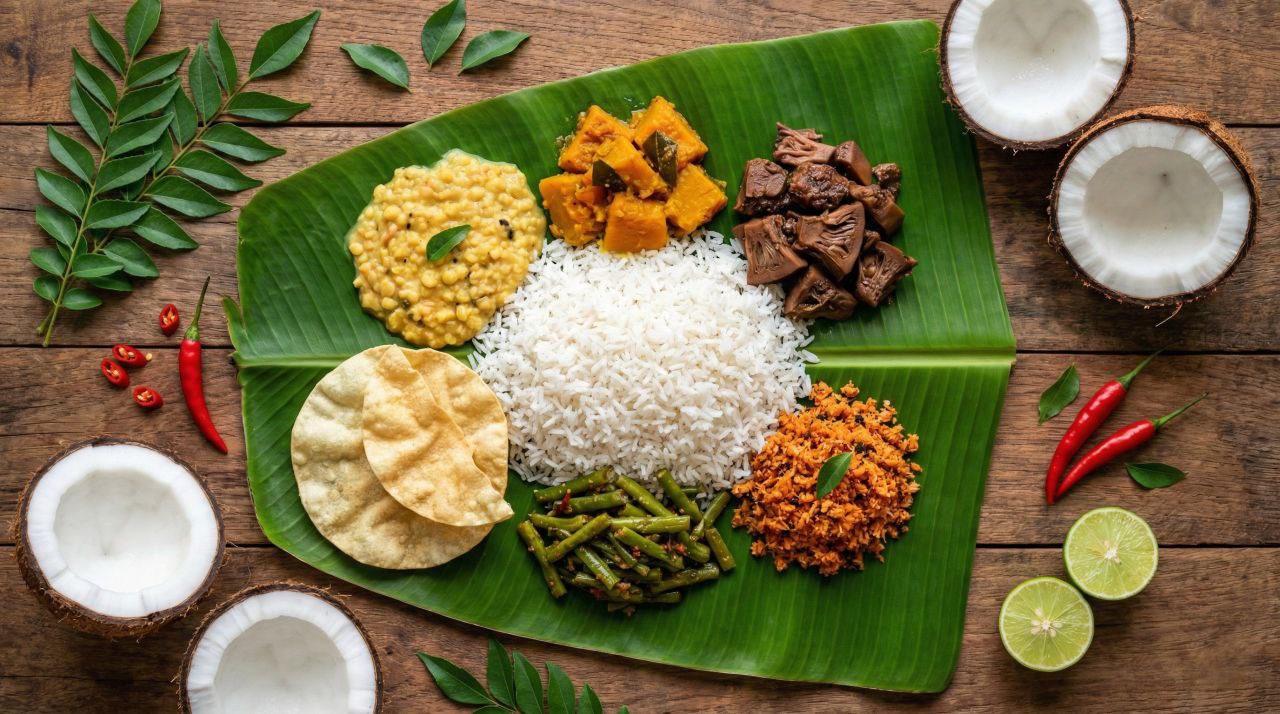
Coconut milk and grated coconut are indispensable in Sri Lankan cuisine, and breakfast is no exception. They lend a subtle sweetness and creamy richness to many dishes. Think of 'pol sambol', a fiery relish made with grated coconut, red onions, chili, and lime. It's a zesty counterpoint to the milder flavors of hoppers and string hoppers. Then there's 'kiri hodi', a light coconut milk gravy often served with rice or hoppers, providing a comforting and mild flavor profile.
External Influences and Modern Twists
Over centuries, Sri Lanka has been a melting pot of cultures, and these influences are evident in its cuisine, including breakfast. Indian traders, Arab merchants, and European colonizers all left their culinary mark. While the core of Sri Lankan breakfast remains rooted in rice and coconut, you can see hints of these interactions. For instance, certain spice blends and preparation techniques might echo South Indian influences. The Dutch, during their colonial period, also introduced certain baked goods and culinary practices, though these are more commonly seen in later meals or special occasions.
In more recent times, as Sri Lanka embraced a more globalized outlook, breakfast menus have expanded. You'll find many households and hotels offering a mix of traditional favorites alongside international options like bread, eggs, and pastries. However, the heart and soul of a true Sri Lankan breakfast still lie in its unique and time-honored dishes.
Why Sri Lankan Breakfast is a Must-Try
A Sri Lankan breakfast is more than just a meal; it's an experience. It’s about waking up to the aroma of spices, the gentle sizzle of batter hitting a hot pan, and the vibrant colors of fresh ingredients. Whether you're enjoying a simple 'roti' with a dollop of spicy 'lunu miris' (onion sambol) or indulging in a full spread of hoppers, string hoppers, and various curries, you're tasting centuries of culinary evolution. It’s a testament to the island's rich history, its abundant natural resources, and the ingenuity of its people. So, the next time you have the chance, dive into a traditional Sri Lankan breakfast – your taste buds will thank you!
Most Popular





Anaya
comment1