



A Look Back at Traditional Diets
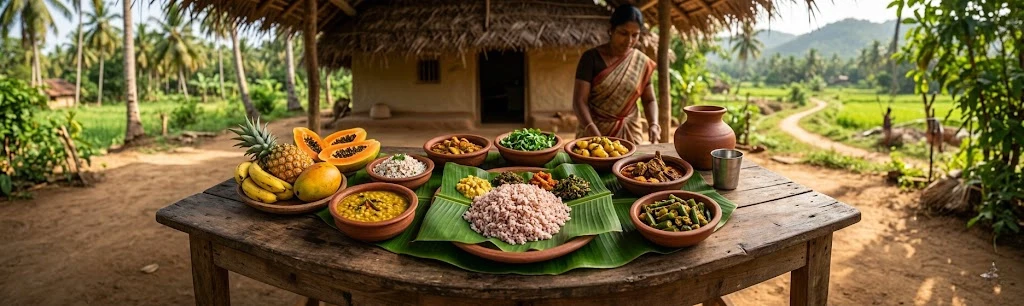
In today's fast paced world, the allure of processed foods and quick meals is undeniable. However, a growing awareness of health and wellness is prompting many to revisit the dietary practices of the past. Sri Lanka, a nation steeped in rich cultural heritage, boasts a fascinating history of traditional diets that were intrinsically linked to its natural bounty and sustainable agricultural practices. Before the advent of processed foods, Sri Lankans relied on a diverse and nutrient rich way of eating that fostered robust health and longevity. This exploration delves into the essence of these ancient Sri Lankan eating habits, highlighting their significance and relevance even today.
Core Components of Traditional Sri Lankan Food
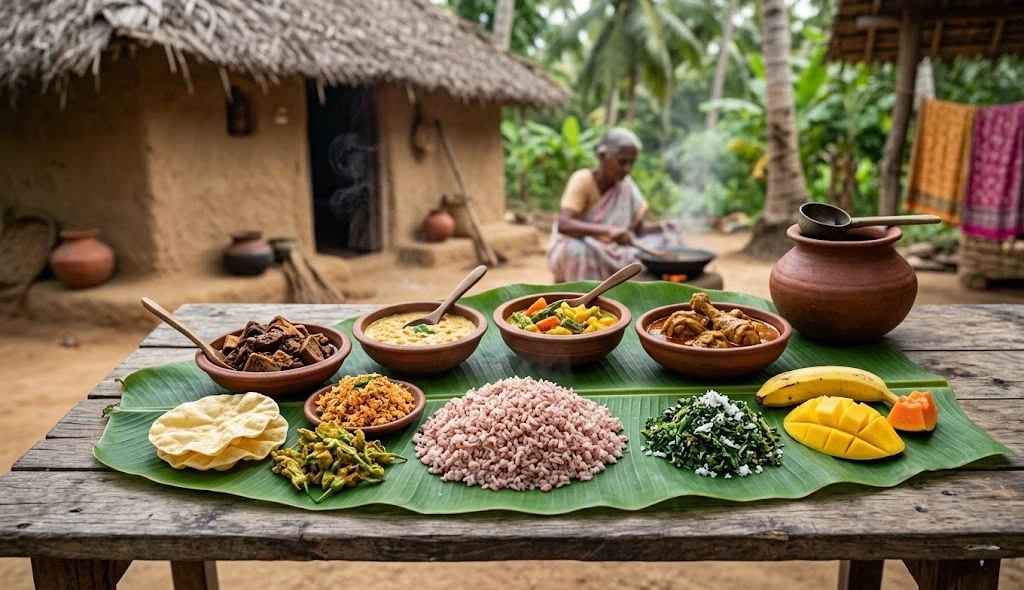
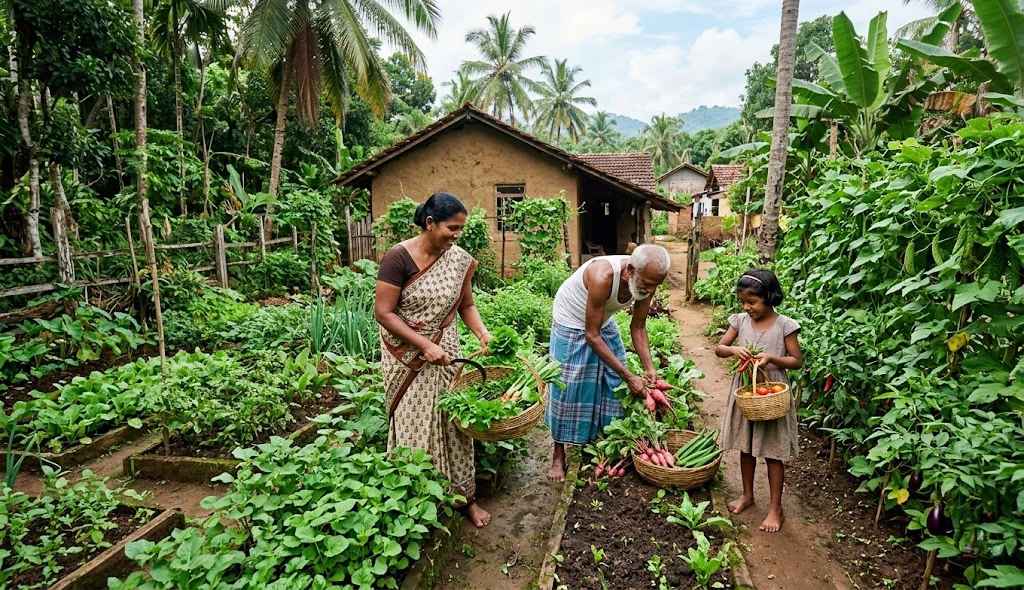
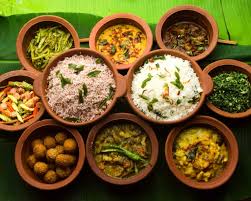
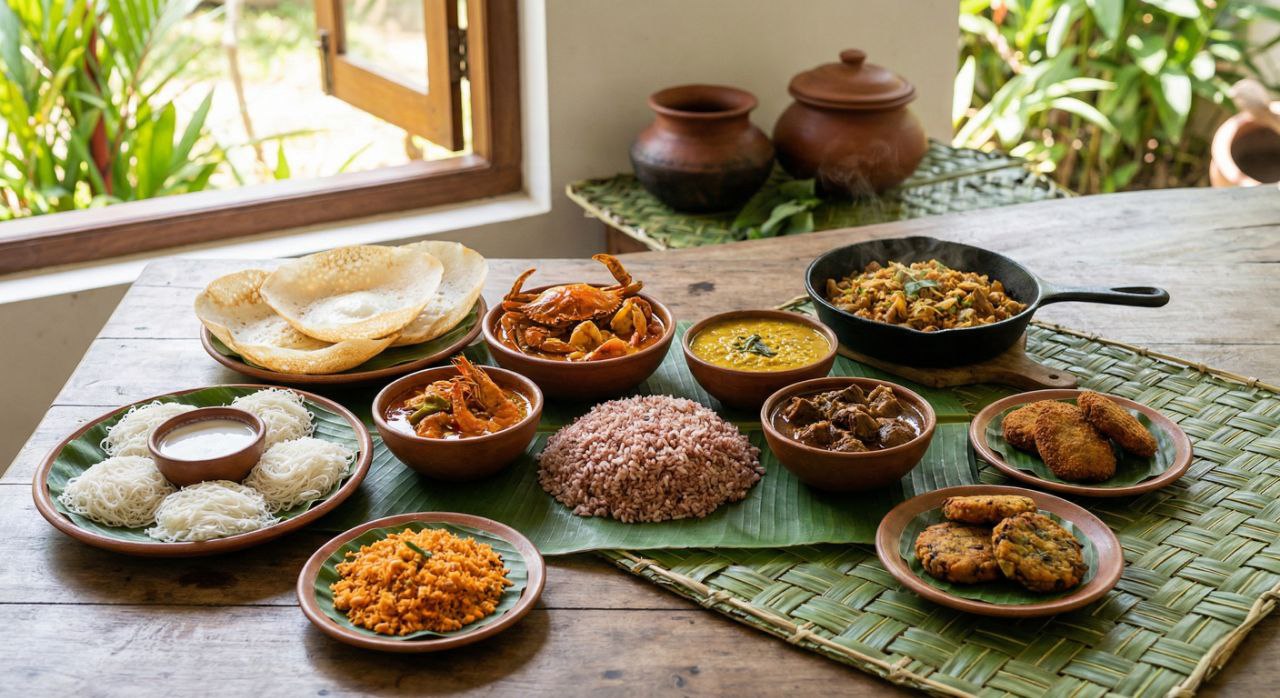
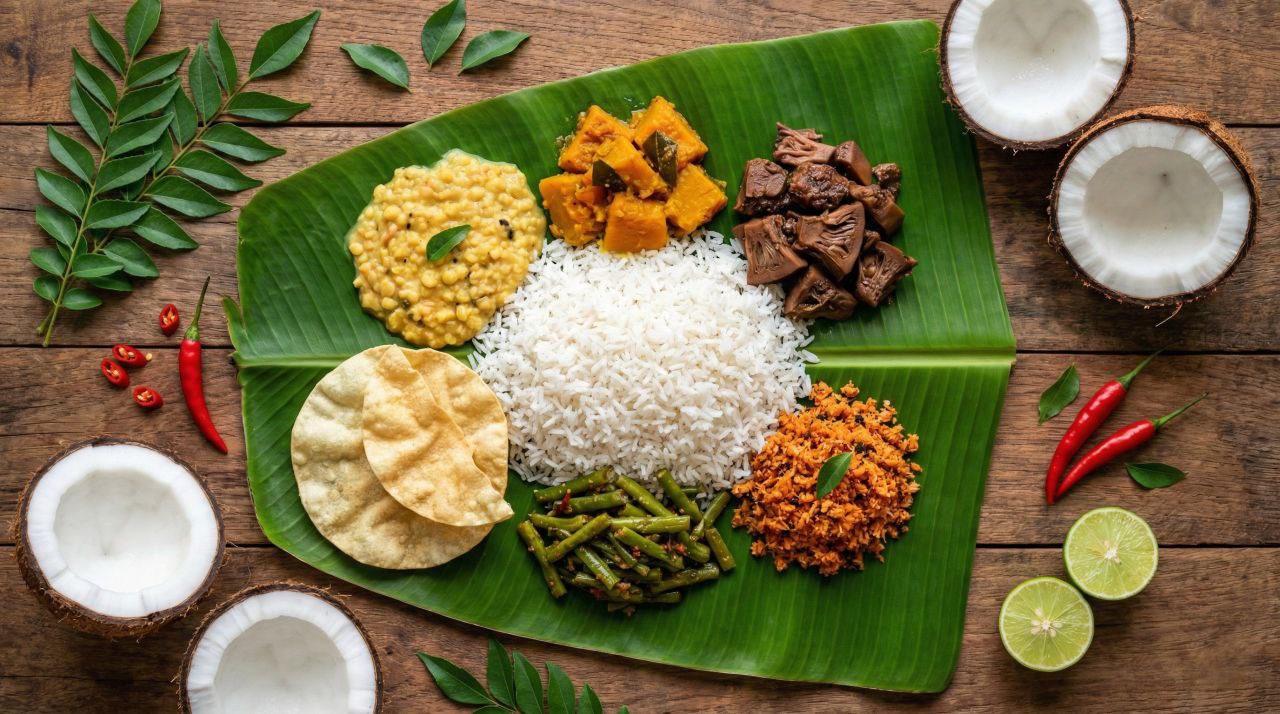
The foundation of traditional Sri Lankan cuisine was, and remains, an intimate connection with the land and the surrounding ocean. Rice, a staple grain, was cultivated using time tested methods, often in paddy fields that were integral to the rural landscape. Beyond rice, a vibrant array of indigenous grains and millets formed part of the diet, providing complex carbohydrates and essential nutrients. Vegetables, grown in home gardens or sourced from local markets, were exceptionally fresh and diverse. Think of the humble yet nutritious leafy greens like gotukola and mukunuwenna, alongside a spectrum of gourds, beans, and root vegetables. These were prepared in simple yet flavourful ways, often steamed, stir fried, or incorporated into flavourful curries.
The protein sources were equally natural and sustainable. Freshly caught fish from the abundant coastline and inland waters were a dietary cornerstone, providing lean protein and omega fatty acids. Locally raised poultry and, in some communities, small game, supplemented these protein needs. Dairy products, primarily from buffaloes and cows, were consumed in the form of yogurt and ghee, contributing to a balanced intake of fats and calcium. The emphasis was always on seasonal availability and minimal processing, ensuring maximum nutrient retention and freshness.
The Art of Spices and Natural Flavors
Sri Lankan cuisine is renowned for its masterful use of spices, and traditional diets were no exception. These were not merely for flavour; many spices were also valued for their medicinal properties. Turmeric, ginger, garlic, fenugreek, cumin, coriander, and a variety of chilies were ground and used liberally in cooking. Coconut, in its various forms – scraped, milk, and oil – played a pivotal role, adding richness, healthy fats, and a distinctive tropical flavour to dishes. Natural sweeteners like palm jaggery and honey were preferred over refined sugars, offering a more wholesome sweetness.
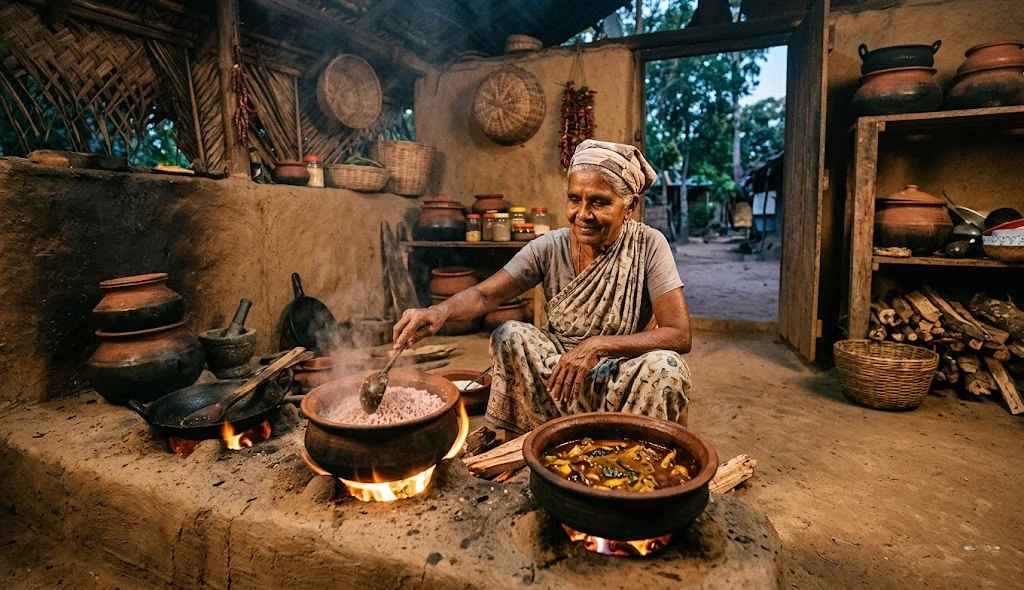
The cooking methods themselves were designed to preserve nutrients and enhance flavours. Steaming, boiling, and light sautéing were common, often in earthenware pots that imparted a subtle earthiness to the food. Fermentation also played a role, with dishes like pol roti (coconut flatbread) and certain vegetable preparations benefiting from this process, which aided digestion and introduced beneficial probiotics.
A Blueprint for Well being
The traditional village diets of Sri Lanka represent a remarkable model of healthy eating. These diets were characterized by their reliance on whole, unprocessed foods, a wide variety of plant based ingredients, and a harmonious balance of macronutrients. The minimal consumption of refined sugars, processed fats, and artificial additives meant that these diets were naturally low in the factors contributing to modern lifestyle diseases such as obesity, diabetes, and heart conditions. Furthermore, the active lifestyles associated with agrarian communities meant that calorie intake was balanced with energy expenditure, further contributing to overall health.
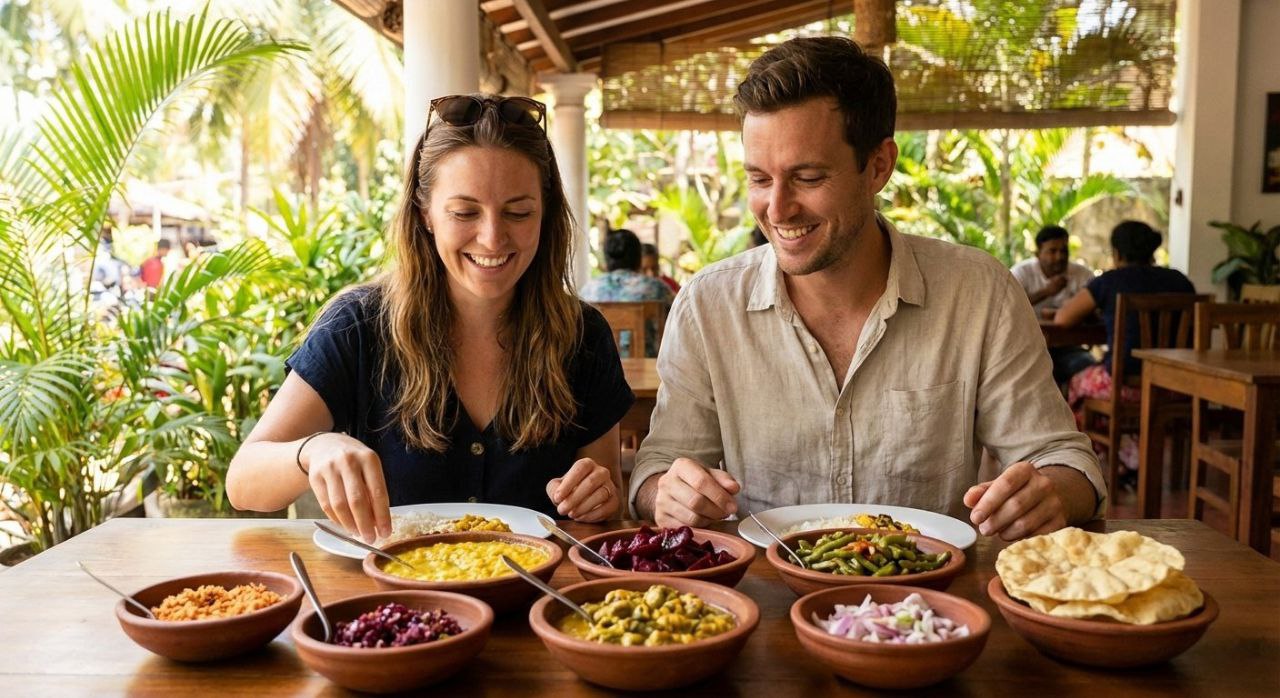
The emphasis on communal eating and mindful consumption also played a significant role. Meals were often prepared and shared, fostering a sense of togetherness and encouraging individuals to savour their food. This approach to eating, deeply rooted in tradition, offers valuable lessons for contemporary society seeking to adopt healthier and more sustainable eating patterns. By rediscovering and integrating elements of these traditional Sri Lankan food practices into our modern lives, we can embark on a journey towards a more nourishing and vibrant existence, honouring the wisdom of our ancestors and the enduring legacy of Sri Lankan food heritage.
Most Popular







Anaya
comment1