



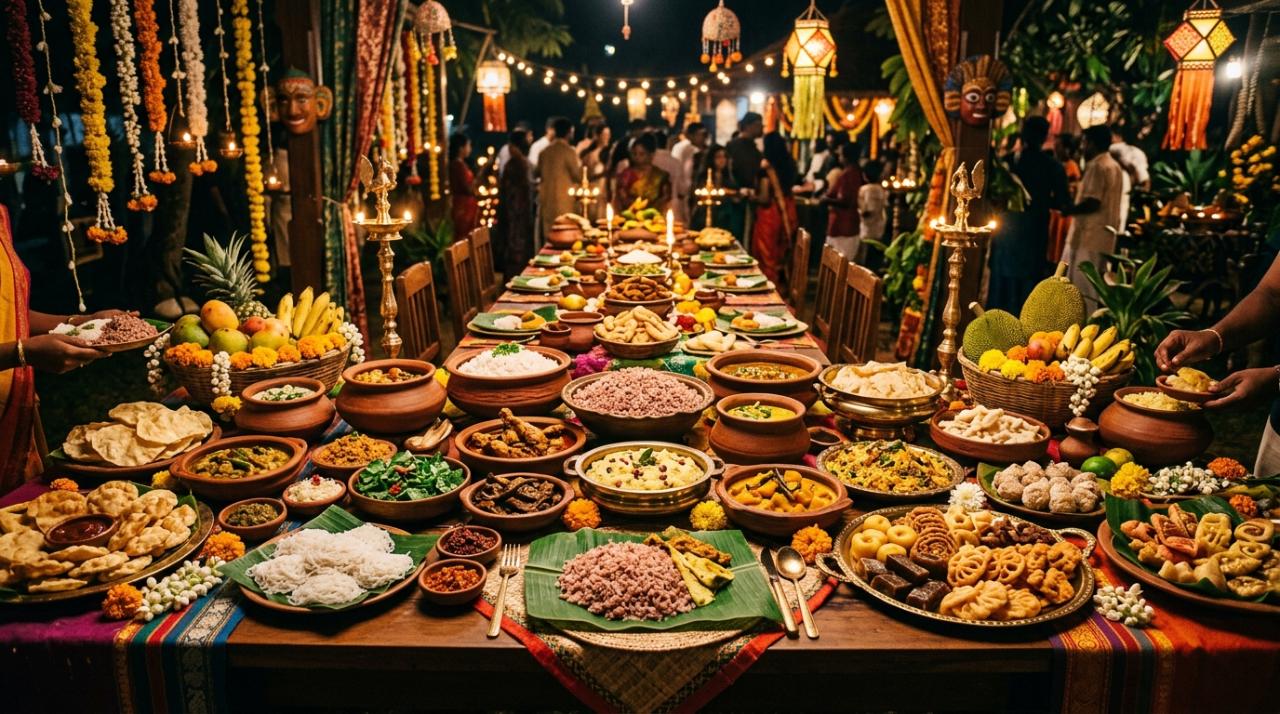
Sri Lanka, the Pearl of the Indian Ocean, is a land where vibrant culture, ancient traditions, and mouthwatering cuisine intertwine. And when it comes to celebrations, food isn't just sustenance; it's the heart and soul of every festival. From religious observances to national holidays and personal milestones, the role of food in Sri Lankan festivals is profound, weaving a tapestry of shared experiences, family bonds, and deep-rooted heritage.
The Spiritual and the Savory
For many Sri Lankans, festivals are deeply tied to religious practices, and the food served often reflects these spiritual connections. During Vesak, the celebration of Buddha's birth, enlightenment, and passing, vegetarian meals are common. While not always elaborate, these meals emphasize purity and mindfulness. Lanterns called 'vesak kudu' illuminate the nights, and in many homes, simple yet delicious vegetarian curries and rice are prepared, often shared with neighbors and those less fortunate.
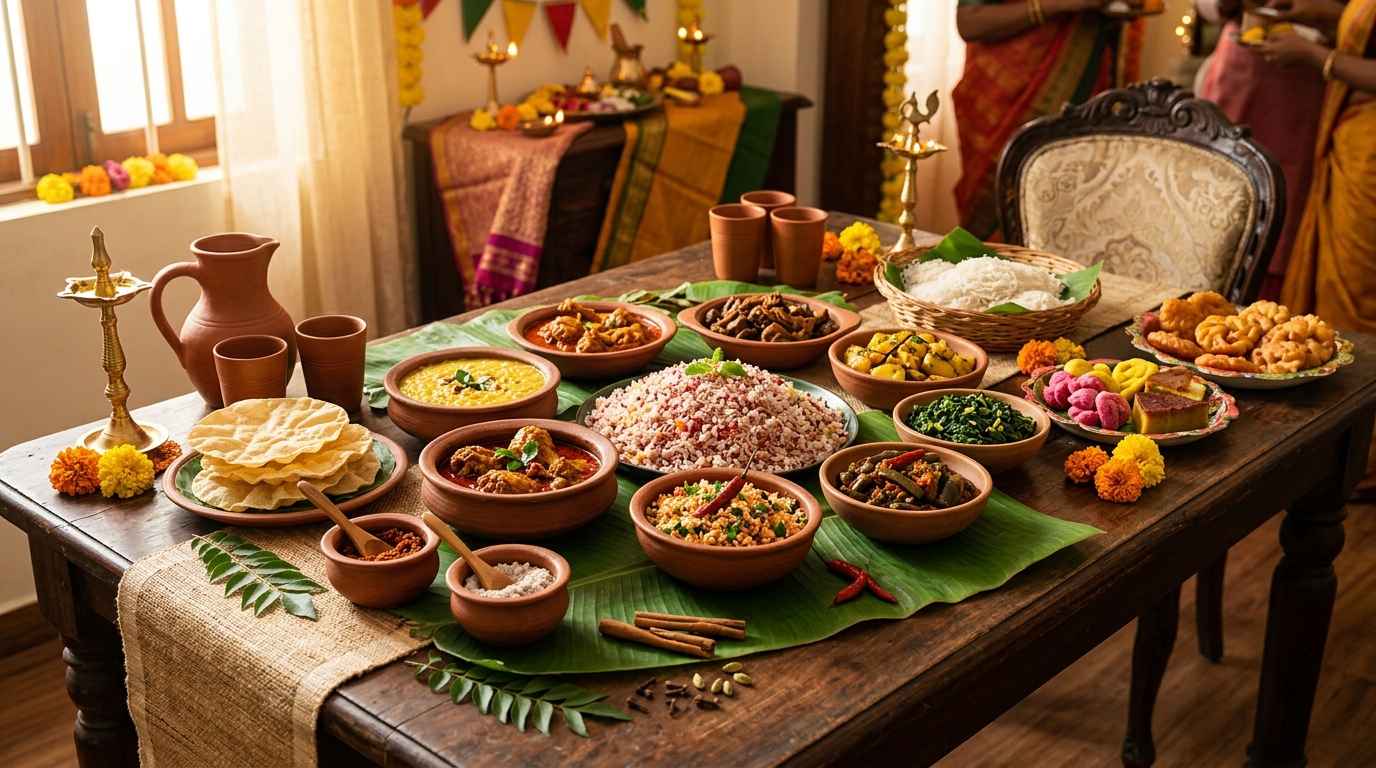
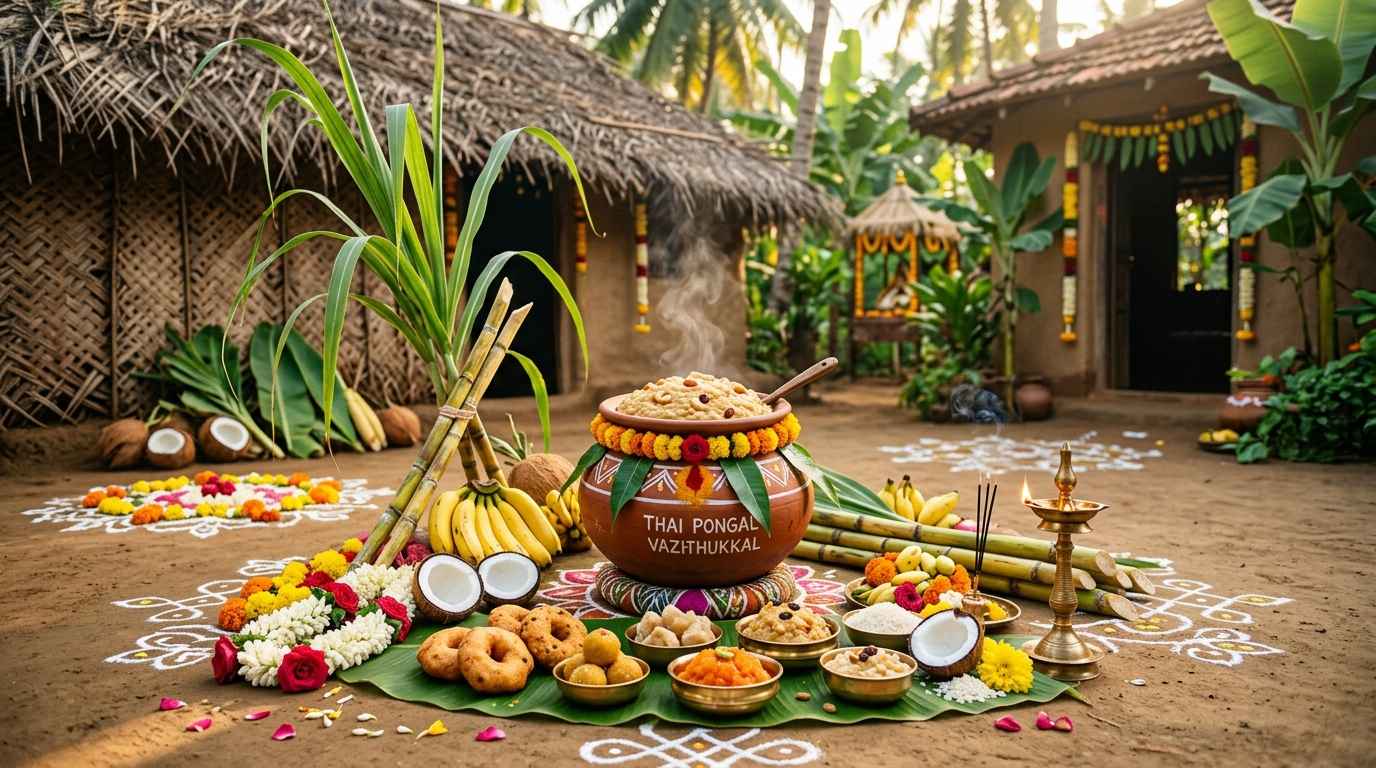
Similarly, the Tamil Hindu festival of Thai Pongal is a harvest festival, and food takes center stage. The star of the show is 'Pongal,' a sweet dish made from rice, jaggery (unrefined cane sugar), and milk, simmered to perfection. The act of cooking Pongal in a new pot, overflowing as a symbol of abundance, is a joyous ritual. Other popular dishes include 'vadai' (savory lentil fritters) and various sweet and savory snacks, all prepared with a sense of gratitude for the harvest.
Feasts for the Faithful and the Family
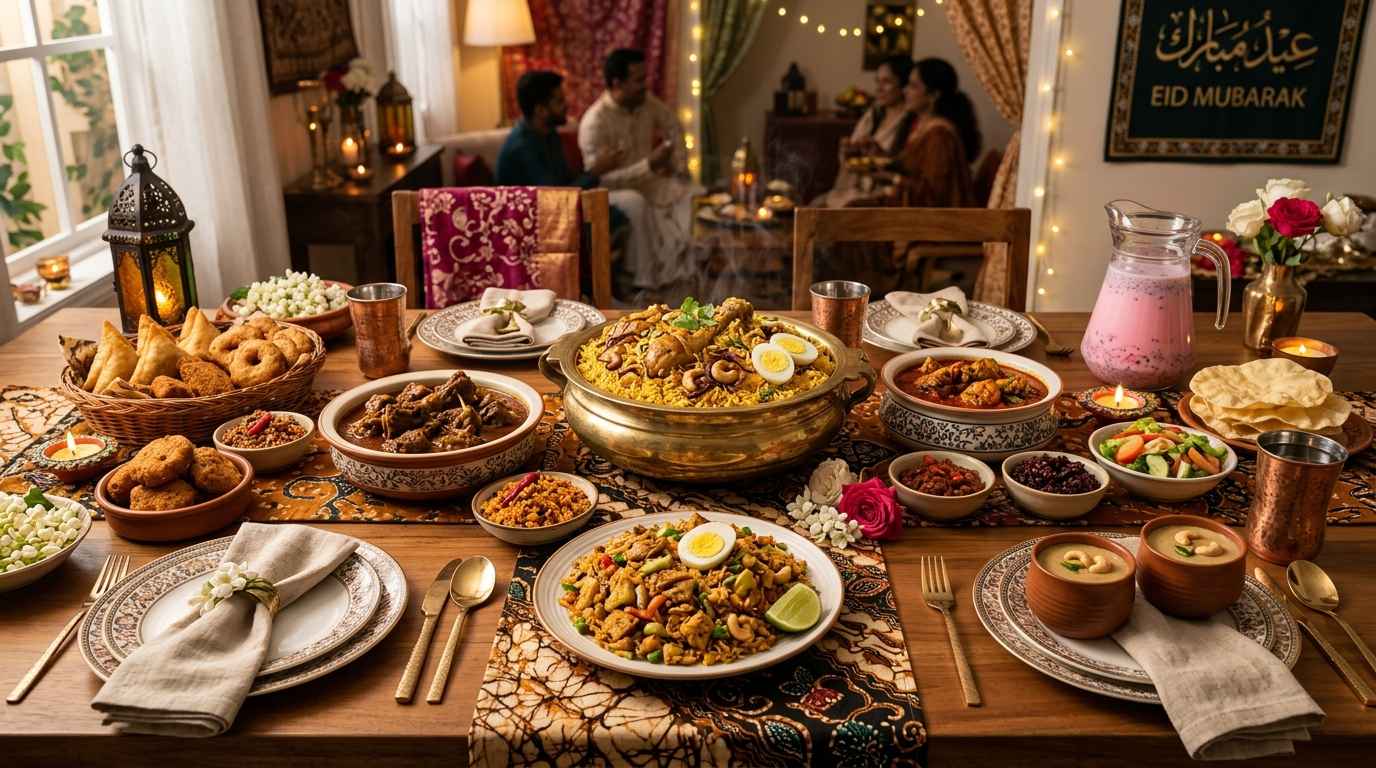
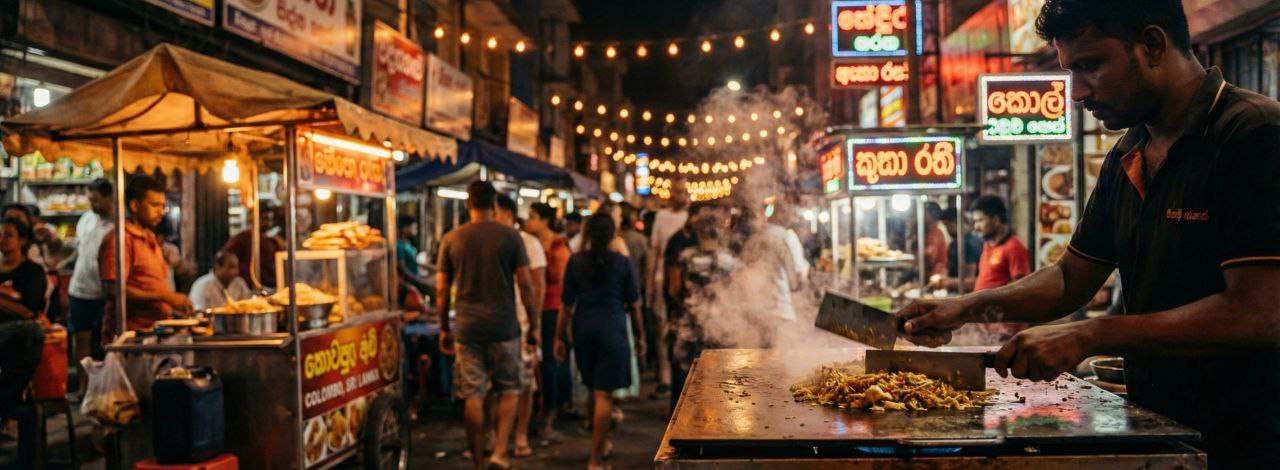
When it comes to the Muslim festival of Eid al-Fitr, marking the end of Ramadan, the aroma of rich, spiced dishes fills the air. 'Biryani,' a fragrant rice dish cooked with meat or vegetables, is a quintessential Eid delicacy. 'Kottu Roti,' a popular Sri Lankan street food, also gets a festive makeover, often incorporating more luxurious ingredients. The spirit of Eid is one of generosity, and families often prepare large quantities of food to share with community members and those in need.
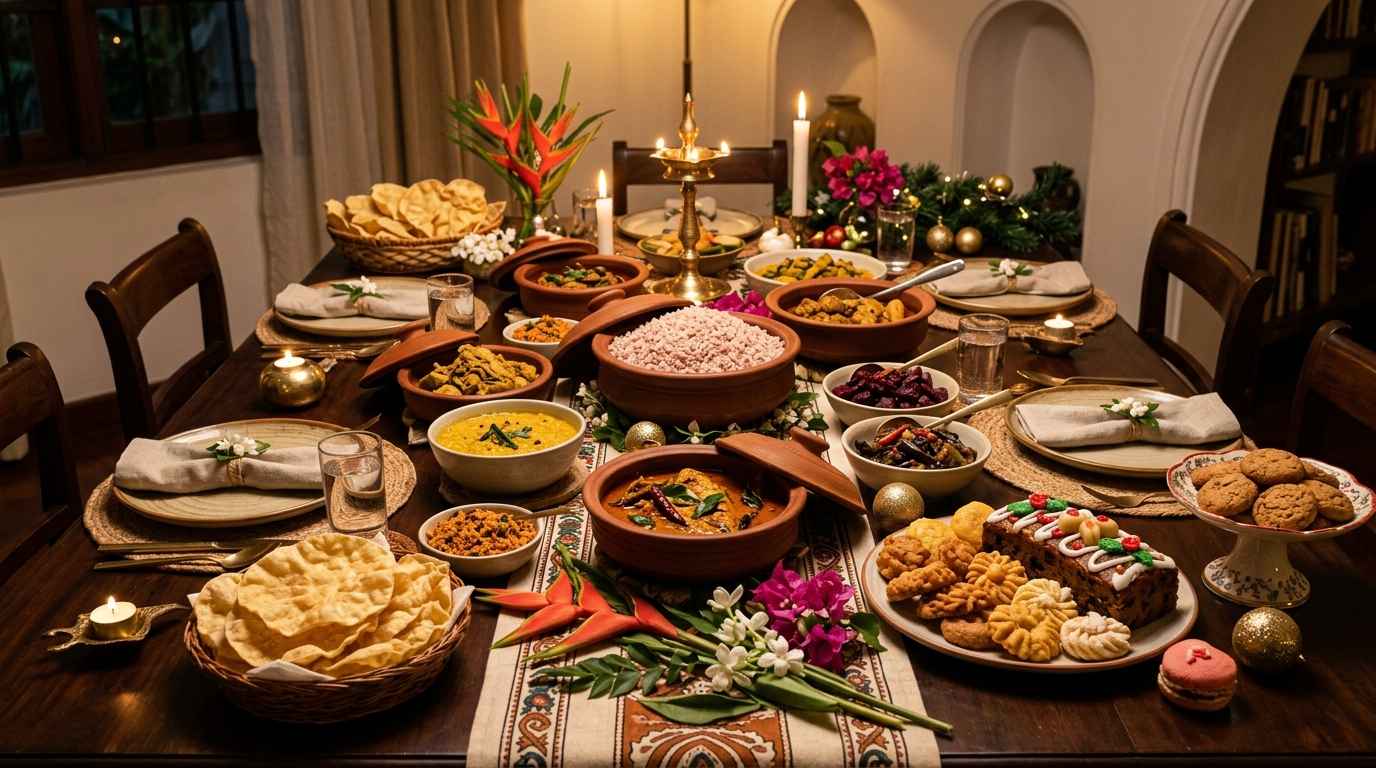
For the Christian festival of Christmas, Sri Lanka embraces a blend of traditional Western influences and local flavors. Roast chicken or pork is a common centerpiece, often accompanied by rice and curry. Special cakes and sweet treats are baked, and the festive meal is a time for families to gather, reconnect, and express gratitude.
National Celebrations and Culinary Delights
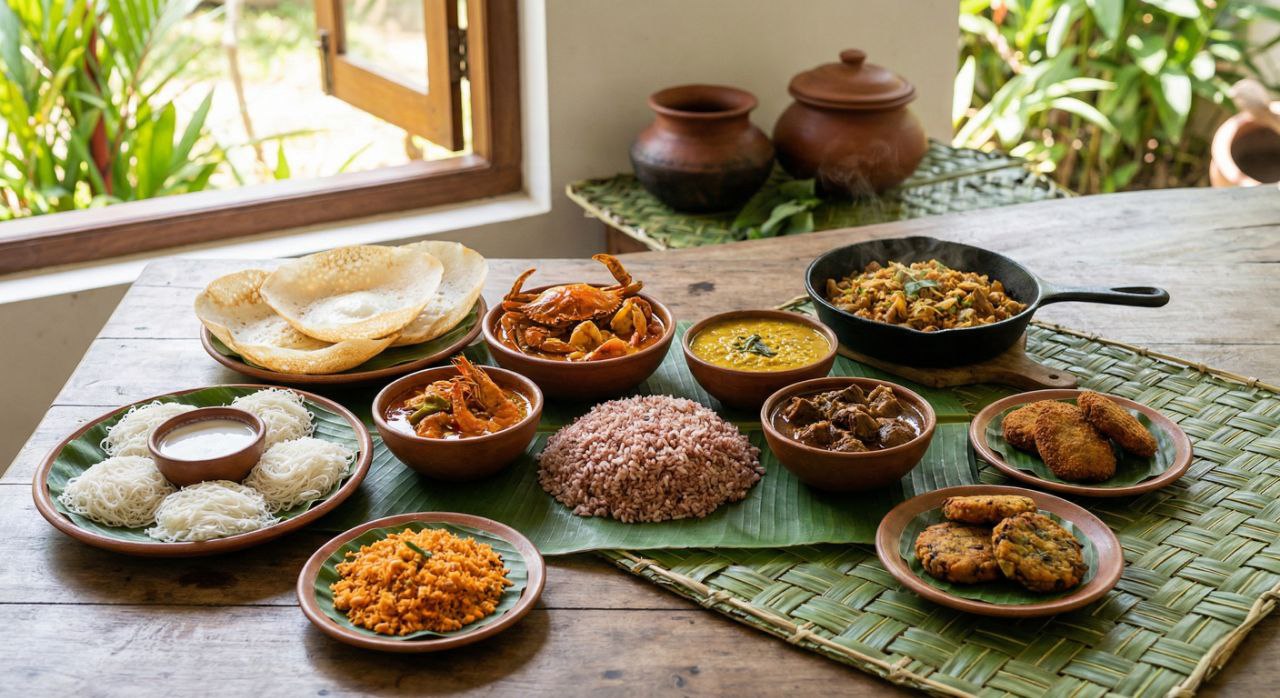
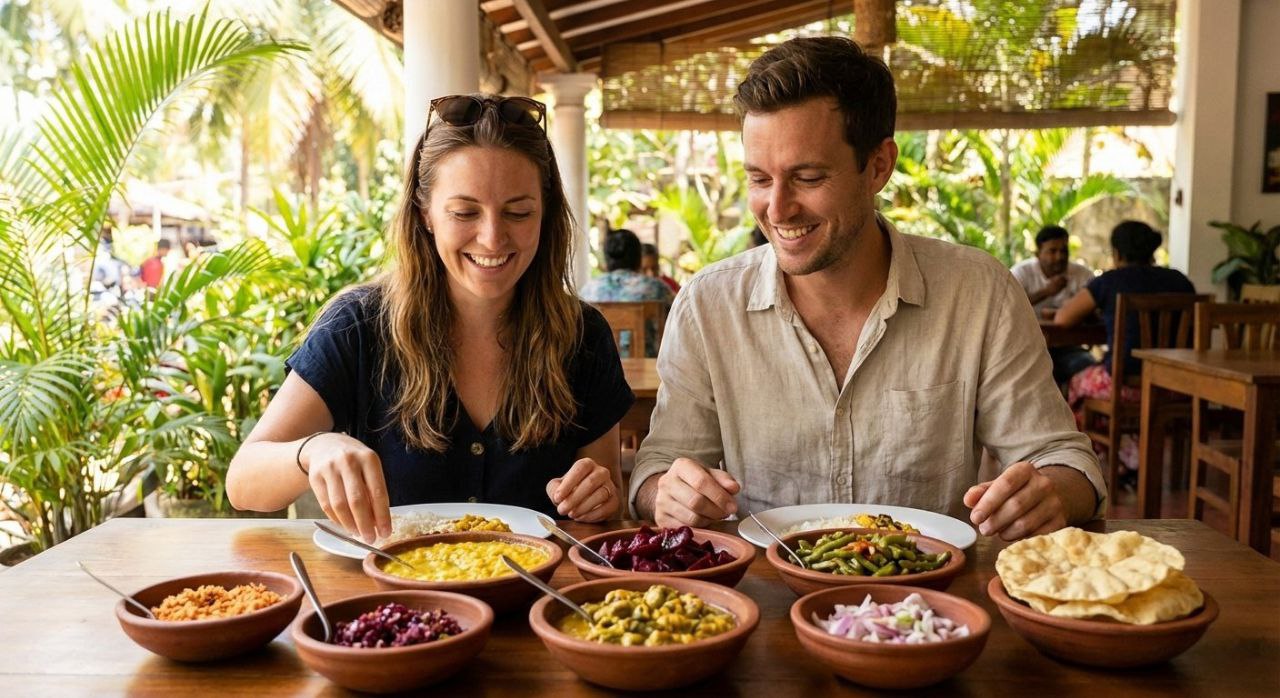
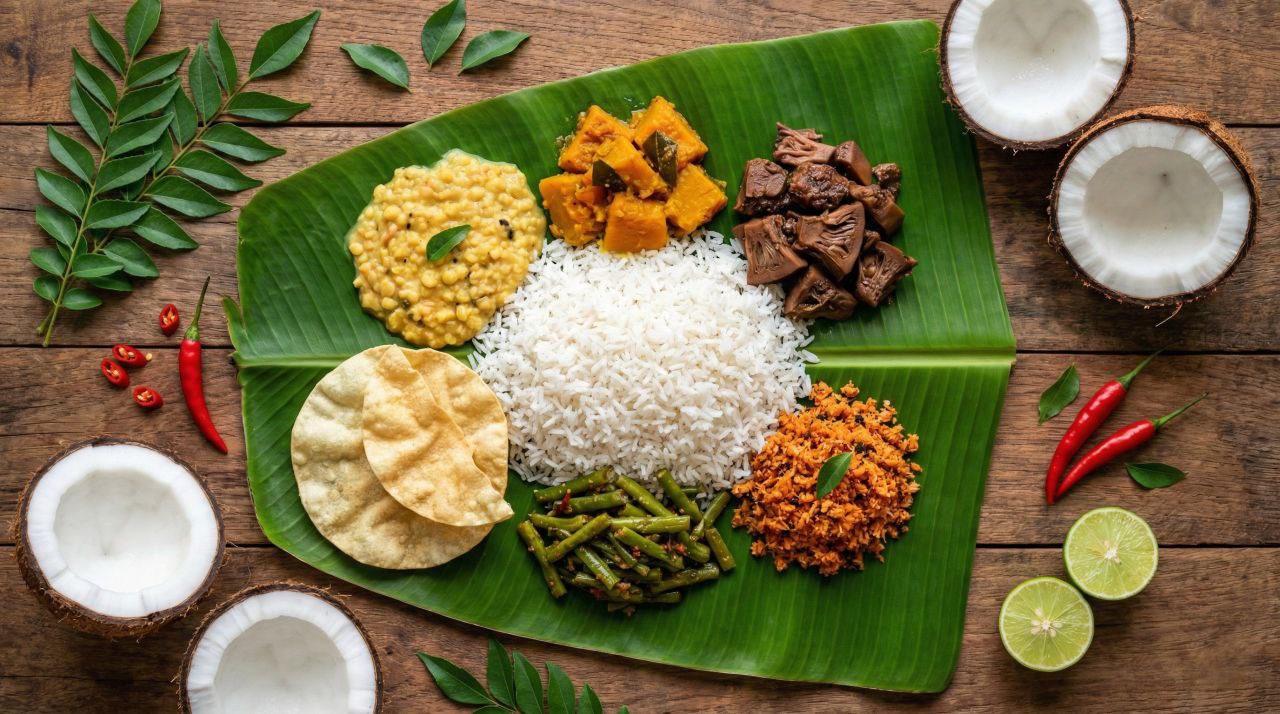
The most significant national festival is Sri Lanka's Independence Day on February 4th. While there aren't specific 'Independence Day dishes' mandated by tradition, it’s a day for families to come together and enjoy special meals. This often involves preparing a variety of Sri Lankan rice and curry, featuring an array of vibrant vegetable curries, succulent meat or fish dishes, and essential accompaniments like 'pol sambol' (coconut relish) and 'papadums'. It's a chance to celebrate national identity through the shared joy of delicious food.
The Unifying Power of Festive Flavors
Beyond specific religious or national holidays, many Sri Lankan families have their own traditions around birthdays, weddings, and other significant life events. These celebrations are always marked by elaborate meals. The preparation itself is often a communal activity, with family members, especially women, coming together to chop vegetables, grind spices, and cook. This shared endeavor strengthens bonds and creates lasting memories.
The diversity of Sri Lankan cuisine, influenced by its colonial past and its position as a trading hub, means that festival tables are often a reflection of this rich cultural mosaic. You might find dishes with Dutch Burgher influences, Malay spices, or Indian techniques, all harmoniously coexisting. The emphasis is always on fresh, local ingredients, prepared with love and served with pride.
More Than Just a Meal
In Sri Lanka, food during festivals is far more than just a collection of dishes. It's a language of love, a symbol of abundance, a connection to heritage, and a powerful tool for bringing people together. The act of preparing, sharing, and savoring these festive meals reinforces cultural identity and fosters a sense of community. So, the next time you encounter a Sri Lankan festival, remember that you're not just witnessing a celebration; you're experiencing a delicious testament to a rich and enduring culture.
Most Popular






Anaya
comment1