



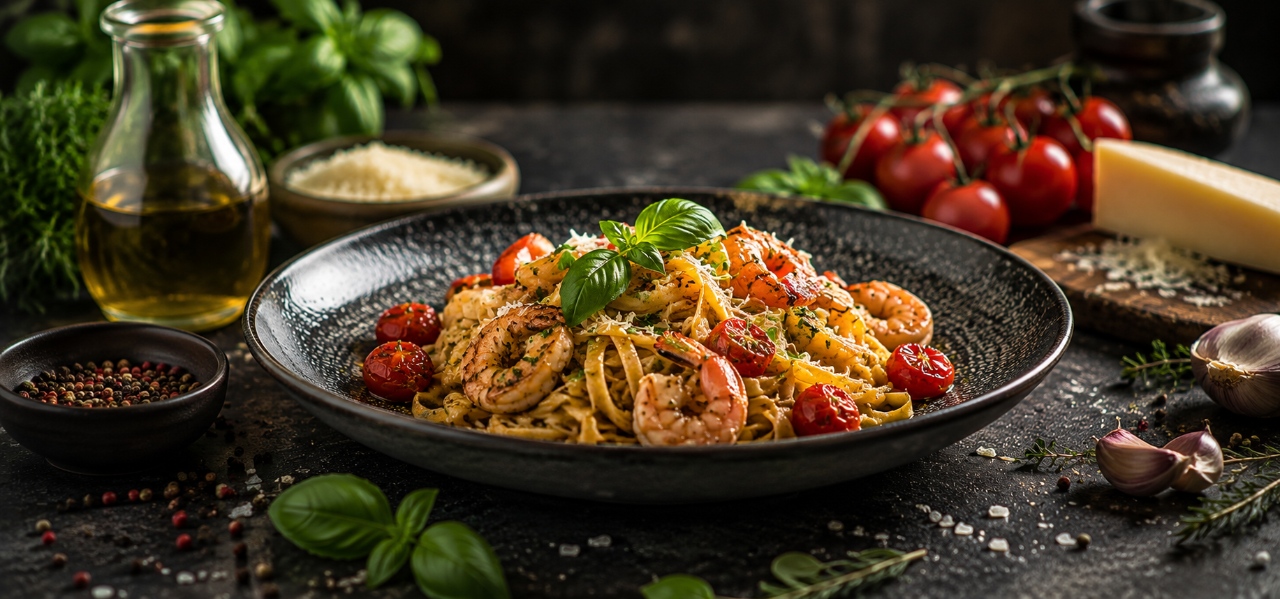
In a world increasingly interconnected, the desire to explore and experience diverse cultures has never been stronger. One of the most vibrant and accessible avenues for this exploration is through food. From bustling street markets to Michelin-starred establishments, the culinary landscape offers an infinite spectrum of flavors, textures, and traditions. This journey, "A Taste of Everything," invites you to discover the rich tapestry of global cuisine, understanding how food shapes identity, history, and human connection.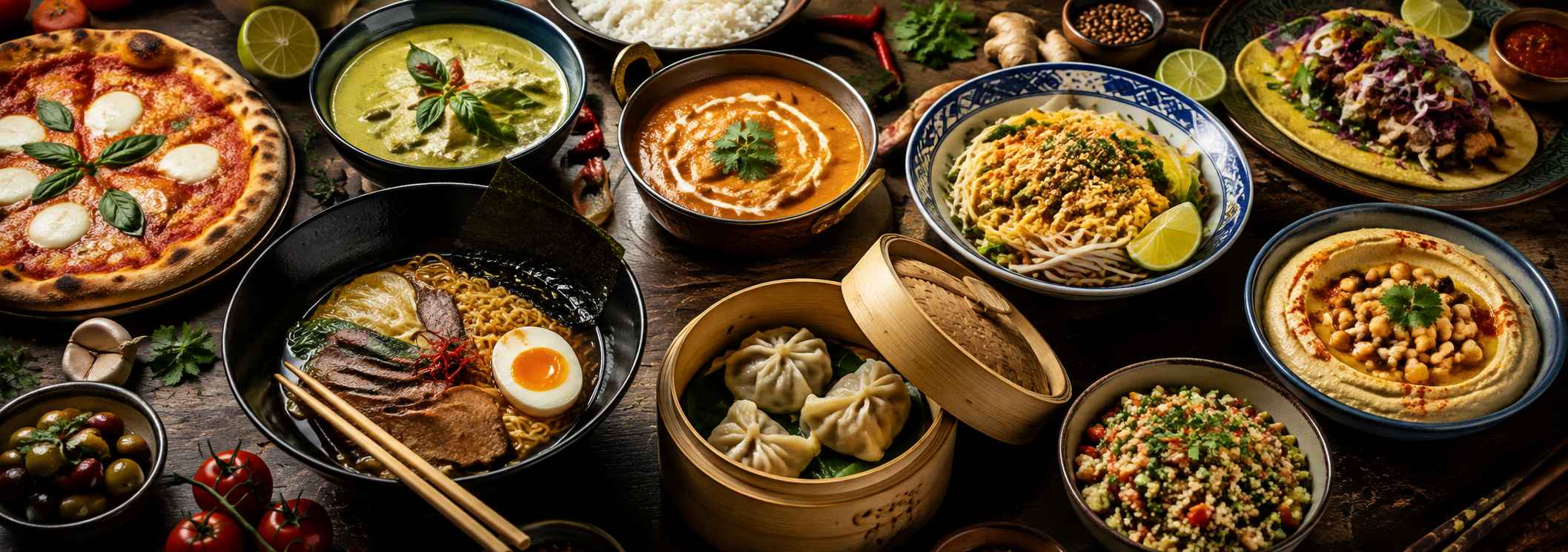
The Foundation of Flavor
At the heart of every culinary tradition lies a unique interplay of local ingredients and time honored techniques. Consider the simplicity and brilliance of Italian cuisine, where fresh, seasonal produce like ripe tomatoes, fragrant basil, and rich olive oil form the basis of iconic dishes such as pasta and pizza. The Mediterranean diet, celebrated for its health benefits, is a testament to the power of simple, quality ingredients. Moving eastward, the complex spice blends of India, from the warming garam masala to the vibrant turmeric and cumin, create a symphony of flavors in dishes like Rajasthani curries and North Indian specialties. Further still, Thai cuisine masterfully balances sweet, sour, salty, and spicy notes, evident in beloved dishes like Green Curry and Massaman, often employing fresh herbs like lemongrass and galangal.
Culinary Experiences
The experience of dining extends far beyond the plate. In Japan, the art of omakase, where the chef meticulously selects and prepares each dish, elevates dining to an intimate performance. This dedication to precision and quality is a hallmark of Edomae sushi. In Spain, the vibrant tapas culture in cities like Seville and Madrid encourages social interaction, with small plates meant for sharing and savoring over conversation. Restaurants, whether a humble trattoria in Italy or a fine dining establishment like Da Vittorio, play a crucial role in preserving and evolving culinary heritage. The family business model, often seen in traditional eateries, ensures that recipes and cooking methods are passed down through generations, maintaining authenticity and a deep sense of culinary tradition.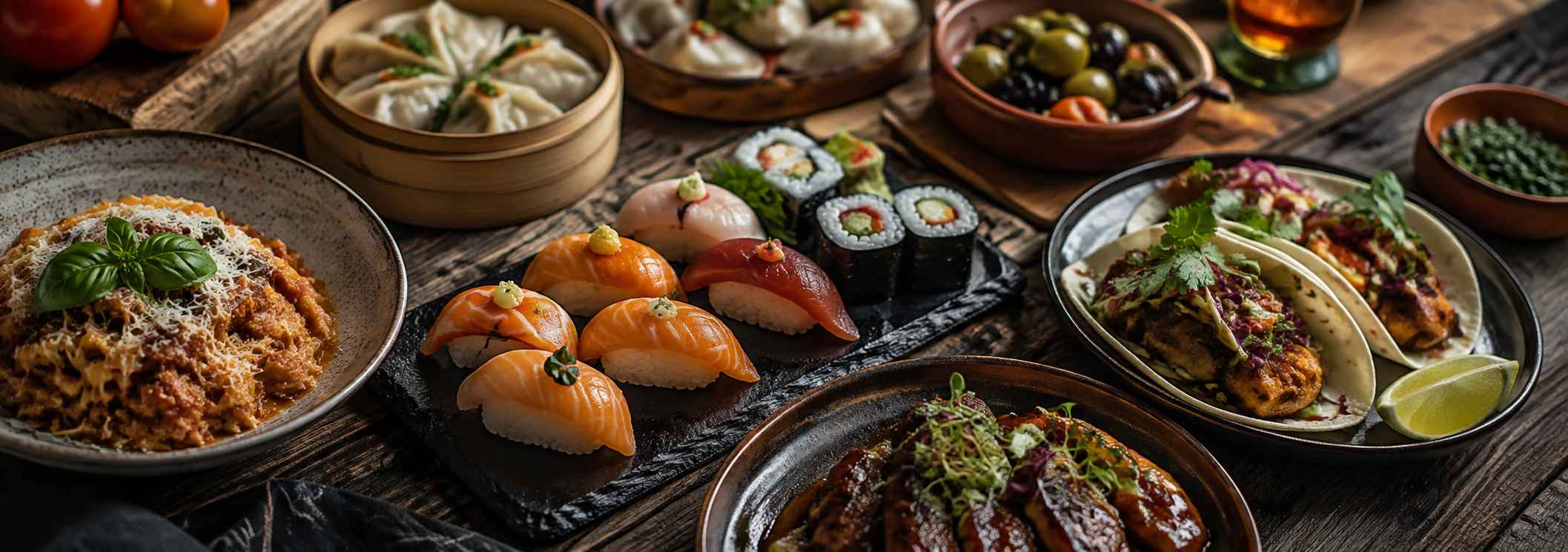
Regional Diversity and Fusion Flavors
The beauty of global cuisine lies in its incredible regional diversity. Travel to Basilicata in Italy, and you'll discover the rustic charm of its food, perhaps enjoying handmade pasta in a traditional setting. Explore the southern United States, and you'll encounter the soulful comfort of Southern cuisine, with its emphasis on slow cooking and rich flavors. Yet, the culinary world is not static. Globalization has led to exciting fusions, where chefs creatively blend influences from different cultures. Imagine a dish that marries the techniques of French patisserie with the exotic spices of Southeast Asia, or a taco infused with the bold flavors of Korean barbecue. These innovative combinations demonstrate the dynamic and ever evolving nature of food.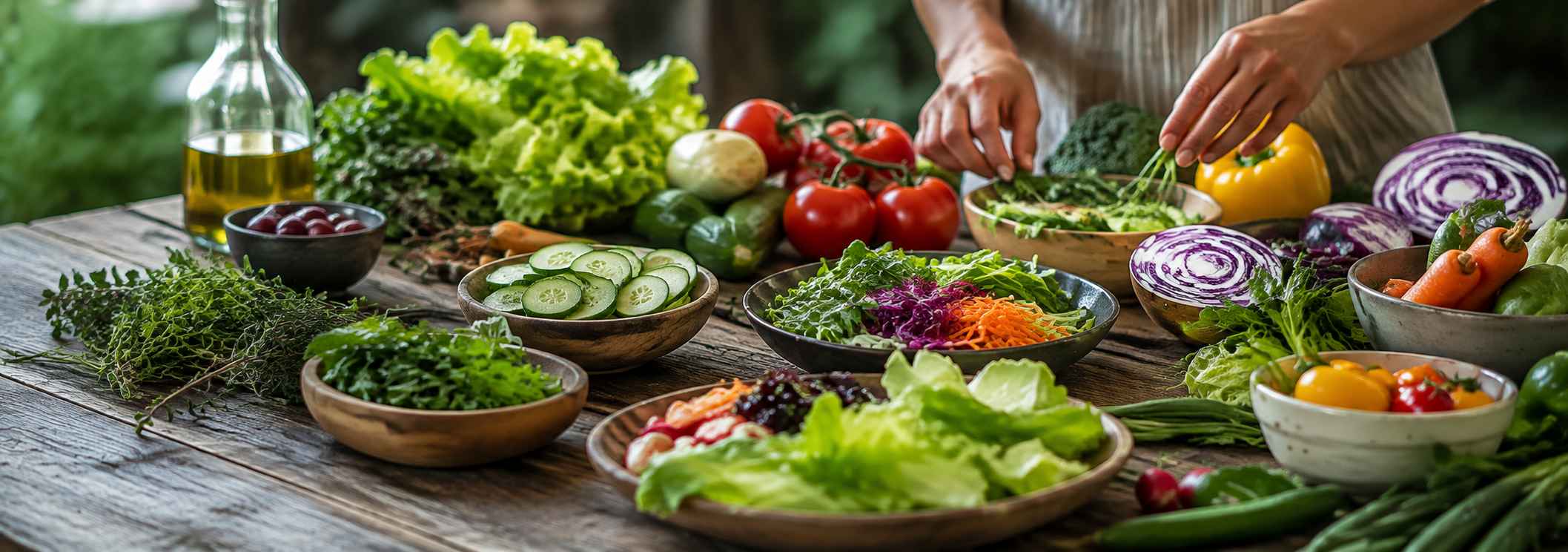
Sustainability and Innovation
As we look towards the future, discussions around food are increasingly focused on sustainability and ethical sourcing. From promoting local produce to reducing food waste, conscious consumerism is shaping the culinary landscape. AI and technology are also playing a role, assisting chefs with recipe development, optimizing kitchen operations, and even enabling virtual culinary experiences. This blend of tradition and innovation promises an exciting future for food lovers, ensuring that "A Taste of Everything" will continue to offer new and delightful discoveries for generations to come.
Exploring the world through its food is an enriching and deeply personal experience. It’s an invitation to connect with different cultures, understand history, and savor the simple yet profound pleasure of a well prepared meal. So, whether you're planning your next culinary adventure or simply exploring new flavors in your own kitchen, embrace the opportunity to discover "A Taste of Everything."

Most Popular








Anaya
comment1