



Introduction
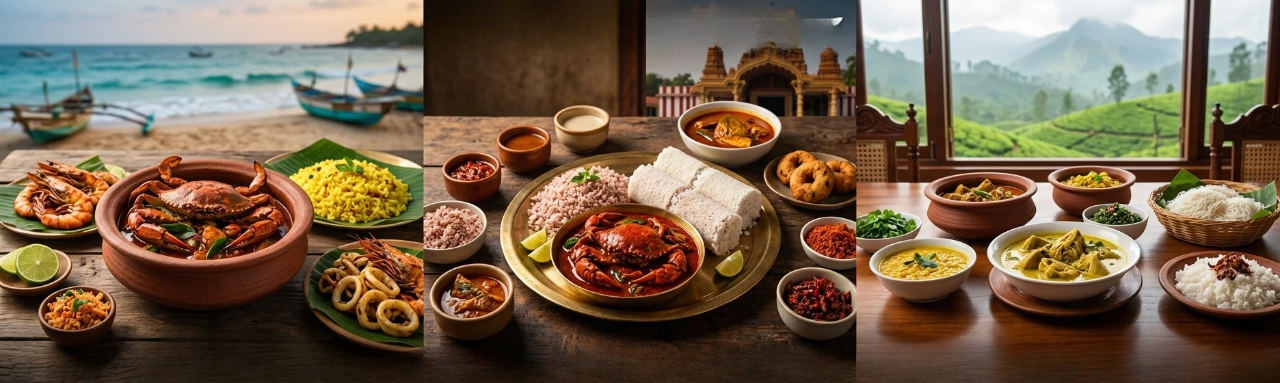
Sri Lanka, the Pearl of the Indian Ocean, is renowned for its vibrant culture, stunning landscapes, and, of course, its incredible cuisine. But did you know that the way Sri Lankans eat can vary quite a bit from one region to another? It's not just about the ingredients; it's about traditions, lifestyles, and even the climate influencing how meals are prepared and enjoyed. Join us on a delicious journey as we uncover the fascinating cultural differences in eating habits across the diverse regions of Sri Lanka.
The Island's Culinary Tapestry
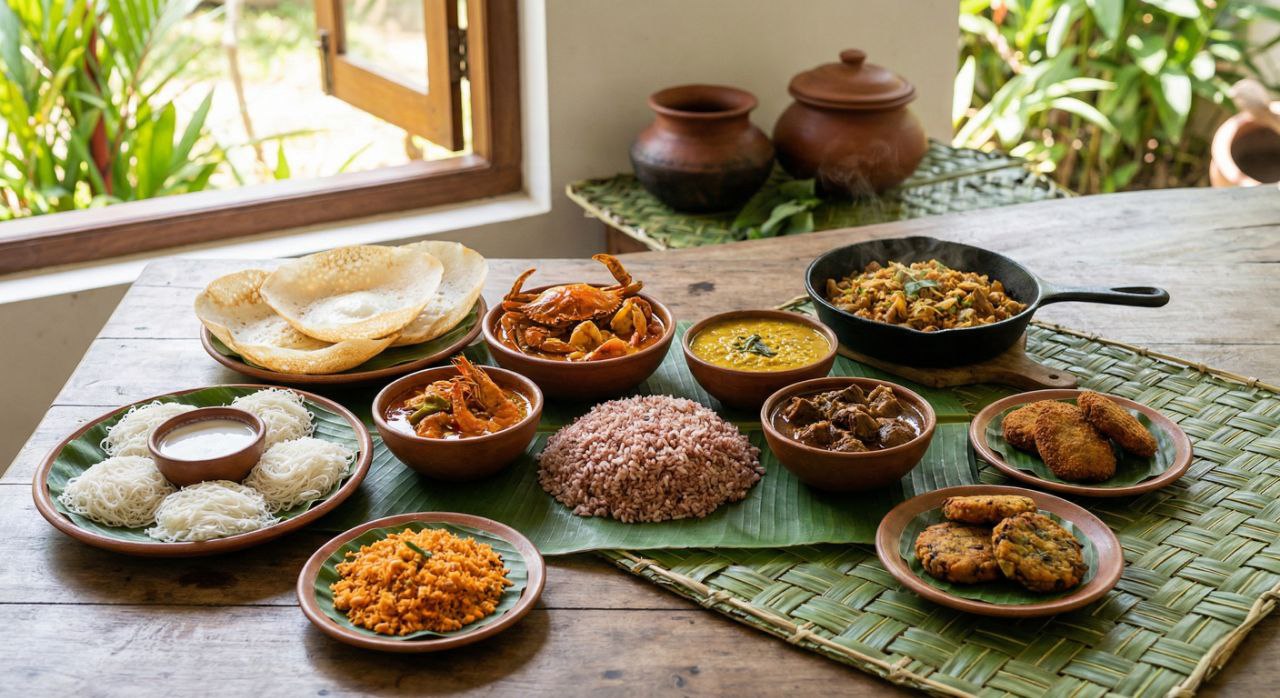
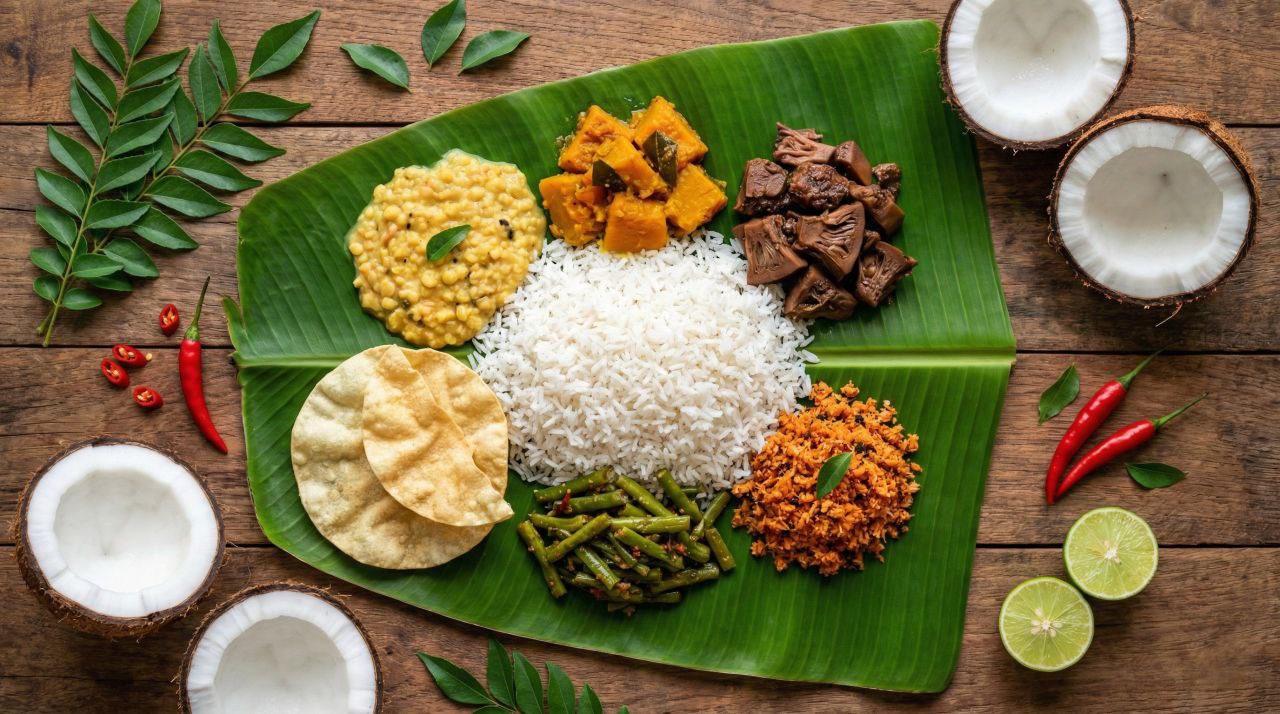
Sri Lankan food is a delightful fusion of influences, with spices like cinnamon, cardamom, cloves, and of course, chili playing starring roles. Rice and curry are the staples, but the accompaniments, cooking methods, and even meal timings can differ significantly.
The North: A Fiery Embrace
In the North, particularly areas like Jaffna, the cuisine is known for its bolder, spicier flavors. Influenced by South Indian cooking, you'll find liberal use of chili and a strong emphasis on seafood due to the extensive coastline. Meals here often feature a variety of vegetable curries, often cooked with coconut milk and a generous kick of spice. Short eats, like crispy wade and savory pastries, are also very popular, perfect for a quick snack with a cup of strong tea. The pace of life in the North can also influence meal times, with leisurely lunches and dinners being common.
The East Coast: Coastal Bounty and Sweet Delights
The East Coast, with its fishing communities in Trincomalee and Batticaloa, naturally celebrates the ocean's bounty. Freshly caught fish and seafood are prepared in countless delicious ways, often grilled, curried, or made into rich stews. Coconut milk is a prominent ingredient, lending a creamy richness to many dishes. Interestingly, the East Coast also has a reputation for its sweet treats. Think of delicious puddings and desserts made with palm jaggery and coconut, providing a lovely counterpoint to the savory dishes.
The Hill Country: Hearty and Comforting
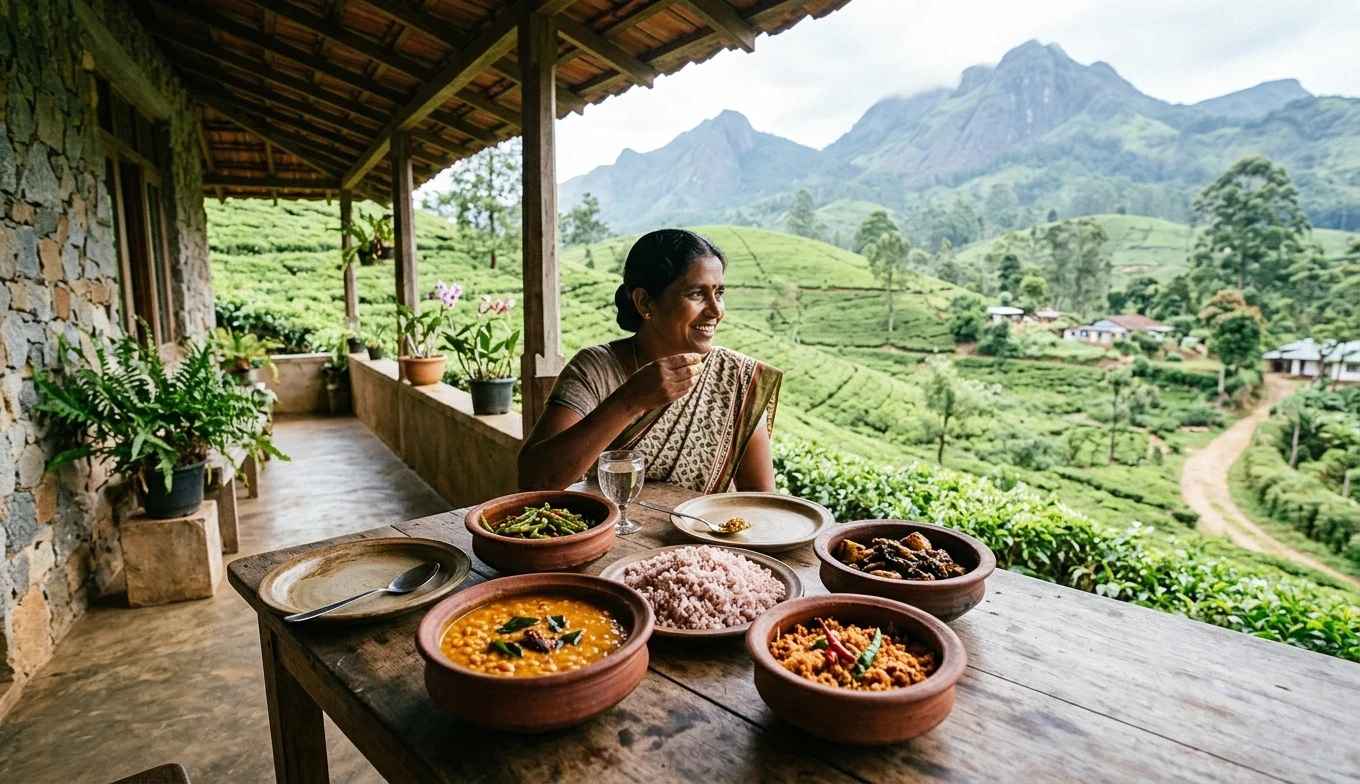
Heading up to the cool climes of the Hill Country, like Kandy and Nuwara Eliya, the eating habits tend to be more focused on hearty, comforting food. The cooler weather calls for warming curries and dishes that are more substantial. You'll find delicious vegetable stews, flavorful meat curries, and often, a greater reliance on root vegetables grown in the region. Short eats also remain popular, perhaps enjoyed with a steaming cup of Ceylon tea, the region's most famous export. The influence of the Tamil plantation workers is also evident here, bringing their own unique flavors and cooking styles.
The Southern Coast: Coconut-Rich Flavors and Quick Bites
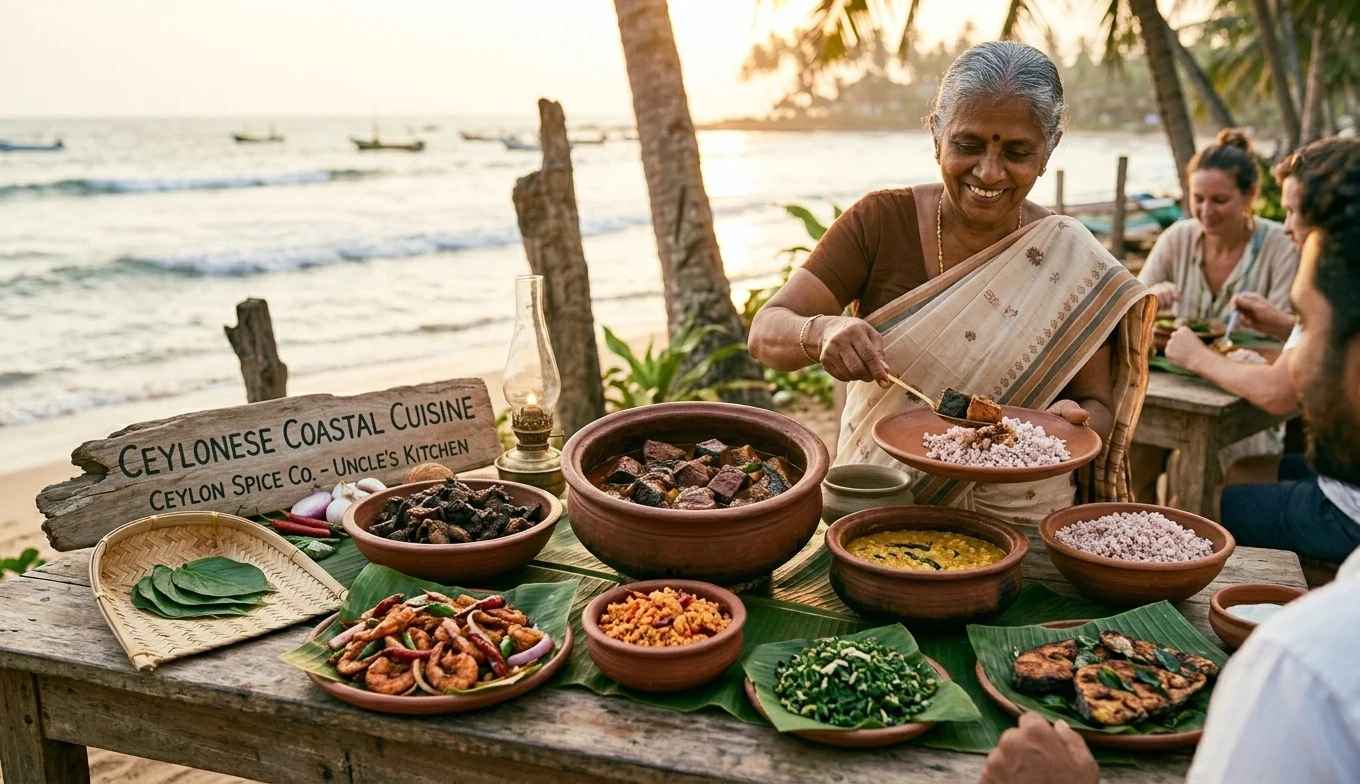
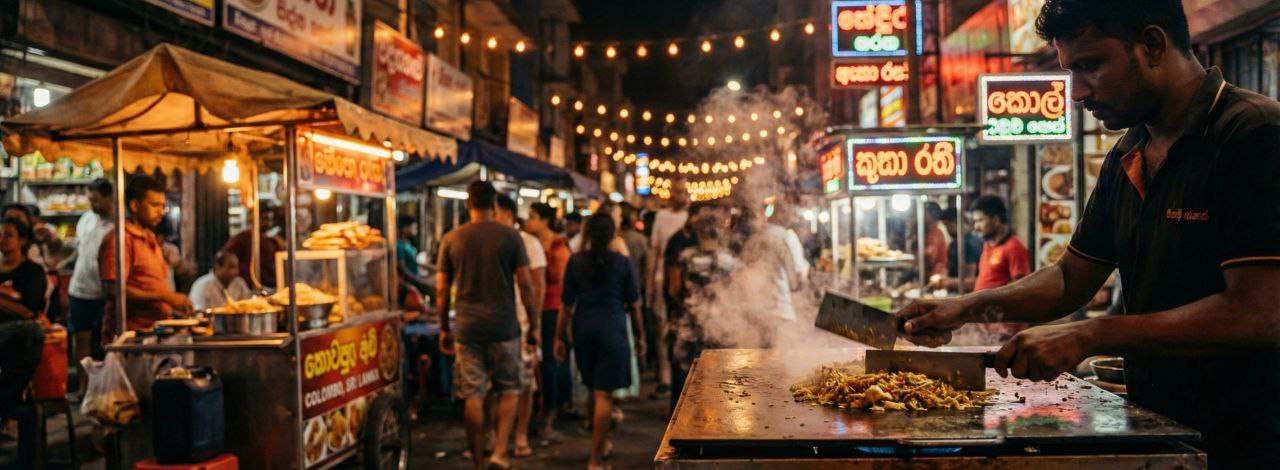
The South of Sri Lanka, with its bustling cities like Galle and Matara, offers a delightful mix of flavors. Coconut is king here, used extensively in curries, sambols, and even in the preparation of rice. The cuisine is often characterized by its slightly sweeter notes and a good balance of spices. The Southern coast is also a hub for street food, with vendors offering everything from savory kottu roti to sweet hoppers. Meals here can be a little quicker paced, reflecting the more urbanized lifestyle, with families often enjoying a variety of smaller dishes rather than one large meal.
The Central Province: A Blend of Traditions
The Central Province, encompassing the cultural heartland of Kandy, presents a rich tapestry of culinary traditions. Here, you'll find a harmonious blend of influences from various communities. Traditional Sinhalese dishes are prominent, often characterized by their complex spice blends and slow-cooked curries. Influences from Indian and Malay cuisines can also be observed, adding further depth and variety to the regional fare. The emphasis is often on fresh, locally sourced ingredients, prepared with generations of culinary wisdom.
Beyond the Plate: The Social Aspect
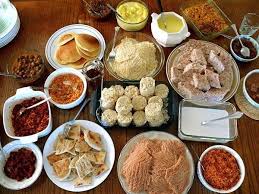
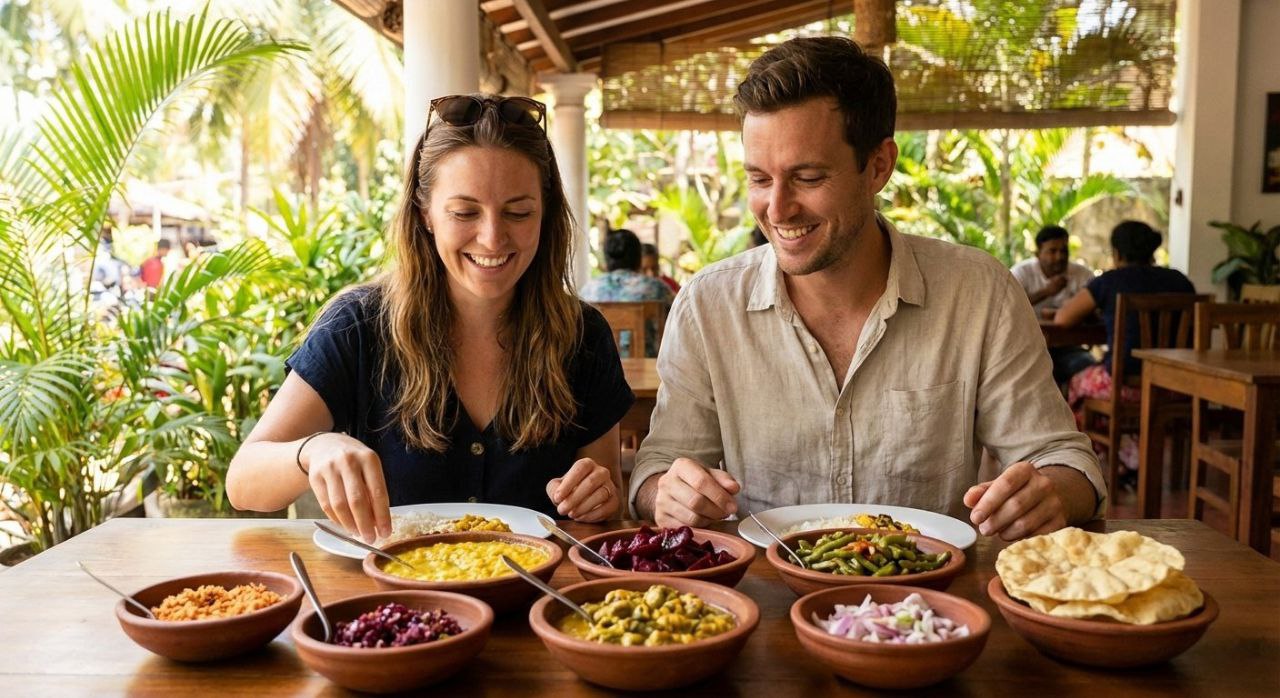
It's not just about what's on the plate; it's about how the food is enjoyed. In many rural areas, communal dining is still a cherished tradition, with families and neighbors gathering to share meals. The act of eating itself is often a slower, more mindful experience, emphasizing connection and conversation. In more urban settings, while the pace might be quicker, the importance of sharing a meal with loved ones remains central to Sri Lankan culture.
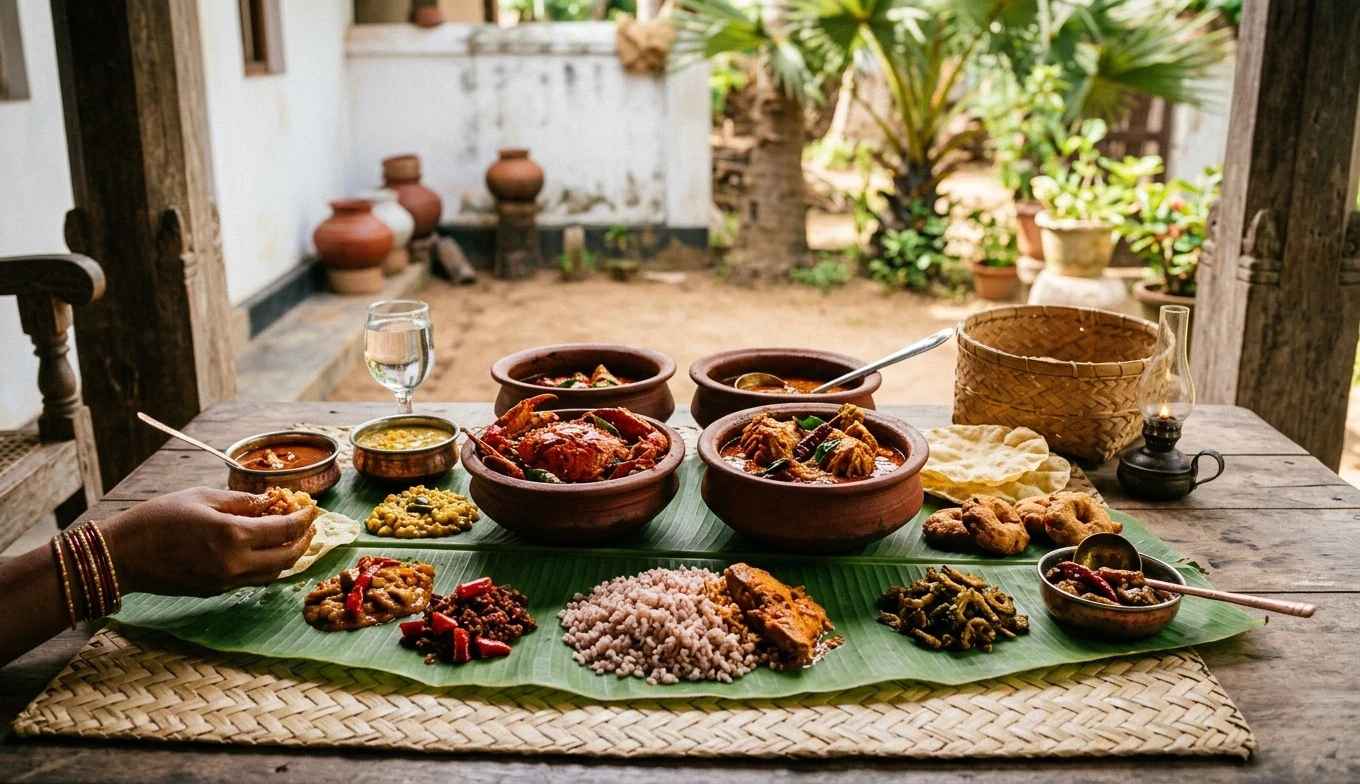
Exploring the cultural differences in eating habits across Sri Lanka is a journey that engages all the senses. From the fiery curries of the North to the fresh seafood of the East, the hearty meals of the hills to the coconut-infused flavors of the South, each region offers a unique culinary experience. These differences are a beautiful testament to the island's rich history, diverse communities, and enduring traditions. So, the next time you savor a Sri Lankan meal, take a moment to appreciate the story behind it – a story shaped by culture, geography, and the simple joy of sharing good food.
Most Popular




Anaya
comment1