



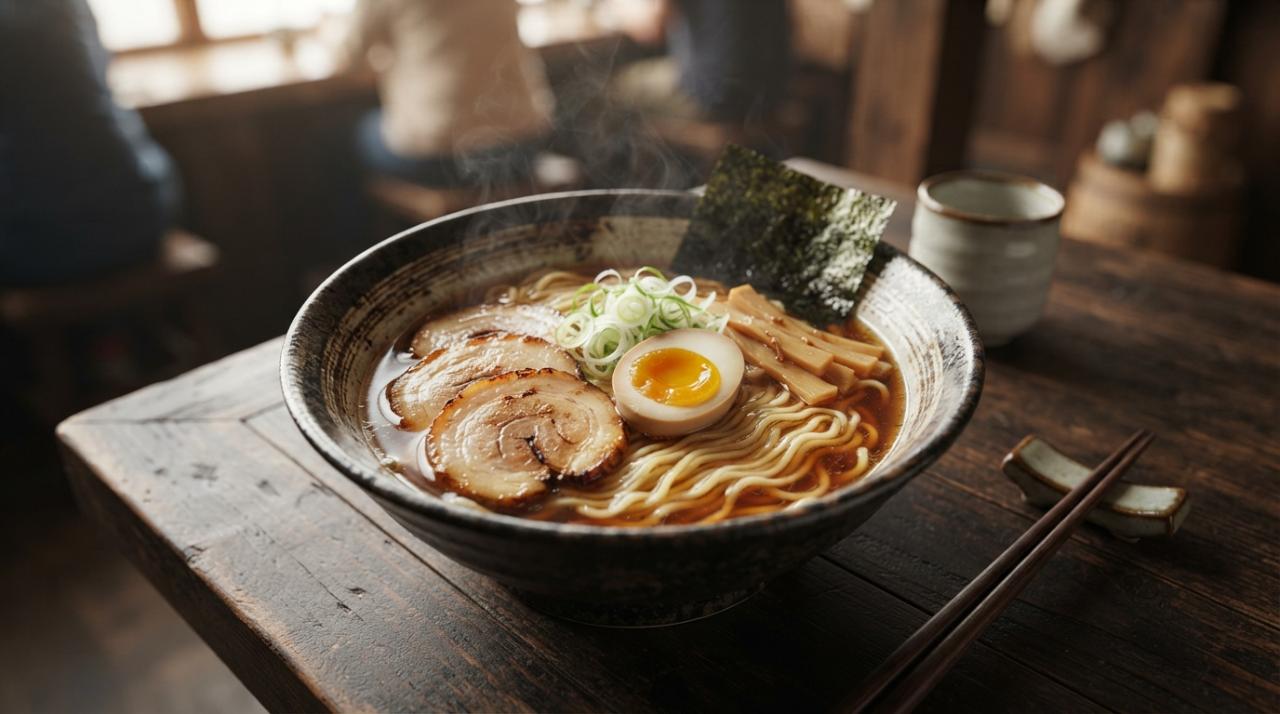
Japanese cuisine is celebrated for its balance of flavor, attention to detail, and respect for traditional ingredients. Among its most beloved dishes, ramen holds a special place in everyday Japanese food culture. One of the classic varieties is shoyu ramen, a Japanese noodle soup known for its savory soy sauce seasoning, aromatic broth, and carefully selected toppings.
An authentic Japanese shoyu ramen recipe combines several elements to create a satisfying bowl. These include a flavorful broth, springy wheat noodles, a soy-based seasoning called tare, and toppings such as sliced pork, soft-boiled eggs, spring onions, and nori seaweed. Although ramen restaurants often prepare their broths over many hours, you can create a delicious homemade version using accessible ingredients and traditional techniques.
What Makes Shoyu Ramen Special?
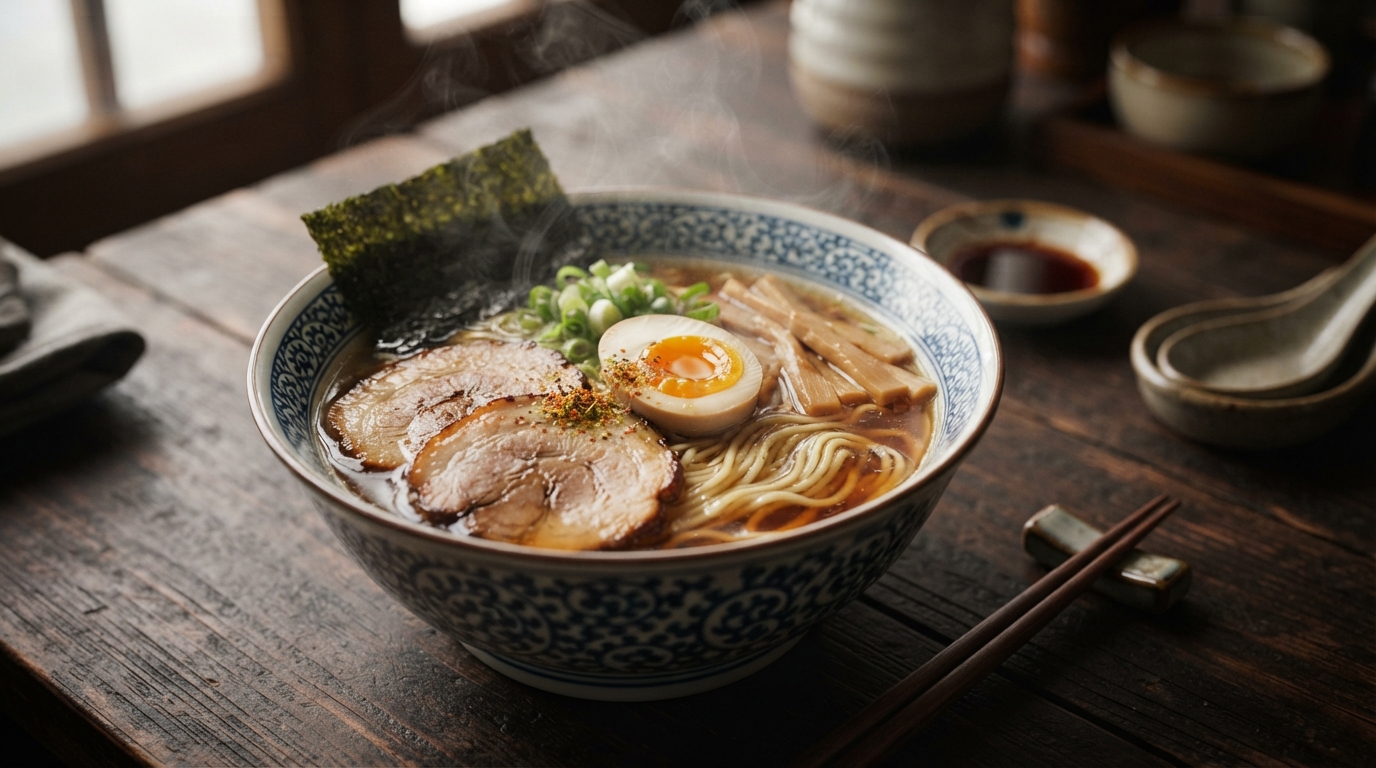
The word shoyu means soy sauce in Japanese. Shoyu ramen is distinguished by its soy sauce-based seasoning, which gives the broth a deep savory taste and a rich amber color. Unlike creamy tonkotsu ramen, which traditionally uses a pork-bone broth, shoyu ramen can be prepared with chicken, seafood, vegetable, or mixed broths.
Ramen developed in Japan through influences from Chinese-style wheat noodles and evolved into many distinctive regional styles. Today, it is an important part of Japanese food culture, with different regions and ramen shops developing their own broth recipes, noodle textures, and toppings.
The secret to good shoyu ramen is not simply adding soy sauce to soup. The broth, seasoning, noodles, and aromatic oil must work together without overpowering one another.
Ingredients for Authentic Japanese Shoyu Ramen
For the broth:
- 1 litre chicken stock
- 1 small piece of kombu seaweed, optional
- 2 slices of fresh ginger
- 2 garlic cloves, lightly crushed
- 2 spring onions
For the soy sauce seasoning:
- 3 tablespoons Japanese soy sauce
- 1 tablespoon mirin
- 1 teaspoon sake, optional
- 1 teaspoon sesame oil
For the ramen bowl:
- 200–250 g fresh ramen noodles
- 2 eggs
- 150–200 g cooked sliced pork or chicken
- 2 spring onions, finely sliced
- 2 sheets nori seaweed
- Menma (seasoned bamboo shoots), optional
Note: These quantities make approximately two servings. For a more traditional result, use Japanese ramen noodles and Japanese soy sauce. Toppings vary according to regional style and personal preference.
Step-by-Step Guide to Making Shoyu Ramen
Step 1: Prepare the Broth
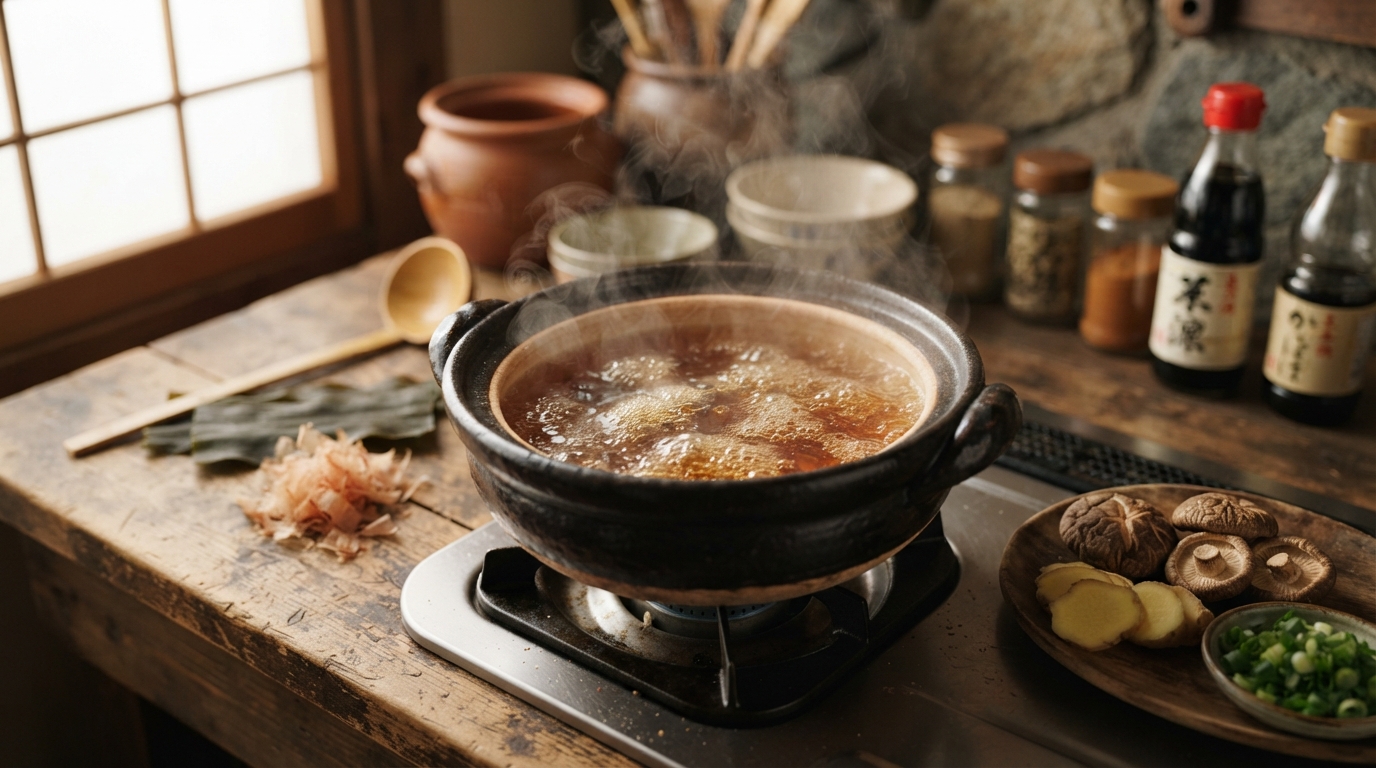
Pour the chicken stock into a saucepan. Add the ginger, garlic, spring onions, and kombu if using. Heat gently until the stock begins to simmer. Avoid boiling the kombu vigorously, as this can affect its flavor and texture.
Allow the broth to simmer gently for around 20–30 minutes so the ingredients can release their aromas. Remove the kombu before the liquid boils, then strain out the remaining aromatics if you prefer a clear broth.
Step 2: Make the Shoyu Seasoning
In a small bowl, combine the soy sauce, mirin, sake, and sesame oil. This mixture provides the characteristic savory seasoning for the soup.
In ramen preparation, the concentrated seasoning is often called tare. Keeping it separate from the broth allows you to control the saltiness and balance the flavor of each bowl.
Step 3: Prepare the Eggs and Toppings
Bring a saucepan of water to a boil and carefully add the eggs. Cook for approximately 6–7 minutes for a soft, jammy yolk, then transfer them to ice water before peeling.
Slice the cooked pork or chicken into thin pieces. Wash and finely chop the spring onions, and prepare the nori and bamboo shoots. For a more traditional ramen topping, you can use chashu, Japanese-style braised pork, prepared in advance.
Step 4: Cook the Ramen Noodles
Cook the ramen noodles according to the package instructions. Fresh noodles generally cook faster than dried varieties, so check their texture carefully.
Drain the noodles thoroughly. Avoid leaving them sitting in water, as excess moisture can dilute the broth and make the noodles soft.
Step 5: Assemble the Ramen Bowl
Divide the soy sauce seasoning between two warmed serving bowls. Pour the hot broth into each bowl and stir gently.
Add the cooked noodles, then arrange the sliced meat, halved eggs, spring onions, nori, and bamboo shoots on top. Serve immediately while the broth is hot and the noodles retain their springy texture.
Traditional Tips for Better Shoyu Ramen
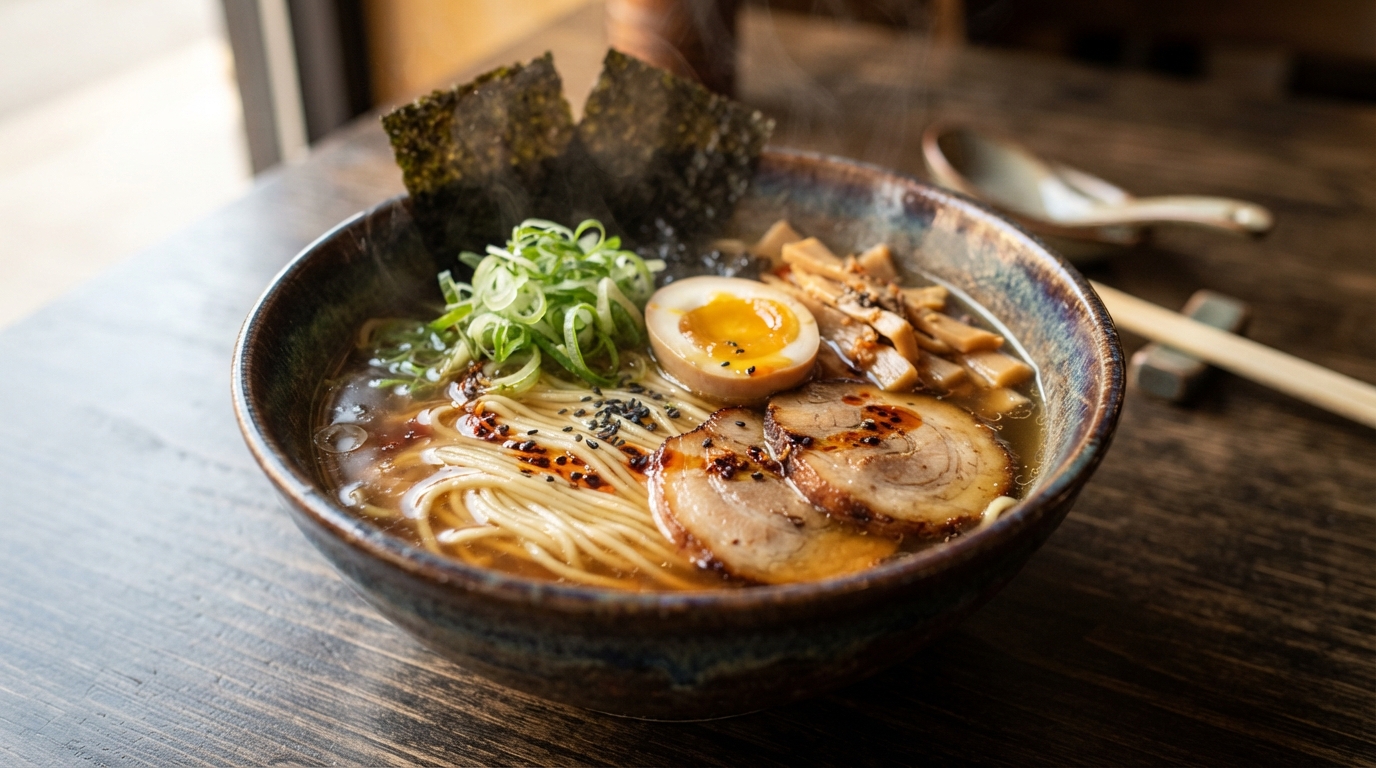
For the best results, use good-quality Japanese soy sauce and a balanced broth. Too much soy sauce can make the soup overly salty, while an under-seasoned broth may taste flat. Adjust the seasoning gradually rather than adding it all at once.
Choose noodles designed specifically for ramen because their texture is different from ordinary pasta. You can also prepare the broth and toppings ahead of time, storing them separately and assembling each bowl just before serving.
For a more elaborate version, add homemade chashu pork, marinated ramen eggs, or a little aromatic chicken oil. These additions create greater depth without taking attention away from the soy sauce seasoning.
Conclusion
Authentic Japanese shoyu ramen is a wonderful introduction to traditional Japanese noodle cooking. Its combination of savory soy sauce seasoning, aromatic broth, springy noodles, and carefully prepared toppings demonstrates the balance and attention to detail that make Japanese cuisine so distinctive.
By following these steps and choosing quality ingredients, you can prepare a satisfying bowl of homemade shoyu ramen in your own kitchen. Whether you enjoy it as a comforting lunch or a hearty dinner, this classic Japanese recipe offers an opportunity to experience one of Japan's best-loved noodle dishes.
Most Popular













Anaya
comment1