



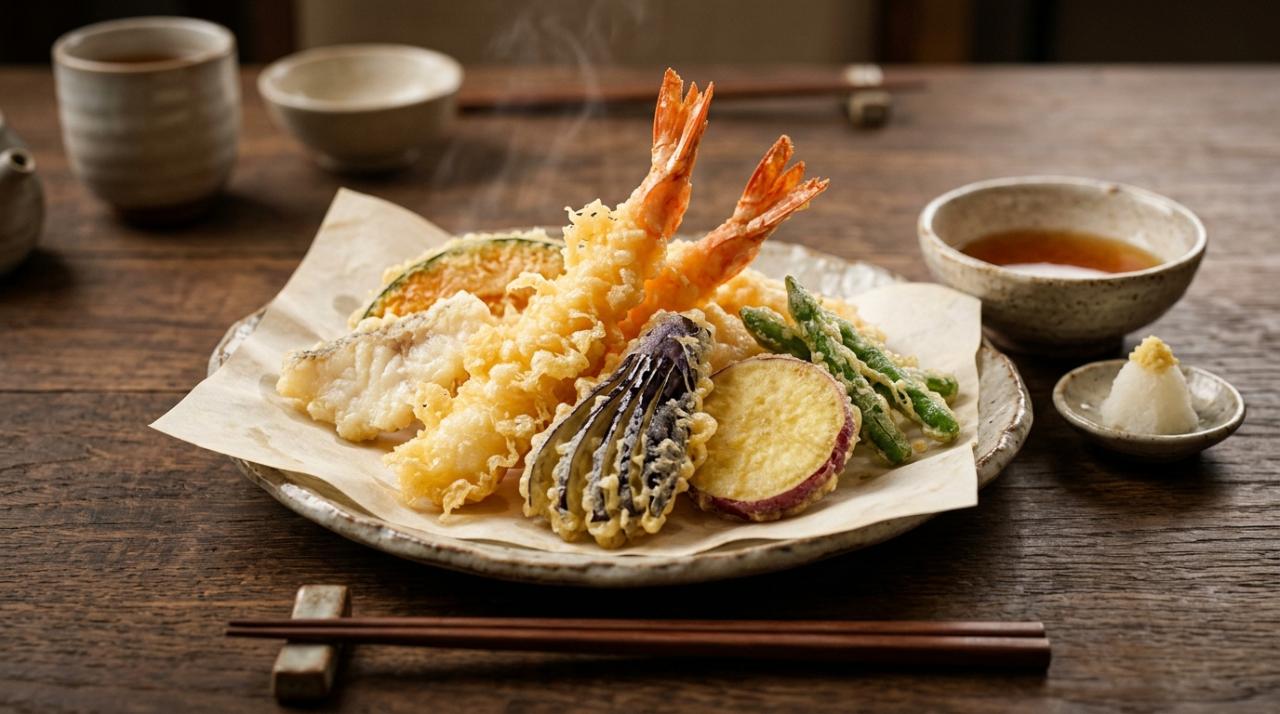
Japanese cuisine is admired for its delicate flavors, seasonal ingredients, and careful cooking techniques. One dish that perfectly demonstrates these qualities is tempura, a popular Japanese preparation featuring seafood and vegetables coated in a light batter and fried until crisp and golden.
An authentic Japanese tempura recipe focuses on simplicity. Rather than using a thick coating or heavily seasoned breadcrumbs, traditional tempura relies on a delicate flour-based batter that allows the natural flavor of each ingredient to shine through. Shrimp, sweet potatoes, pumpkin, eggplant, and green beans are among the ingredients commonly used.
Although tempura is now enjoyed around the world, achieving its signature texture requires attention to batter consistency, oil temperature, and ingredient preparation. With a few basic ingredients and the right technique, you can prepare this classic Japanese dish in your own kitchen.
What Makes Traditional Japanese Tempura Special?
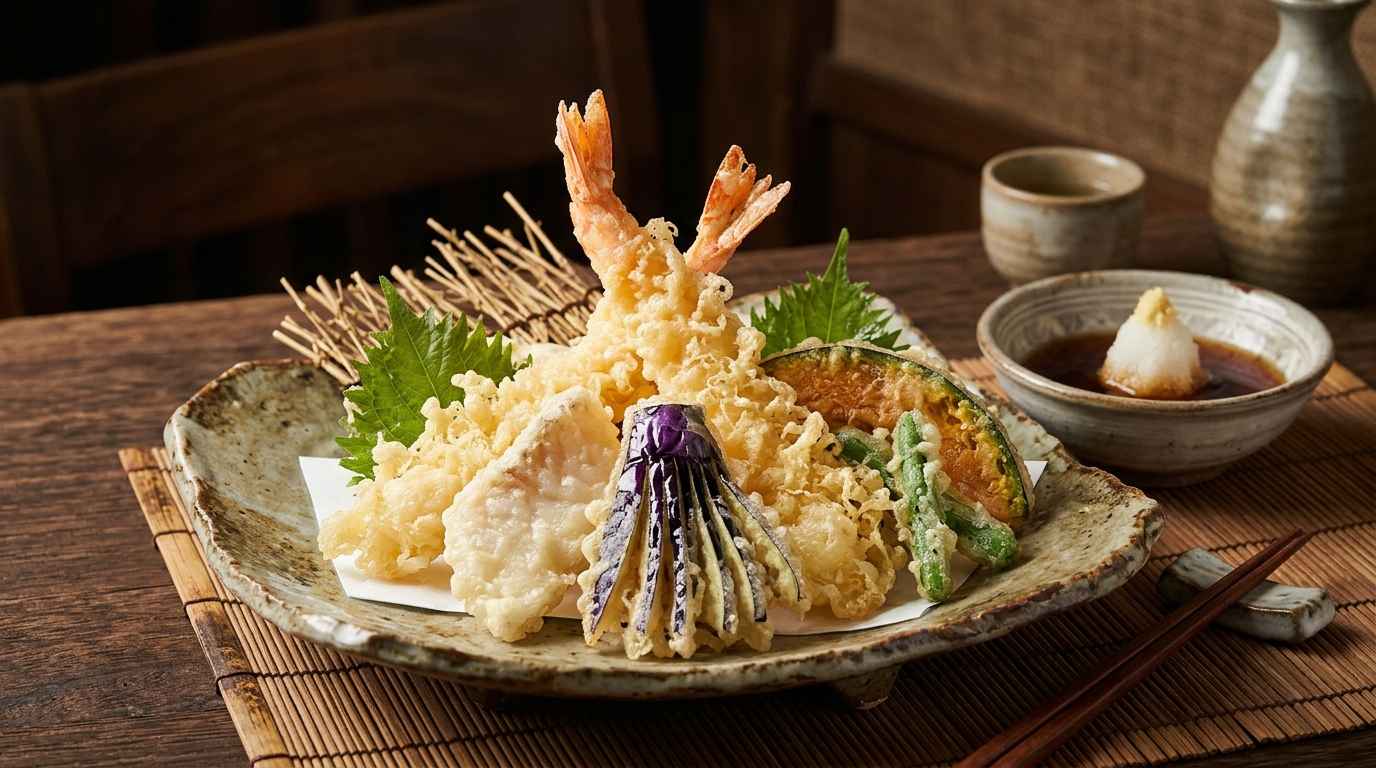
Tempura is an important part of Japanese food culture, appearing in restaurants, noodle dishes, rice bowls, and home-cooked meals. Its history is connected to cooking techniques introduced to Japan through foreign culinary influences, which Japanese cooks adapted to local ingredients and tastes.
Unlike many Western fried foods, traditional tempura is known for its thin, delicate coating. The batter is mixed lightly, often with cold water, and the ingredients are fried in hot oil. The aim is to create a crisp exterior without making the coating heavy or greasy.
Tempura is commonly served with tentsuyu, a dipping sauce typically prepared using dashi, soy sauce, and mirin. Grated daikon radish may accompany the sauce, adding a fresh and slightly peppery flavor.
Ingredients for Authentic Japanese Tempura
For the tempura batter:
- 100 g all-purpose flour
- 1 large egg
- 200 ml ice-cold water
- A little extra flour for dusting
For the ingredients:
- 200 g shrimp, peeled and deveined
- 1 small sweet potato, thinly sliced
- 1 small eggplant, cut into suitable pieces
- 100 g pumpkin, thinly sliced
- 100 g green beans
- Neutral oil suitable for deep-frying
For the traditional dipping sauce:
- 120 ml dashi stock
- 2 tablespoons Japanese soy sauce
- 2 tablespoons mirin
You can choose a selection of seafood and vegetables instead of using every ingredient. Fresh ingredients with different shapes, colors, and textures create an attractive assortment.
Step-by-Step Guide to Making Japanese Tempura
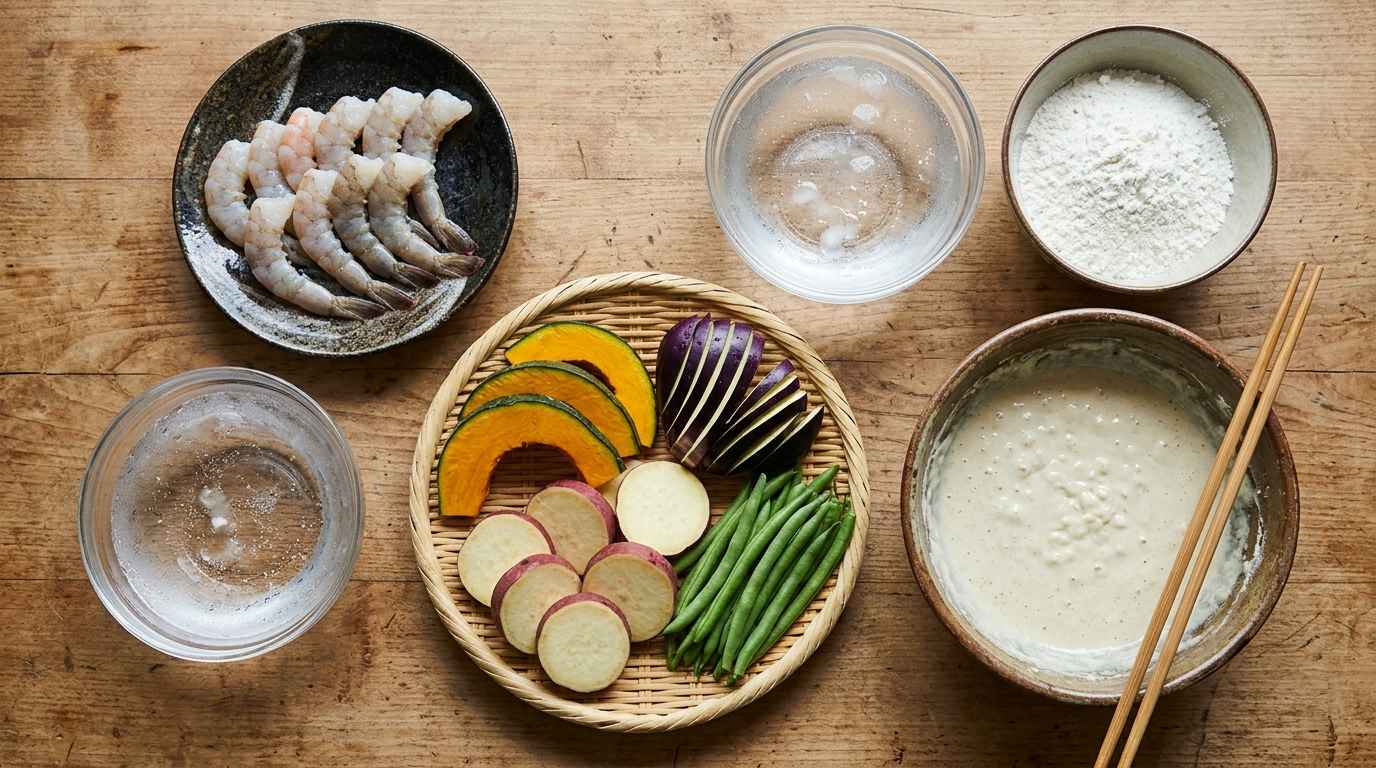
Step 1: Prepare the Seafood and Vegetables
Wash the vegetables and dry them thoroughly. Slice the sweet potato and pumpkin into relatively thin pieces so they cook evenly. Cut the eggplant into manageable portions and trim the ends of the green beans.
Peel and devein the shrimp if necessary. Pat the shrimp dry with paper towels, and make a few shallow cuts along the underside to help them remain relatively straight during frying.
Moisture on the ingredients can cause oil to splatter and may interfere with the batter adhering properly. Ensure everything is dry before continuing.
Step 2: Prepare the Traditional Dipping Sauce
Combine the dashi, soy sauce, and mirin in a small saucepan. Heat gently until the mixture is hot and the flavors have blended.
Remove it from the heat and keep it warm for serving. If available, add freshly grated daikon radish when serving the sauce. This provides a refreshing contrast to the crisp, fried ingredients.
Step 3: Mix the Tempura Batter
Beat the egg lightly in a bowl, then add the ice-cold water. Add the flour and mix briefly with chopsticks or a fork.
Do not whisk until completely smooth. Small lumps are acceptable and can help prevent the batter from becoming too heavy. Overmixing develops gluten and may result in a tougher coating.
Prepare the batter just before frying and keep it cold while working.
Step 4: Heat the Oil
Pour sufficient neutral oil into a deep, heavy saucepan or suitable deep fryer. Heat it to approximately 170–180°C (340–355°F).
Use a kitchen thermometer to monitor the temperature where possible. If the oil is too cool, the tempura may absorb excess oil. If it is too hot, the coating can brown before the ingredients cook through.
Never leave hot oil unattended, and avoid filling the pan too high.
Step 5: Coat and Fry the Ingredients
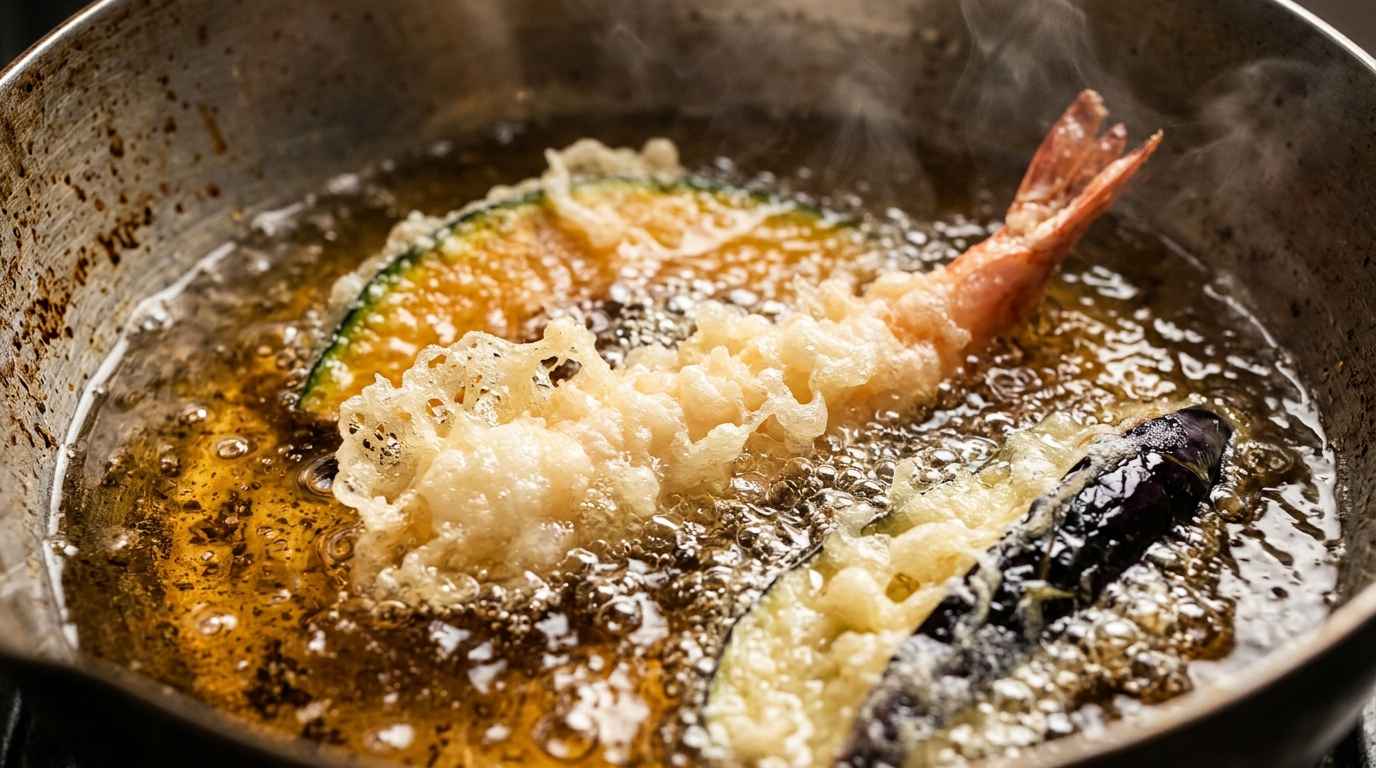
Lightly dust each ingredient with flour, shaking off any excess. Dip it into the cold batter, allowing the extra batter to drip away.
Carefully lower a few pieces into the hot oil. Avoid overcrowding the pan, as adding too many ingredients at once lowers the oil temperature.
Fry until the coating is pale golden and crisp. Cooking time varies according to the ingredient and thickness: thin vegetables may take only a few minutes, while shrimp and thicker pieces may need longer to cook safely.
Remove each piece with a slotted utensil and drain it on a wire rack. Repeat with the remaining ingredients, allowing the oil to return to the correct temperature between batches.
Step 6: Serve Immediately
Arrange the tempura on a serving plate and bring it to the table while the coating is still crisp. Serve with the warm tentsuyu dipping sauce.
Tempura is delicious on its own or alongside steamed rice. It can also be served over rice as tendon or with Japanese soba and udon noodles.
Traditional Tips for Perfect Tempura
The most important rule is to keep the batter cold and mix it gently. Prepare it immediately before frying instead of leaving it to stand for a long time.
Dry ingredients thoroughly, fry in small batches, and maintain a consistent oil temperature. A wire rack is preferable to stacking the finished pieces, as trapped steam can soften the coating.
Choose seasonal vegetables and fresh seafood for the best flavor. Traditional tempura is usually lightly seasoned, allowing the dipping sauce and natural ingredients to provide most of the flavor.
Conclusion
An authentic Japanese tempura recipe demonstrates the beauty of simple ingredients prepared with care. Fresh shrimp and seasonal vegetables become light, crisp, and delicious when coated in a delicate batter and fried at the right temperature.
By following traditional techniques, preparing a simple tentsuyu dipping sauce, and serving the tempura immediately, you can enjoy a classic Japanese dish at home. Whether served as a starter, a rice bowl, or part of a noodle meal, tempura offers a delicious introduction to Japan's distinctive culinary traditions.
Most Popular











Anaya
comment1