



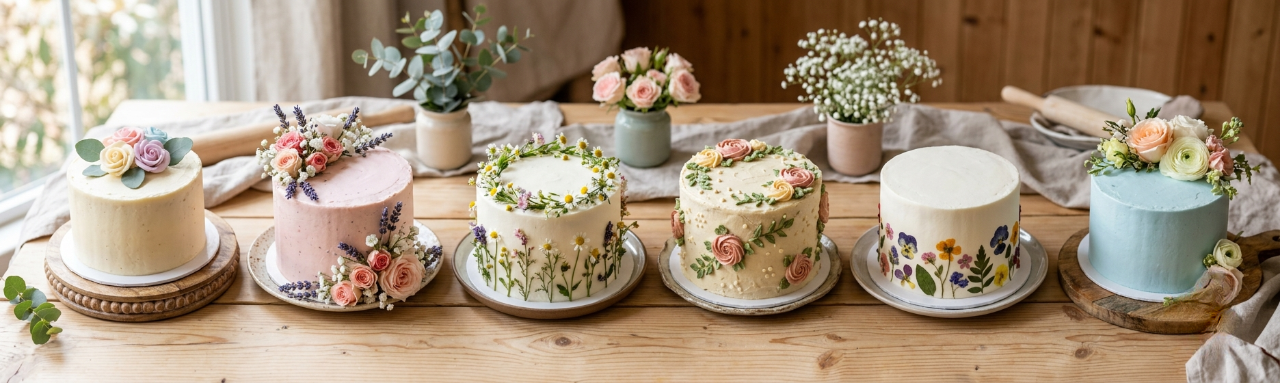
Embrace the Bloom: Simple Yet Stunning Floral Cake Designs for Aspiring Decorators. Cakes are more than just desserts; they are canvases for celebration and creativity. For those new to cake decorating, the world of intricate floral designs might seem daunting. However, achieving beautiful floral effects on your cakes is entirely within reach, even for beginners. This guide will introduce you to accessible techniques and design ideas that will transform your homemade cakes into edible works of art, perfect for any occasion.
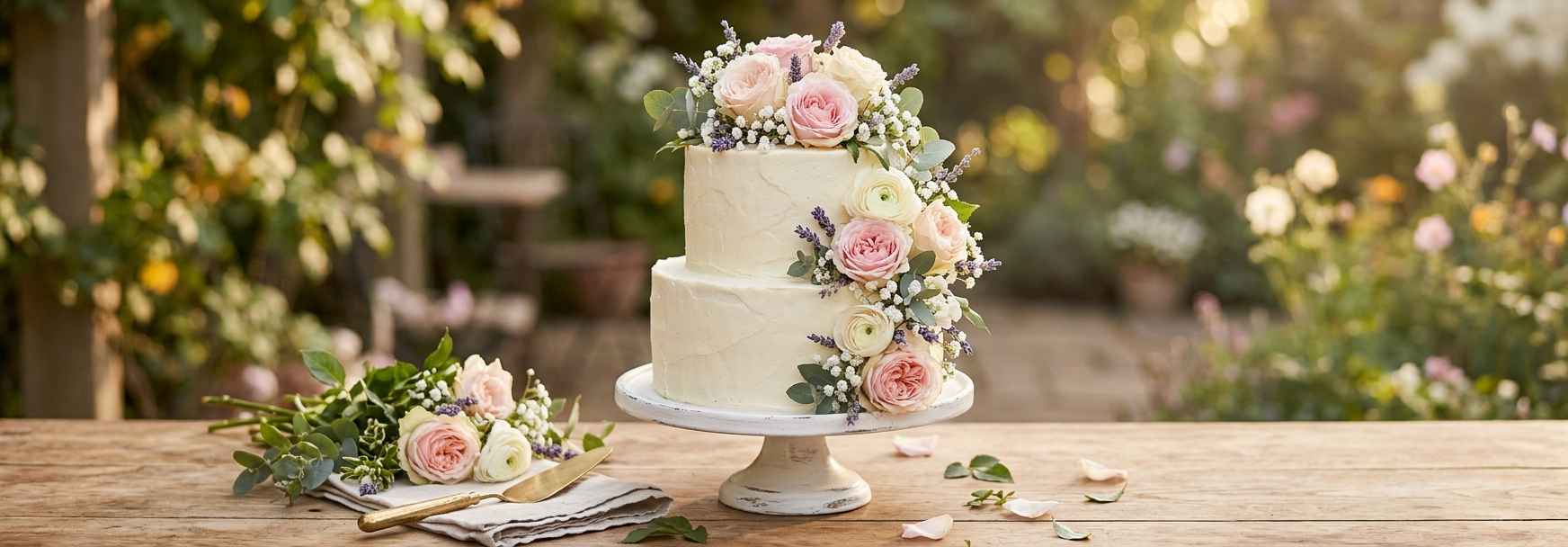
Why Floral Cakes?
Floral cake designs offer a timeless elegance and versatility that never goes out of style. Whether it's a wedding, a birthday, or a simple gathering, flowers add a touch of natural beauty and sophistication. The good news is that you don't need years of experience to create stunning floral decorations. With the right tools and a little practice, you can achieve impressive results that will wow your guests.
Getting Started: Essential Tools and Techniques
Before diving into specific designs, let's cover some basics. For floral decorations, you'll typically need:
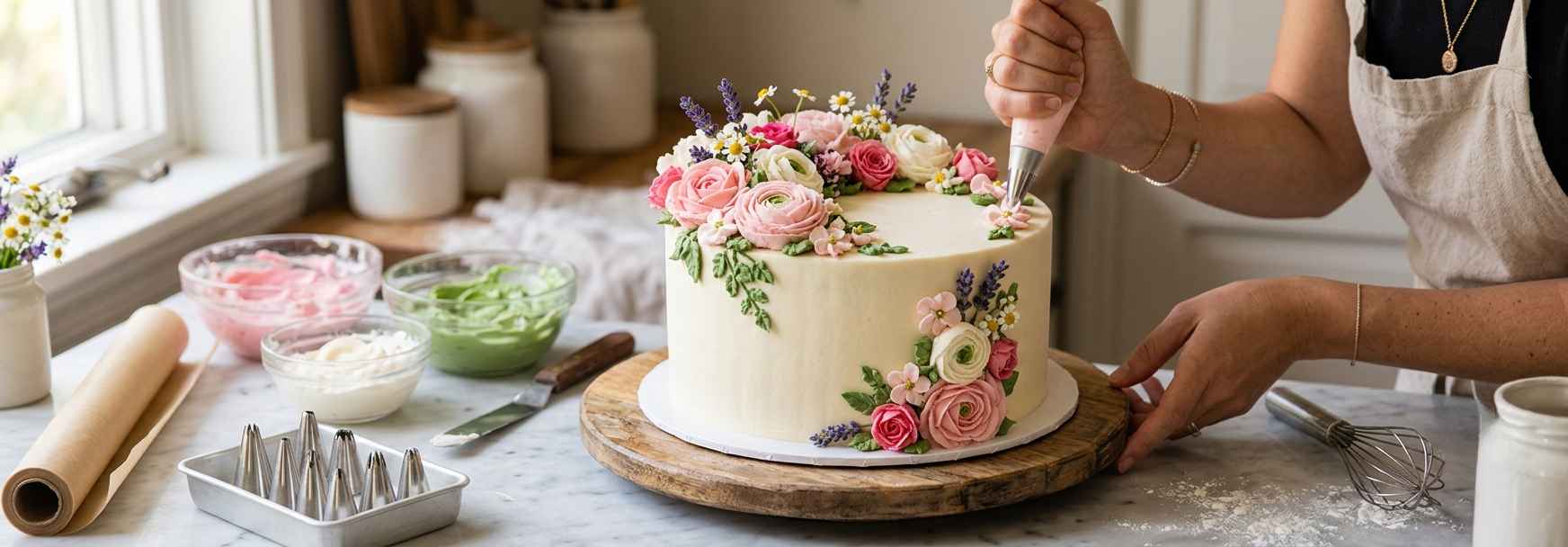
- Buttercream: This is a versatile medium for piping flowers. American buttercream is a popular choice for its stability and ease of use.
- Piping Bags and Tips: A few key piping tips can unlock a world of floral possibilities. A star tip (like a 104 or 127) is excellent for petals, while a round tip (like a 2 or 3) is great for centers and small details. A leaf tip (like a 352) is essential for creating leaves.
- Cake Board and Spatula: For smooth frosting and easy handling.
- Edible Flowers: For a touch of natural charm, consider using food safe, pesticide free fresh flowers or edible dried flowers.
Beginner-Friendly Floral Cake Designs
Here are some simple yet impactful floral design ideas perfect for beginners:
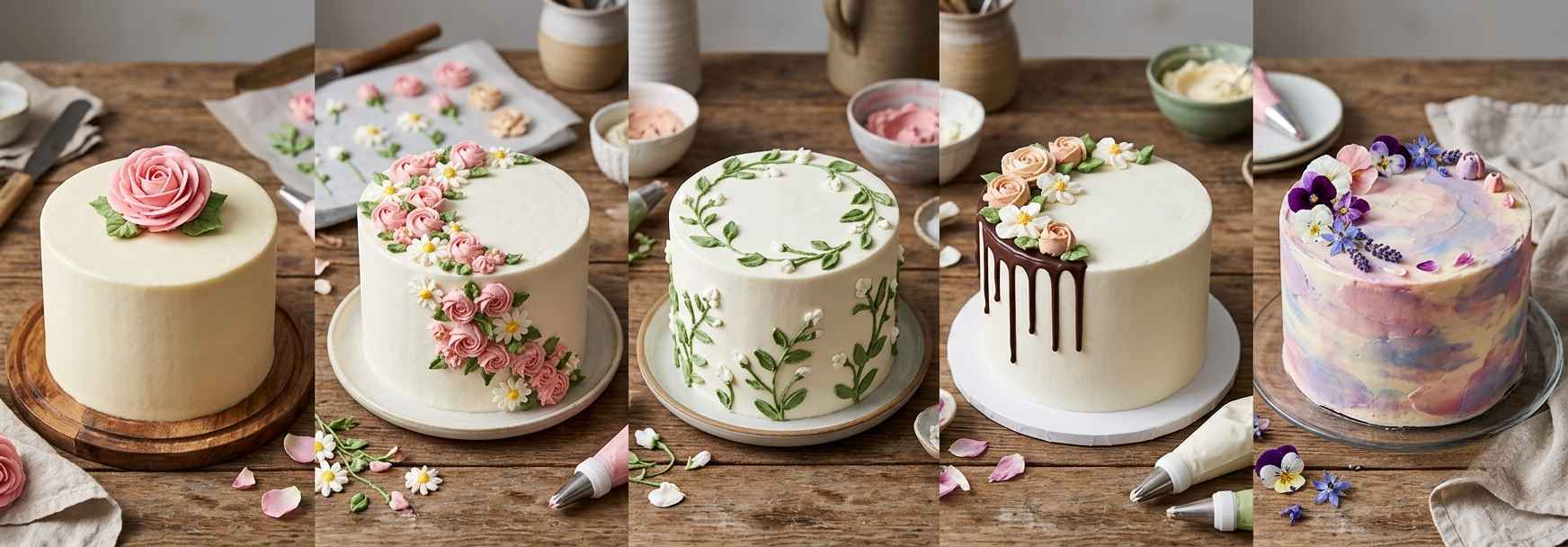
1. The Single Statement Bloom
This design focuses on one beautifully crafted flower as the centerpiece. A classic rose or a large peony piped directly onto the cake can be incredibly striking. Practice piping the petals on parchment paper first until you feel confident. Start with a small mound of buttercream for the center and gradually add larger petals around it, rotating the cake as you go. The key here is clean piping and a smooth background frosting.
2. Clusters of Simple Blossoms
Instead of one large flower, opt for a scattering of smaller, simpler blooms. Think about creating small rosettes, simple daisies (using a star tip and then a small dot of color in the center), or even tiny buttercream buds. Arrange these clusters artfully on your cake, perhaps cascading down one side or forming a border. Vary the colors slightly to add depth and visual interest.
3. Easy Leafy Accents
Don't underestimate the power of leaves! Using a leaf piping tip, you can quickly add greenery to your cake. Pair piped leaves with simple buttercream dots or even small piped flowers for a charming, natural look. A few strategically placed leaves can frame your main floral elements or fill in gaps, adding a professional touch with minimal effort.
4. The 'Drip' with Floral Accents
A chocolate or colored ganache drip is a modern and forgiving technique. Once your drip is set, you can use it as a base to adorn with simple piped flowers or even a few fresh edible blooms. The drip adds visual texture, and the flowers provide the focal point, creating a dynamic and appealing design.
5. Watercolor Frosting and Edible Flowers
For a soft, artistic look, try a watercolor effect on your frosting. Apply different shades of buttercream to your cake and then gently blend them together with an offset spatula or a bench scraper. Once you have your watercolor base, strategically place a few edible flowers or simple piped buds for a delicate and elegant finish.
Tips for Success
- Chill Your Cake: A chilled cake is easier to frost and decorate.
- Practice Makes Perfect: Don't be discouraged if your first attempts aren't flawless. Practice piping on parchment paper or a plate before applying it to your cake.
- Color Wisely: Start with a few complementary colors. Natural, soft tones often work best for floral designs.
- Keep it Clean: Wipe your piping tip frequently to ensure clean lines.
- Embrace Imperfection: Sometimes, slightly imperfect flowers can look more natural and charming.
floral cakes doesn't have to be reserved for seasoned professionals. With these beginner-friendly techniques and design ideas, you can confidently create beautiful floral cakes that will be the highlight of any celebration. So, gather your tools, experiment with colors, and let your creativity bloom. Happy decorating!
Most Popular











Anaya
comment1