



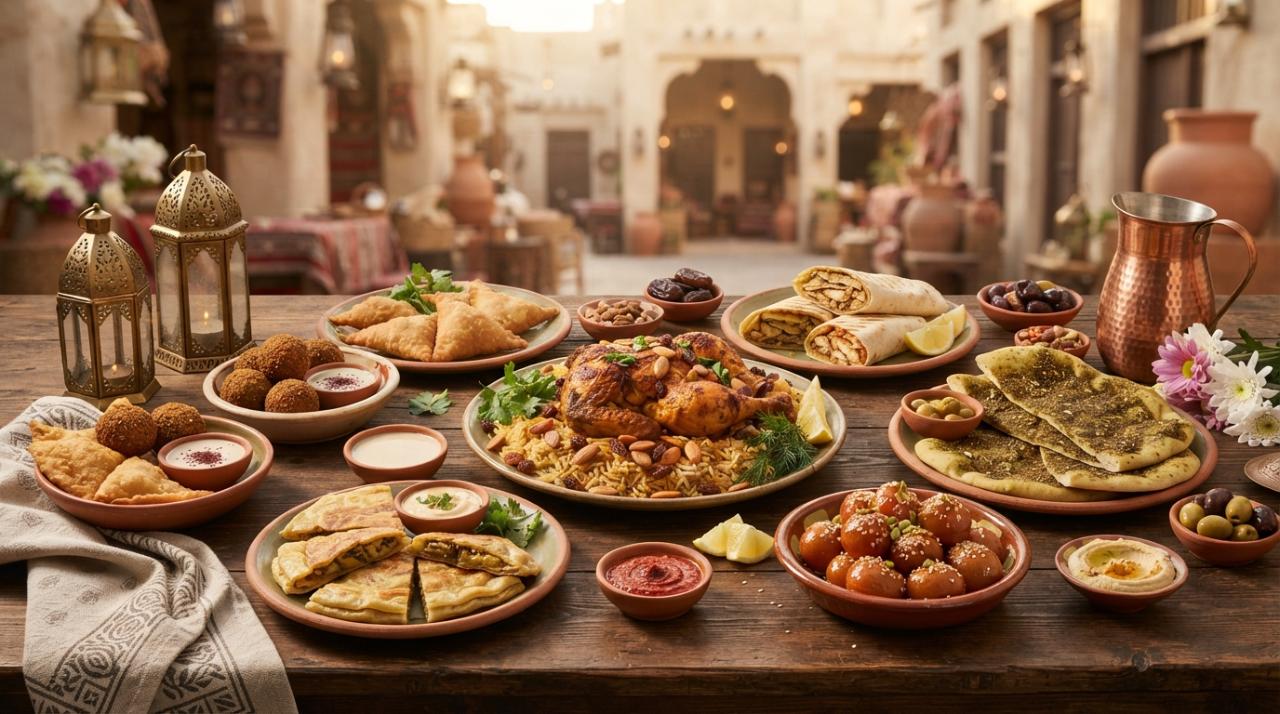
Arabian cuisine is a delicious journey filled with fragrant spices, freshly baked bread, grilled meats, and irresistible sweet treats. While shawarma has become one of the Middle East’s most recognizable street foods, there is a whole world of traditional Arabian flavors waiting to be discovered.
From crispy falafel and savory meat pastries to golden dumplings drizzled with date syrup, Arabian street food reflects the region’s rich culinary heritage and love of sharing good food. Across Saudi Arabia, Yemen, Oman, the United Arab Emirates, and other parts of the Middle East, street vendors and small food shops serve dishes that bring together local ingredients, traditional cooking techniques, and bold flavors.
If you want to explore Arabian cuisine beyond shawarma, here are seven delicious street foods worth trying or making at home.
1. Mutabbaq: A Crispy Stuffed Pancake
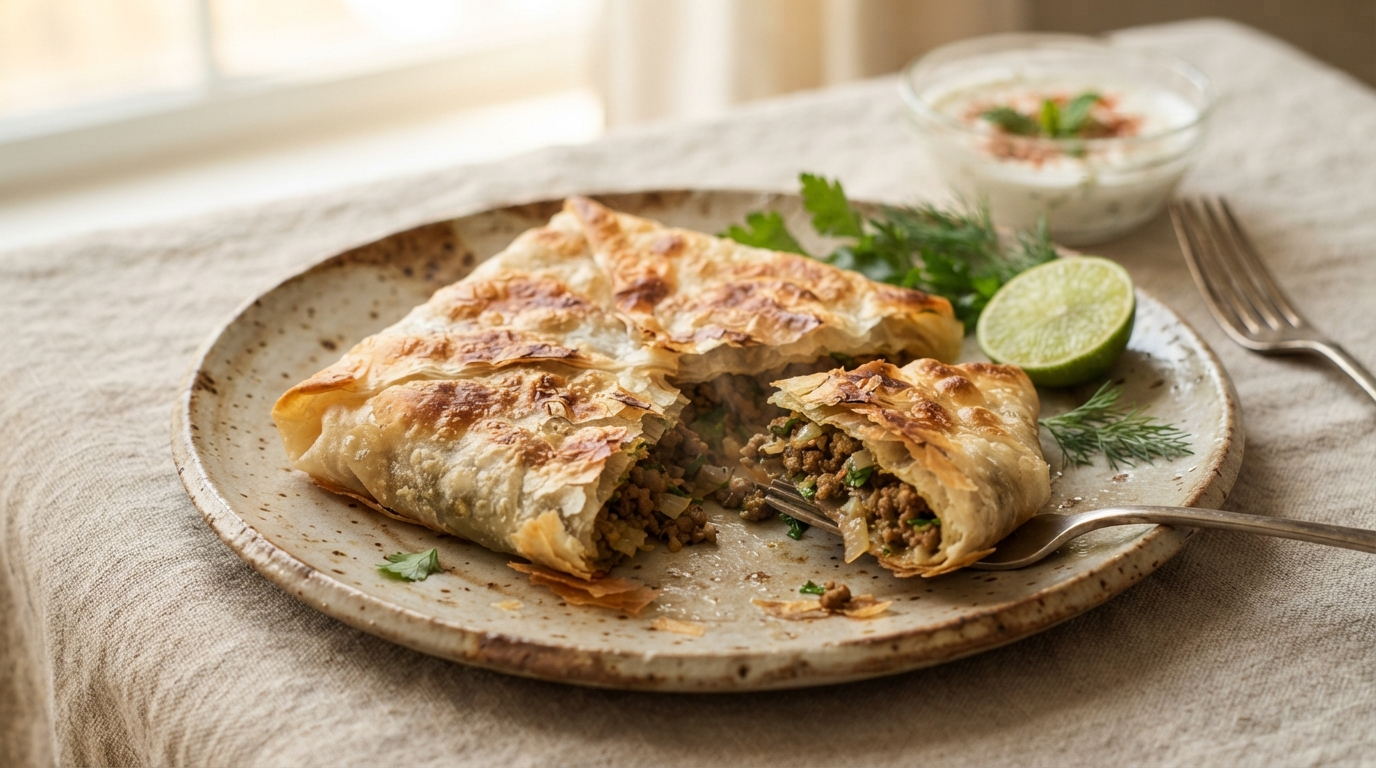
Mutabbaq is a popular stuffed pastry found in Saudi Arabia and other parts of the Arabian Peninsula. Its name refers to the folded shape of the dough, which wraps around a savory filling before being cooked until crisp.
Traditional fillings often include minced meat, onions, eggs, and a blend of spices. Some versions also contain spring onions or fresh herbs.
The thin dough develops a golden, crunchy exterior while the filling remains flavorful and tender. Mutabbaq is commonly enjoyed as a snack or light meal, particularly when served hot from the pan.
Why try it? It offers the satisfying combination of a crispy pastry and a richly seasoned filling.
At home, prepare a thin dough, add a small amount of cooked minced meat and onion filling, fold it into a square, and pan-fry until golden on both sides.
2. Falafel: Crispy Chickpea Fritters
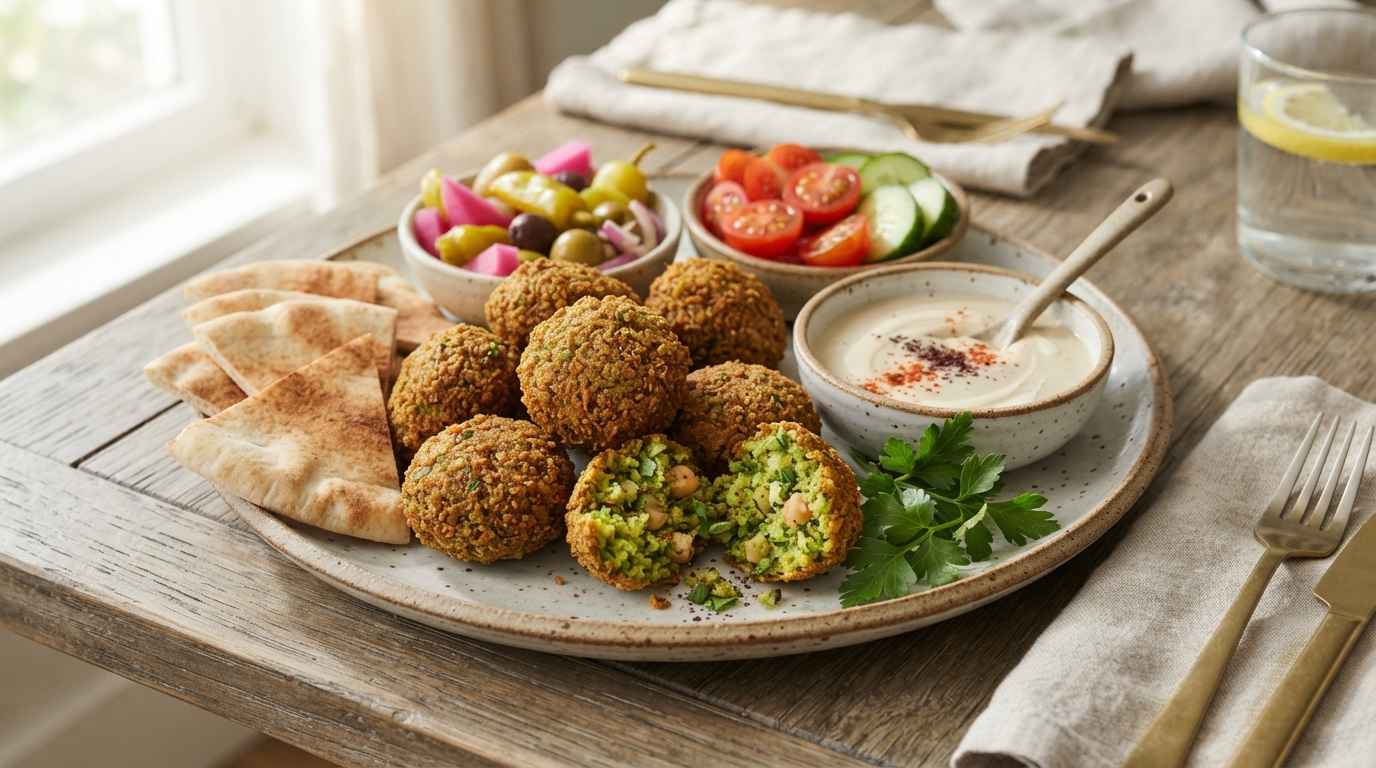
Falafel is one of the Middle East’s best-known street foods. These small, deep-fried balls or patties are commonly made from ground chickpeas or fava beans, mixed with herbs, garlic, onions, and spices.
Although recipes differ by country, falafel is especially popular as a vegetarian street-food option. It is often served inside pita bread with salad, pickles, tahini sauce, or hummus.
A good falafel has a crisp outer shell and a soft, fragrant interior filled with the flavors of parsley, coriander, cumin, and garlic.
Why try it? Falafel is affordable, satisfying, and easy to combine with fresh vegetables and sauces.
For a homemade version, use soaked dried chickpeas rather than cooked canned chickpeas to achieve a firmer texture. Blend them with herbs and seasonings, shape into small patties, and fry until thoroughly cooked and golden.
3. Mandi: Fragrant Rice with Tender Meat
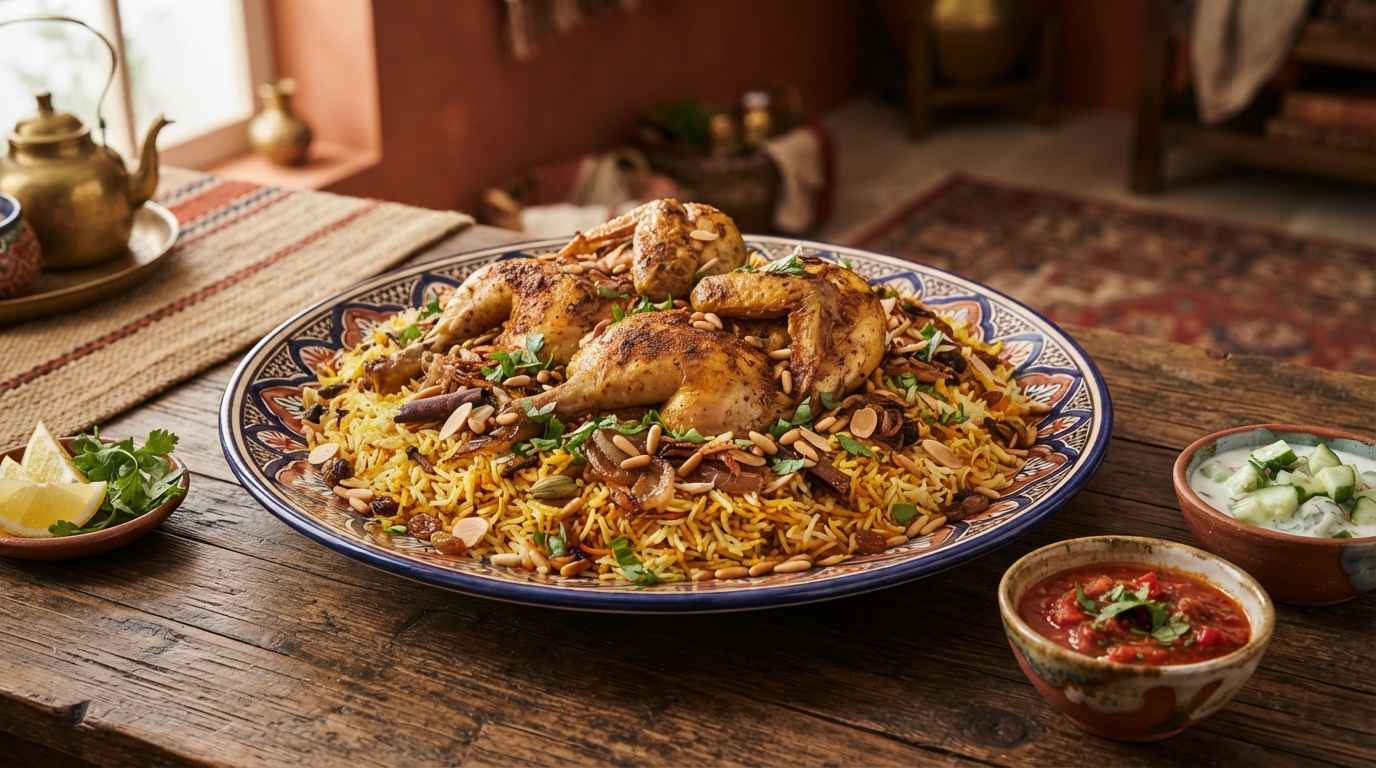
Mandi is a celebrated dish originating in Yemen and enjoyed throughout the Arabian Peninsula. Although it is often served as a family meal rather than a quick street snack, it is widely available at traditional restaurants and casual food shops.
The dish features fragrant long-grain rice served with tender chicken or lamb. Its distinctive flavor comes from aromatic spices and traditional cooking methods that can produce a subtle smoky character.
Cardamom, cloves, cinnamon, black pepper, and other seasonings contribute to its warm aroma. Traditional preparations may use a specialized underground oven, although home recipes commonly adapt the technique for conventional ovens and stovetops.
Mandi is usually presented on a large platter, with the meat arranged over the rice and sometimes accompanied by spicy tomato sauce.
Why try it? It showcases the Arabian tradition of transforming simple rice and meat into a fragrant, generous meal.
4. Sambousek: Golden Savory Pastries
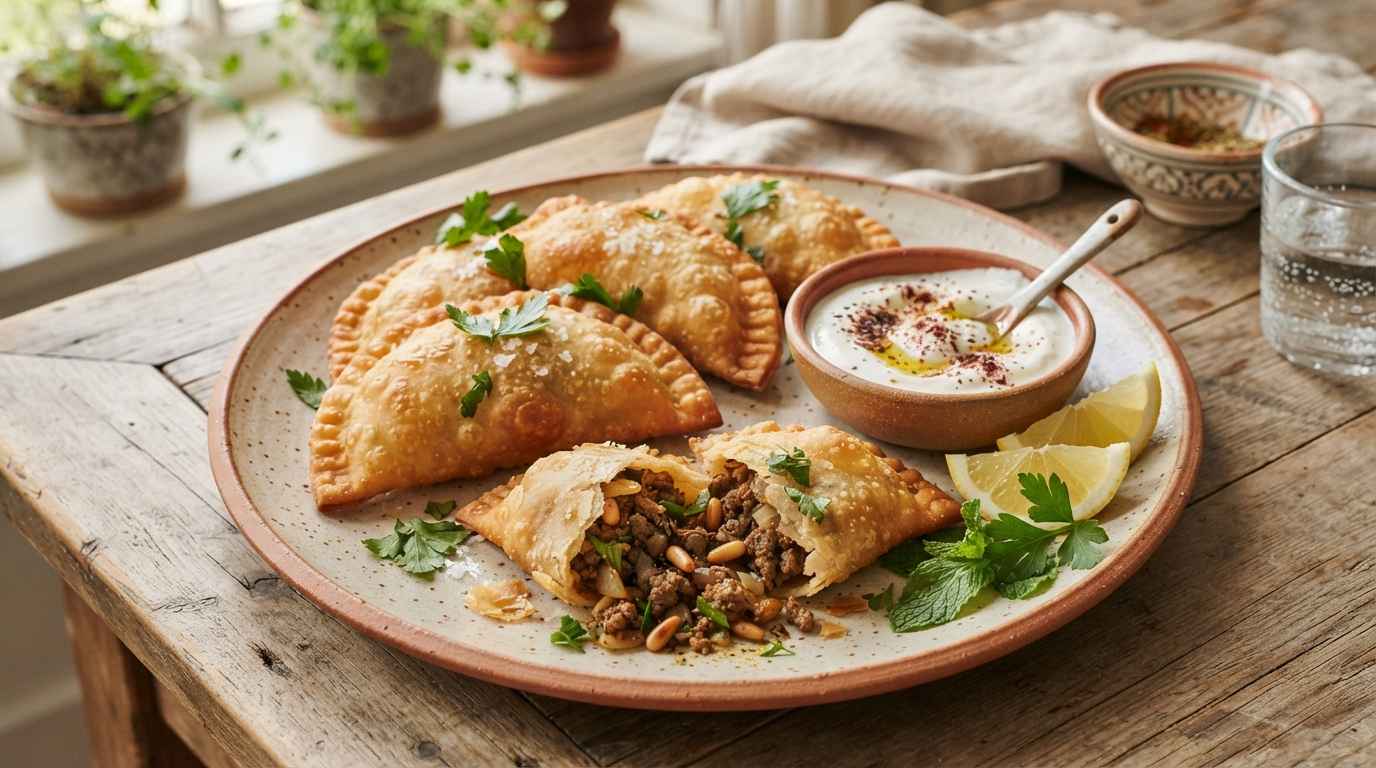
Sambousek is a popular Middle Eastern pastry filled with ingredients such as minced meat, cheese, or vegetables. Depending on the region and recipe, the pastries may be baked or fried.
Their small size makes them convenient appetizers and snacks. Meat-filled sambousek often combines minced lamb or beef with onions, black pepper, and warm spices, while cheese versions may include herbs.
During Ramadan, sambousek frequently appears on iftar tables alongside soups, salads, and other small dishes.
Why try it? Its crispy exterior and flavorful filling make it an excellent snack for any time of day.
To make it at home, fill small circles of pastry dough, fold them into semicircles, seal the edges carefully, and fry or bake until golden.
5. Manakish: The Middle Eastern Flatbread
Manakish is a beloved flatbread particularly associated with Levantine cuisine. Often enjoyed for breakfast or as a quick snack, it is topped with ingredients such as za’atar, cheese, or seasoned minced meat.
Za’atar manakish combines a fragrant mixture of herbs, sesame seeds, and spices with olive oil. The topping spreads across the dough before baking, producing a deliciously aromatic flatbread.
Cheese varieties offer a richer flavor, while minced-meat versions provide a more substantial meal.
Although manakish is more closely associated with the Levant than the Arabian Peninsula, it is widely enjoyed throughout the broader Middle Eastern region.
Why try it? It is simple, versatile, and perfect for anyone who enjoys fresh bread with bold seasoning.
Serve it warm with sliced tomatoes, cucumber, olives, or a cup of tea.
6. Shawarma: The Street-Food Classic
Even though this article explores food beyond shawarma, this famous dish deserves a place on the list because it remains an essential part of Middle Eastern street-food culture.
Shawarma is prepared by stacking seasoned meat on a vertical rotating spit. As the outside cooks, thin slices are shaved off and served in flatbread or wraps with sauces, pickles, and vegetables.
Chicken and beef are common options, while lamb is used in many traditional preparations. Garlic sauce is especially popular with chicken shawarma, while tahini-based sauces often accompany other varieties.
Each vendor has a distinctive marinade and combination of toppings, making shawarma a dish with countless variations.
Why try it? It combines juicy, spiced meat with tangy pickles, fresh vegetables, and creamy sauces in a convenient handheld meal.
For a home version, marinate thinly sliced meat with yogurt, lemon juice, garlic, and spices, then roast or pan-sear until fully cooked.
7. Luqaimat: Sweet Golden Dumplings
Arabian street food is not limited to savory dishes. Luqaimat are small, golden dumplings enjoyed particularly in Gulf countries, including Saudi Arabia and the United Arab Emirates.
Made from a soft yeast-based batter, these dumplings are fried until crisp outside and tender inside. They are commonly drizzled with date syrup or sugar syrup and may be sprinkled with sesame seeds.
Their light texture and sweet coating make them a favorite during Ramadan, festivals, and family gatherings.
Why try it? Luqaimat offers a delicious taste of traditional Arabian sweets in a small, shareable portion.
To prepare them at home, allow a yeast-based batter to rise, carefully fry small portions until golden, and finish with date syrup while still warm.
What Makes Arabian Street Food Special?
Arabian and Middle Eastern street foods are shaped by regional ingredients, local traditions, and centuries of culinary exchange. Some dishes highlight fragrant rice and slow-cooked meat, while others celebrate chickpeas, herbs, flatbreads, or sweet syrups.
Several ingredients appear repeatedly across these foods:
- Aromatic spices: Cumin, cardamom, coriander, cinnamon, and black pepper add depth and warmth.
- Fresh herbs: Parsley and coriander brighten savory fillings and dips.
- Flatbreads: Pita and other breads make it easy to serve food on the go.
- Dates and date syrup: These provide a distinctive sweetness in traditional desserts.
- Yogurt and tahini: Both create creamy sauces that balance spicy or savory flavors.
Street food also reflects the social side of eating. Whether buying a warm pastry from a small shop or sharing a platter of rice and meat, food is often an opportunity to connect with friends, family, and the local community.
Tips for Exploring Arabian Street Food
If you are trying these dishes for the first time, start with a combination of familiar and unfamiliar flavors. Falafel and sambousek are approachable choices, while mandi offers a deeper introduction to traditional Arabian rice dishes.
Look for freshly prepared food, particularly when ordering fried pastries or grilled meat. Ask about fillings and sauces if you have dietary restrictions, since recipes vary between vendors.
At home, choose one dish at a time and experiment with the seasonings. You do not need a large collection of special ingredients to begin exploring Middle Eastern cooking.
Discover a World of Arabian Flavors
Arabian street food is far more diverse than shawarma alone. From the crispy layers of mutabbaq and the herb-filled flavor of falafel to fragrant mandi rice and syrup-coated luqaimat, each dish offers a different glimpse into the region’s food traditions.
These recipes demonstrate how simple ingredients can become memorable meals through careful seasoning, traditional techniques, and a love of sharing food.
Whether you are planning a culinary adventure, exploring new recipes, or simply looking for your next favorite snack, these seven dishes are an excellent place to start.
Take a bite beyond the familiar, explore the rich flavors of Arabian cuisine, and discover the street-food traditions that make the Middle East such an exciting destination for food lovers.
Most Popular











Anaya
comment1