




For many, the kitchen is a sanctuary of culinary creation. For others, it's a battlefield where ingredients wage war and utensils launch surprise attacks. If you find yourself more often associated with flour clouds than fine dining, and a dropped egg is a common occurrence, welcome to the club. This post is for you – the gloriously clumsy cook.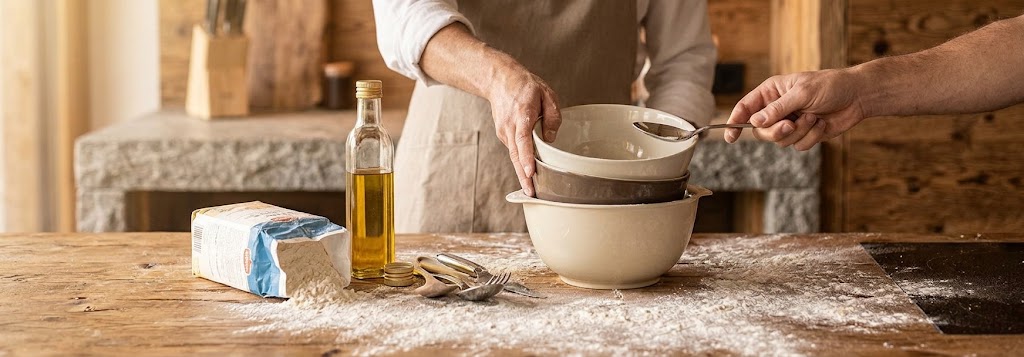
Why Clumsiness in the Kitchen Isn't the End of the World
Let's be honest, the world of cooking often showcases pristine kitchens and flawless execution. But reality is far messier. Clumsiness is a human trait, and it doesn't disqualify you from enjoying the process of cooking or the delicious results. In fact, embracing your less-than-graceful kitchen presence can actually lead to a more relaxed and enjoyable cooking experience. Instead of stressing over every dropped spoon, you can learn to laugh it off and focus on the joy of creating something edible, or even surprisingly delicious, despite the occasional mishap.
Strategies for the Accident-Prone Chef
While we might not be able to completely eliminate every trip and spill, there are certainly ways to mitigate the chaos and ensure your kitchen adventures are more successful (and less hazardous). Here are some professional tips for the clumsy cook:
Preparation is Key
The adage 'measure twice, cut once' takes on a whole new meaning for the clumsy. Before you even begin, make sure your workspace is clear and organized. Mise en place, the culinary term for having all your ingredients prepped and ready, is your best friend. Chop your vegetables, measure your spices, and have all your tools within easy reach. This reduces the need to scramble for something mid way through, which is often when accidents happen.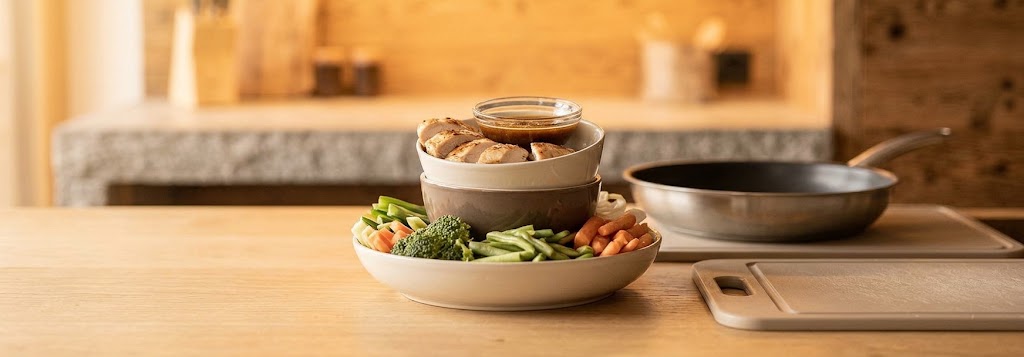
Invest in Practical Tools
You don't need a professional chef's arsenal, but a few well chosen tools can make a significant difference. Consider non slip cutting boards, spill proof containers for ingredients, and perhaps a splatter guard for your pans. Even a simple apron can save your clothes from inevitable splashes and stains, making you feel a bit more put together.
Embrace Simplicity
Complex recipes with many intricate steps are prime territory for culinary catastrophes. Start with simpler dishes that have fewer ingredients and more straightforward techniques. Mastering a few basic recipes can build your confidence and reduce the potential for errors. Think simple pasta dishes, roasted vegetables, or easy stir fries. Once you're comfortable, you can gradually introduce more challenging recipes.
Don't Be Afraid to Make Mistakes
Every chef, no matter how skilled, has made mistakes. A burnt dish or an over seasoned soup is a learning opportunity, not a culinary death sentence. Instead of dwelling on the error, try to understand what went wrong and how you can avoid it next time. Sometimes, a mistake can even lead to a delicious discovery. A little too much spice? Maybe it pairs surprisingly well with the sweetness of another ingredient.
Clean as You Go
This is perhaps the most crucial tip for any cook, but especially for the clumsy. A cluttered kitchen is a recipe for disaster. Wipe up spills as they happen, wash utensils as you finish with them, and keep your workspace tidy. This not only prevents further accidents but also makes the entire cooking process more pleasant and efficient.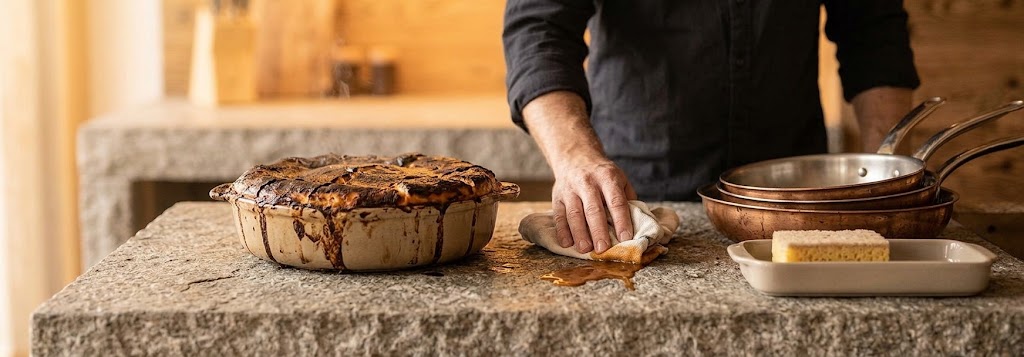
The Power of a Sense of Humor
Perhaps the most important tool in the clumsy cook's arsenal is a good sense of humor. Dropped a tomato on the floor? Spilled milk? Instead of despairing, take a deep breath, laugh it off, and clean it up. The kitchen should be a place of joy and creativity, not stress and anxiety. If you can approach your cooking with a lighthearted attitude, the inevitable mishaps will feel less like failures and more like amusing anecdotes.
Your Kitchen, Your Rules
Being a 'clumsy cook' doesn't mean you're a bad cook. It simply means you're human. By adopting a few practical strategies, investing in the right tools, and most importantly, cultivating a forgiving and humorous attitude, you can transform your kitchen from a potential hazard zone into a space where delicious food and fun memories are made. So, embrace the flour dust, the occasional dropped utensil, and the delightful chaos – your culinary journey is just beginning.
Most Popular











Anaya
comment1