



The Heart of French Cuisine A Rich Tapestry of Flavor
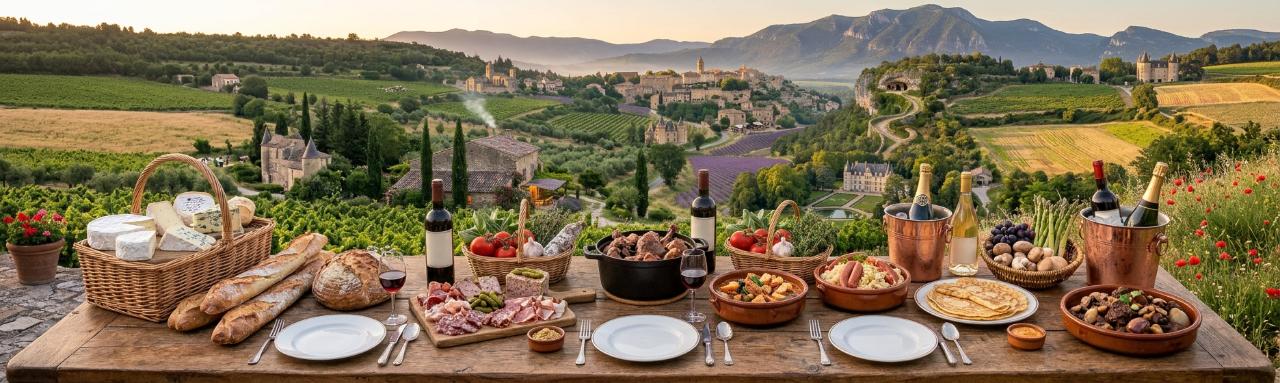
French food culture is a globally celebrated phenomenon, renowned for its sophistication, diversity, and profound impact on culinary arts worldwide. It is more than just sustenance; it is an integral part of French identity, woven into the fabric of daily life, social gatherings, and national pride. From the rustic charm of regional specialties to the refined elegance of haute cuisine, France offers a gastronomic landscape that continues to captivate and inspire.
The Pillars of French Gastronomy
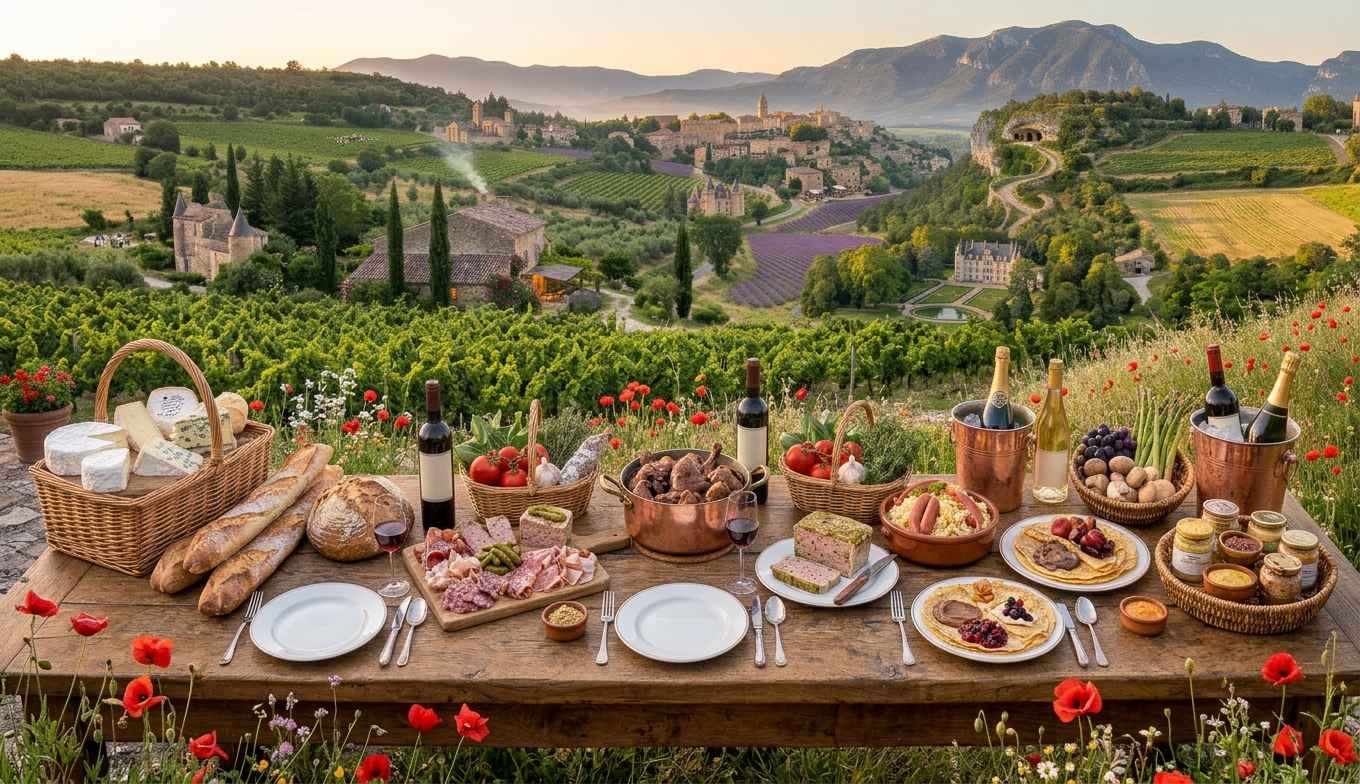
At its core, French cuisine is built upon a foundation of high quality ingredients, meticulous preparation, and a deep respect for seasonality. The French approach emphasizes fresh, locally sourced produce, meats, and dairy, allowing the natural flavors to shine. Key elements that define French food culture include:
1. Terroir and Seasonality
The concept of 'terroir' is paramount, referring to the unique environmental factors of a region that influence the taste and character of its food and wine. This includes soil, climate, and local traditions. Consequently, French cuisine is deeply tied to the seasons, with menus changing to reflect the freshest available ingredients. Whether it's asparagus in spring, tomatoes and corn in summer, or root vegetables and game in autumn and winter, seasonality dictates the culinary calendar.
2. Regional Diversity
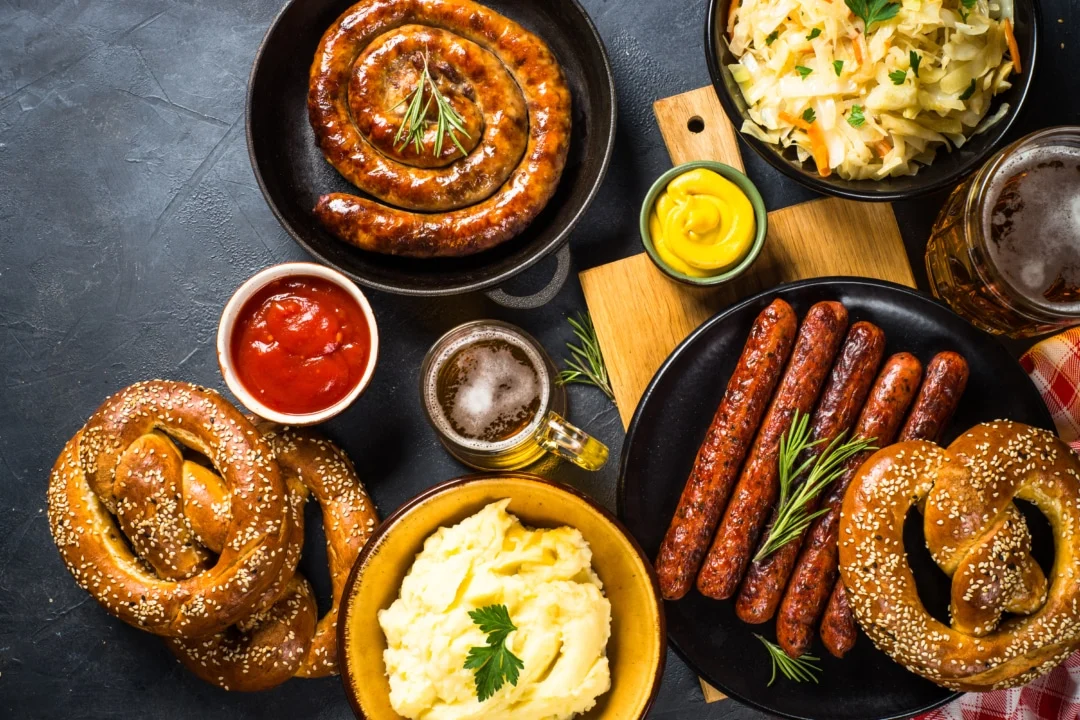
France is a country of distinct regions, each boasting its own unique culinary heritage. This diversity is a defining characteristic of French food culture. Normandy is known for its butter, cream, apples, and cider, while Provence offers sun kissed vegetables, olive oil, and fragrant herbs. Burgundy is famous for its rich stews and fine wines, and Alsace presents a fascinating blend of French and German influences with dishes like choucroute garnie and tarte flambée. This regional variation ensures an endless exploration of flavors and textures across the country.
3. The Art of Cooking
French cooking techniques are legendary and form the basis of many culinary schools worldwide. Classic methods such as sautéing, braising, poaching, and roasting are executed with precision. The emphasis on foundational sauces like béchamel, velouté, hollandaise, and espagnole highlights the technical mastery involved. Pastries, bread making, and cheese production are also highly developed crafts, reflecting a long-standing dedication to culinary excellence.
4. The Social Experience of Dining
Dining in France is often a leisurely, social affair. Meals are not rushed; they are opportunities to connect with loved ones, engage in conversation, and savor each moment. The tradition of the multi course meal, from appetizer (entrée) to main course (plat principal) and dessert (dessert), is a testament to this unhurried enjoyment. Even a simple baguette with cheese and wine can be elevated into a delightful communal experience.
5. Bread and Cheese: Staples of French Life
No discussion of French food culture is complete without mentioning bread and cheese. The baguette, a symbol of France, is a daily necessity, its crispy crust and soft interior a perfect accompaniment to any meal. France boasts an astounding array of over 1,000 varieties of cheese, each with its own distinct character and history. From soft and creamy Brie to sharp and crumbly Roquefort, cheese is a celebrated part of the French diet, often enjoyed as a separate course.
Modern French Cuisine: Evolution and Innovation
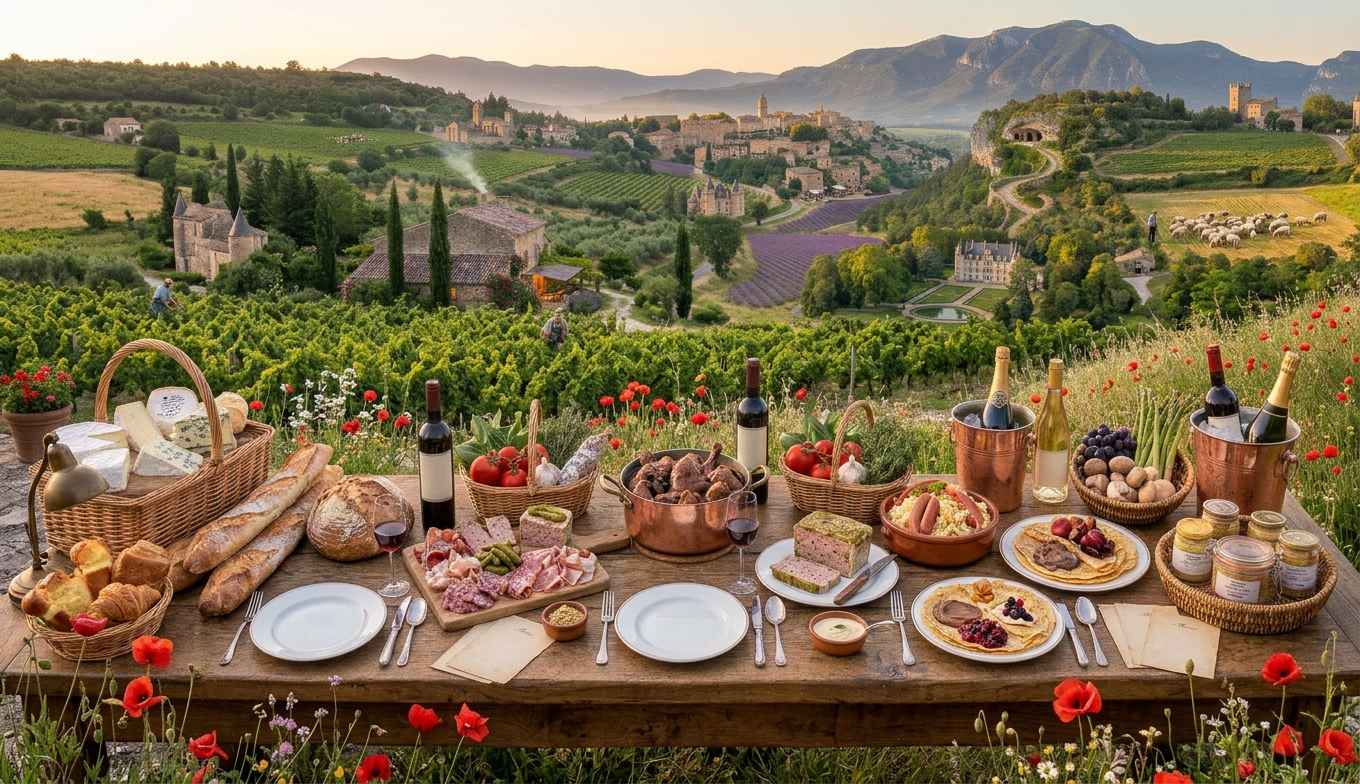
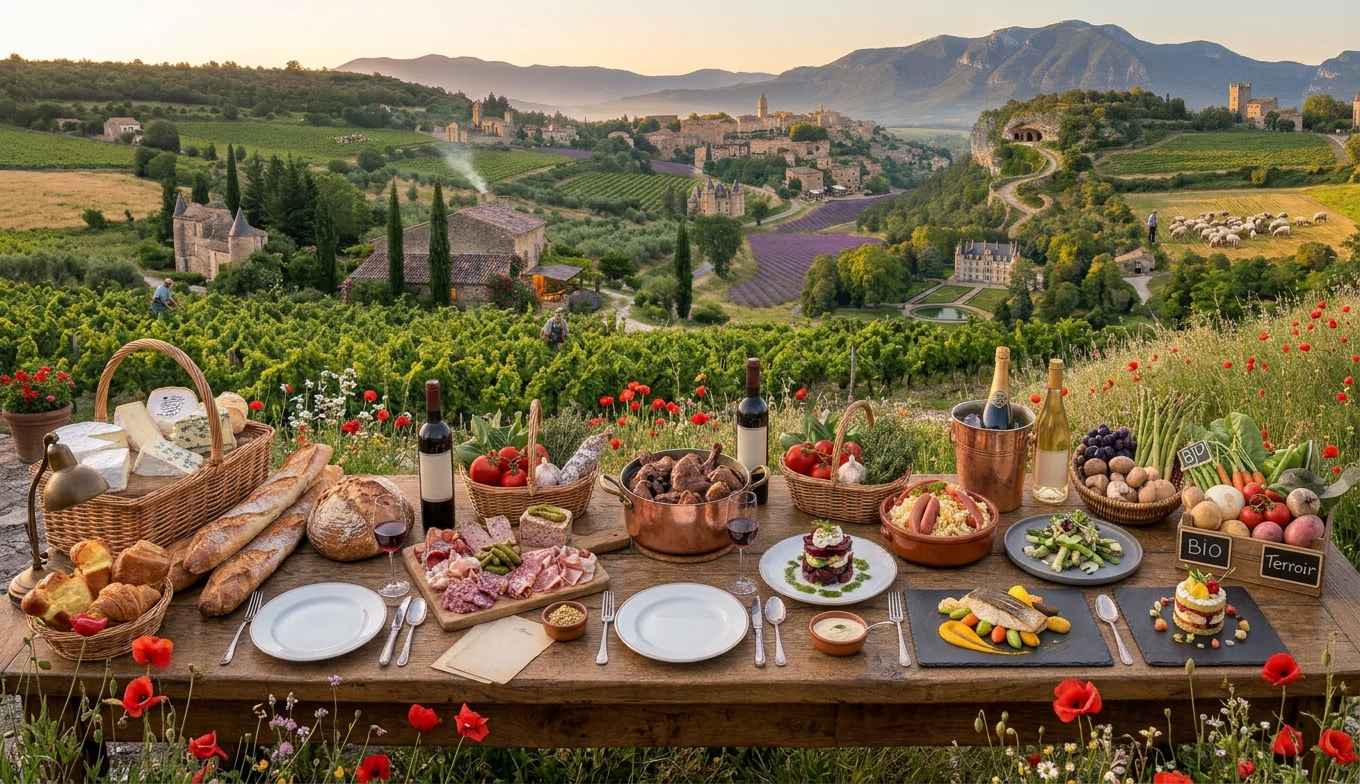
While deeply rooted in tradition, French cuisine is not static. Contemporary French chefs are constantly innovating, drawing inspiration from global influences while respecting classic techniques. Nouvelle cuisine, which emerged in the 1970s, emphasized lighter, fresher dishes and more artistic presentation. Today, there is a growing focus on sustainability, organic ingredients, and plant based options, reflecting evolving global culinary trends. Yet, the core principles of quality, flavor, and the joy of sharing food remain at the heart of French gastronomy.
A Culinary Legacy That Endures
French food culture is a vibrant and enduring testament to the power of food to enrich life. It is a celebration of quality ingredients, skillful execution, regional diversity, and the profound social connections that food fosters. Whether you are enjoying a simple picnic with a baguette and cheese or indulging in a multi course Michelin starred meal, the essence of French culinary artistry is an experience that lingers long after the last bite.
Most Popular








Anaya
comment1