



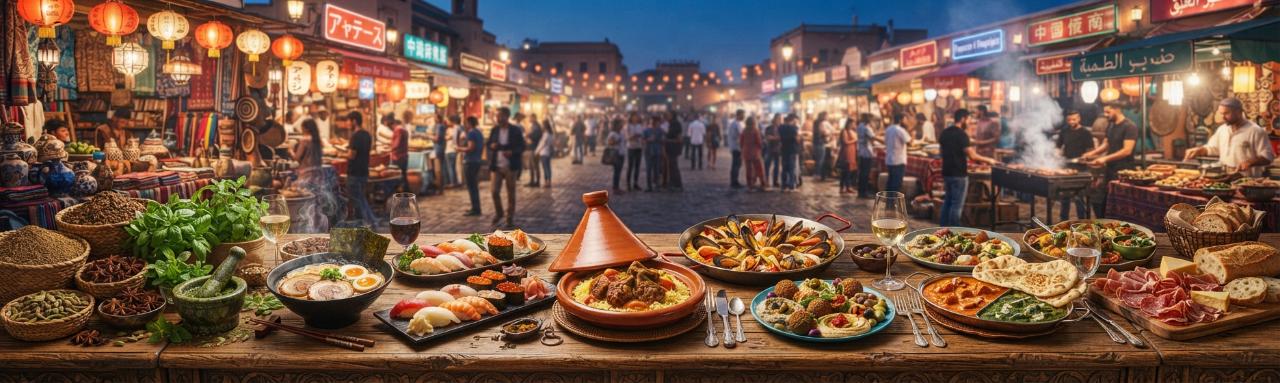
Every meal we savor is more than just a combination of ingredients; it's a narrative. From the humble origins of a spice to the elaborate preparations passed down through generations, food carries stories. These narratives are woven into the very fabric of cultures, reflecting history, geography, tradition, and human connection. Understanding these flavors allows us to embark on a deeper culinary journey, appreciating not just the taste but the rich tapestry of experiences that led to our plate.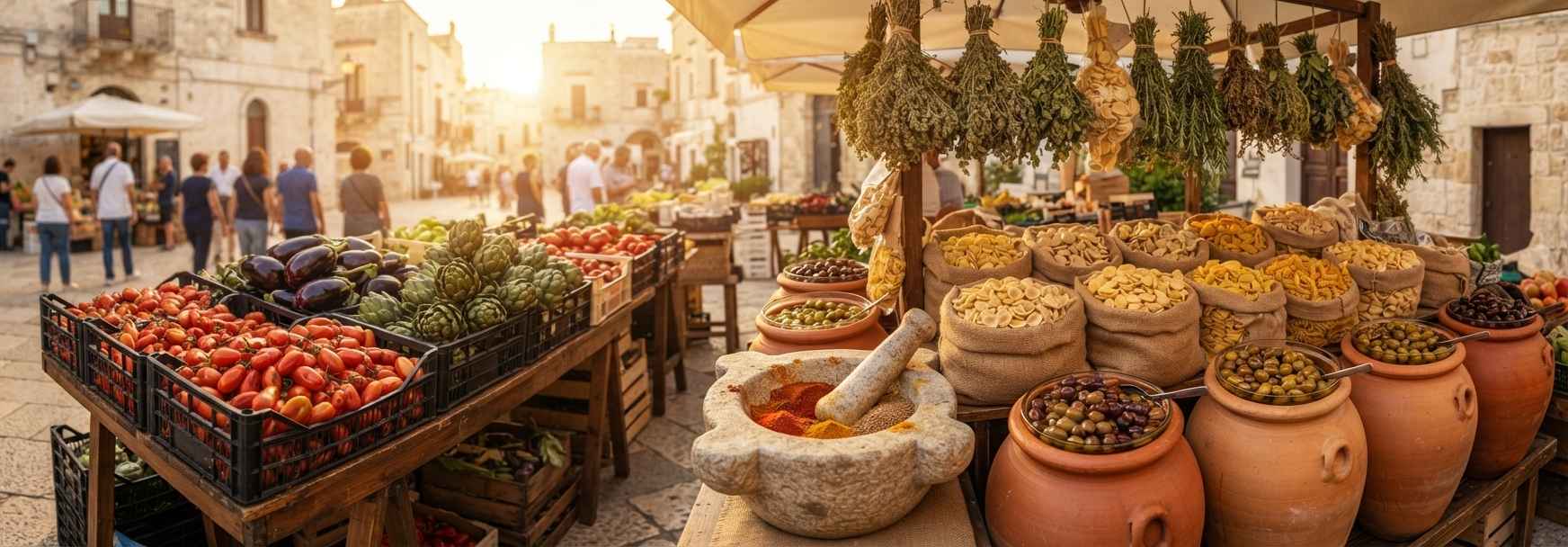
From Soil to Soul The Geography of Flavor
The land where food is grown profoundly influences its character. Think of the sun-drenched olives of the Mediterranean, imparting a robust, peppery note to oils, or the cool, moist climate of Ireland, ideal for cultivating tender lamb. The specific terroir, the unique combination of soil, climate, and topography, imbues ingredients with distinct qualities. Italian pasta, for instance, draws its exceptional texture and flavor from the durum wheat grown in its fertile plains, while the vibrant spices of India tell tales of ancient trade routes and diverse regional climates. Each region’s agricultural heritage is a chapter in the story of its cuisine.
Echoes of the Past Culinary Traditions and Heritage
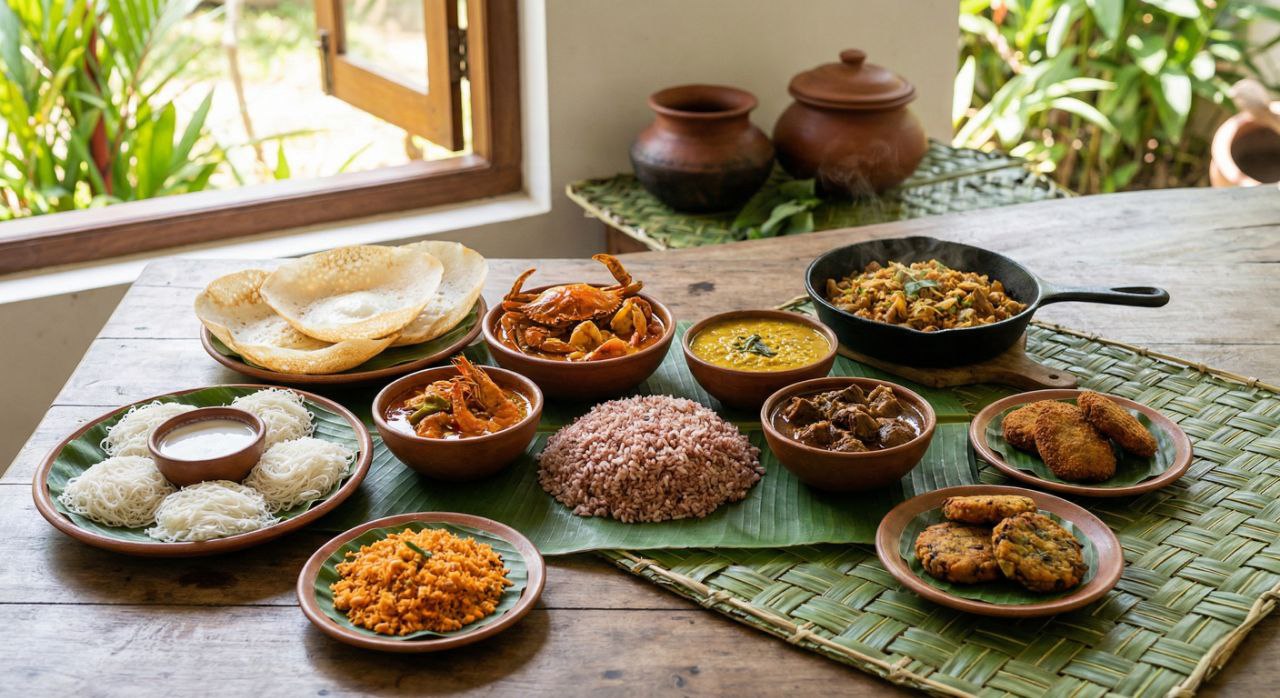
Culinary traditions are living histories. Recipes are not merely instructions; they are often the culmination of centuries of experimentation, adaptation, and cultural exchange. The intricate spice blends of Indian curries, developed over millennia, speak to a deep understanding of flavor profiles and their medicinal properties. French patisserie, with its meticulous techniques and emphasis on finesse, reflects a long-standing dedication to the art of baking. Similarly, the simple, hearty stews found in many cultures are often born from necessity, showcasing ingenuity in transforming basic ingredients into comforting and sustaining meals. These traditions are passed from generation to generation, carrying with them the wisdom and experiences of our ancestors.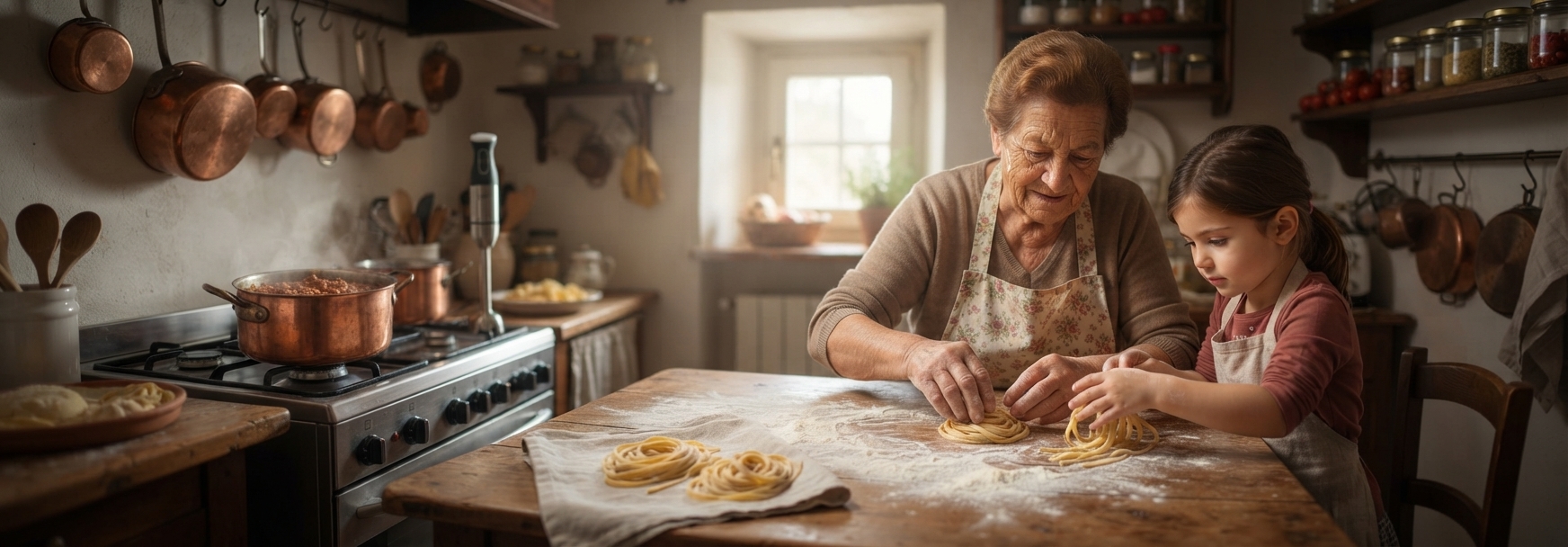
The Art of Creation Personal Stories and Innovation
Beyond heritage, individual chefs and home cooks contribute their own chapters to the story of food. The creative spark of a chef can transform familiar ingredients into something entirely new, driven by personal experiences, travels, and a desire to push culinary boundaries. A family recipe, perfected over years and shared at countless gatherings, tells a story of love, connection, and shared memories. Even a simple dish, prepared with personal care and attention, can convey a unique message. This element of personal innovation ensures that the culinary narrative is constantly evolving, incorporating fresh perspectives and contemporary influences.
A World on a Plate Connecting Through Taste
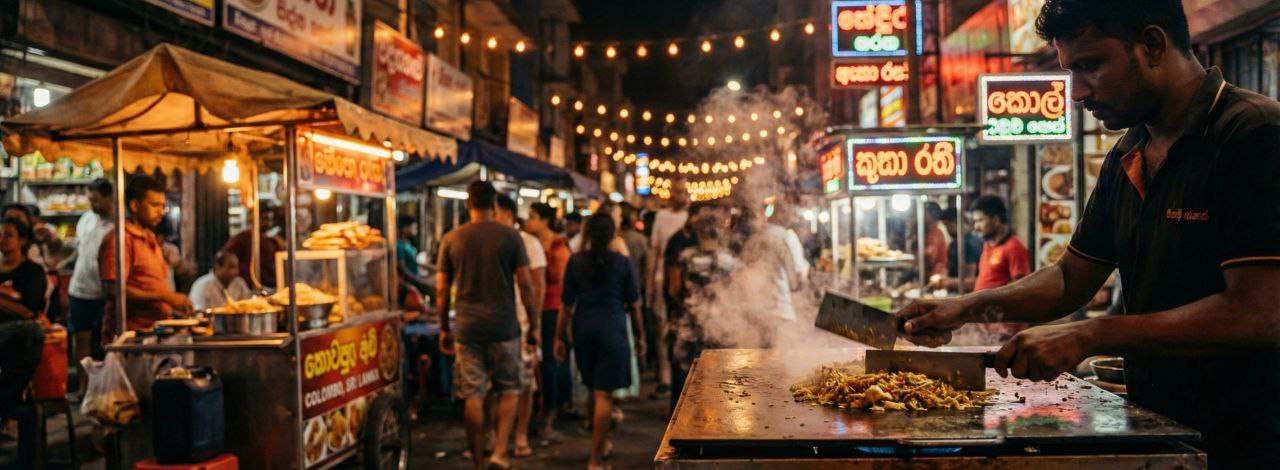
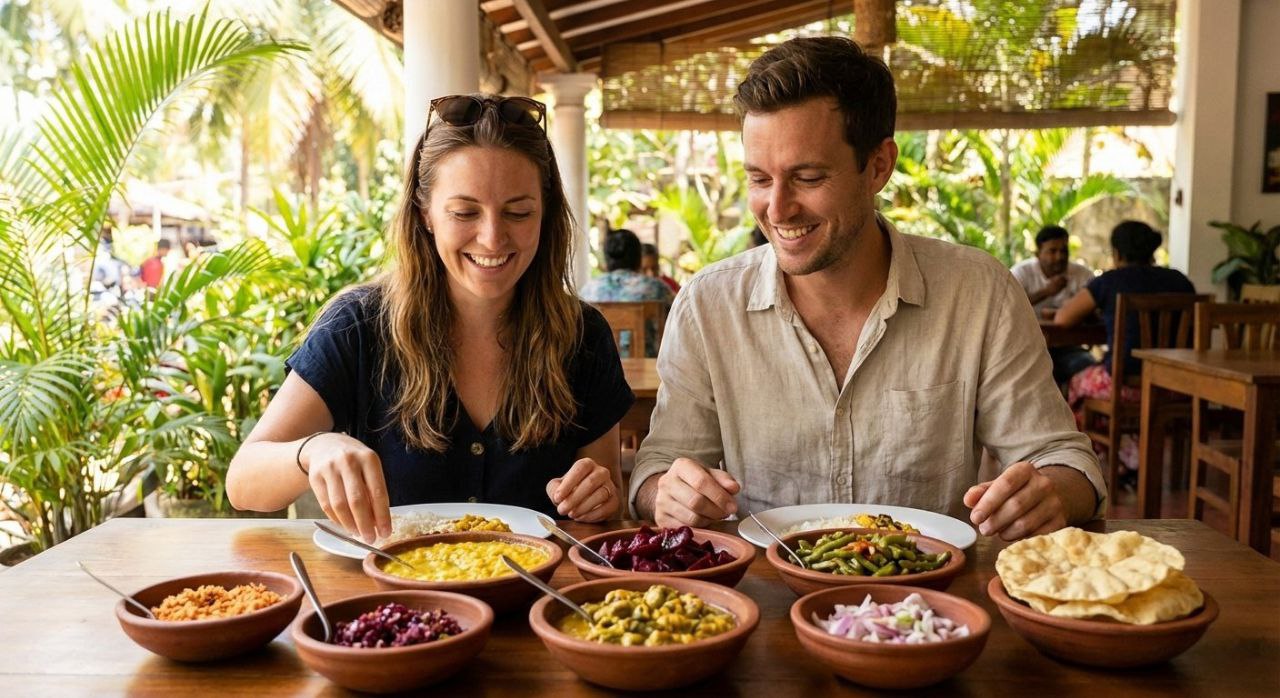
Food has an unparalleled ability to bridge divides and foster understanding. Sharing a meal is a universal act of hospitality and connection. When we explore the flavors of different cultures, we gain insight into their values, their celebrations, and their daily lives. From the communal joy of a family dinner to the bustling energy of a street food market, food experiences are intrinsically social. They create opportunities for conversation, for learning, and for building relationships. Each new flavor encountered is an invitation to understand another perspective, another way of living, ultimately enriching our own lives and broadening our appreciation for the diversity of human experience.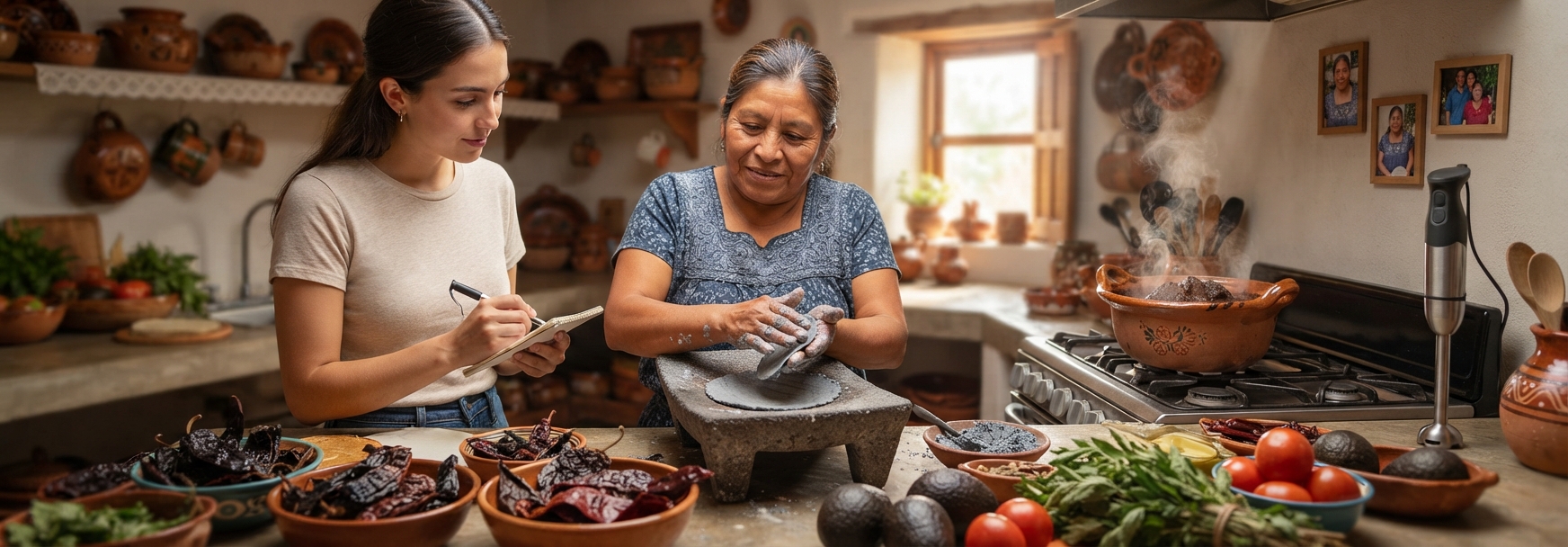
Embark on Your Own Flavorful Adventure
The next time you sit down to eat, take a moment to consider the story behind your meal. Where did the ingredients come from? What traditions might have influenced its preparation? What personal touches has the cook added? By engaging with these questions, you elevate your dining experience from mere sustenance to a profound exploration of history, culture, and connection. Let every bite be an adventure, a step further into the captivating world of flavors that tell a story.

Most Popular









Anaya
comment1