



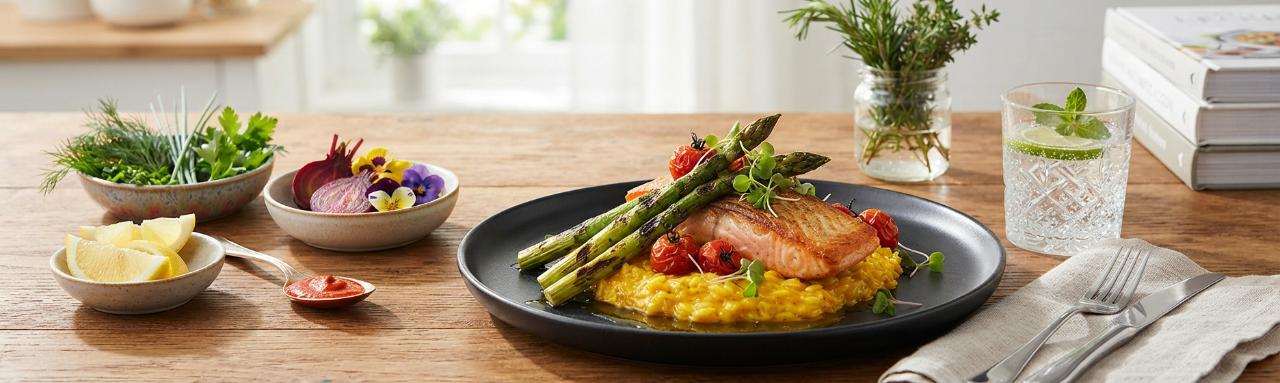
In today's visually driven world, the adage "we eat with our eyes first" has never been more relevant. Food is no longer just sustenance; it's an art form, a canvas for creativity, and a powerful medium for expression. "Food Made Beautiful" is about elevating everyday meals and special occasion dishes into aesthetically pleasing experiences that delight not only the palate but also the senses. This approach transforms cooking and dining from a routine necessity into an engaging, joyful, and often shareable ritual.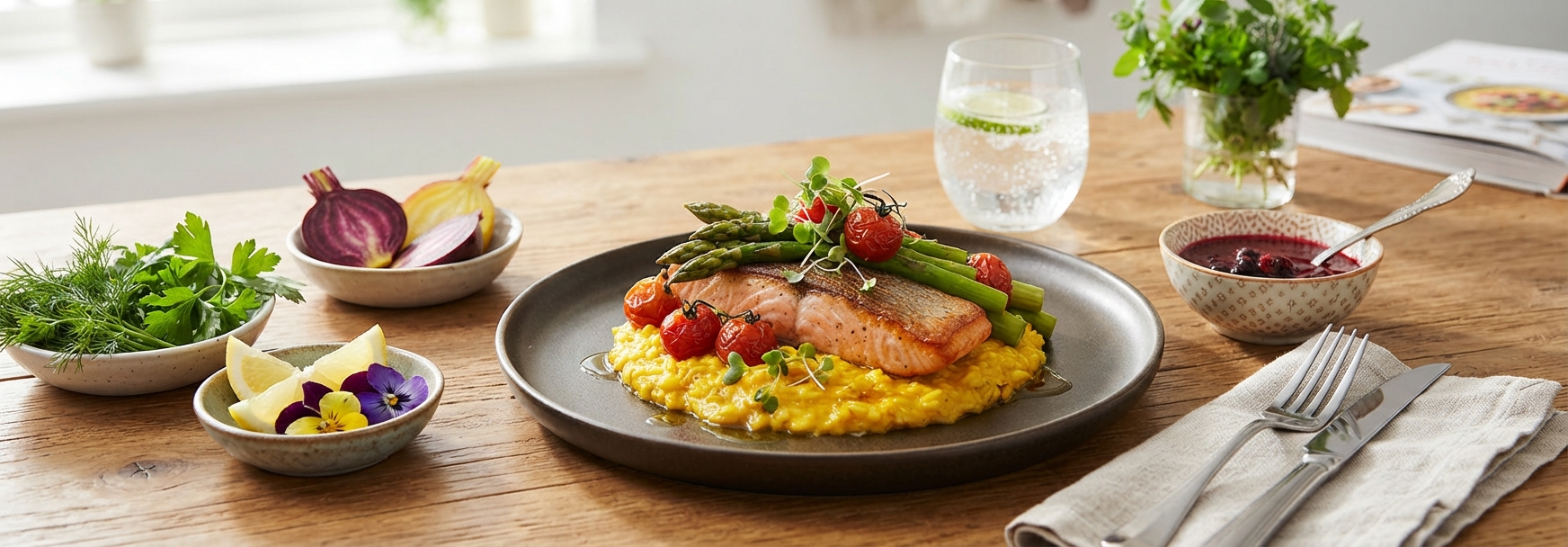
The journey of making food beautiful begins long before the first bite. It starts with the selection of ingredients, focusing on vibrant colors, fresh textures, and high quality. Think of the deep purple of a beetroot, the bright green of fresh herbs, or the sunny hue of a perfectly ripe lemon. These natural elements are the building blocks of visually stunning dishes. Beyond ingredients, the tools and techniques we employ play a crucial role. The right plating, the careful arrangement of components, and the addition of thoughtful garnishes can elevate a simple salad into a masterpiece.
The Art of Plating
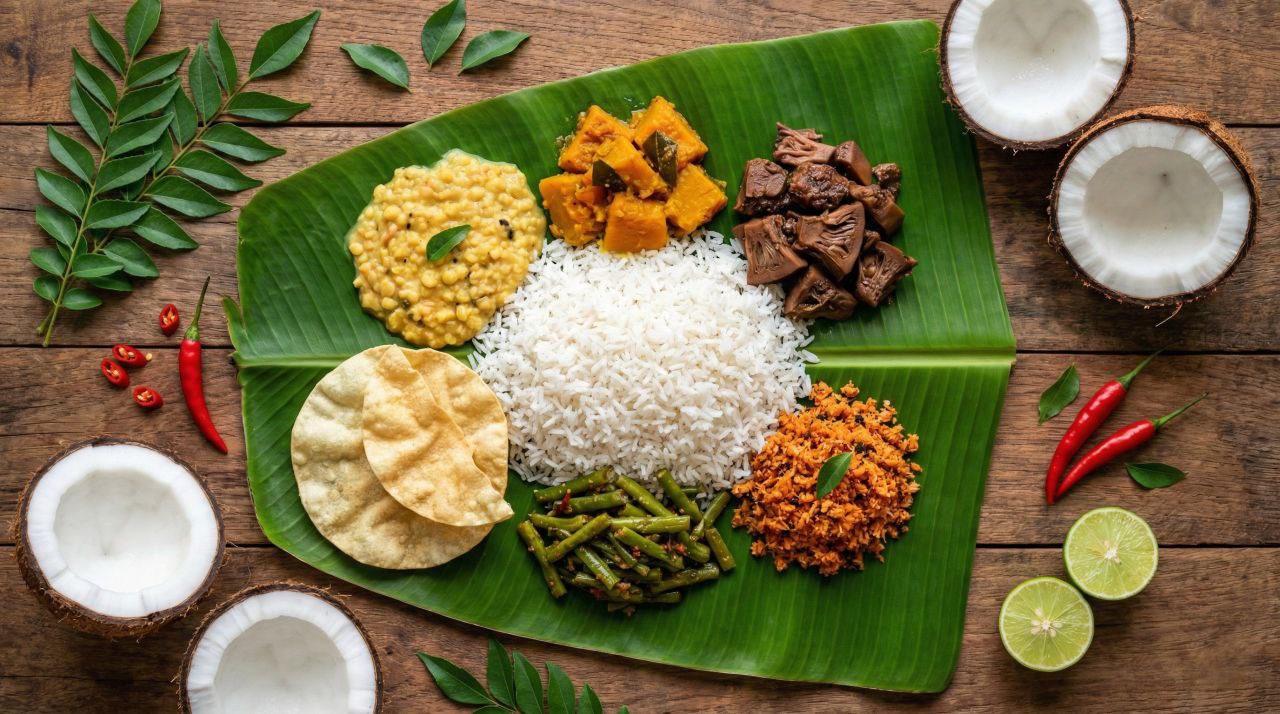
Plating is arguably the most direct way to make food beautiful. It's about composition, balance, and visual appeal. Consider the principles of art and design: rule of thirds, symmetry, asymmetry, color theory, and negative space. When plating, think about creating a focal point, using contrasting colors and textures, and ensuring a sense of harmony on the plate. For instance, a drizzle of balsamic glaze can add a touch of elegance to a Caprese salad, while a sprinkle of toasted sesame seeds can provide textural contrast and visual interest to a stir fry. Even simple garnishes like fresh mint leaves, edible flowers, or a dusting of paprika can add a professional polish.
Beyond aesthetics, plating also considers the diner's experience. The size and shape of the plate, the way the food is arranged, and the overall presentation should enhance the eating experience. A well-plated dish invites the diner to explore, savor, and appreciate the effort that has gone into its creation. It sets the stage for the meal, building anticipation and a sense of occasion.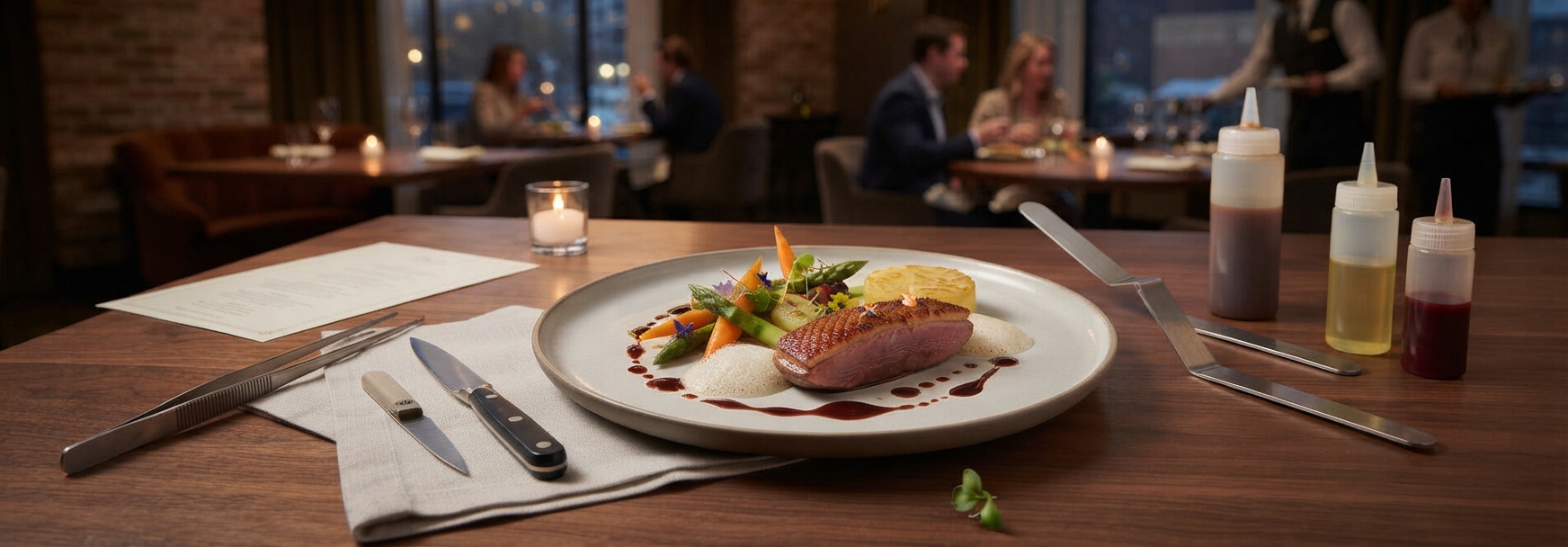
Color, Texture, and Flavor Harmony
The beauty of food lies in the interplay of its fundamental elements: color, texture, and flavor. When these are thoughtfully combined, they create a holistic sensory experience. A dish that is visually appealing often signals a harmonious blend of flavors and textures. For example, a dish with vibrant red tomatoes, crisp green lettuce, and creamy white mozzarella not only looks appealing but also promises a refreshing and satisfying taste combination.
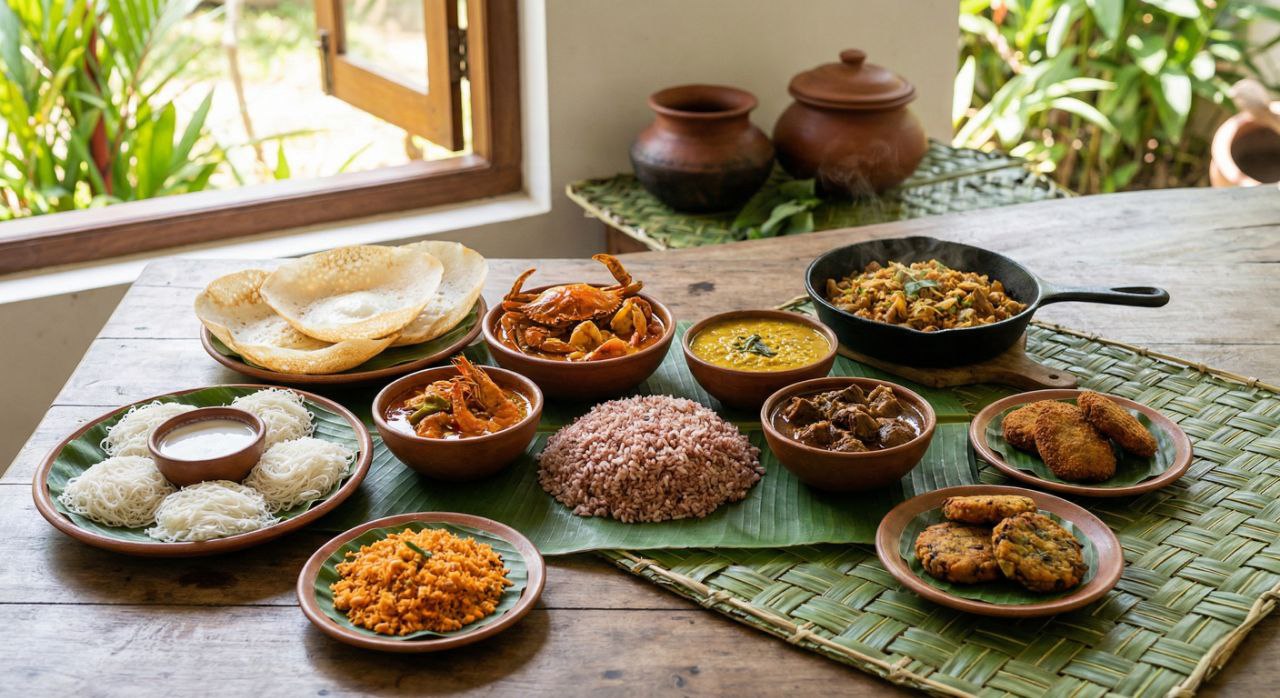
Incorporating a variety of textures is key to both visual appeal and eating enjoyment. The crunch of roasted vegetables, the creaminess of a sauce, the tenderness of a perfectly cooked protein, and the slight chew of artisanal bread all contribute to a more dynamic and interesting dish. Visually, these textural variations can be highlighted through careful preparation and presentation. A scattering of crispy fried shallots over a rich curry, or a swirl of vibrant pesto on a creamy pasta, adds both visual and tactile appeal.
The Role of Tools and Techniques
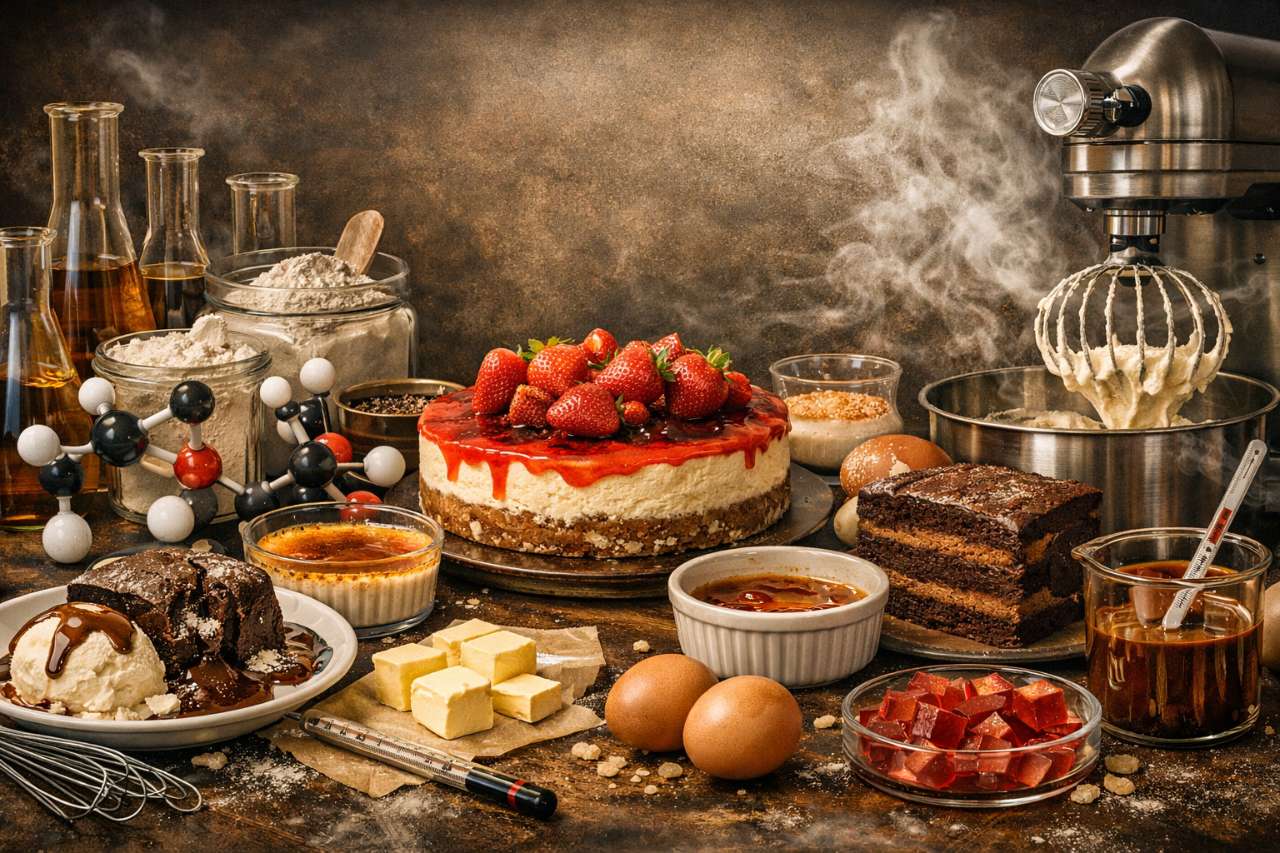
The tools and techniques used in food preparation significantly impact the final visual outcome. From specialized knives for intricate vegetable cuts to the precise use of piping bags for decorative elements, the right equipment can unlock new levels of culinary artistry. Techniques such as searing, grilling, and roasting can create beautiful char marks and caramelized surfaces, adding depth and visual richness. Sous vide cooking, while often associated with precision, also allows for perfectly uniform textures that can be visually appealing when plated correctly.
Even simple techniques like emulsifying a dressing or creating a foam can add a refined touch to a dish. The presentation of these elements, whether a delicate swirl or a light, airy topping, contributes to the overall aesthetic. Embracing culinary science and art can lead to surprising and beautiful results.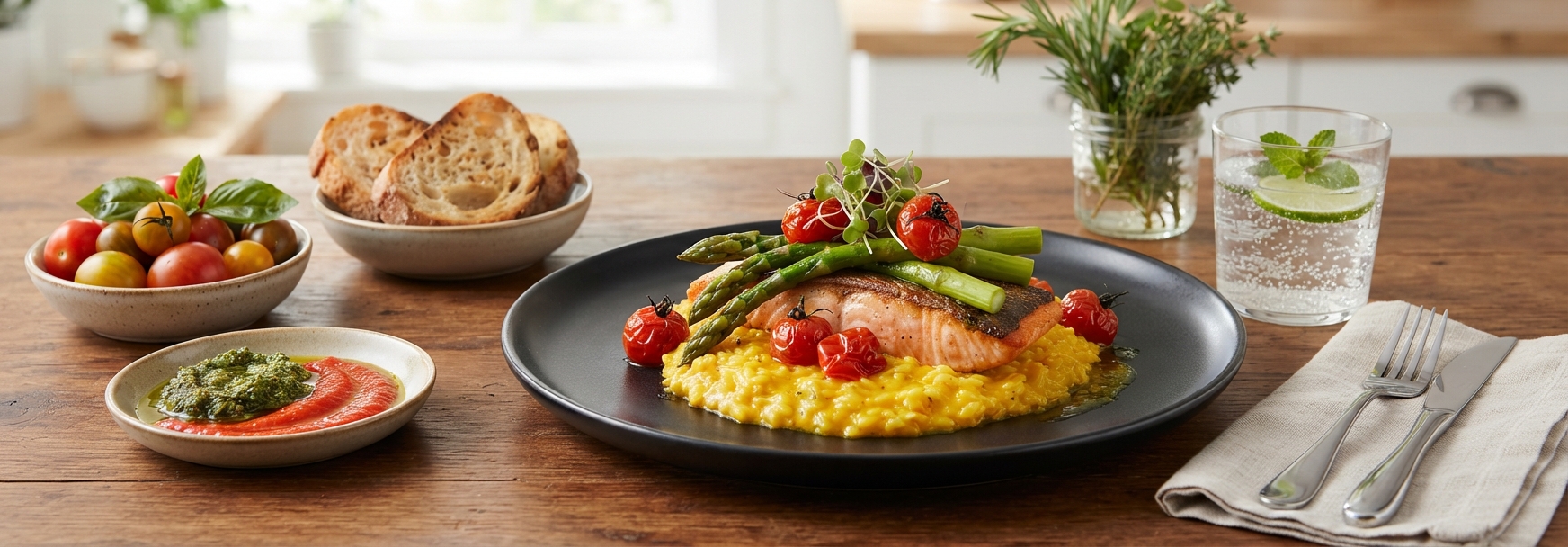
The Dining Environment
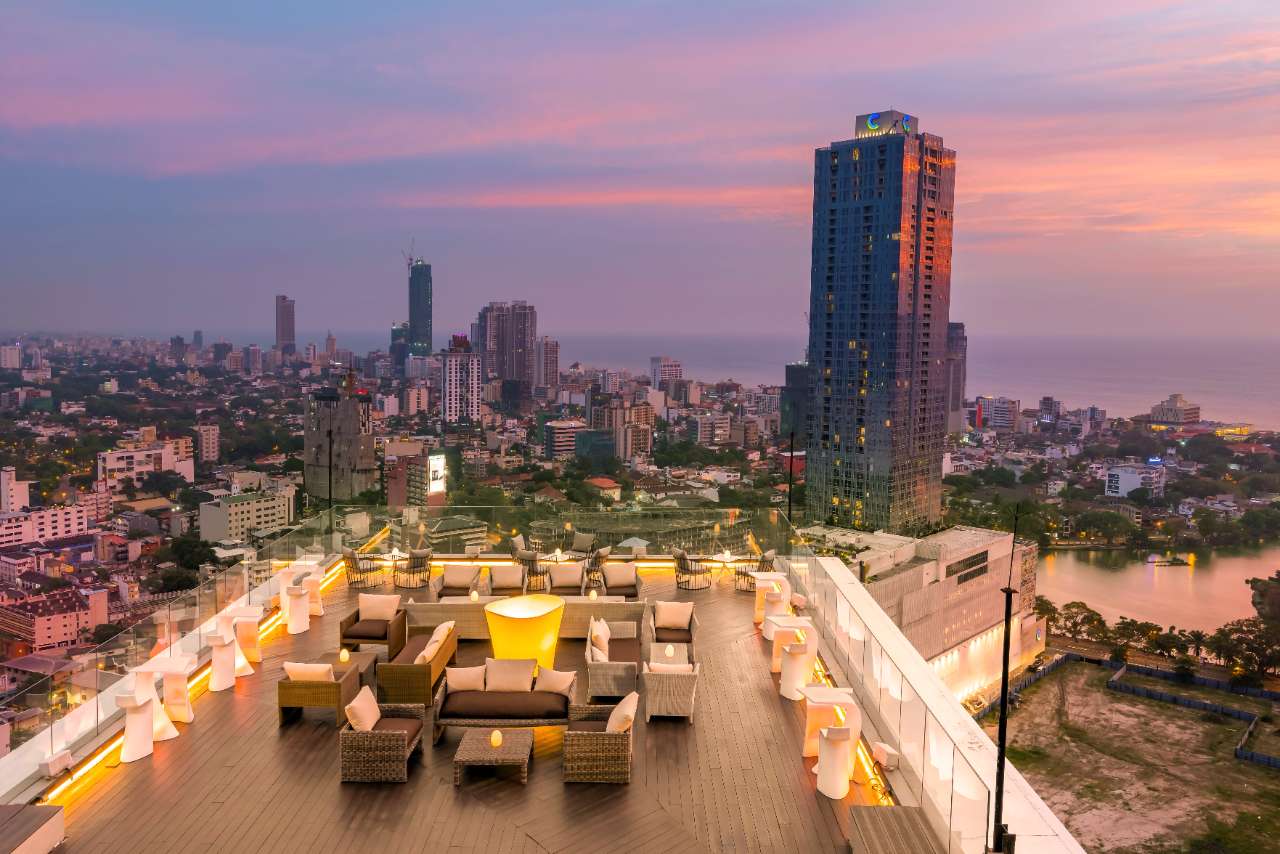
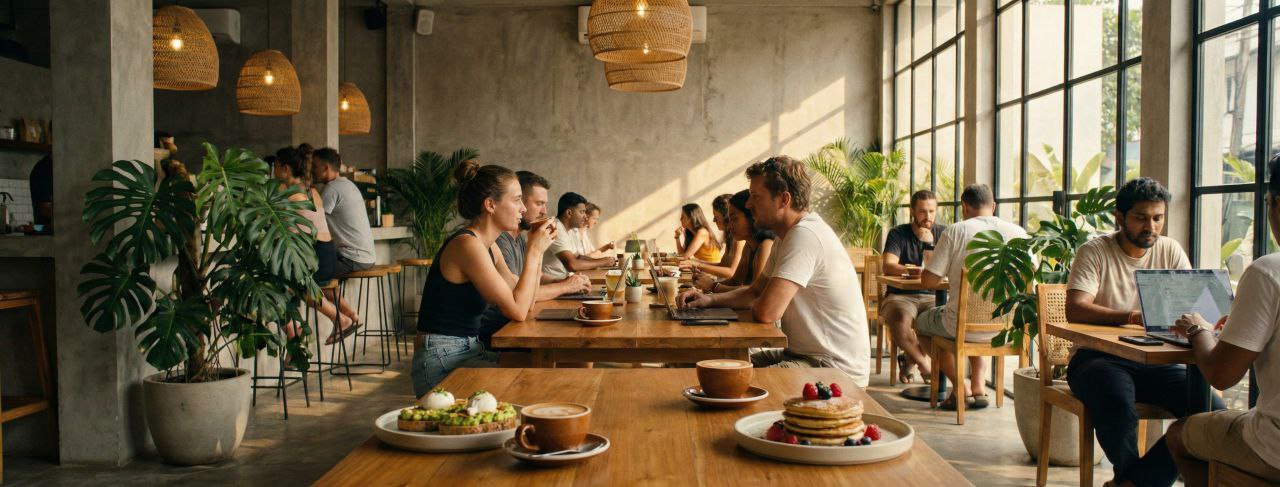
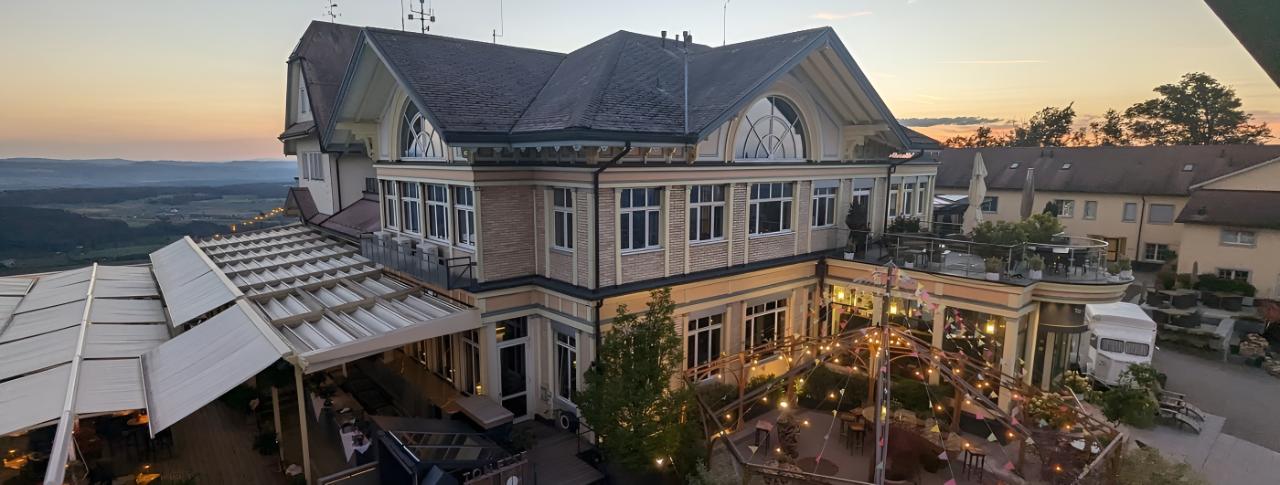
While the focus is often on the food itself, the environment in which it is served also contributes to its perceived beauty and the overall dining experience. Thoughtful table settings, ambient lighting, and even the background music can enhance the visual appeal of the meal. Creating a cohesive and inviting atmosphere elevates the act of eating into a memorable event. This holistic approach recognizes that dining is a multi sensory experience, where every detail matters.
Making food beautiful is an accessible and rewarding practice for anyone who enjoys cooking and sharing meals. It's about paying attention to the details, celebrating fresh ingredients, and applying a touch of creativity. By focusing on plating, color, texture, and flavor, and by employing thoughtful techniques, we can transform our culinary creations into works of art. This not only enhances our own enjoyment of food but also creates more memorable and delightful experiences for those we share it with. Food made beautiful is a testament to the artistry inherent in cooking and a celebration of the joy that delicious, visually appealing food can bring into our lives.
Most Popular





Anaya
comment1