




An Introduction to Sri Lanka's Culinary Allure
Take a moment and picture this: a vibrant island nation nestled in the Indian Ocean, kissed by warm breezes and steeped in a history as rich and complex as its cuisine. That, my friends, is Sri Lanka. For centuries, this teardrop shaped island has been a coveted stop on trade routes, not just for its precious gems and tea, but for its intoxicating array of spices. These aromatic treasures, nurtured by fertile volcanic soil and a tropical climate, have long been the heartbeat of Sri Lankan cooking. But what if I told you these same flavors are now making waves far beyond the island's shores, quietly but surely influencing the way we eat around the globe?

It’s a fascinating culinary evolution, isn’t it? From the nuanced heat of its chilies to the sweet warmth of Ceylon cinnamon, Sri Lankan ingredients and cooking techniques are weaving their way into the fabric of global gastronomy. This isn’t just about adding a new spice to the mix; it’s about a broader appreciation for the depth, balance, and sheer deliciousness that Sri Lankan food offers. Join me as we explore how this small island's big flavors are leaving an indelible mark on kitchens worldwide.
The Spice Rack That Conquered the World
Sri Lanka, often referred to as Ceylon in its colonial past, has a spice legacy that’s legendary. For millennia, traders flocked to its shores, drawn by the promise of peppercorns, cloves, nutmeg, and most famously, cinnamon. But it’s not just about the raw ingredients; it’s how they are used. Sri Lankan cuisine is a masterclass in blending these spices, creating complex flavor profiles that are both bold and harmonious.

The Reign of Ceylon Cinnamon
When we talk about Sri Lankan spices, Ceylon cinnamon is often the undisputed king. Unlike the more common cassia cinnamon, Ceylon cinnamon, also known as 'true' cinnamon, has a delicate, sweet, and citrusy aroma. Its subtle complexity makes it incredibly versatile. Chefs and home cooks are discovering that Ceylon cinnamon isn't just for apple pies or holiday baking anymore. It’s being infused into savory dishes, adding an unexpected layer of warmth to stews, curries, and even grilled meats. Its ability to lend a sophisticated sweetness without overpowering other ingredients is making it a sought-after ingredient in high-end restaurants and artisanal food products. You'll find it enhancing everything from chocolate creations to complex rubs for barbecue.
Beyond Cinnamon: A Symphony of Spices
But Sri Lanka’s spice repertoire doesn’t end with cinnamon. Think of the sharp, pungent kick of black pepper, cultivated in the island’s highlands. Sri Lankan pepper is renowned for its quality and its distinct flavor. Then there are the warming notes of cloves and cardamom, the earthy depth of coriander and cumin, and the subtle heat of various chilies. These aren't just standalone spices; they are integral components of Sri Lankan spice blends, known as 'masalas' or 'curry powders'.
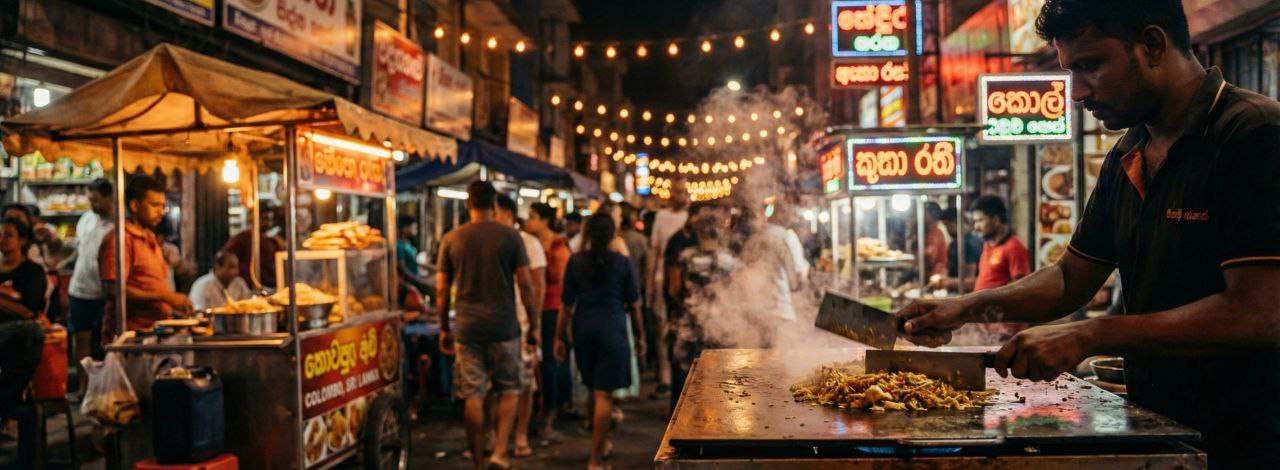
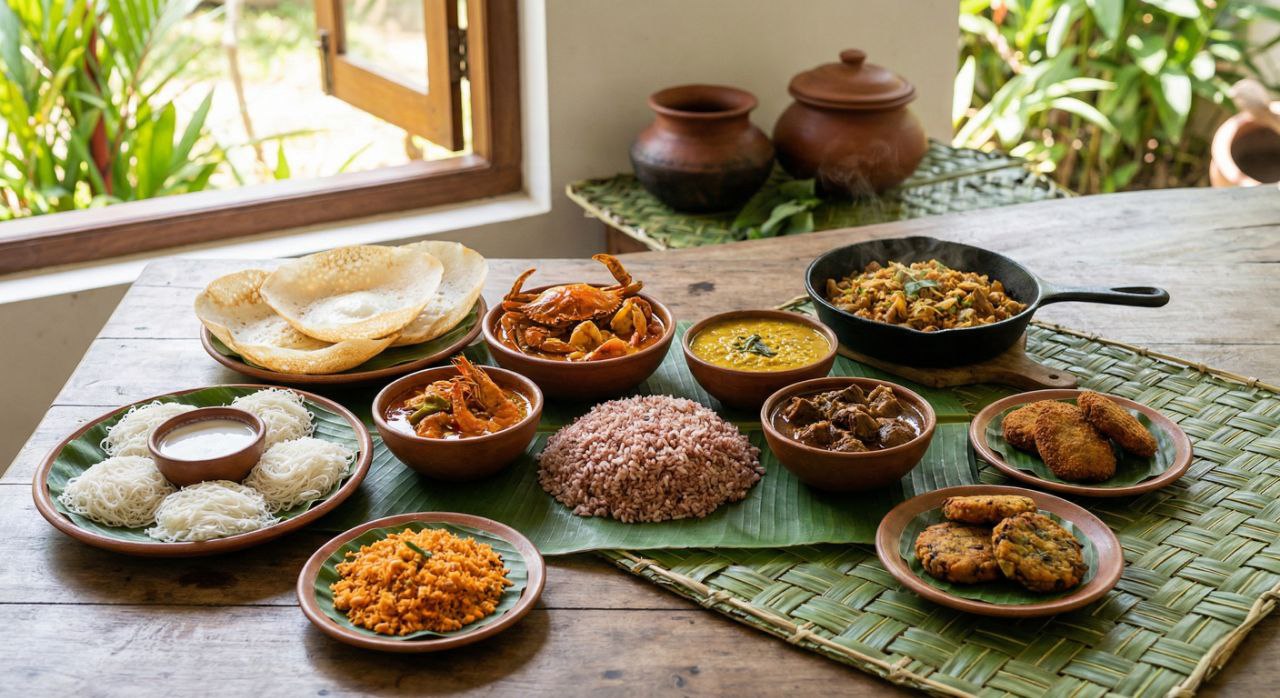
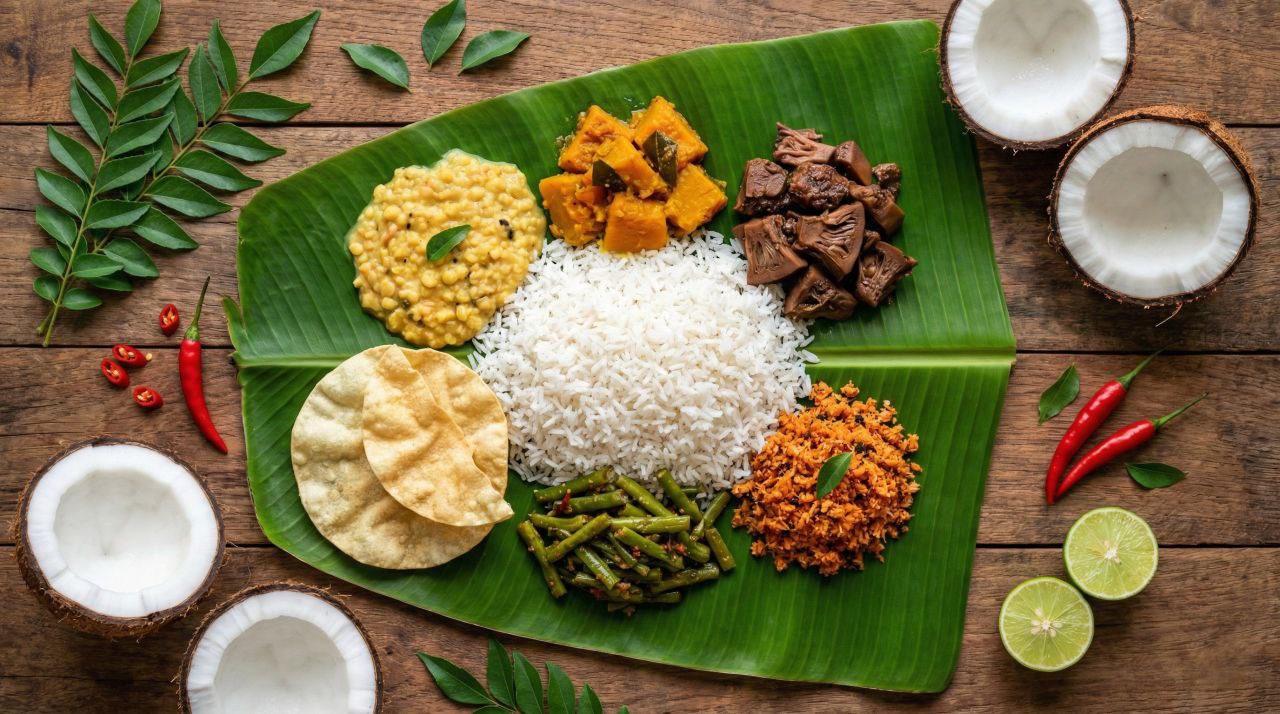
These blends are meticulously crafted, often passed down through generations. They create the foundational flavors of Sri Lankan dishes, from the iconic rice and curry to the crispy hoppers and flavorful kottu roti. As more people experience authentic Sri Lankan food, they begin to understand the art of layering these spices to achieve that perfect balance of heat, aroma, and taste. This understanding is translating into kitchens globally, with chefs experimenting with similar spice layering techniques in their own cuisines.

The Unmistakable Influence on Global Palates
So, how exactly are these island flavors seeping into the global culinary scene? It's a multifaceted influence, driven by a few key factors.
The Rise of 'Authenticity' in Dining
In recent years, there’s been a significant shift in consumer demand. People are no longer satisfied with generic interpretations of ethnic foods. They crave authenticity. This has led to a surge in interest in regional cuisines, and Sri Lankan food, with its unique heritage and vibrant flavors, has naturally captured attention. Food bloggers, travel shows, and adventurous diners are all playing a part in bringing Sri Lankan dishes and their constituent flavors to a wider audience.
This desire for authenticity means that chefs are increasingly looking to source specific ingredients and learn traditional techniques. Sri Lankan restaurants, once a niche offering, are becoming more mainstream. As these establishments introduce diners to dishes rich with curry leaves, pandan leaves, tamarind, and a kaleidoscope of spices, they are educating palates and inspiring culinary creativity.
Fusion and Adaptation: Sri Lankan Flavors in New Forms
It’s not just about replicating Sri Lankan dishes perfectly; it's also about how these flavors are being adapted and integrated into other culinary traditions. Chefs are finding innovative ways to incorporate Sri Lankan spice blends into Western dishes, or using Sri Lankan ingredients in unexpected combinations. Imagine a smoky Sri Lankan spiced barbecue sauce, or a ceviche with a hint of tamarind and curry leaves, or even a sophisticated dessert infused with Ceylon cinnamon and cardamom.
This culinary fusion is a testament to the adaptability and appeal of Sri Lankan flavors. The warmth of ginger, the citrusy notes of lemongrass, the subtle bitterness of fenugreek, and the fragrant aroma of nutmeg are finding new homes on plates that might have traditionally featured very different flavor profiles. This cross pollination enriches both cuisines, leading to exciting new taste experiences.

The Health and Wellness Connection
There’s also a growing awareness of the health benefits associated with many of the spices used in Sri Lankan cooking. Turmeric, for instance, with its anti-inflammatory properties, is a staple in Sri Lankan cuisine and has gained global recognition for its health advantages. Other spices like ginger, garlic, and black pepper are also celebrated for their medicinal qualities. As consumers become more health conscious, they are naturally drawn to cuisines that emphasize fresh ingredients and natural spices, further boosting the appeal of Sri Lankan flavors.
Spotlight on Key Sri Lankan Ingredients Making Global Strides
Let’s delve a little deeper into some of the specific ingredients that are championing Sri Lankan cuisine on the world stage.
The Versatility of Curry Leaves
Often overlooked, the curry leaf is a powerhouse of aroma and flavor in Sri Lankan cooking. Its distinct, pungent, slightly nutty scent is unlike any other herb. Used generously in tempering spices (a process called 'tadka' or 'wanduru' in Sri Lanka), they release an incredible fragrance that forms the base of many curries and stir-fries. Chefs are now using curry leaves not just in their traditional role, but also to infuse oils, create flavored salts, and even garnish dishes for an aromatic flourish. Their unique flavor profile is proving irresistible to global palates.
The Tangy Charm of Tamarind
Tamarind, a fruit that provides a sweet and sour tang, is another cornerstone of Sri Lankan cuisine. It’s used to add depth and complexity to curries, sauces, and drinks. Its natural acidity cuts through rich flavors, adding a refreshing counterpoint. As global cuisine embraces more complex sour and umami notes, tamarind’s distinctive profile is becoming increasingly popular. It's showing up in marinades, dressings, and even in desserts, offering a taste of the tropics that’s both exotic and approachable.
The Fiery Kick of Sri Lankan Chilies
Sri Lanka cultivates a variety of chilies, each with its own unique heat level and flavor. From the mild and aromatic to the intensely fiery, these chilies are essential to adding that characteristic Sri Lankan warmth. As the world becomes more adventurous with spice, the nuanced heat of Sri Lankan chilies is finding its way into hot sauces, chili oils, and spice blends, offering a different kind of heat that’s often accompanied by a rich aroma.

The Future of Sri Lankan Flavors in Global Cuisine
Looking ahead, the influence of Sri Lankan flavors on global cuisine is only set to grow. The island’s unique culinary identity, characterized by its aromatic spices, fresh ingredients, and vibrant flavor combinations, offers a treasure trove of inspiration for chefs and food enthusiasts alike.
As culinary boundaries continue to blur and the world embraces a more diverse and adventurous approach to food, Sri Lanka’s contribution will undoubtedly become even more prominent. Whether it's through the subtle warmth of Ceylon cinnamon in a European pastry, the tangy kick of tamarind in an American barbecue sauce, or the fragrant aroma of curry leaves in an Asian fusion dish, the flavors of this enchanting island are here to stay, enriching our plates and exciting our senses with every bite.

Conclusion: A Taste of Paradise on Every Plate
Sri Lanka’s journey from a humble island nation to a culinary influencer is a testament to the universal language of deliciousness. The spices, the techniques, and the sheer passion that goes into Sri Lankan cooking are captivating palates worldwide. It’s a story of how tradition meets innovation, and how the rich heritage of one culture can bring so much joy and flavor to so many others.
So, the next time you find yourself exploring a new restaurant menu or experimenting in your own kitchen, keep an eye out for those distinctive Sri Lankan flavors. You might just discover your new favorite taste sensation. The island’s culinary spirit is indeed spreading, one delicious dish at a time, proving that even the smallest of places can have the biggest impact on the global table.

Most Popular








Anaya
comment1