



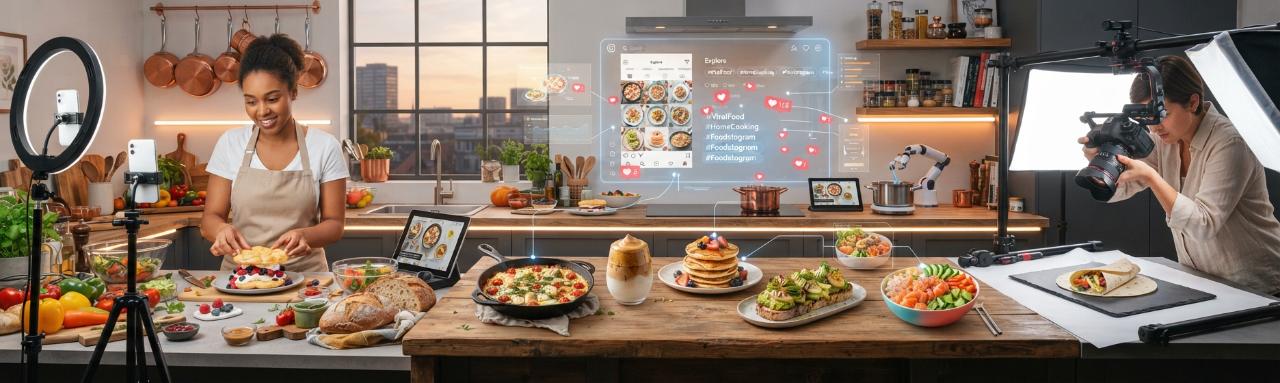
The Digital Kitchen: How the Internet Cooks Up Culinary Craze
In today's hyper connected world, the kitchen has become a stage, and social media platforms are the audience. Viral food trends and internet famous recipes are no longer fleeting moments; they are a powerful force shaping our culinary landscape, influencing what we cook, what we eat, and even what we aspire to create. From visually stunning creations that break the internet to comforting classics reimagined with a unique twist, these digital darlings have democratized recipe sharing and sparked a global conversation around food.
The Anatomy of a Viral Recipe
What makes a recipe go viral? It's a potent blend of simplicity, visual appeal, and a touch of novelty. Often, these recipes are surprisingly easy to recreate, making them accessible to home cooks of all skill levels. Think of the "baked feta pasta" or the "dalgona coffee" – simple ingredients, straightforward steps, and a guaranteed impressive result. The visual element is paramount; bright colors, appealing textures, and photogenic plating are key. Platforms like TikTok, Instagram, and YouTube thrive on visually engaging content, and food is no exception. A well shot video or a captivating photo can be the catalyst for millions of shares and recreations.
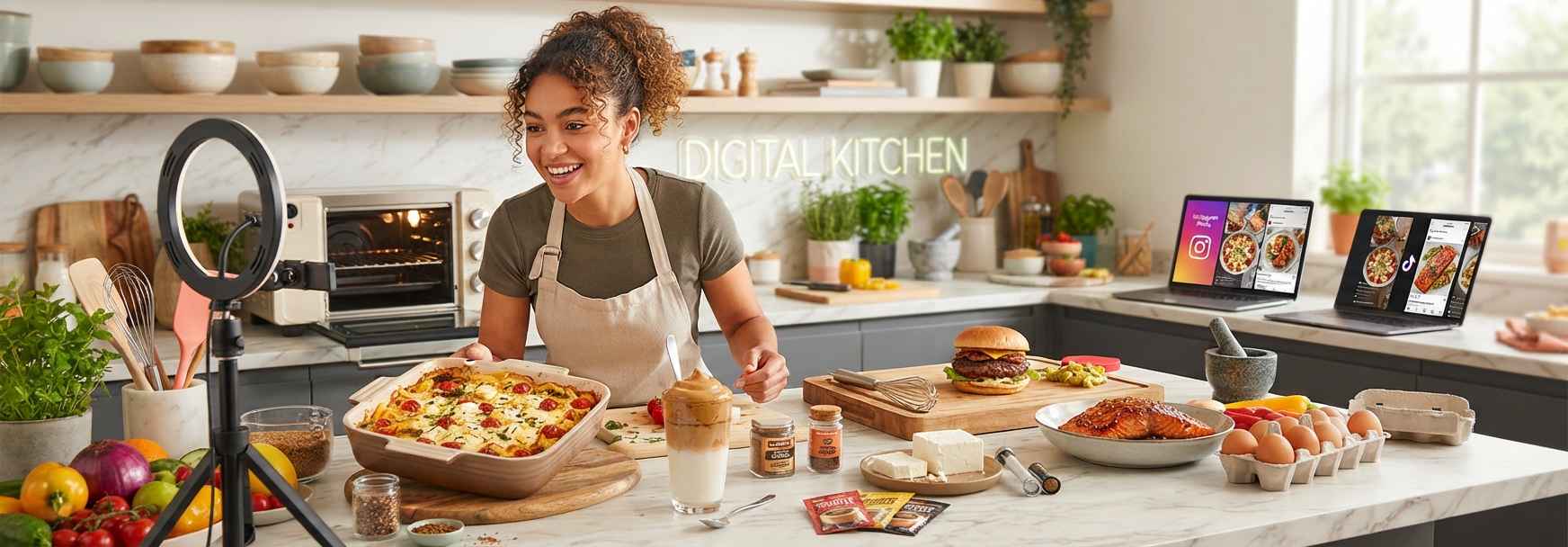
Beyond the technical aspects, there's an element of shared experience. When a recipe goes viral, it creates a sense of community. People are not just cooking; they are participating in a global culinary event. Sharing their own attempts, variations, and successes fosters a connection and encourages further exploration. This collective enthusiasm fuels the trend, ensuring its longevity and reach.
Notable Viral Sensations and Their Impact
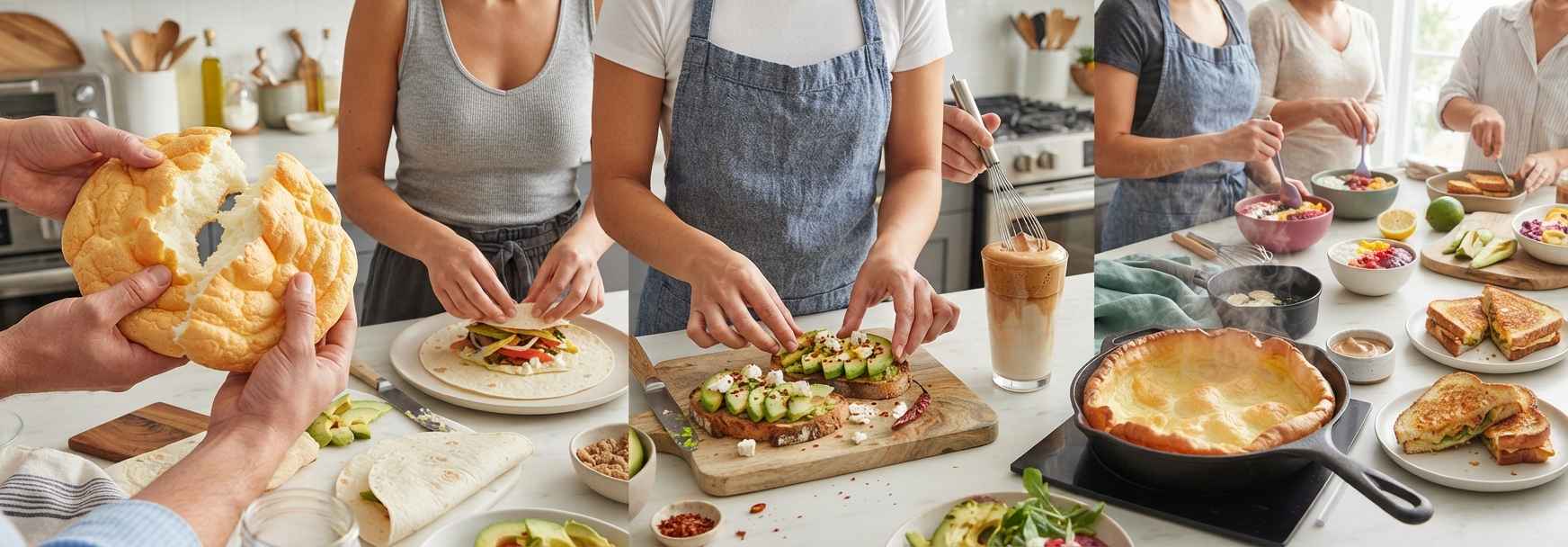
The history of internet food trends is rich and varied. We've seen the rise of cloud bread, the reign of avocado toast, the obsession with Dutch baby pancakes, and the delightful chaos of tortilla hacks. Each trend, while sometimes short lived, leaves its mark. They introduce us to new ingredients, cooking techniques, and flavor combinations. For instance, the dalgona coffee craze introduced many to the art of whipped coffee, while the various "bowl" trends, from smoothie bowls to poke bowls, popularized healthy and customizable meal options.
These trends also highlight the adaptability of classic dishes. The humble grilled cheese sandwich, for example, has been transformed into gourmet creations with exotic cheeses and unexpected fillings, proving that even the simplest of foods can be elevated through creativity and internet buzz.
Navigating the Viral Food Landscape
For home cooks, the allure of viral recipes lies in their promise of culinary adventure without the risk. They offer an accessible entry point into new cuisines and techniques. However, it's important to approach these trends with a discerning eye. While many are genuinely delicious and fun to make, some may prioritize aesthetics over taste, or rely on ingredients that are not readily available. The key is to adapt and personalize. If a viral recipe sparks your interest, don't be afraid to experiment with it, making it your own.
Furthermore, these trends often serve as a gateway to deeper culinary exploration. The popularity of a particular dish might lead someone to explore the broader cuisine from which it originates, fostering a more profound appreciation for global food traditions.
The Future of Food on the Internet
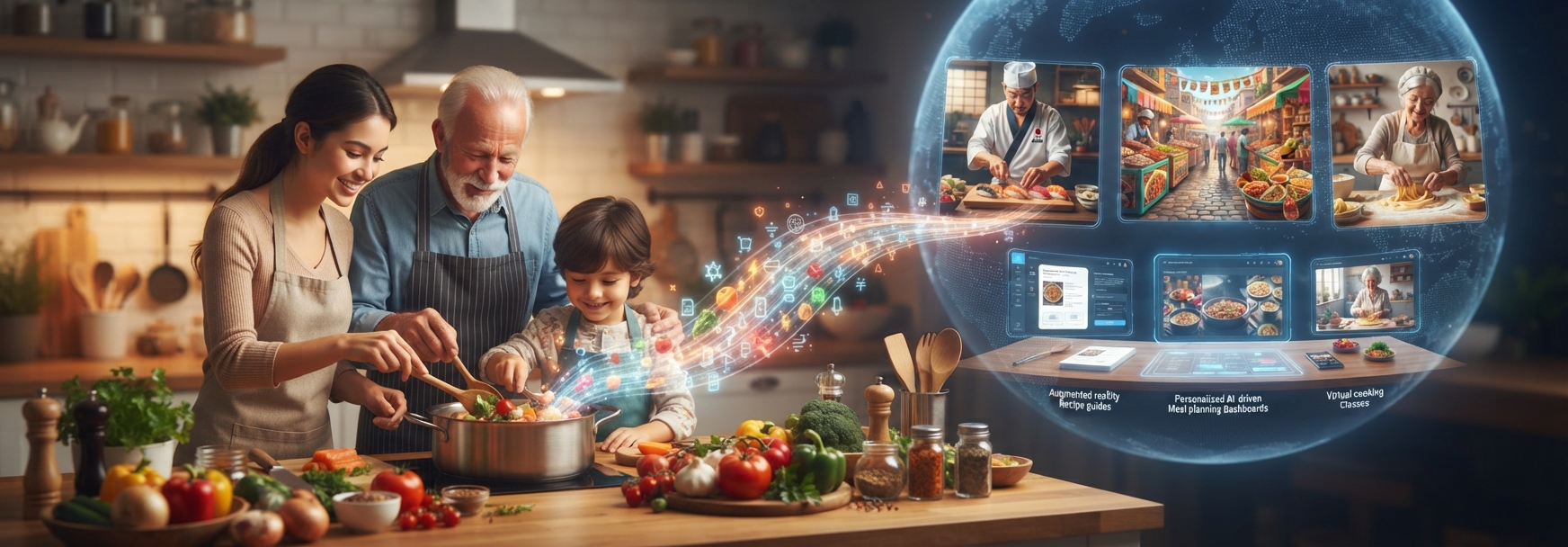
As technology evolves and new platforms emerge, the way we discover and share food will undoubtedly continue to transform. We can expect even more interactive and immersive culinary experiences online. Augmented reality recipe guides, personalized AI driven meal planning based on trending ingredients, and virtual cooking classes are just a few possibilities. The line between the digital and physical kitchen will continue to blur, making food more accessible, engaging, and globally connected than ever before.
In conclusion, viral food trends are more than just internet fads; they are a testament to the power of shared experience and the universal language of food. They inspire, educate, and bring people together, proving that even in the digital age, the joy of cooking and sharing a delicious meal remains a timeless pleasure.
Most Popular







Anaya
comment1