



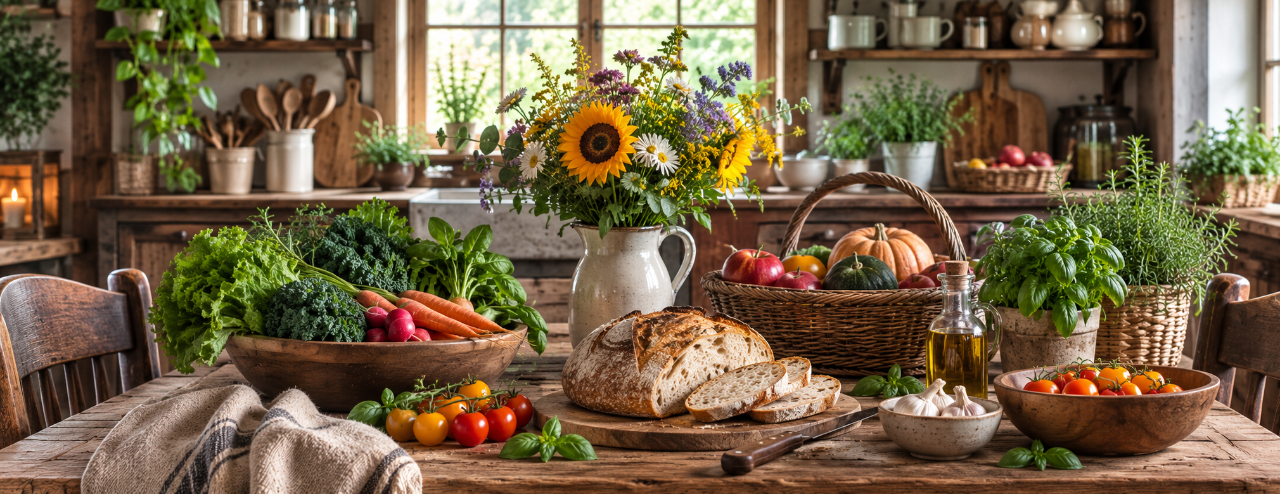
In a world increasingly dominated by rapid innovation and fleeting trends, there remains a profound and enduring appreciation for the simple, yet deeply satisfying, elements of hearth and harvest. These two concepts, intertwined at the very core of human sustenance and culture, evoke images of warmth, abundance, and a connection to the earth. Hearth & Harvest is more than just a theme; it is a philosophy that celebrates the age-old practices of cooking and gathering, reminding us of the fundamental importance of food in our lives and communities.
A Symbol of Warmth and Gathering
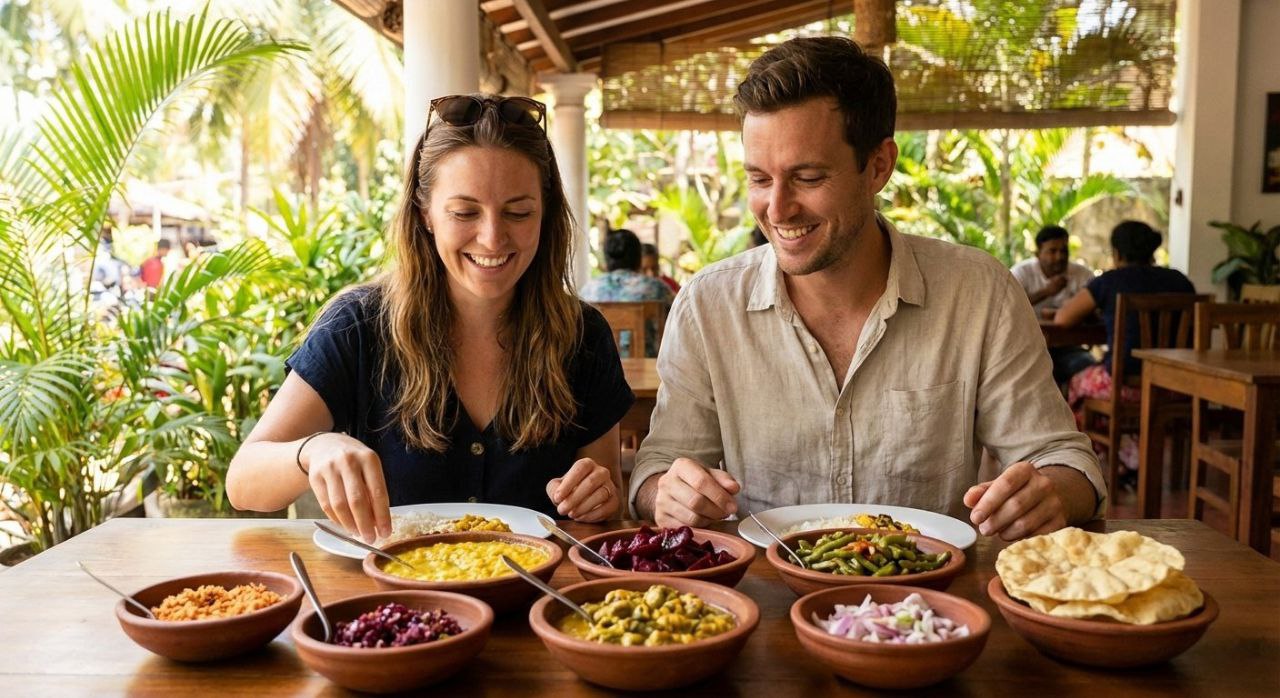
The hearth, historically the central gathering place of a home, represents warmth, comfort, and shared experiences. It is where meals were prepared over an open fire, filling the air with tantalizing aromas and bringing families together. This tradition continues to resonate today, even as modern kitchens have evolved. The idea of a central cooking space, a place where culinary magic happens, remains potent. Think of the cozy kitchens in farmhouse designs, the bustling communal tables in restaurants, or even the simple act of sharing a home-cooked meal. The hearth symbolizes the heart of the home, a place where stories are shared, bonds are strengthened, and nourishment is provided, both physically and emotionally.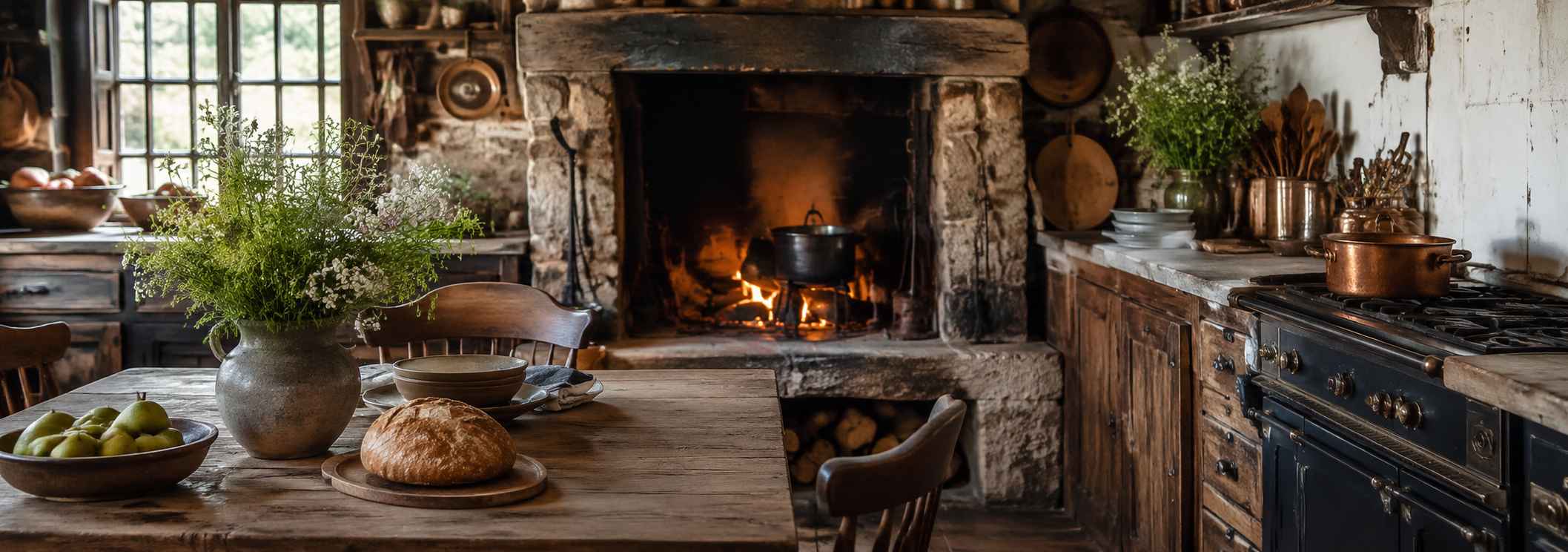
A Celebration of Abundance and Nature's Bounty
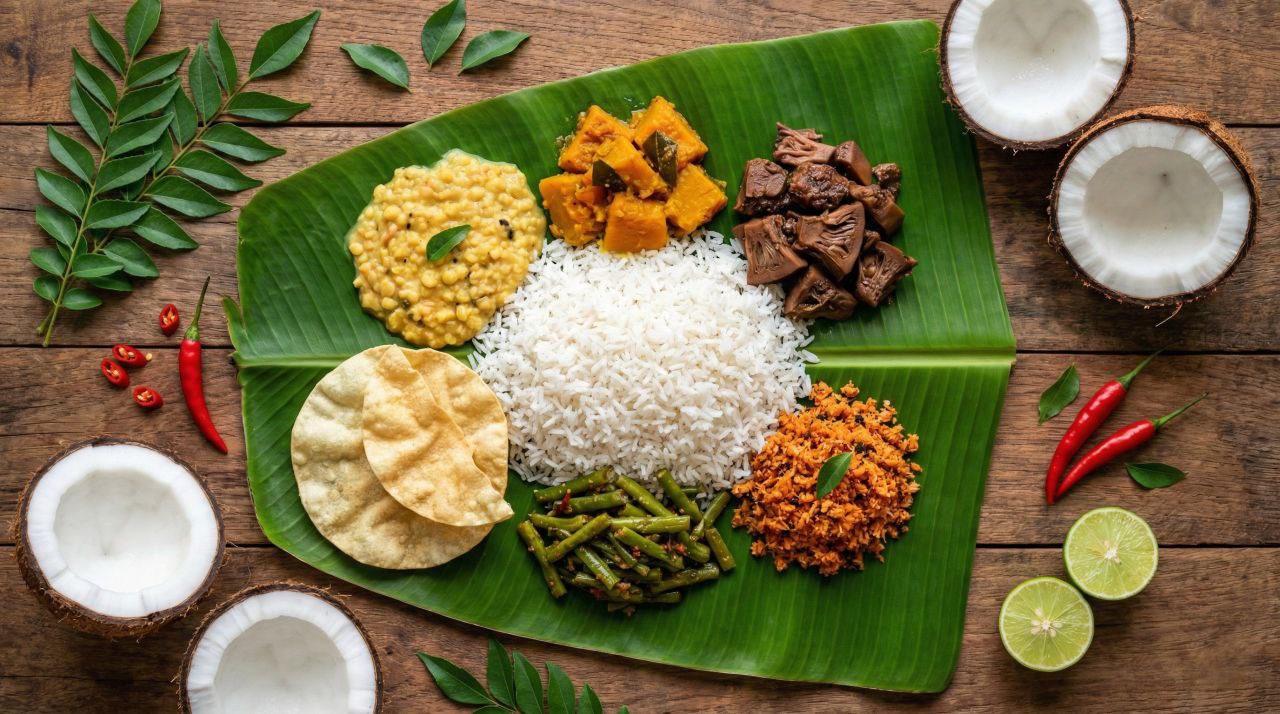
Complementing the warmth of the hearth is the bounty of the harvest. This concept celebrates the fruits of the land, the culmination of seasons of growth, hard work, and the generosity of nature. Harvest festivals, from ancient rituals to modern-day agricultural fairs, highlight the importance of the food we eat and the effort that goes into producing it. It's an acknowledgment of the cyclical nature of life and a reminder to be grateful for the abundance that sustains us. The harvest season inspires a focus on fresh, seasonal ingredients, encouraging culinary creativity and a deeper understanding of where our food comes from. It’s about appreciating the vibrant colors, textures, and flavors that the earth provides.
Connecting Hearth and Harvest in Modern Cuisine
The principles of Hearth & Harvest are deeply embedded in the culinary world. Many chefs and home cooks alike are rediscovering the beauty of simple, honest cooking that emphasizes high-quality, seasonal ingredients. This approach often involves techniques that honor the natural flavors of food, whether it's slow-roasting over an open flame, preserving the bounty of the harvest, or crafting comforting dishes that evoke a sense of nostalgia. The resurgence of interest in artisanal food production, farmers' markets, and farm-to-table dining are all testament to the enduring appeal of these core concepts. It’s about creating an experience that is both grounding and uplifting, connecting us to our food, our past, and each other.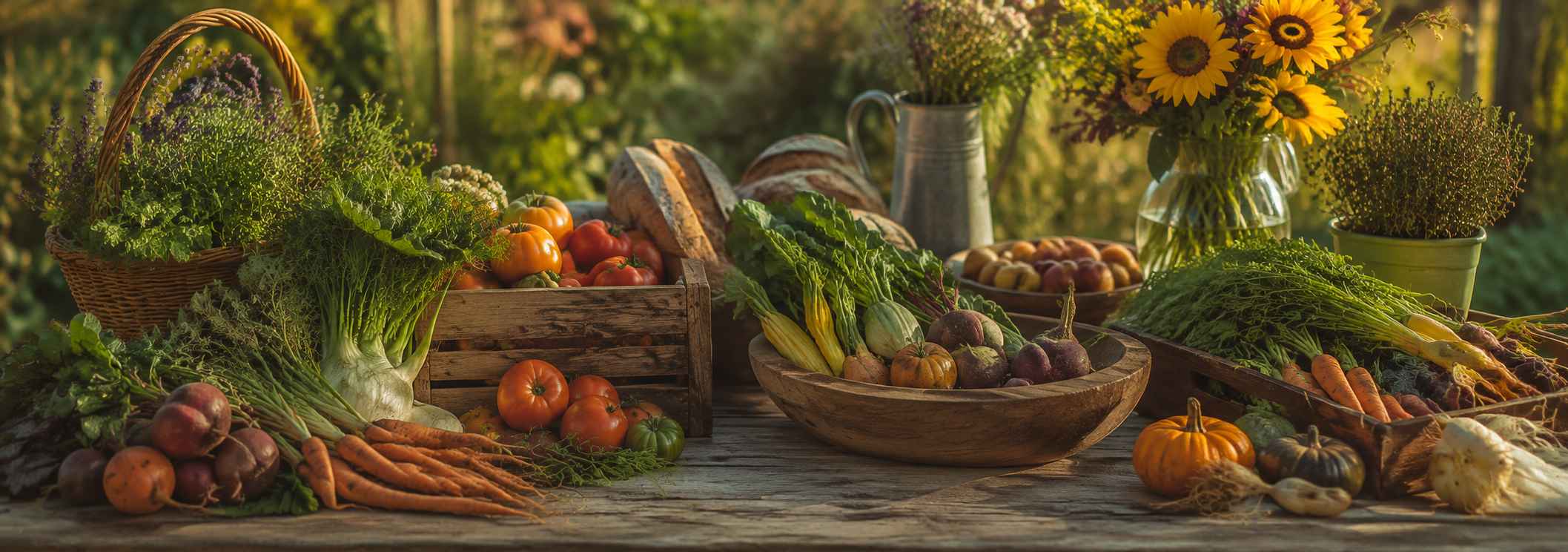
Embracing Hearth & Harvest in Daily Life
Bringing the spirit of Hearth & Harvest into our everyday lives doesn't require grand gestures. It can be as simple as cooking a meal from scratch using seasonal produce, gathering with loved ones around the dinner table, or tending to a small herb garden. It’s about slowing down, appreciating the process, and finding joy in the simple act of nourishment. Whether it's baking bread that fills your home with warmth, preparing a hearty stew during colder months, or enjoying a light, fresh salad bursting with summer flavors, each act connects us to the enduring traditions of hearth and harvest. These traditions offer a pathway to a more mindful and connected way of living, reminding us of the essential elements that nourish our bodies and souls.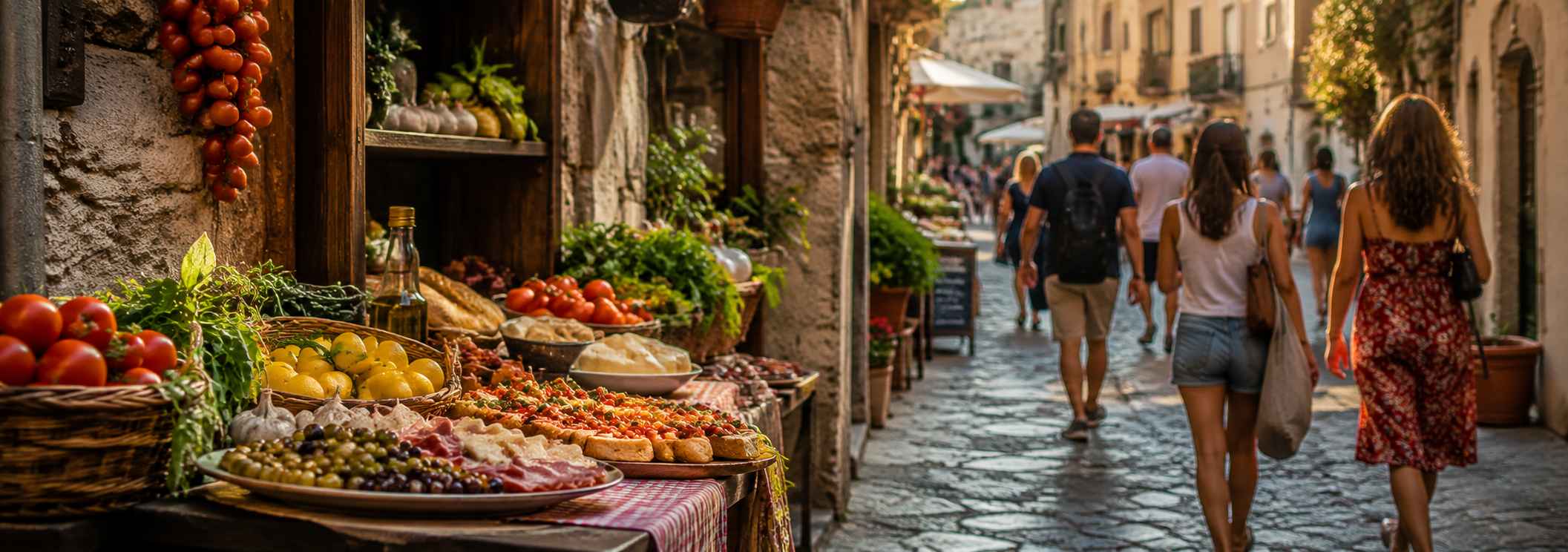
A Timeless Philosophy
The concepts of Hearth & Harvest represent a timeless philosophy that continues to inspire and enrich our lives. They remind us of the fundamental human need for connection, sustenance, and appreciation for the natural world. By embracing these principles, we can cultivate warmth, abundance, and a deeper understanding of the food that nourishes us, creating meaningful experiences that resonate long after the meal is finished.
Most Popular








Anaya
comment1