



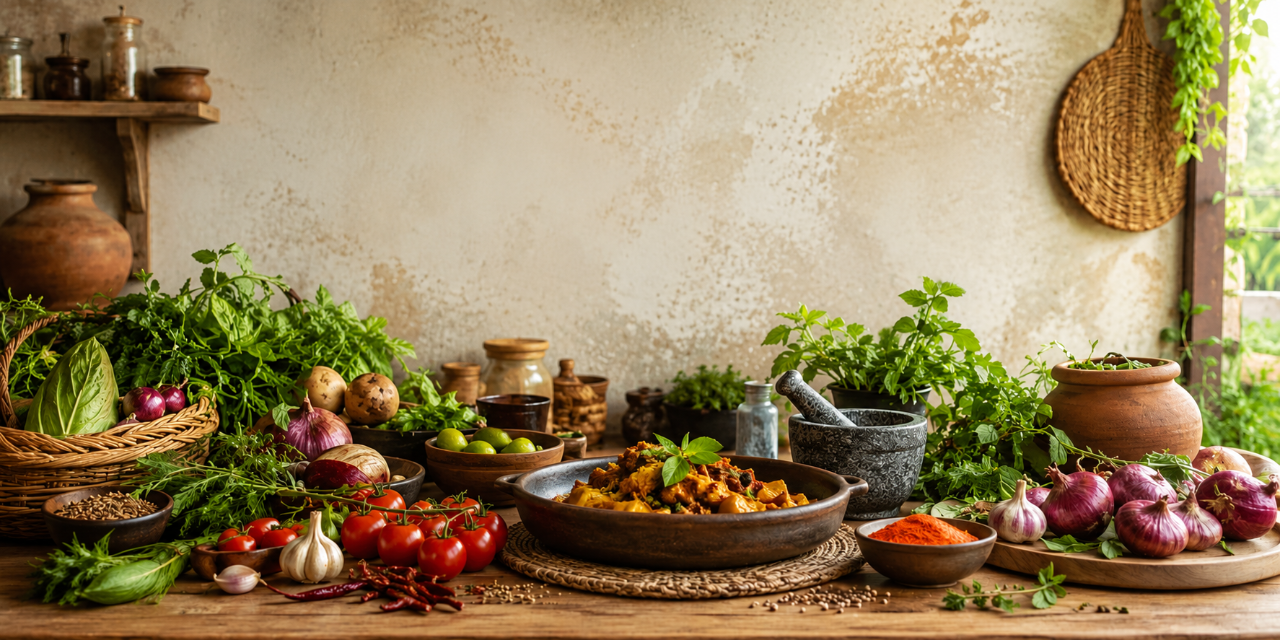
In an increasingly globalized world, where culinary trends can span continents in an instant, there remains a profound and enduring appeal in the concept of homegrown flavors. This isn't merely about nostalgia; it's a recognition of the deep connection between food, culture, community, and the land. Homegrown flavors represent the authentic essence of a region, a story told through ingredients cultivated with care and prepared with generations of knowledge.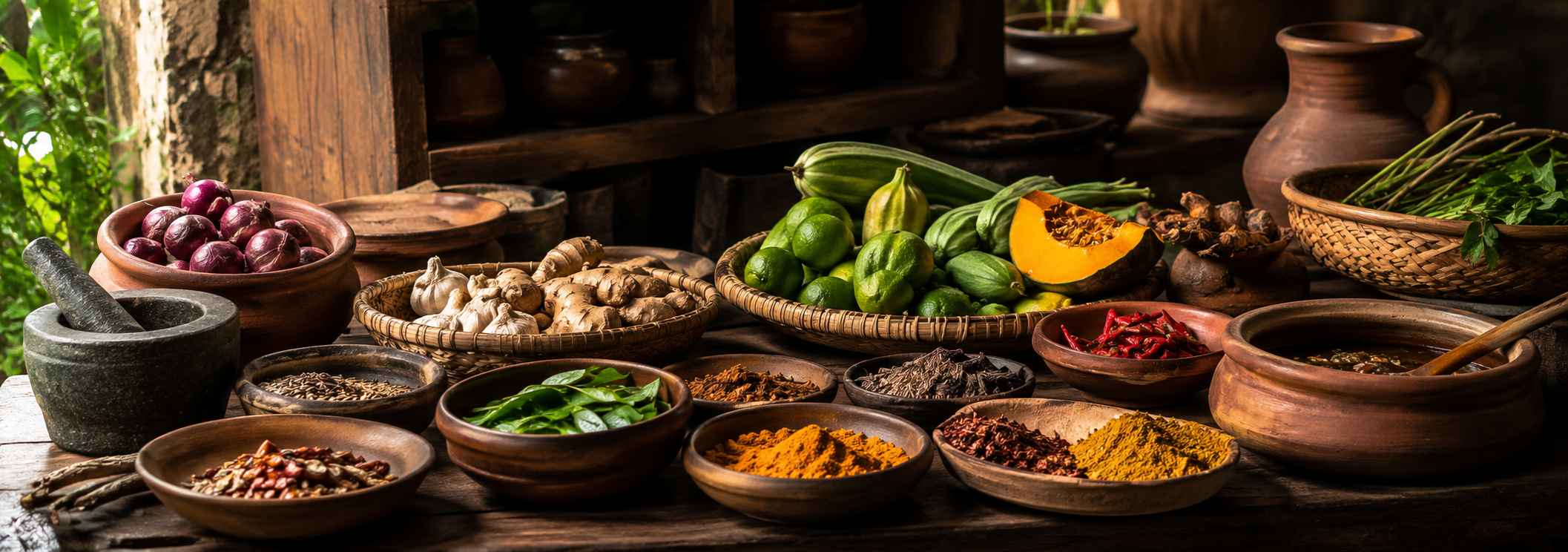
Defining Homegrown Flavors
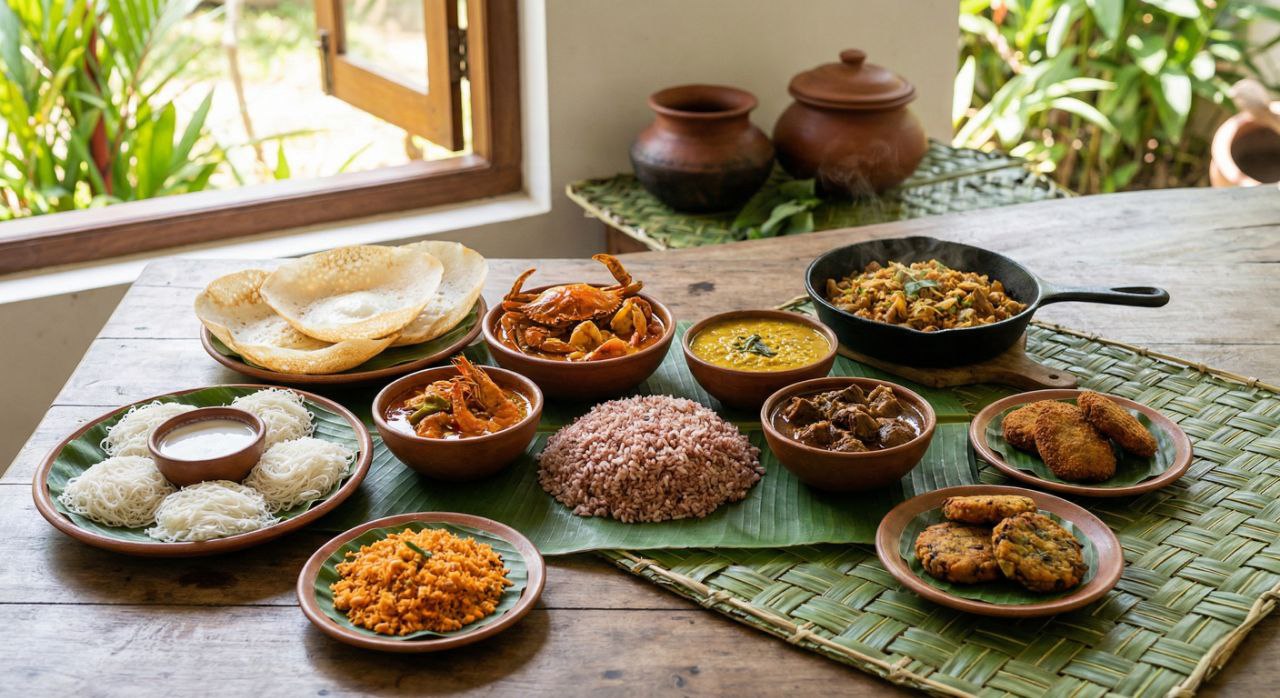
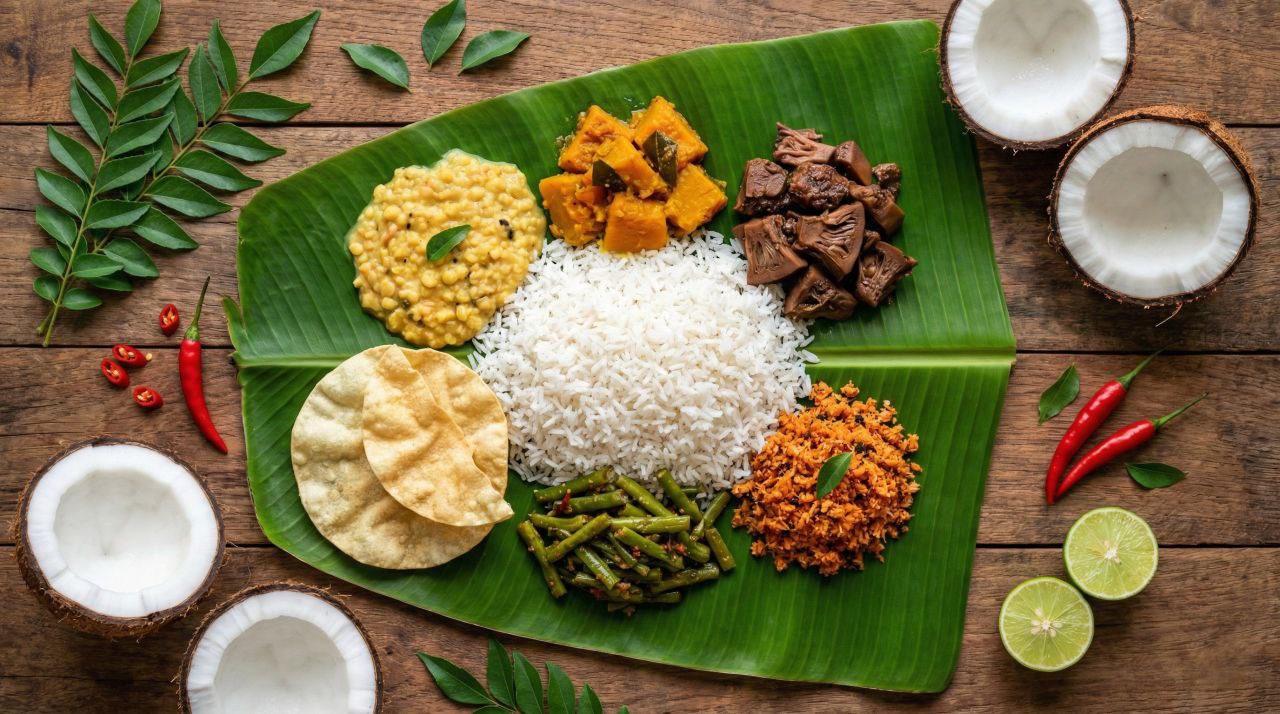
At its core, homegrown flavors refer to the distinct tastes and culinary traditions that are native to a particular place. These flavors are shaped by local produce, climate, historical influences, and the ingenuity of the people who call a region home. They are the dishes passed down through families, the unique preparations of common ingredients, and the very essence of a culinary identity.
The Role of Local Produce
The foundation of any homegrown flavor is, undoubtedly, the local produce. The soil, the water, and the sunshine imbue fruits, vegetables, grains, and proteins with a unique character. Think of the sweet intensity of sun-ripened tomatoes in the Mediterranean, the earthy depth of root vegetables grown in cooler climates, or the distinct aroma of herbs that thrive in specific terroirs. These ingredients, harvested at their peak, offer a complexity and freshness that imported alternatives often struggle to replicate.
Culinary Heritage and Tradition
Beyond ingredients, homegrown flavors are intrinsically linked to culinary heritage. These are the recipes and techniques that have been refined over time, often through trial and error, and passed down from one generation to the next. Whether it's the slow braising of a traditional stew, the careful layering of spices in a regional curry, or the precise folding of dough for handmade pasta, these traditions are living testaments to the cultural history of a place. They are not just about sustenance; they are about preserving identity and sharing a collective memory.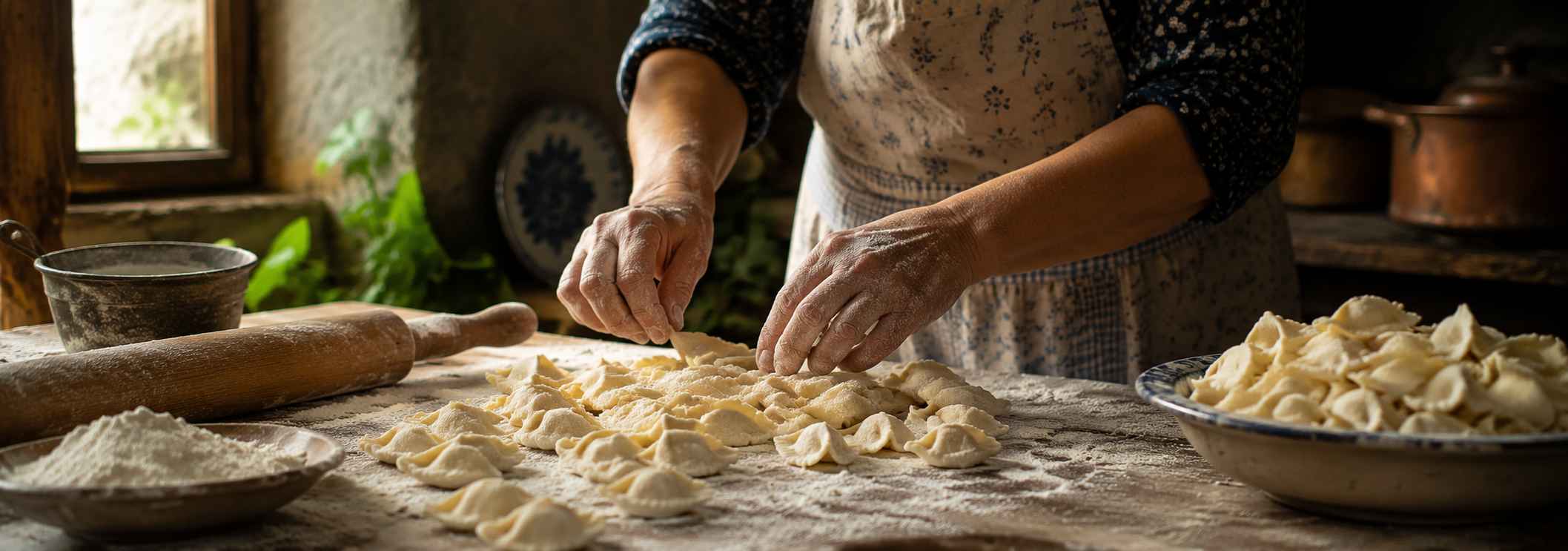
The Impact of Local Communities
The cultivation and preparation of homegrown flavors also foster strong local communities. Farmers markets are vibrant hubs where producers and consumers connect, sharing stories and celebrating the bounty of the season. Local chefs often draw inspiration from these traditions, reinterpreting classic dishes with a modern sensibility while honoring their roots. This creates a dynamic ecosystem where tradition and innovation coexist, enriching the culinary landscape for everyone.
Embracing Homegrown Flavors in Modern Life
In today's fast paced world, making a conscious effort to seek out and support homegrown flavors offers numerous benefits. It’s an investment in local economies, a way to reduce our environmental footprint by choosing ingredients that haven't traveled far, and an opportunity to connect with the authentic tastes of the world around us. Whether it’s by visiting a local farm stand, dining at a restaurant that champions regional ingredients, or attempting to recreate a family recipe at home, embracing homegrown flavors is a rewarding journey.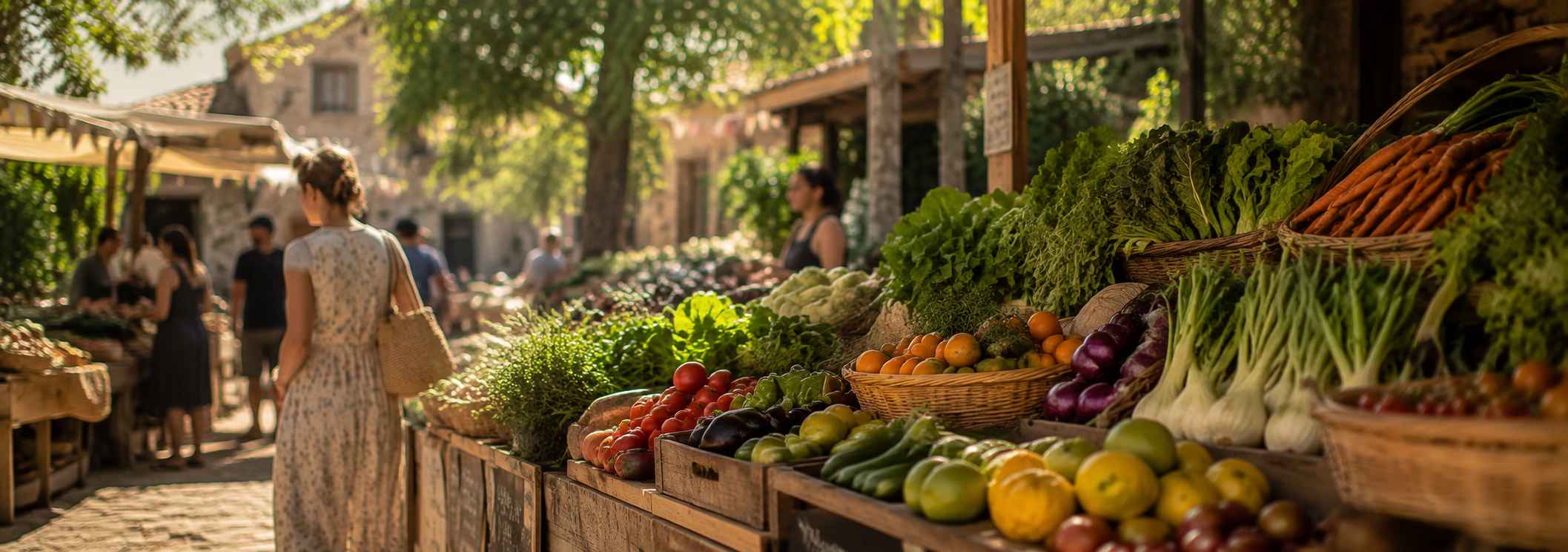
The Pleasure of Authenticity
Ultimately, the allure of homegrown flavors lies in their authenticity. They offer a genuine taste of place, a connection to the land and its people, and a rich tapestry of cultural stories. By appreciating and celebrating these flavors, we not only enrich our own dining experiences but also contribute to the preservation of culinary heritage for future generations. It’s a delicious way to stay grounded and to discover the extraordinary in the familiar.

Most Popular










Anaya
comment1