




Taste Without the Worry: Your Guide to Sri Lanka's Hygienic Street Food Revolution
Welcome to the vibrant, aromatic, and sometimes overwhelming world of Sri Lankan street food! For many travelers, this is where the heart of the island's culture truly beats. It's in the sizzle of kottu roti on a busy roadside and the savory crispiness of a wadey in a bustling market. However, for some, the concern for hygiene can temper the excitement of this culinary adventure. The fear of "Delhi belly" or "Himalayan tummy" can make one hesitate before dive into the delicious unknown.
But fear not! In recent years, Sri Lanka has seen a significant shift towards cleaner, more regulated, and undeniably delicious street food. Vendors are increasingly prioritizing hygiene, and local authorities are stepping up inspections. This blog is your guide to navigating this changing landscape, offering tips, recommendations, and a celebration of the wonderful, and yes, hygienic, street food Sri Lanka has to offer.
The Transformation: From Worry to Wow!
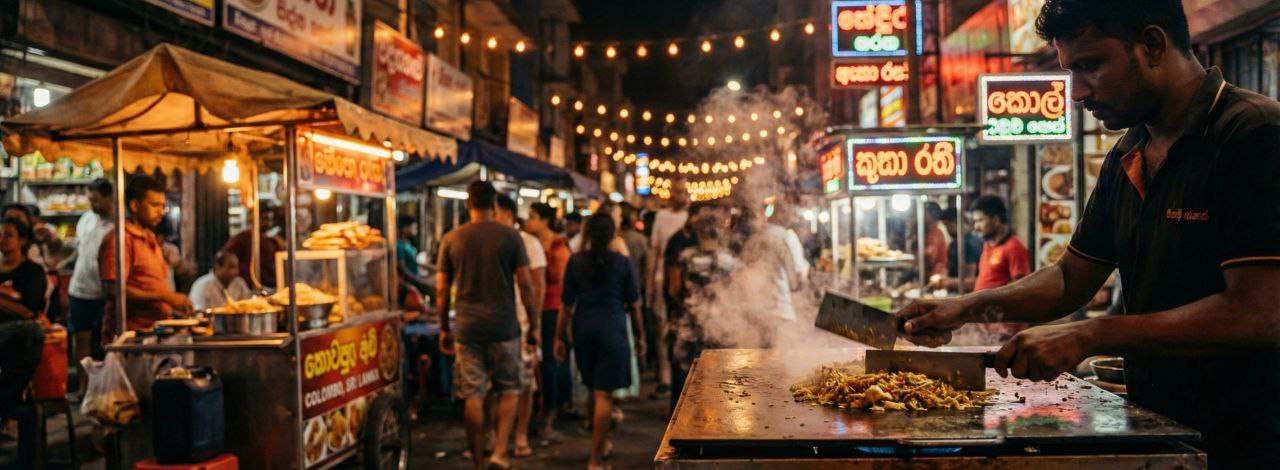
Sri Lanka's street food scene is in the midst of a beautiful transformation. The classic image of a lone cart with questionable water storage is being replaced by a more organized and health-conscious approach.

This picture is a testament to the new standards emerging. You can now find vendors with:
- Clean Uniforms and Practices: More street food sellers are wearing gloves, hairnets, and aprons, emphasizing personal hygiene as much as the quality of their ingredients.
- Stainless Steel Surfaces: Easy-to-clean and durable, stainless steel carts are replacing older, wooden structures, ensuring a more sanitary food preparation environment.
- Visible Freshness: Ingredients are often displayed openly in glass containers, allowing you to see exactly what you're eating. The fresh, colorful produce is a feast for the eyes and a comfort for the health-conscious mind.
- Regulation & Training: Public health inspectors are more active, and some local councils are providing training and certification to street food vendors who meet high-quality and hygiene standards.
Navigating the Market: Your Toolkit for Safe Eating
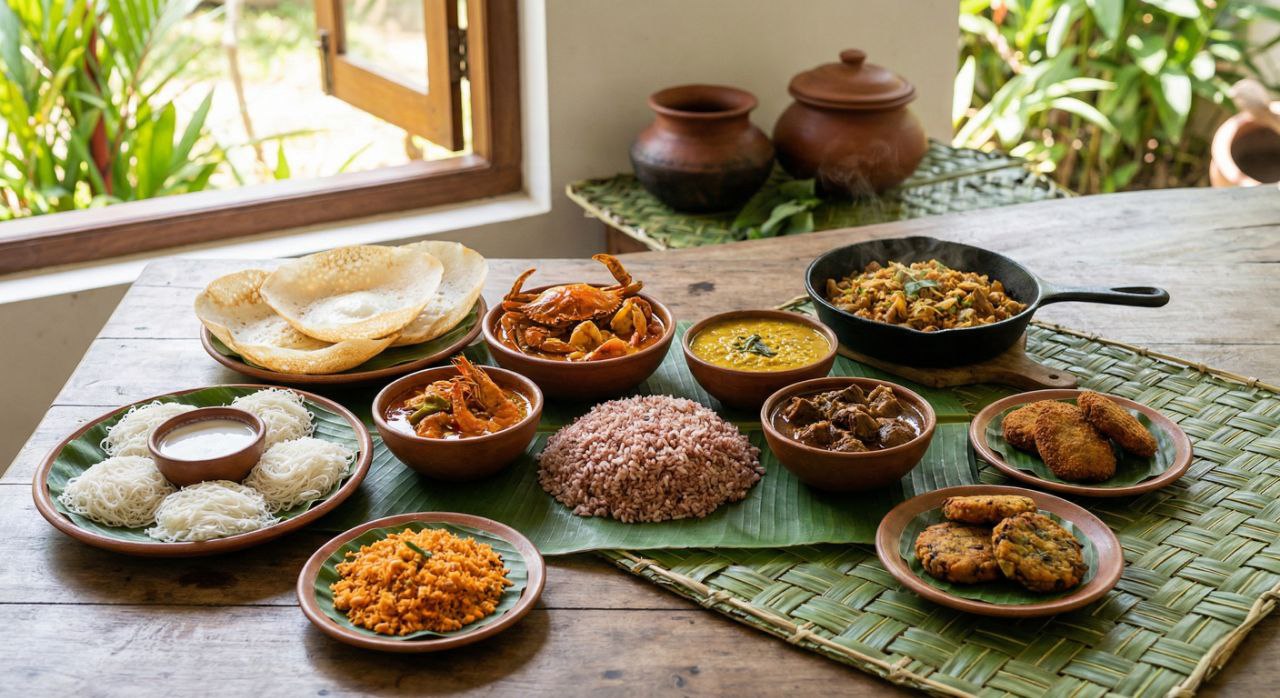
While the overall trend is positive, it's still wise to be smart about your choices. Here are some key signs of a good, hygienic street food spot:

This image highlights what you should look for:
- The Crowd Knows: A long line of locals is usually a good sign. If people from the area are regulars, the food is likely tasty and the vendor is trustworthy. They know who is dependable.
- Visible Water Source: Look for a source of filtered water. Many modern stalls display that they use reverse osmosis (RO) or filtered water for cooking and cleaning. This is crucial for preventing waterborne issues.
- General Cleanliness: The entire area around the cart should be tidy. A trash bin nearby, neatly stacked ingredients, and a general orderliness are indicators of a disciplined vendor.
- Temperature is Key: Hot food should be served piping hot, straight off the griddle or from the steamer. Steer clear of pre-prepared items that have been sitting out.
- Look for Labels or Signs: Some progressive local councils are starting to issue certificates or labels for hygienic stalls. This is the ultimate reassurance!
What to Try: The Icons of Sri Lankan Street Food (Hygienic Edition)
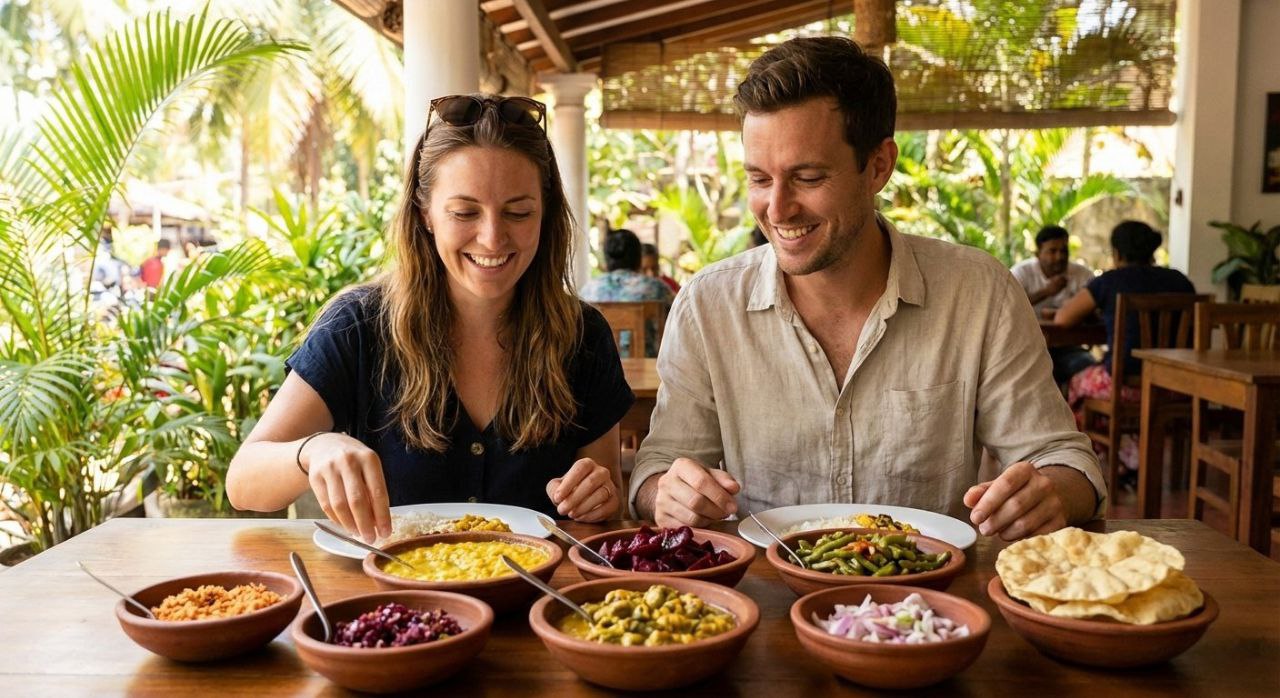
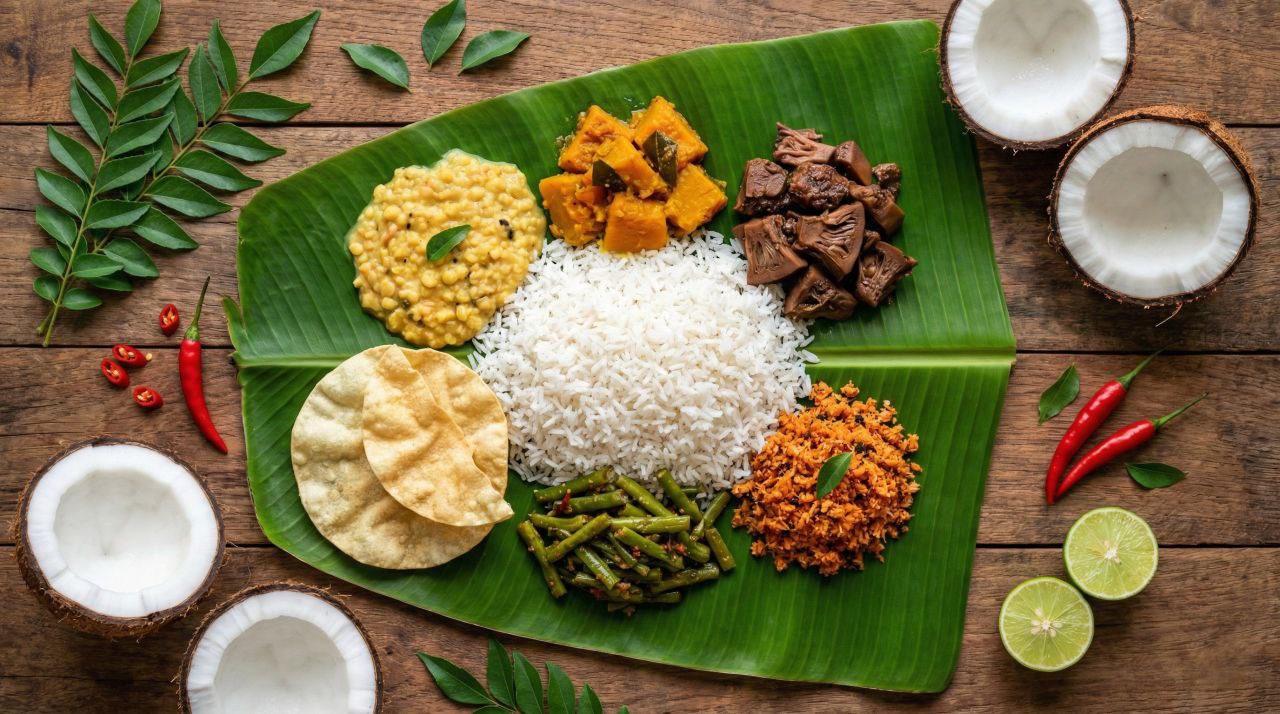
Now for the best part! With your hygiene radar tuned, it's time to indulge. Sri Lankan street food is an explosion of flavor, combining fresh spices, coconut, and local produce.

This is the quintessential Sri Lankan street food experience. For a guaranteed hygienic kottu:
- Go to Popular Spots: The big names in kottu (like Nana's at Galle Face or many well-frequented places in Colombo) process a high volume of ingredients, meaning everything is used fresh each day.
- Watch them Cook: The charm of kottu is seeing it made from scratch. Watch as the godhamba roti, vegetables, eggs, and meat are chopped and stir-fried on a huge metal plate. It's a culinary spectacle that assures you of its freshness.
- Variety and Customization: Kottu is endlessly customizable. From cheese and egg versions to seafood or vegetarian options, you can tailor it to your preferences. Ask for less or no spice if needed.
Another absolute must-try is the hopper (appa). This bowl-shaped pancake, made from a fermented rice flour batter and coconut milk, is crisp on the edges and soft in the center. The egg hopper adds a perfectly fried egg in the middle for an extra treat.
- Always Made to Order: Hoppers are almost always made fresh when you order them. This guaranteed heat and freshness is a major bonus from a food safety perspective.
- Clean Pans are Standard: The specialized small, curved appachatti pans are typically cleaned and oiled for each order.
- A Unique Texture: The combination of the tangy batter and the rich coconut milk is uniquely Sri Lankan. Enjoy them plain, with an egg, or with a side of lunu miris (a spicy onion and chili sambal) and a seeni sambal (a sweet onion relish).
Other great and typically safe street food items include:
- Pittu: Steamed rolls of ground rice mixed with shredded coconut. Served with curry or coconut milk and sugar.
- Wadey: Savory, deep-fried snacks made from lentils. The heat from deep-frying ensures they are safe. Look for ones freshly fried.
- Roti with Curry: Simple and delicious flatbreads served with a portion of dal or vegetable curry. Great for a quick lunch.
Hygienic Hotels with a Street Food Flair
For those who love the idea of street food but prefer the safety and control of a hotel environment, several establishments in Sri Lanka bring the street food experience to you with guaranteed hygiene standards. Here are six hotels that excel in this area:


Most Popular









Anaya
comment1