



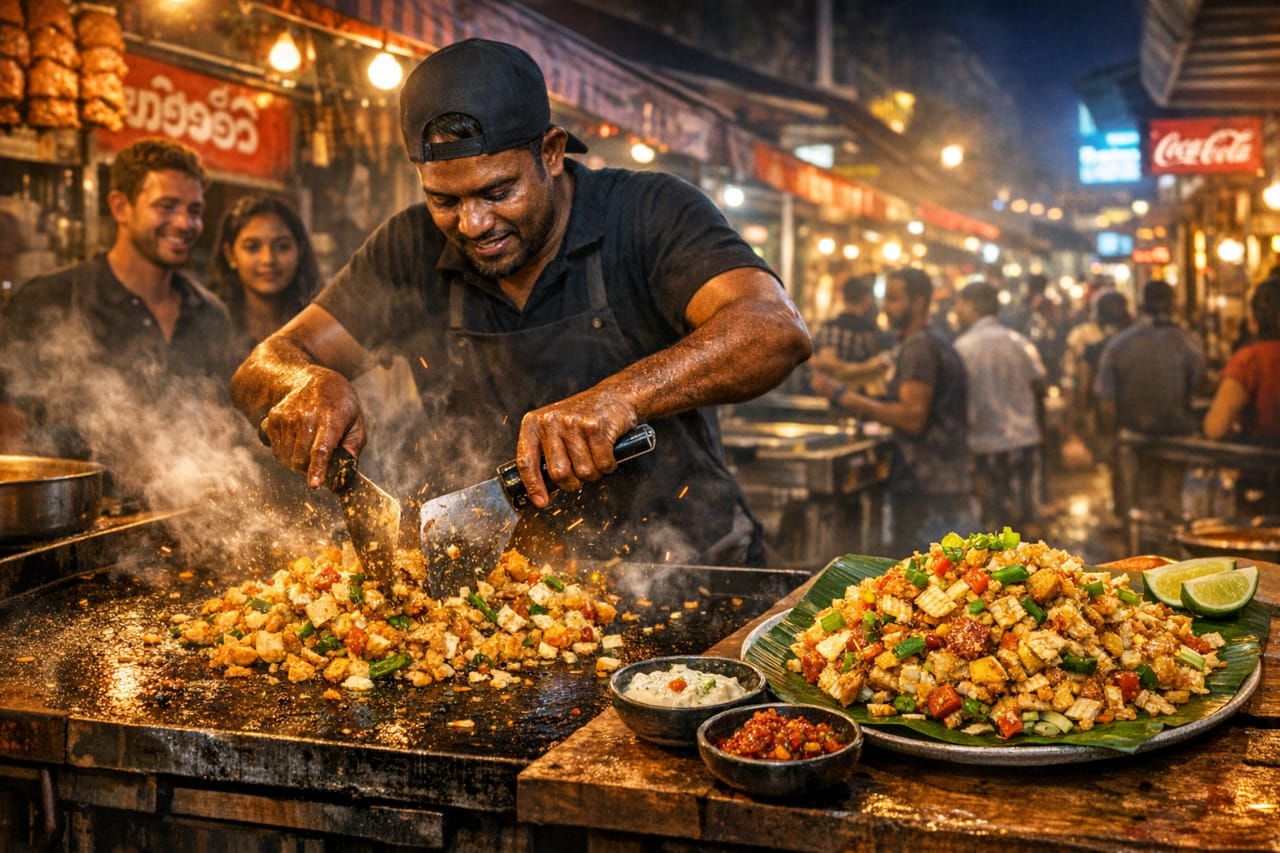
In the vibrant tapestry of Sri Lankan cuisine, few dishes command the same reverence and widespread appeal as Kottu. More than just a meal, Kottu is an experience – a symphony of textures and flavors that has captured the hearts and palates of locals and visitors alike. This humble yet ingenious dish, born from the resourceful repurposing of leftover roti, has transcended its origins to become a culinary icon, representative of Sri Lanka's rich gastronomic heritage.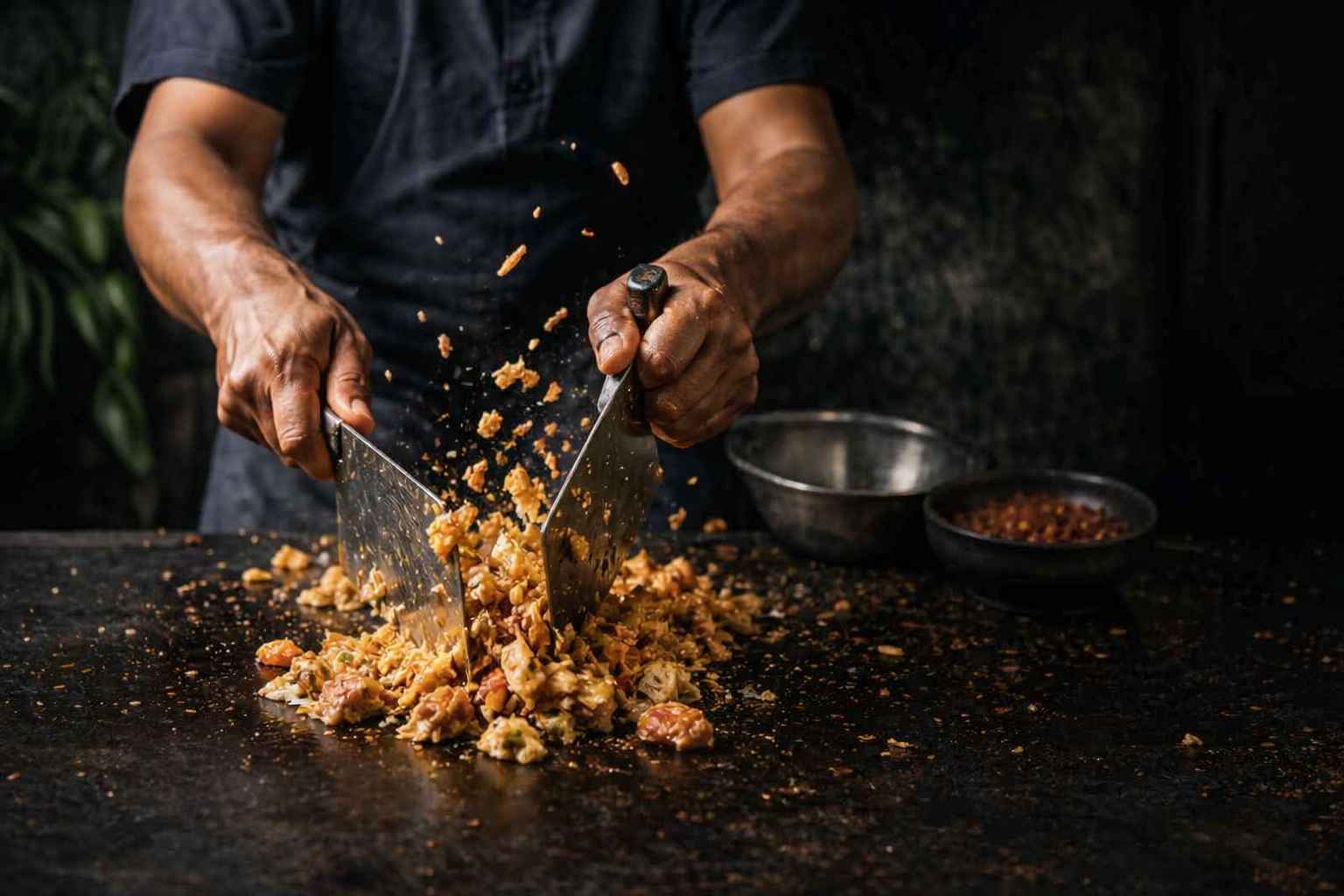
The Genesis of a Legend
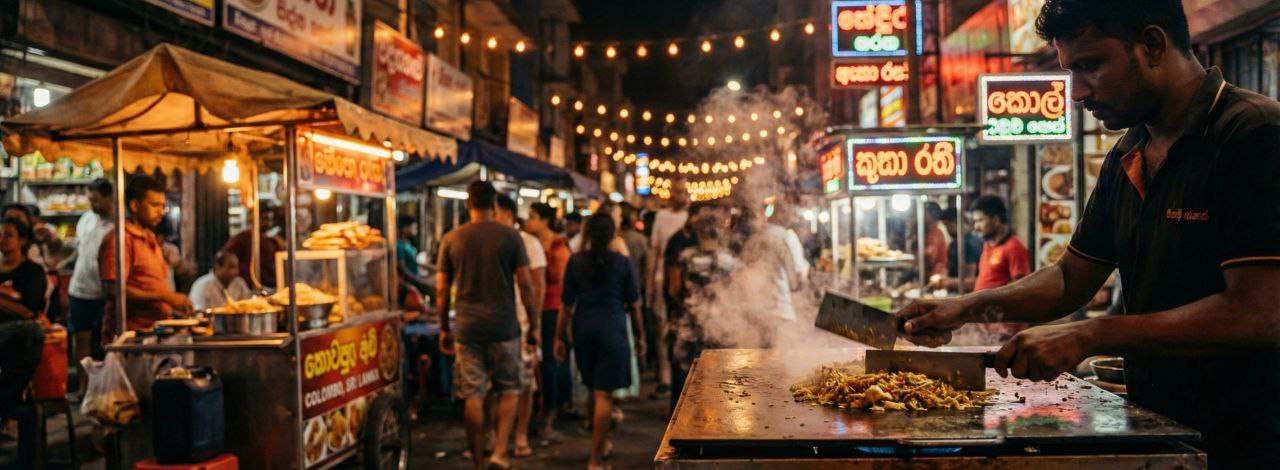
The story of Kottu is deeply rooted in the everyday lives of Sri Lankans. Traditionally, yesterday's leftover Godamba roti, a type of flatbread, was the primary ingredient. Instead of discarding this delicious staple, ingenious cooks began to chop it into small pieces and stir fry it with an array of flavorful additions. This process not only reduced food waste but also created a brand new, exciting dish that was both satisfying and affordable. The rhythmic sound of the cleavers chopping the roti on a hot griddle became synonymous with the preparation of Kottu, a distinctive auditory signature that signals its imminent arrival.
The Art of Preparation: A Sensory Delight
The preparation of Kottu is a performance in itself. At its core, it involves taking pieces of roti and rhythmically chopping them into bite sized morsels with the help of two metal blades or cleavers against a large, flat griddle. This is where the characteristic 'kottu kottu' sound originates, a sound that often draws a crowd and builds anticipation. As the roti is chopped, it is mixed with a medley of ingredients, typically including finely chopped vegetables such as onions, leeks, and carrots, along with scrambled eggs or meat. The choice of protein is vast, ranging from tender chicken and succulent beef to flavorful mutton and even seafood, offering a personalized touch to every serving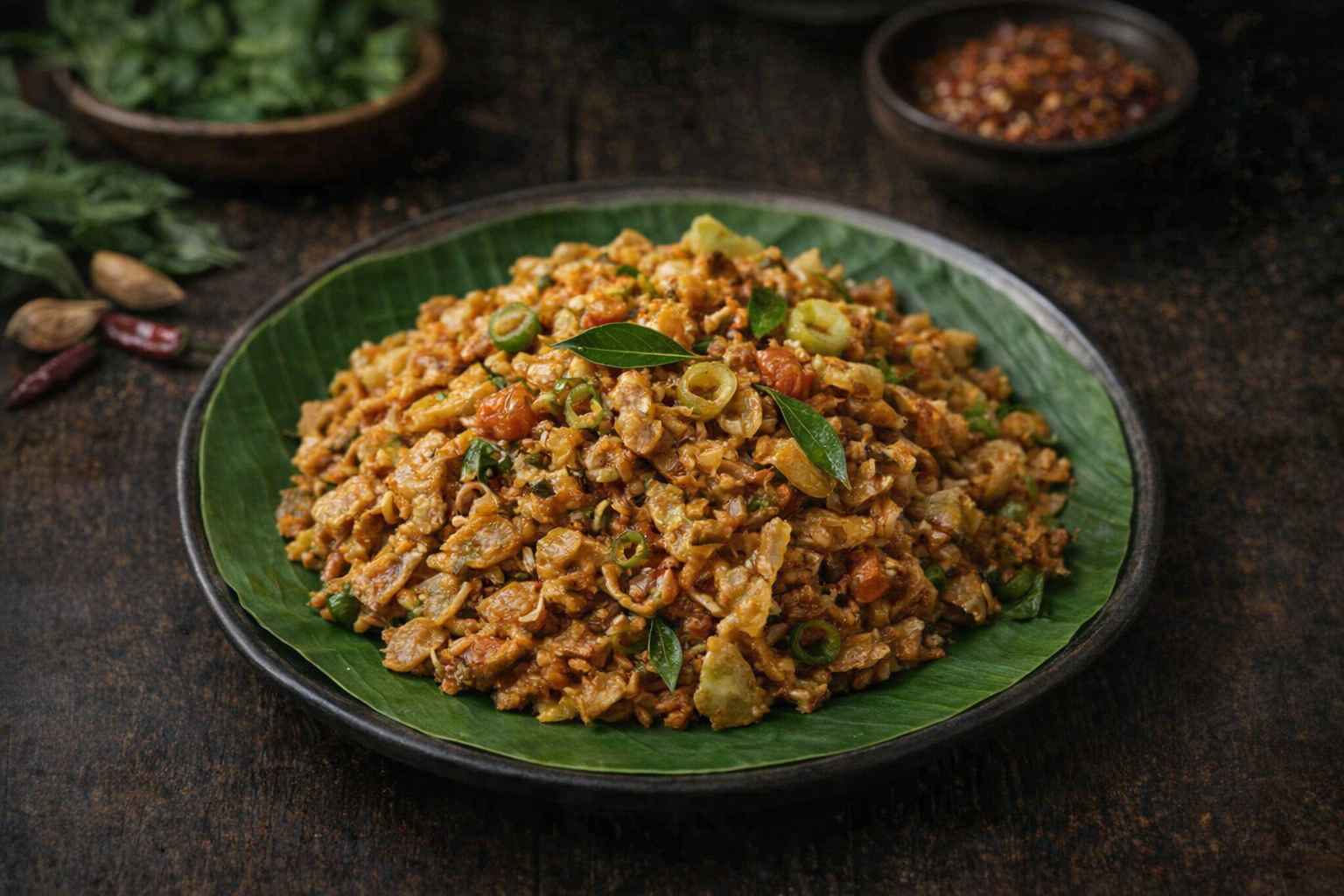
A rich blend of spices forms the soul of Kottu. Turmeric, chili powder, curry powder, and sometimes even a hint of garam masala are expertly incorporated, infusing the dish with warmth and depth. The stir frying process, often done with a generous amount of oil, ensures that the ingredients meld together beautifully, creating a harmonious explosion of tastes. Freshly chopped green chilies can be added for an extra kick, catering to those who appreciate a spicier palate. The final dish is often garnished with a sprig of curry leaves and sometimes a sprinkle of grated coconut, adding a final layer of aroma and texture.
Variations and Adaptations
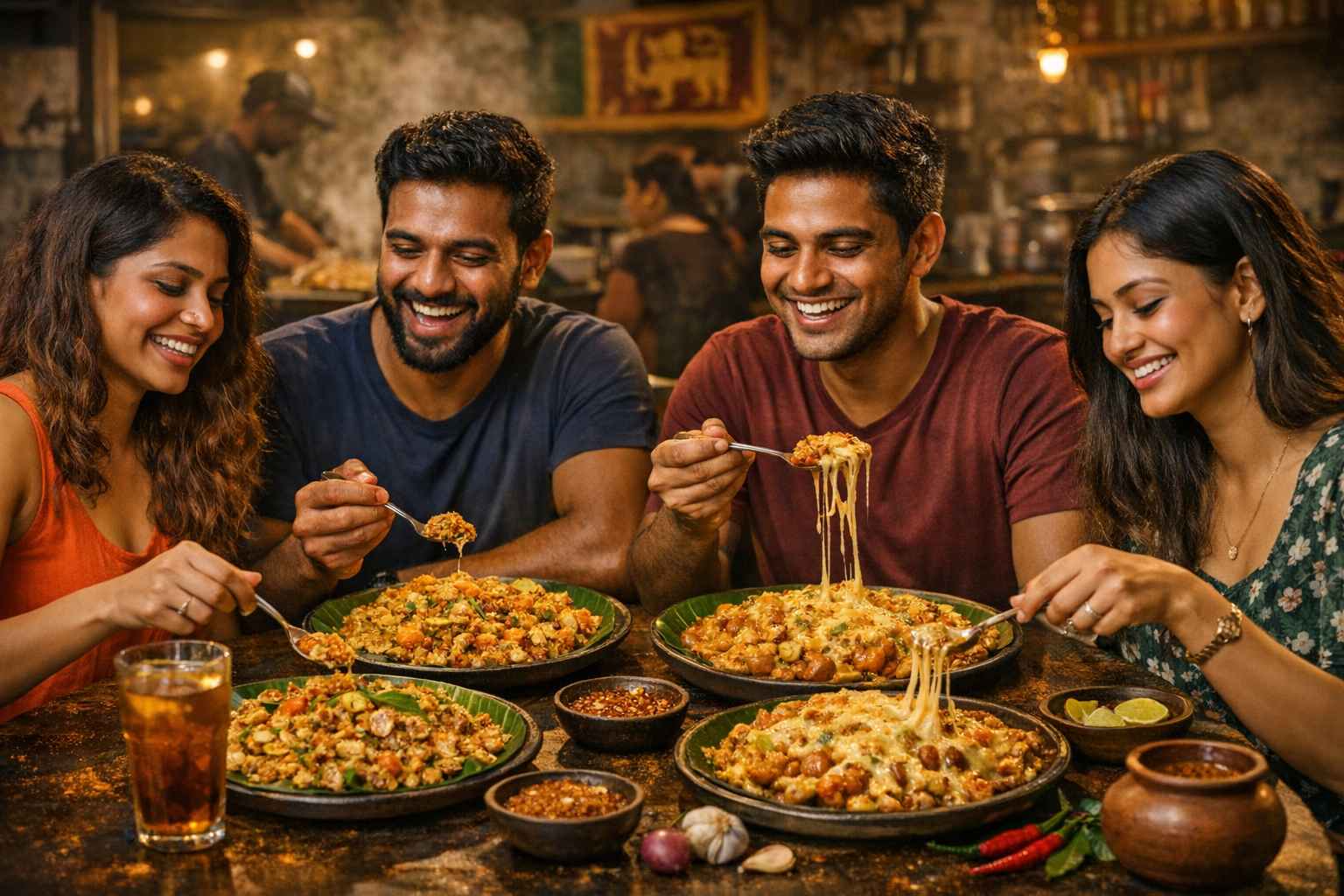
While the classic 'Kottu Roti' remains the most popular iteration, the versatility of this dish allows for numerous adaptations. 'Kottu Parotta', using a flaky, layered parotta instead of roti, offers a richer and more decadent experience. Vegetarian versions are equally delightful, with an abundance of fresh vegetables and perhaps even paneer or tofu taking center stage. Some establishments even offer 'cheese kottu', a decadent twist that incorporates melted cheese, adding a creamy and indulgent element. The adaptability of Kottu speaks volumes about its enduring appeal and its capacity to evolve while retaining its essential character.
Beyond the Plate: A Cultural Staple
Kottu is more than just a delicious meal; it is a cultural touchstone in Sri Lanka. It is the go to dish for late night cravings, a comforting meal after a long day, and a popular choice for family gatherings. The communal aspect of sharing a large plate of Kottu, often eaten with hands, fosters a sense of togetherness and belonging. Its affordability makes it accessible to all socioeconomic strata, further cementing its status as a dish for the people.
Kottu, with its humble beginnings and spectacular rise to culinary fame, is a testament to the ingenuity and resourcefulness of Sri Lankan cooking. It is a dish that engages all the senses, from the mesmerizing chopping sounds to the vibrant colors and the intoxicating aromas. Whether you are a seasoned traveler to Sri Lanka or simply an adventurous food lover, seeking out and savoring a plate of authentic Kottu is an essential part of the culinary journey. It is an unforgettable taste of Sri Lanka, a dish that continues to delight and satisfy, one rhythmic chop at a time.
Most Popular









Anaya
comment1