



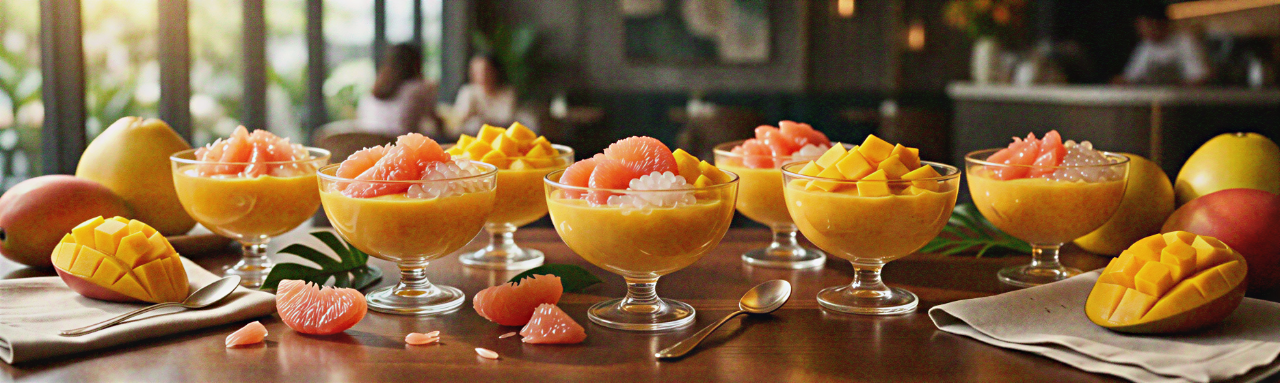
In the vibrant world of Asian desserts, few creations achieve the delicate balance of refreshment, texture, and tropical allure quite like Mango Pomelo Sago. This beloved dessert, originating from Hong Kong, has transcended its roots to become a global favorite, cherished for its harmonious blend of sweet mango, tart pomelo, and chewy sago pearls. It’s a dessert that evokes sunshine, leisurely afternoons, and the joyous spirit of summer, making it a perfect treat any time of the year.
The Art of Mango Pomelo Sago
At its core, Mango Pomelo Sago is a celebration of fresh ingredients. The star of the show is undoubtedly the ripe mango, its luscious sweetness and vibrant color forming the dessert's rich foundation. This is expertly complemented by the distinct, slightly bitter citrus notes of the pomelo, a grapefruit like fruit that adds a delightful counterpoint to the mango's sugariness.
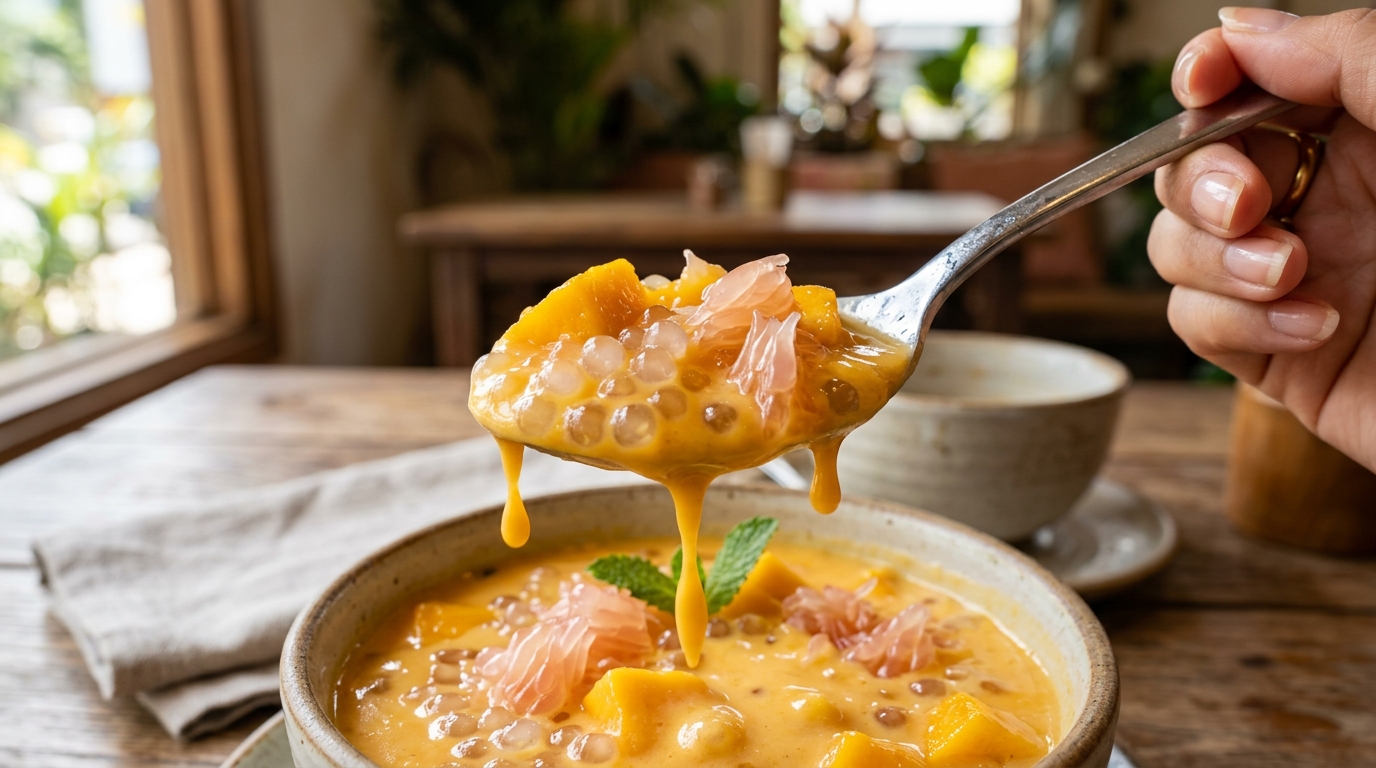
The textural element is provided by the sago pearls, small, translucent spheres that are cooked until soft and chewy. When suspended in the creamy, often coconut milk or evaporated milk based liquid, they add a playful and satisfying chewiness that elevates the entire sensory experience. The interplay between the smooth mango puree, the juicy pomelo segments, and the tender sago pearls is what makes this dessert so uniquely captivating.
Key Components and Their Magic
- Ripe Mangoes: The quality of the mango is paramount. Sweet, fragrant, and ripe Alphonso, Ataulfo, or any other sweet variety will yield the best results. Often, a portion is pureed to create a smooth base, while some pieces are reserved for garnish, adding visual appeal and bursts of fresh fruit flavor.
- Pomelo: This citrus fruit is crucial for its refreshing tang. While grapefruit can be a substitute, the pomelo offers a more nuanced bitterness that perfectly cuts through the sweetness of the mango and the richness of the milk. The segments are typically separated and membranes removed to ensure a pleasant eating experience.
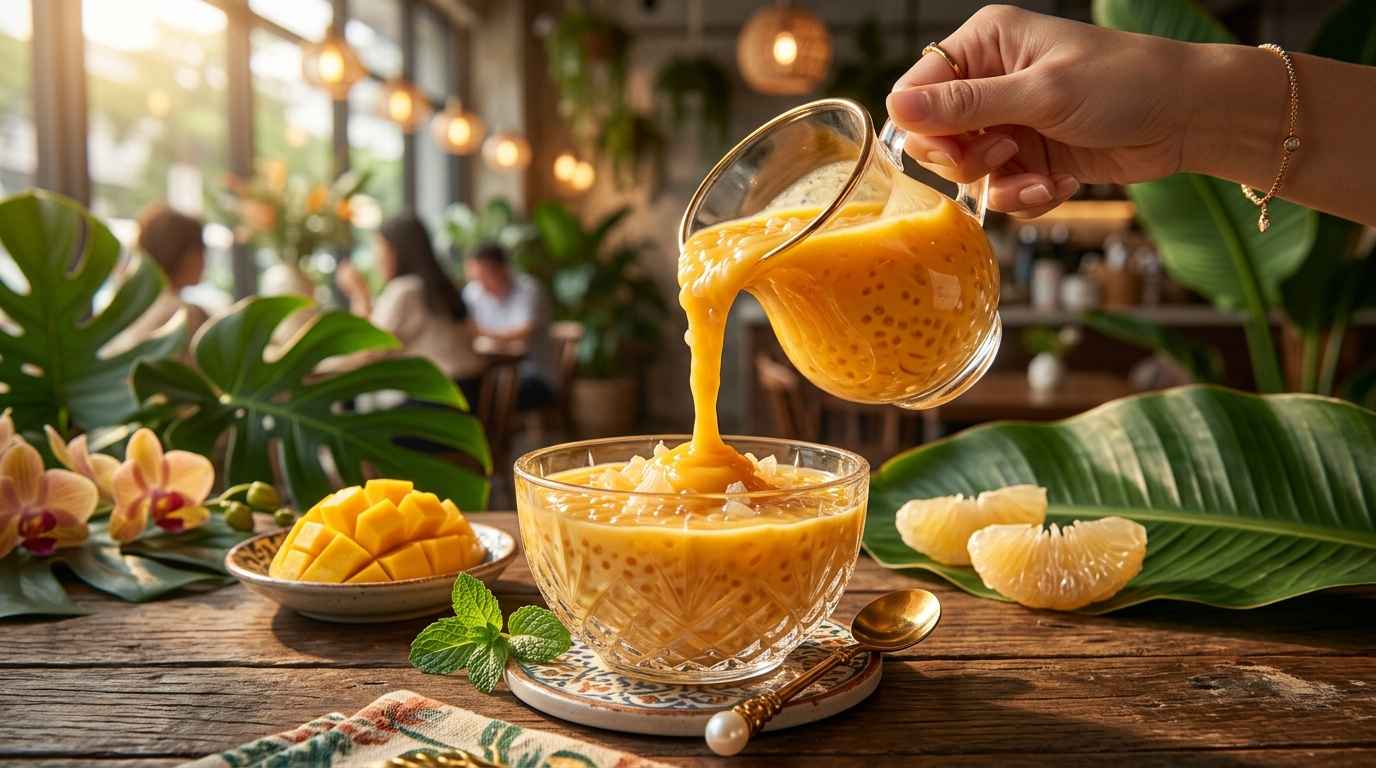
- Sago Pearls: These small tapioca pearls are boiled until they become translucent and tender. They absorb the surrounding flavors, adding a delightful textural contrast that is both subtle and essential to the dessert's identity.
- Creamy Base: Traditionally, evaporated milk and coconut milk are used to create a light, yet creamy liquid that binds the ingredients together. Some variations might include condensed milk for extra sweetness or even yogurt for a hint of tartness.
A Culinary Experience
Mango Pomelo Sago is more than just a dessert; it’s an experience. Its preparation is relatively simple, making it an accessible yet impressive dish for home cooks. The process itself can be a joyous occasion, especially when using fresh, seasonal ingredients. The vibrant yellow of the mango, the delicate pink or white of the pomelo, and the pearly sheen of the sago combine to create a visually stunning dessert that is as pleasing to the eye as it is to the palate.
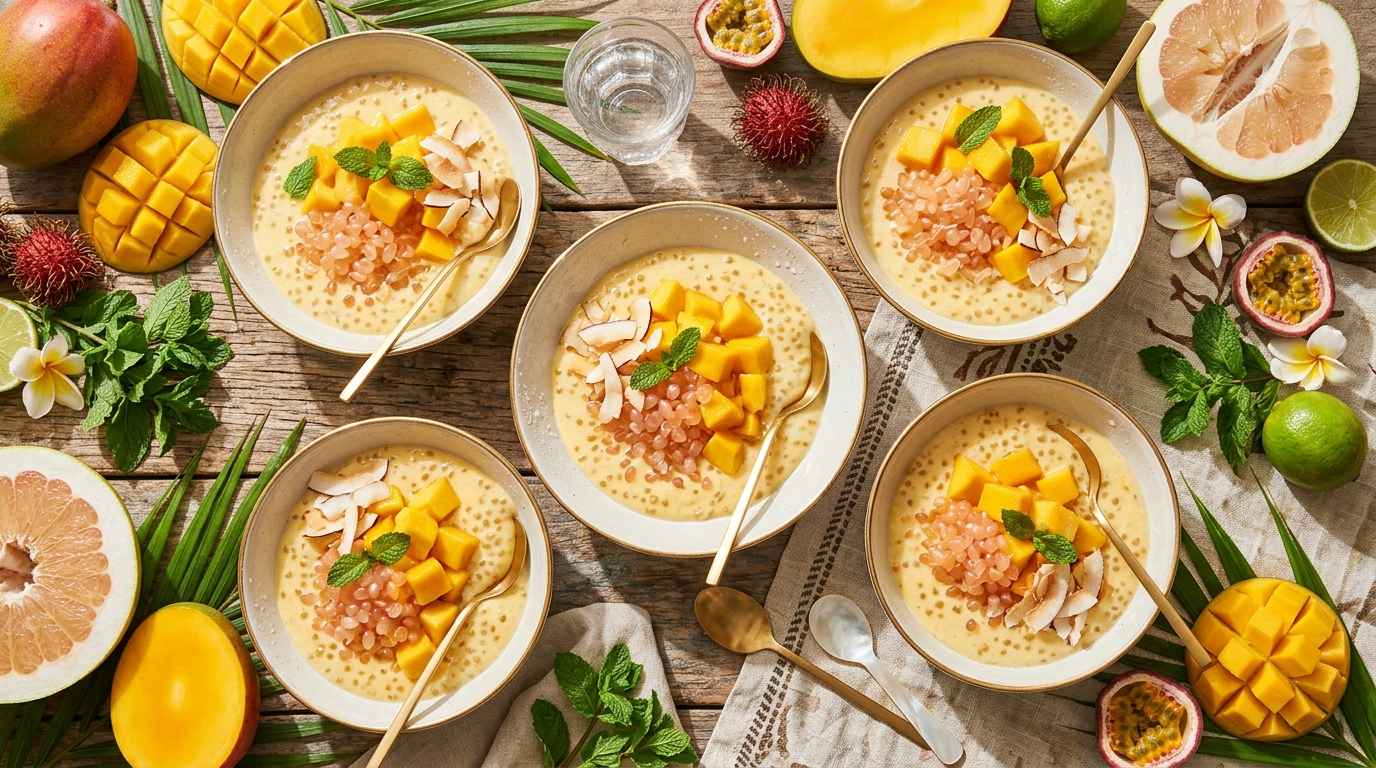
This dessert is particularly popular during warmer months, its cooling properties and refreshing flavors making it an ideal antidote to the heat. It's often served chilled, sometimes with a scoop of vanilla or mango ice cream for an extra decadent touch. The versatility of Mango Pomelo Sago also allows for personal customization. Some may prefer a richer, more condensed milk heavy base, while others opt for a lighter, more milk forward approach. The ratio of mango to pomelo can also be adjusted to suit individual preferences for sweetness and tartness.
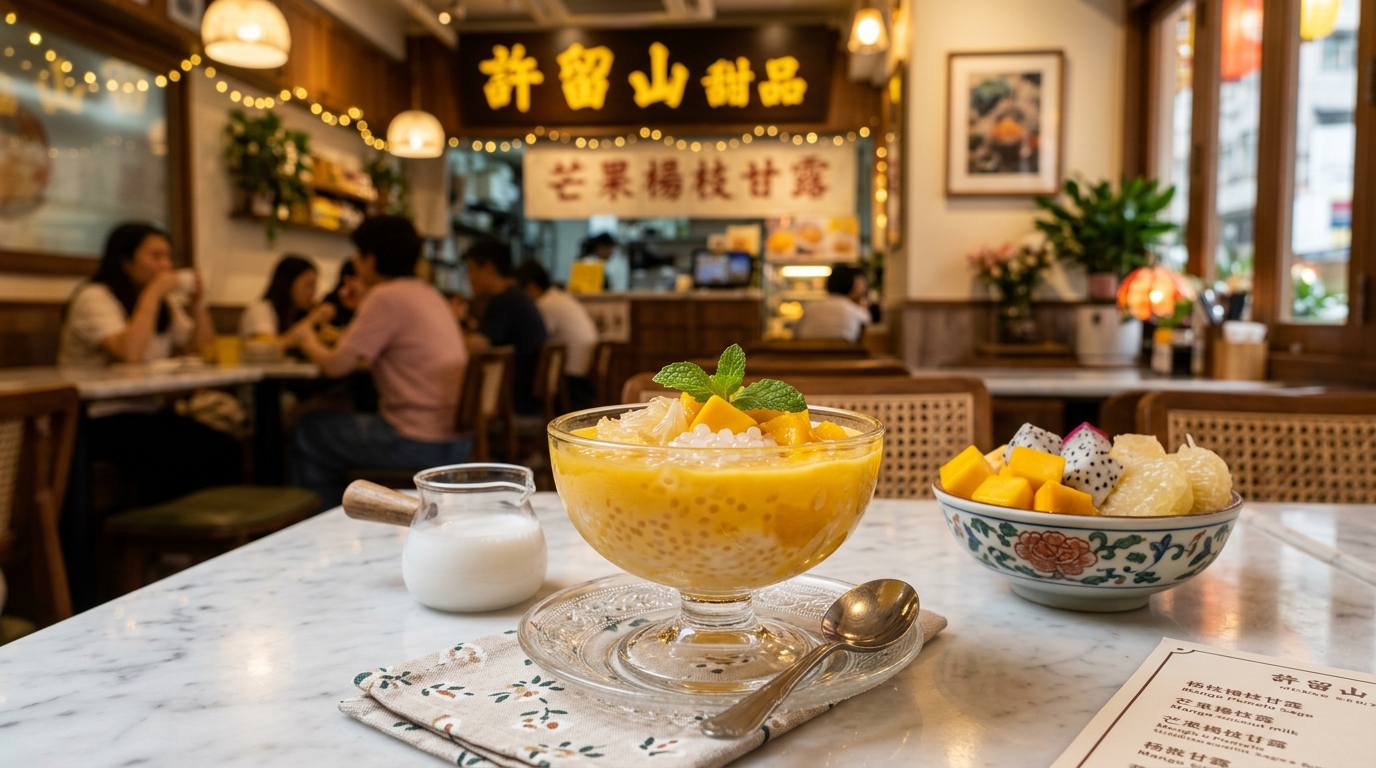
Mango Pomelo Sago stands as a testament to the beauty of simplicity and the power of well chosen ingredients. It's a dessert that delights with its balanced flavors, its intriguing textures, and its inherent tropical charm. Whether enjoyed after a spicy meal or as a light afternoon refreshment, this Hong Kong classic offers a taste of sunshine and pure, unadulterated joy. Its enduring popularity is a clear indicator of its status as a truly exceptional and universally loved sweet treat.
Most Popular











Anaya
comment1