



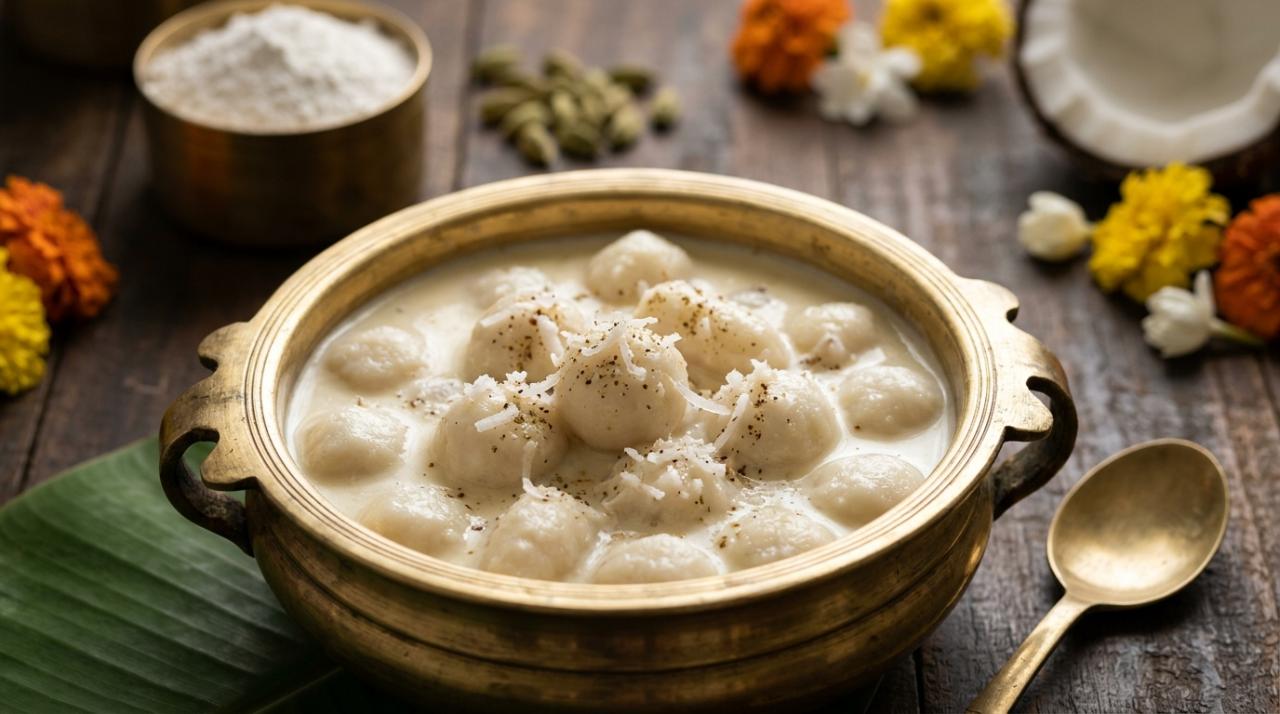
Diwali is a time when traditional recipes bring families together through familiar aromas, treasured memories, and the joy of sharing homemade sweets. Among the many delicacies found in South Indian kitchens, Paal Kozhukattai is especially loved for its soft rice dumplings and creamy, sweet sauce.
This comforting dessert is prepared in different ways across Tamil Nadu and other parts of South India. Small dumplings made from rice flour are gently cooked in sweetened milk or coconut milk, creating a delicate texture that absorbs the flavours of cardamom and jaggery. Some family recipes use cow's milk, while others prefer coconut milk for a richer, dairy-free variation.
If you are searching for a traditional sweet that feels different from fried pastries and dense fudges, this Paal Kozhukattai recipe is worth discovering. Its simple ingredients, gentle cooking process, and creamy finish make it a lovely addition to a homemade Diwali dessert menu.
What Makes Paal Kozhukattai Special?
Paal Kozhukattai combines two familiar elements of South Indian cooking: rice-flour dumplings and sweetened milk. The dumplings are typically small and soft, allowing them to cook evenly and absorb the flavours of the surrounding liquid.
Rice flour provides the structure, while coconut milk adds creaminess and a gentle tropical aroma. Jaggery contributes a deeper sweetness than refined sugar, and cardamom introduces a warm, fragrant note.
The recipe is also versatile. Depending on family traditions, the dumplings may be round, elongated, or shaped into small rice-flour pieces. The sauce can be thick and creamy or slightly lighter, depending on how much liquid is used.
Ingredients for Homemade Paal Kozhukattai
This recipe serves approximately four people.
For the rice dumplings
- 1 cup rice flour
- Approximately 1 cup hot water, added gradually
- A pinch of salt
- 1 teaspoon ghee, optional
For the sweet coconut milk sauce
- 1 cup thick coconut milk
- 1½ cups thin coconut milk or water
- ½ cup grated jaggery, adjusted to taste
- ¼ teaspoon cardamom powder
- 1 tablespoon grated coconut, optional
Optional variation: Replace some or all of the coconut milk with cow's milk for a different traditional-style preparation. Avoid boiling coconut milk vigorously, as it may split.
How to Make Paal Kozhukattai Step by Step
Step 1: Prepare the Rice-Flour Dough
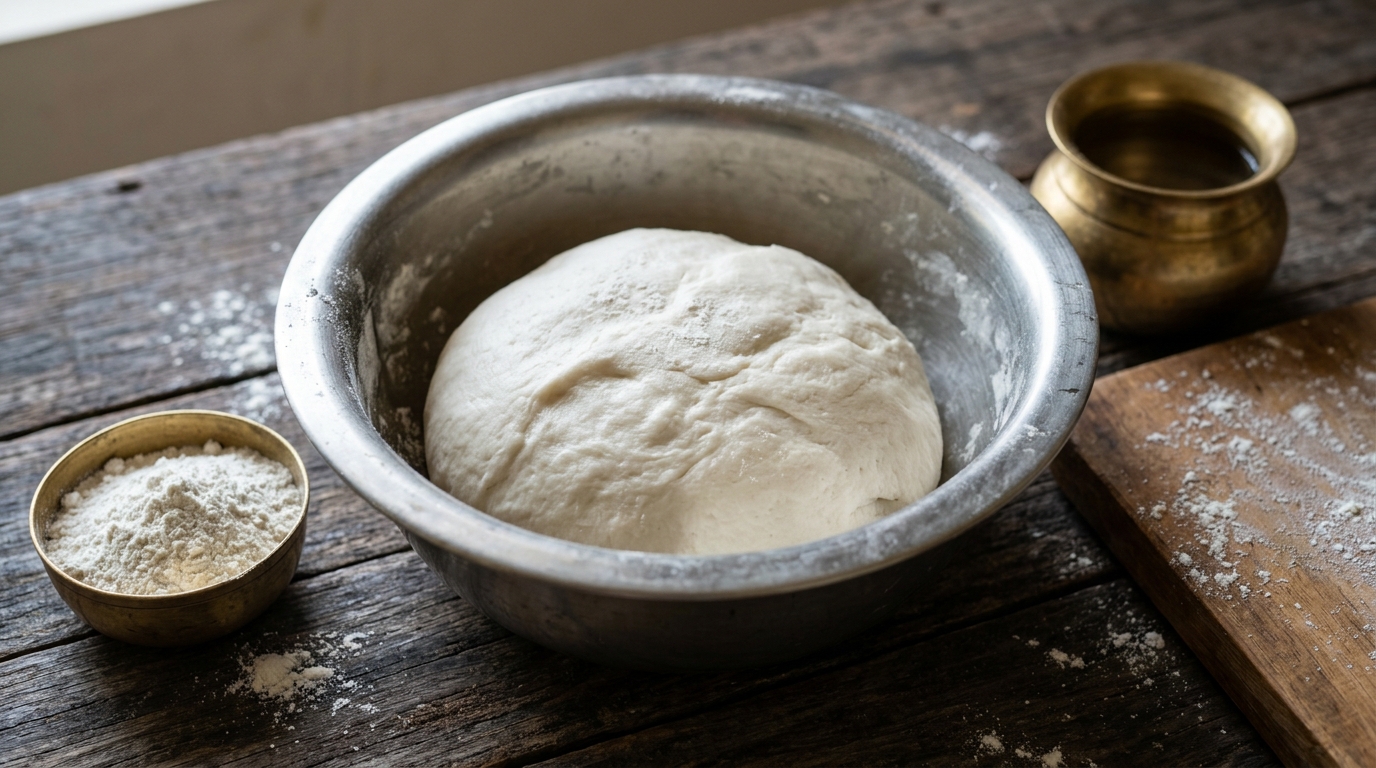
Place the rice flour and salt in a heatproof bowl. Gradually add hot water while mixing with a spoon until the flour begins to form a soft dough.
When the mixture is cool enough to handle, knead it gently until smooth. Add a little ghee if desired to improve softness.
The dough should be pliable and easy to shape without sticking excessively to your fingers. If it feels dry, add a little more hot water; if too sticky, allow it to cool slightly before adjusting.
Step 2: Shape the Dumplings
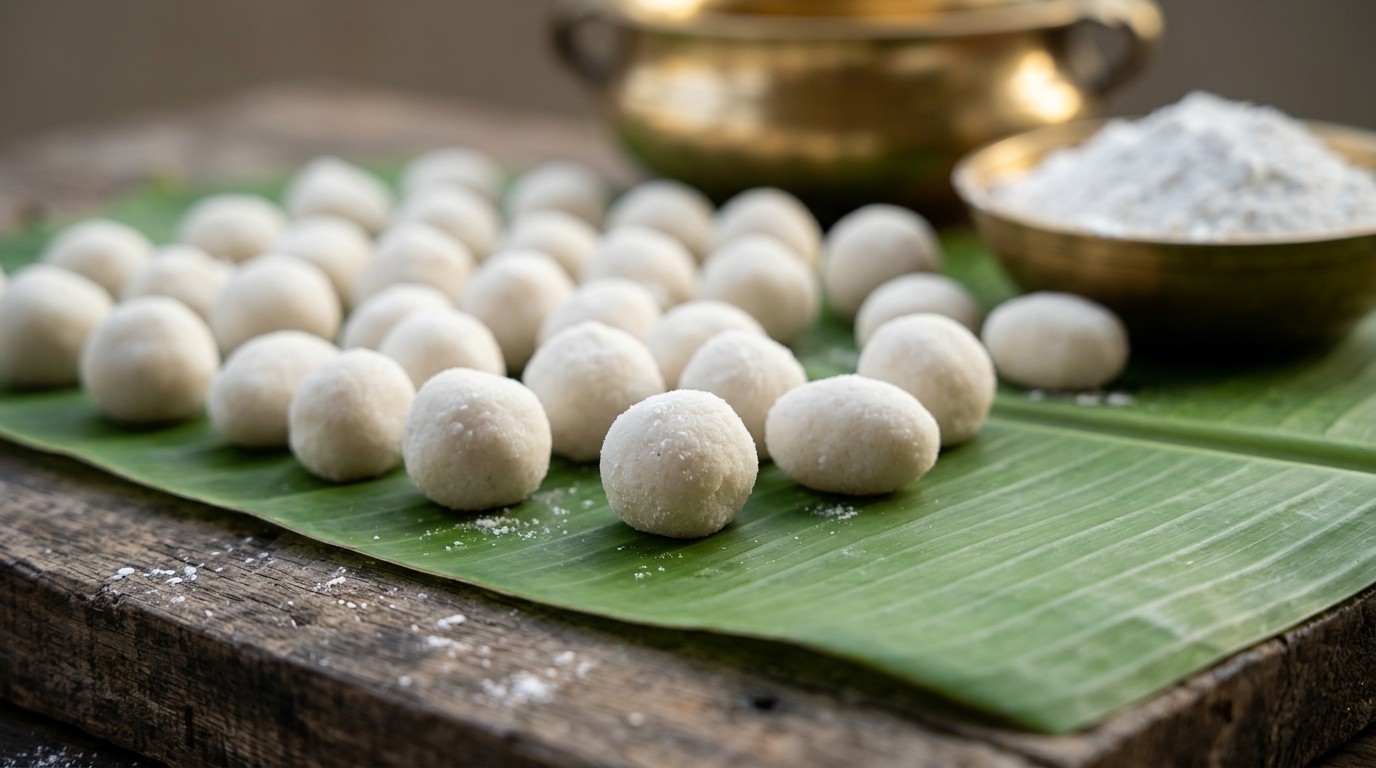
Grease your palms lightly with ghee or water. Take small portions of dough and roll them into smooth balls approximately the size of a chickpea or small marble.
Keep the pieces relatively uniform so they cook evenly. Place the shaped dumplings on a clean plate and cover them with a damp cloth to prevent drying.
Step 3: Prepare the Jaggery Syrup
Place the grated jaggery in a small saucepan with a little water. Heat gently until dissolved, then strain the liquid to remove any impurities.
Set the syrup aside. Straining is particularly helpful when using traditional jaggery that may contain small particles.
Step 4: Cook the Dumplings
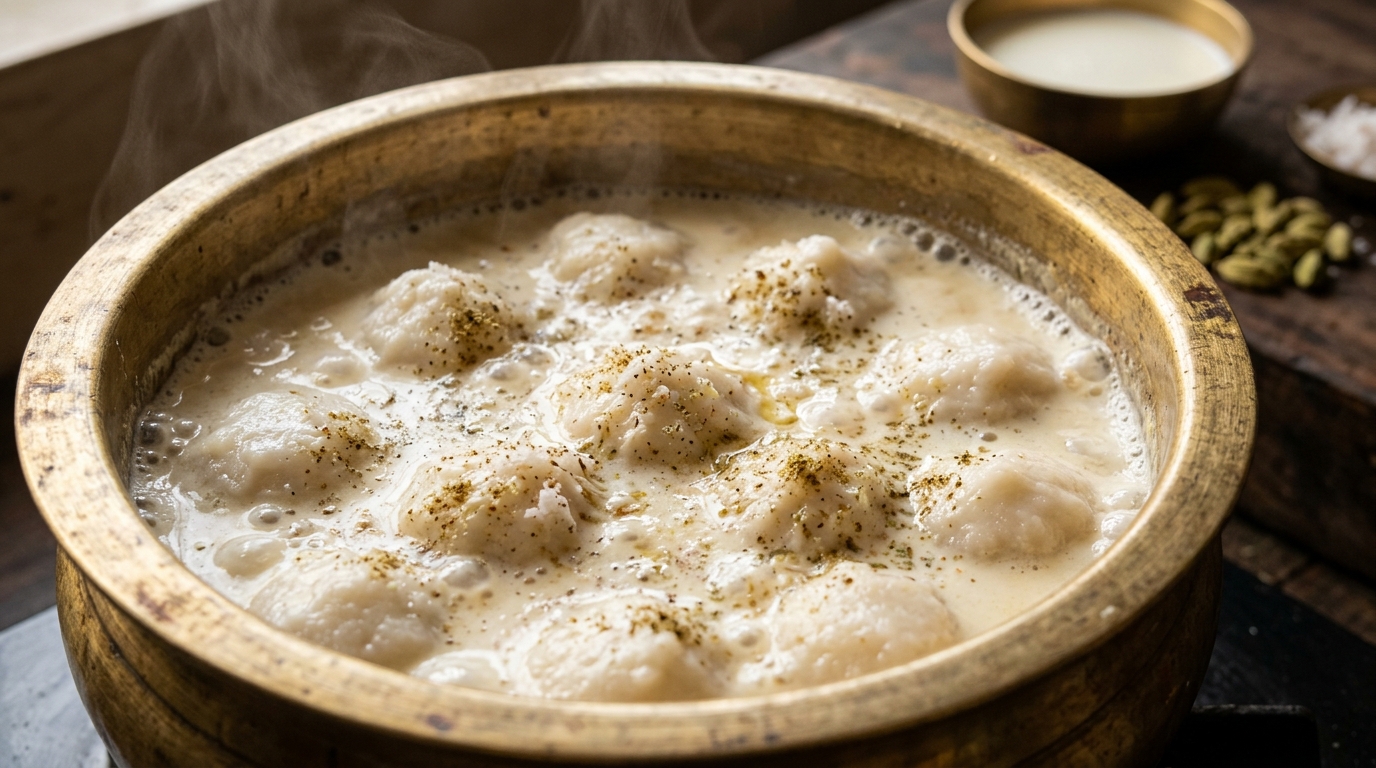
Bring the thin coconut milk or water to a gentle simmer in a heavy-bottomed saucepan. Add the rice dumplings carefully, stirring lightly to prevent them from sticking together.
Cook over low to medium-low heat until the dumplings become tender and cooked through. This usually takes several minutes, depending on their size.
Avoid vigorous stirring, as the dumplings can break apart. If the liquid becomes too thick before the dumplings are cooked, add a little hot water.
Step 5: Add Jaggery and Coconut Milk
Once the dumplings are cooked, lower the heat and add the strained jaggery syrup. Stir gently to combine.
Add the thick coconut milk and cardamom powder. Warm the mixture gently until heated through, but do not allow it to boil vigorously.
Taste and adjust the sweetness if needed. Allow the dessert to rest for a few minutes before serving so the flavours can blend.
Expert Tips for Perfect Paal Kozhukattai
The most important step in this Paal Kozhukattai recipe is preparing a smooth, pliable rice-flour dough. A dough that is too dry may crack during shaping, while an overly wet dough can produce sticky dumplings.
Use hot water gradually and keep the shaped dumplings covered until cooking. Maintain a gentle simmer to prevent the pieces from breaking apart.
For the best coconut flavour, use good-quality coconut milk and add the thick portion towards the end. If the dessert becomes too thick as it cools, loosen it with a little warm water or coconut milk before serving.
Because jaggery sweetness varies, add the syrup gradually and taste before adding more.
How to Serve and Store Paal Kozhukattai
Serve Paal Kozhukattai warm in small bowls, with plenty of soft dumplings and creamy coconut sauce. A light sprinkle of cardamom or a little grated coconut can provide an attractive finishing touch.
It works beautifully alongside drier festive sweets such as Thekua, Mohanthal, or Karanji, offering a creamy contrast to crisp and crumbly textures.
Because this dessert contains cooked rice flour and coconut milk, refrigerate leftovers promptly in a covered container. Consume within a short period, reheat gently, and add a little liquid if the sauce thickens during storage.
A Traditional Sweet Worth Sharing
Paal Kozhukattai celebrates the beauty of simple ingredients transformed through careful preparation. Soft rice dumplings, fragrant cardamom, sweet jaggery, and creamy coconut milk come together to create a dessert that feels comforting and festive.
By trying this Paal Kozhukattai recipe, you can explore a beloved South Indian dessert and bring something distinctive to your Diwali table. Whether you prepare it for family gatherings or serve it as part of a larger festive feast, every bowl offers a delicious reminder of the traditions that make homemade sweets special.
Most Popular









Anaya
comment1