



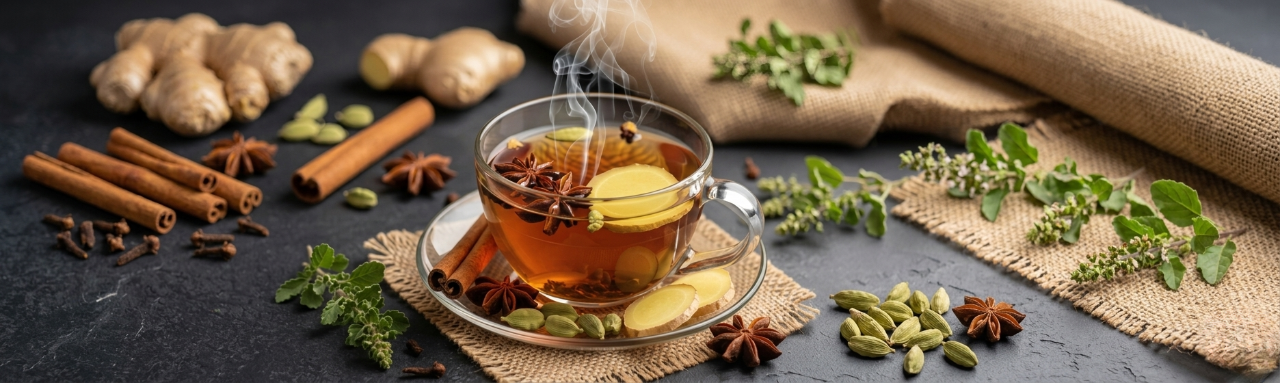
The Enduring Charm of Sri Lankan Tea Culture
Sri Lanka, the Pearl of the Indian Ocean, is synonymous with world-class tea. While the nation's tea industry is a powerhouse of modern production, its roots are deeply embedded in time honored, traditional methods of tea making. These artisanal techniques, passed down through generations, offer a unique glimpse into the soul of Sri Lankan tea, emphasizing quality, nuance, and a profound connection to the land. Exploring these traditional practices is not just about appreciating a beverage; it's about understanding a cultural heritage that continues to thrive.
From Leaf to Cup: The Traditional Process
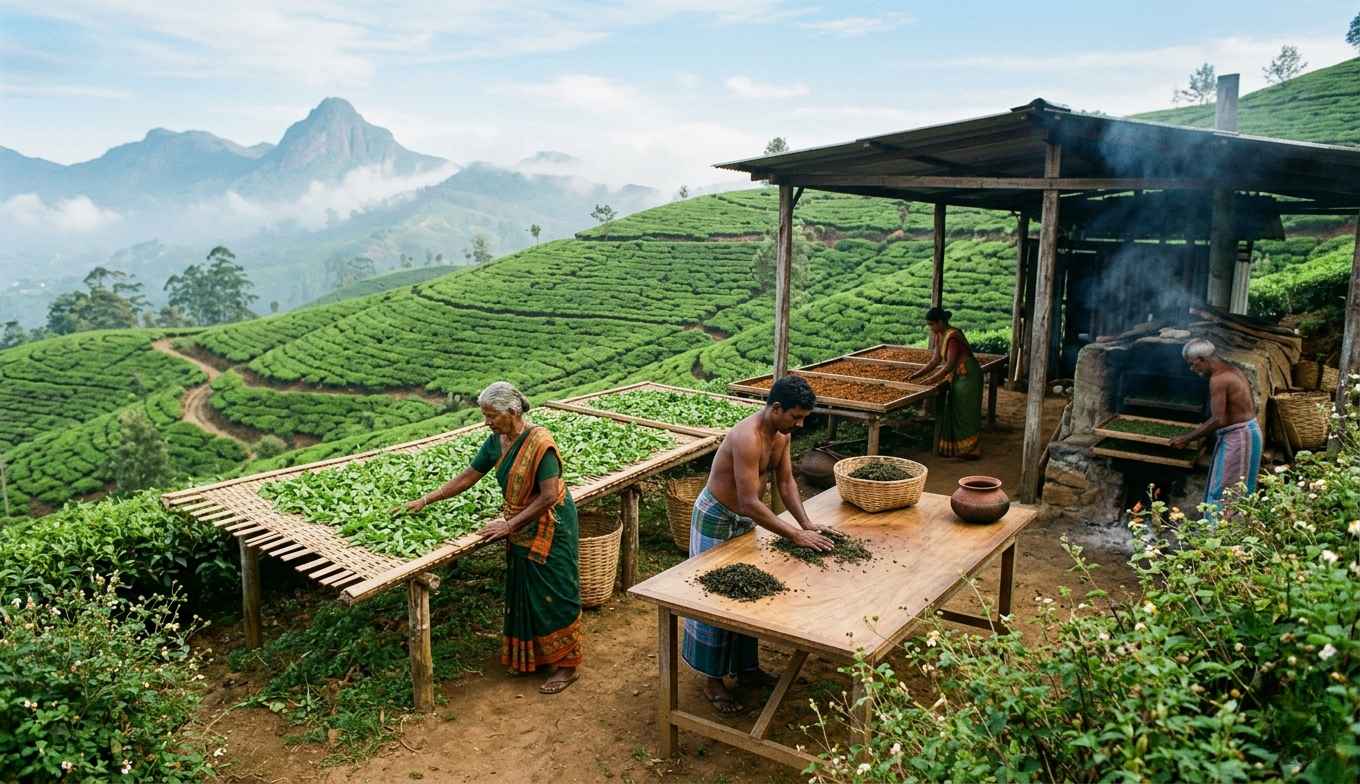
The journey of traditional Sri Lankan tea begins with the meticulous selection of tea leaves. Unlike mass production, which often relies on machinery for plucking, traditional methods favor hand picking. Skilled tea pluckers, often women, carefully select only the top two leaves and a bud, known as the 'flush'. This selective plucking ensures the highest quality of leaf, rich in flavor and aroma. The timing of the pluck is also crucial, often influenced by weather patterns and the specific varietal of tea being cultivated. Some traditions dictate plucking at dawn, believed to capture the essence of the morning dew.
Withering: A Gentle Transformation
Once plucked, the leaves undergo a crucial 'withering' process. In traditional settings, this is done naturally, spreading the leaves thinly on large trays or bamboo mats in well ventilated, shaded areas. The goal is to gently reduce the moisture content of the leaves, making them pliable for subsequent stages without causing damage. This slow, natural process can take anywhere from 12 to 18 hours, allowing the leaf to undergo subtle biochemical changes that develop its character. The ambient temperature and humidity are carefully monitored, often by experienced individuals who can sense the precise point of optimal wilting.
Rolling and Oxidation: Unlocking the Flavors
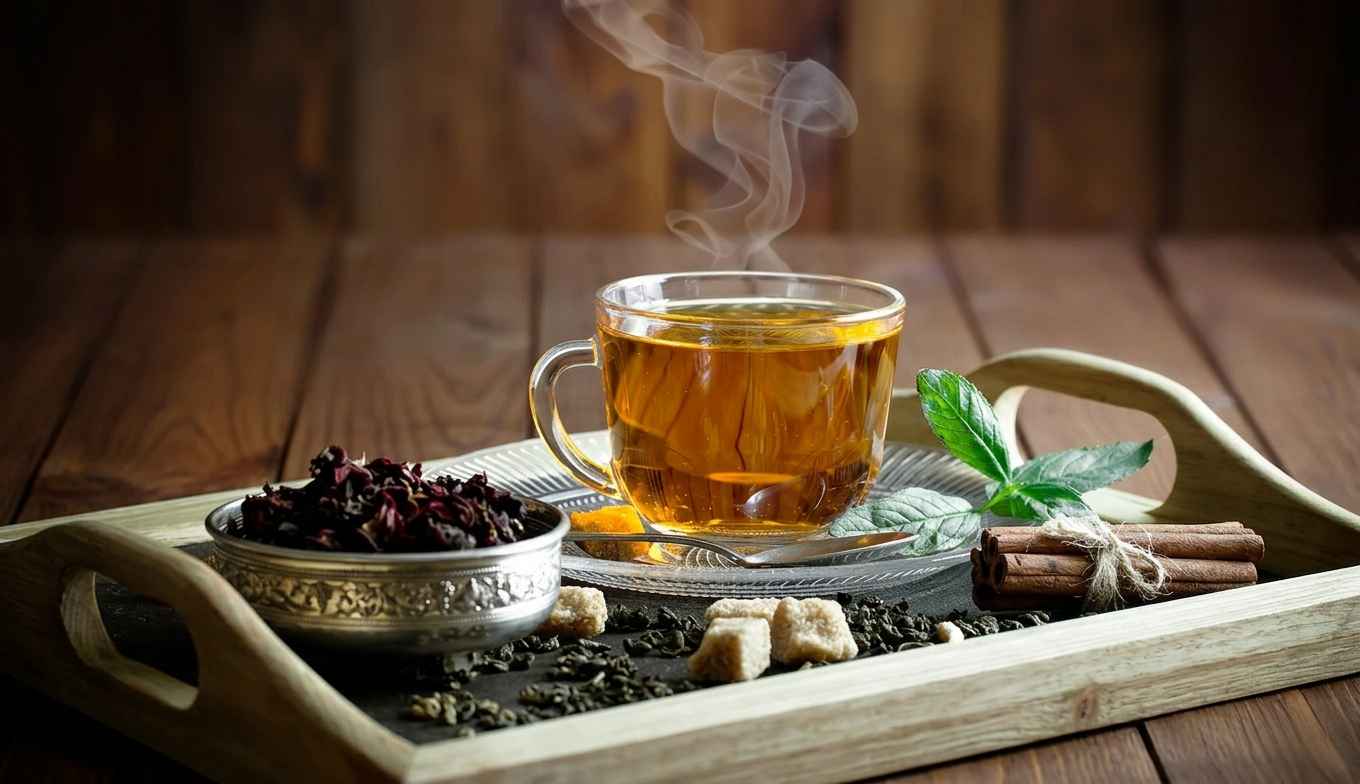
The withered leaves are then gently rolled. This is a delicate process that breaks down the leaf cells, releasing enzymes that initiate oxidation. Traditionally, this rolling was done by hand, either by gently pressing and turning the leaves or by using simple hand operated rolling machines. The type of roll influences the final tea character; a tighter roll often results in a stronger, more brisk tea, while a gentler roll can produce a more delicate infusion. Following rolling, the leaves are spread out again for oxidation, a controlled exposure to air. This is where the tea develops its color and distinctive flavor profiles. For black teas, oxidation is allowed to proceed until the leaves turn a coppery brown. For green teas, this oxidation step is interrupted early through steaming or pan firing, preserving the leaf's natural green hue and grassy notes.
Firing: Preserving the Essence
The final step in the traditional process is firing, or drying. This halts the oxidation process and reduces the moisture content to a stable level, preserving the tea for storage and transport. Traditionally, this was achieved using wood fired ovens or simple drying pans. The heat is carefully controlled to avoid scorching the leaves, ensuring the delicate aromas and flavors are retained. The subtle smoky notes imparted by wood firing are a hallmark of some traditional teas, adding another layer of complexity. Each stage of this traditional process requires a keen eye, a sensitive touch, and an intimate understanding of the tea leaf, making it a true art form.
The Cultural Significance of Traditional Tea Making
Beyond the technical aspects, traditional tea making in Sri Lanka is imbued with cultural significance. It is a practice that fosters community, with families and villages often working together to bring in the harvest and process the tea. The ritual of preparing and sharing tea is central to Sri Lankan hospitality, and offering a cup of traditionally made tea is a gesture of respect and welcome. Many smallholder farmers and estates continue to practice these methods, not just for economic reasons, but out of a deep pride in their heritage. These traditions ensure that the unique terroir and the subtle variations in flavor that Sri Lanka is known for are preserved and celebrated.
Preserving a Legacy for the Future
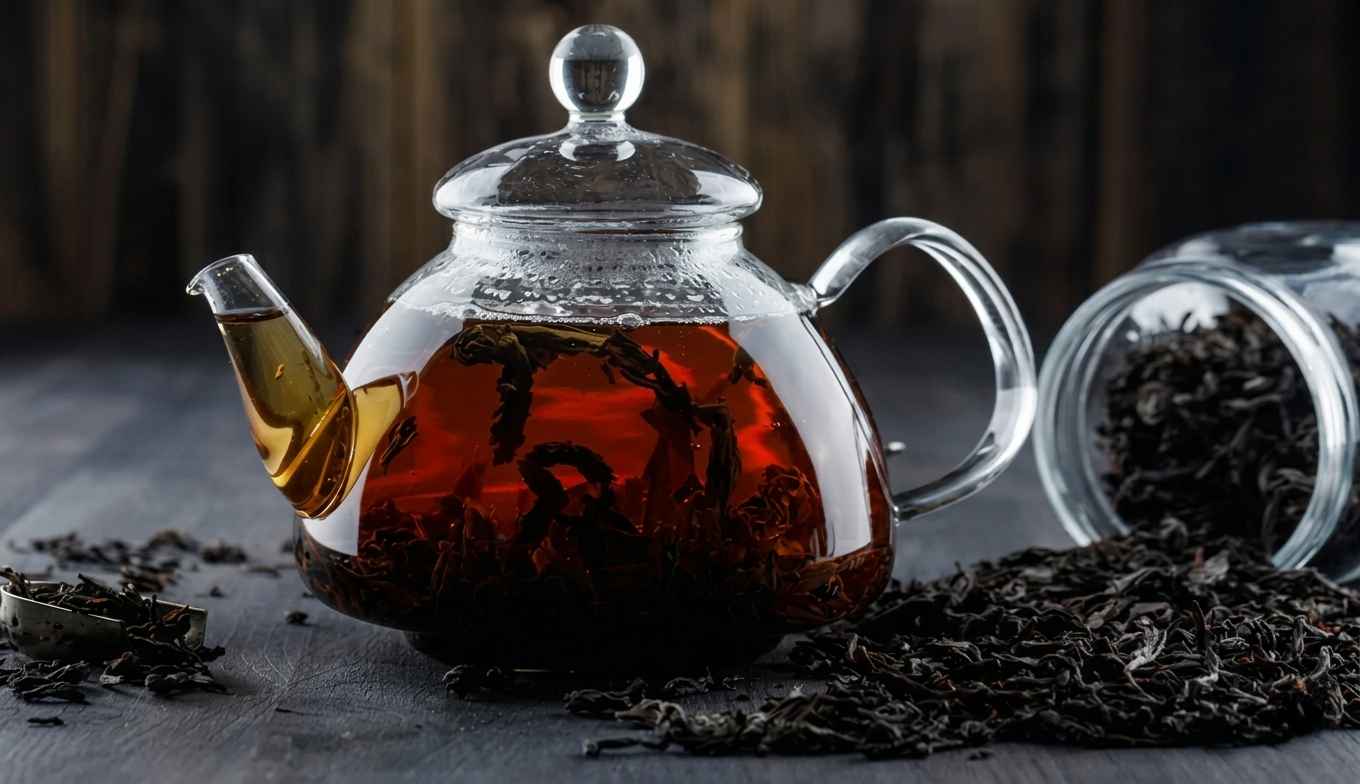
In a world increasingly dominated by efficiency and automation, the preservation of traditional tea making methods in Sri Lanka is a testament to the enduring value of craftsmanship and heritage. These practices offer a pathway to a more sustainable and nuanced approach to tea production, connecting consumers directly to the origins of their favorite brew. By understanding and supporting these traditional methods, we not only savor exceptional teas but also contribute to the safeguarding of a rich cultural legacy, ensuring that the art of Sri Lankan tea making continues to flourish for generations to come.
Most Popular









Anaya
comment1