



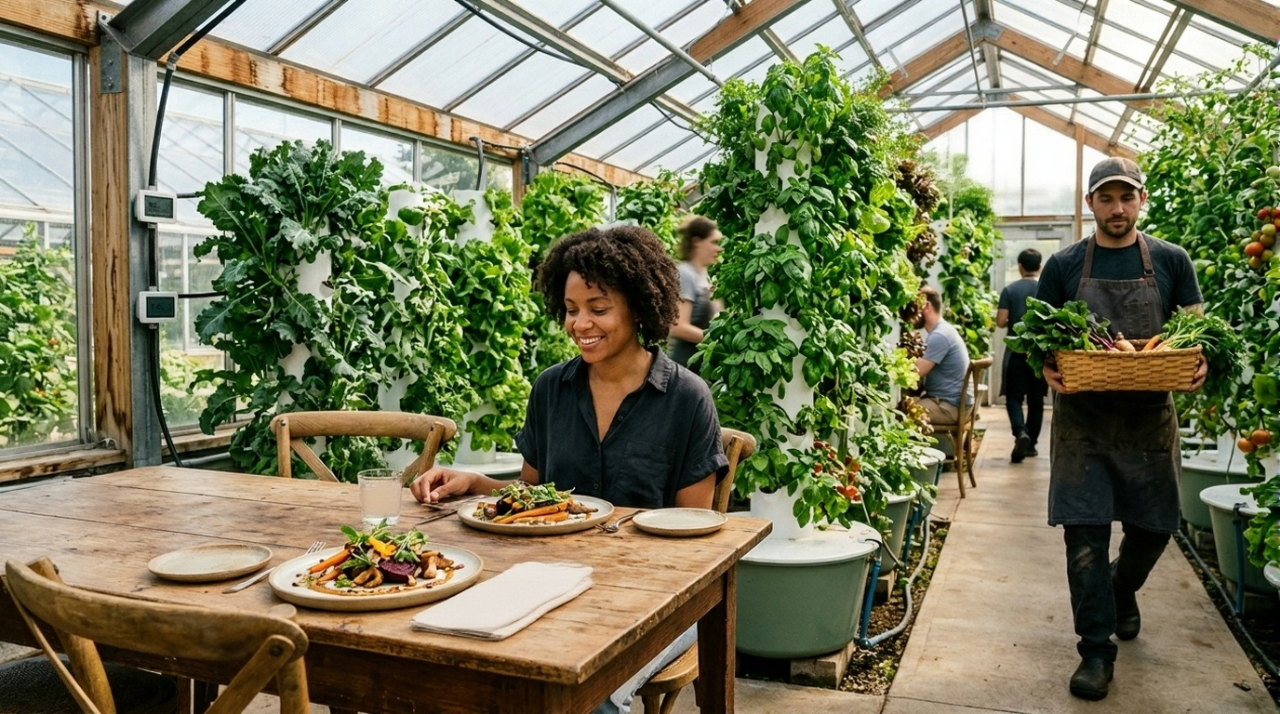
Hey food lovers! Ever wonder what’s cooking in the world of culinary innovation? From the way we grow our food to what’s actually on our plates, the food landscape is constantly evolving. Let’s dive into some of the most exciting food trends that are shaping the future of what we eat.
The Rise of Plant-Based Powerhouses
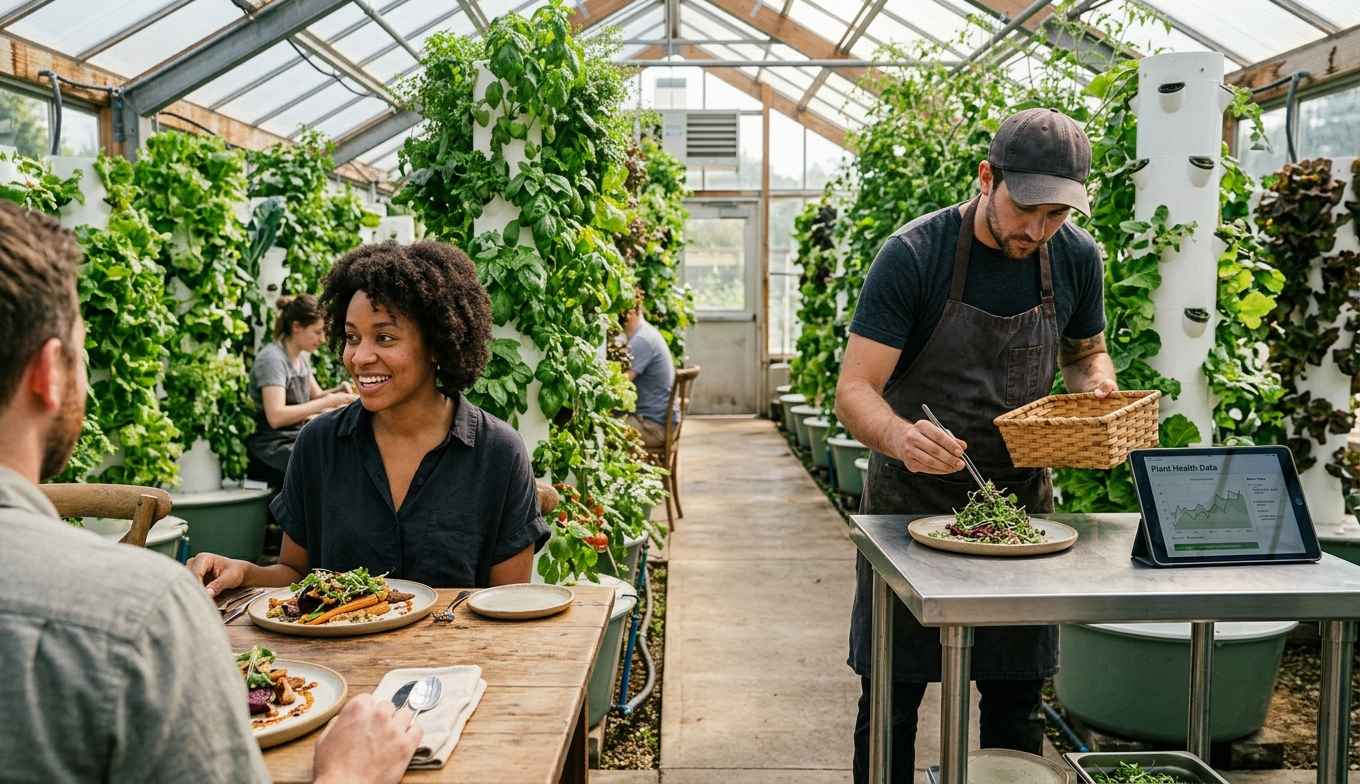
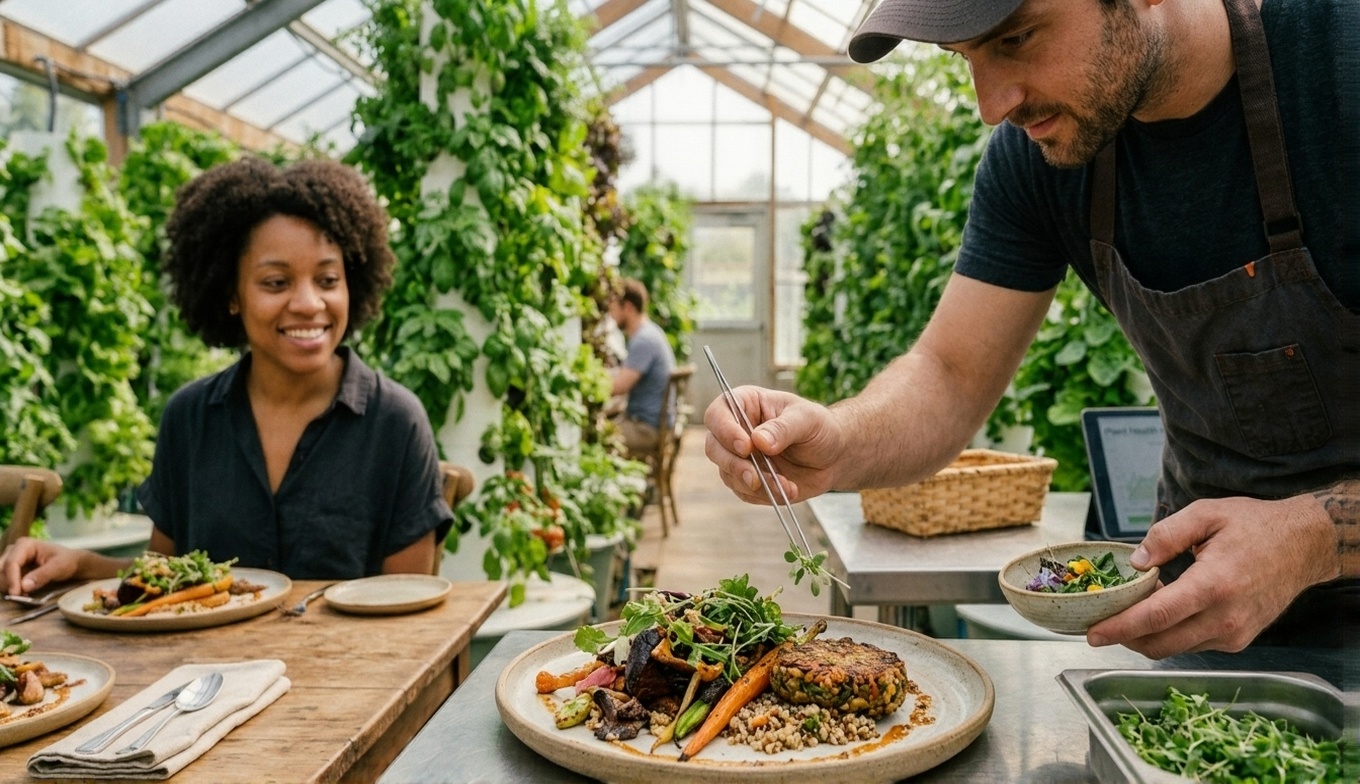
It’s no secret that plant-based eating has gone mainstream. But we’re talking way beyond just a few veggie burgers. Think sophisticated, chef-driven plant-based cuisine that rivals traditional meat dishes in flavor and texture. Innovations in food science are creating incredibly realistic meat and dairy alternatives using ingredients like pea protein, soy, and even fungi. This trend isn't just for vegans and vegetarians anymore; it’s attracting flexitarians and even dedicated carnivores looking to reduce their environmental footprint and explore new tastes. Expect to see even more creative uses of vegetables, legumes, and grains becoming the stars of menus everywhere.
Sustainability on Our Plates
The future of food is inextricably linked to sustainability. Consumers are increasingly aware of the environmental impact of their food choices, driving demand for ethical and eco-friendly options. This translates to a few key areas:
Local and Seasonal Focus
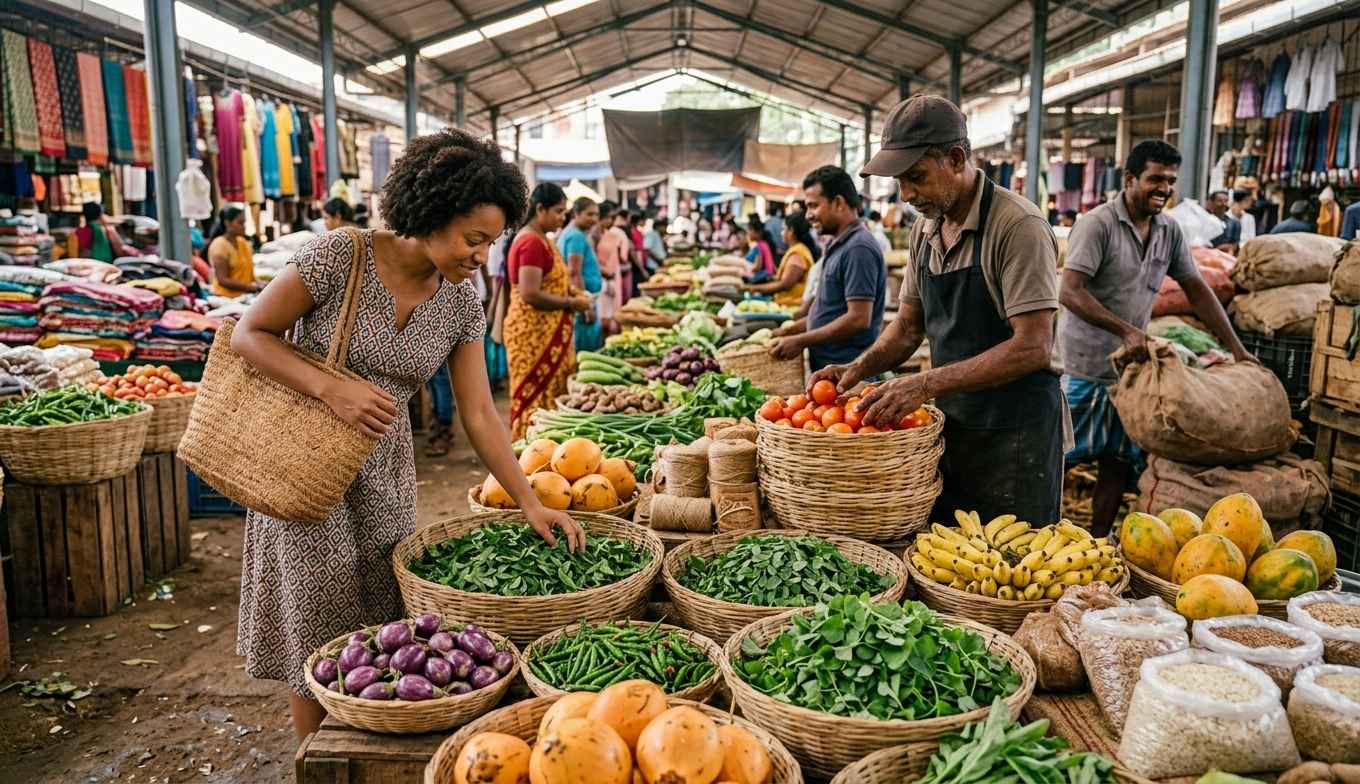
There's a renewed appreciation for eating locally and seasonally. This not only reduces transportation emissions but also ensures fresher, more flavorful ingredients. Farmers' markets are booming, and restaurants are highlighting their partnerships with local growers. This movement supports local economies and fosters a deeper connection to where our food comes from.
Reducing Food Waste
From farm to fork, initiatives to combat food waste are gaining traction. This includes everything from restaurants utilizing “ugly” produce that might otherwise be discarded to innovative packaging solutions that extend shelf life. We’re also seeing a rise in upcycled foods, where ingredients that are typically considered waste are transformed into delicious new products.
Technology's Culinary Touch
Technology is quietly revolutionizing the food industry in ways we might not even realize. Here are a couple of game-changers:
Vertical Farming and Urban Agriculture
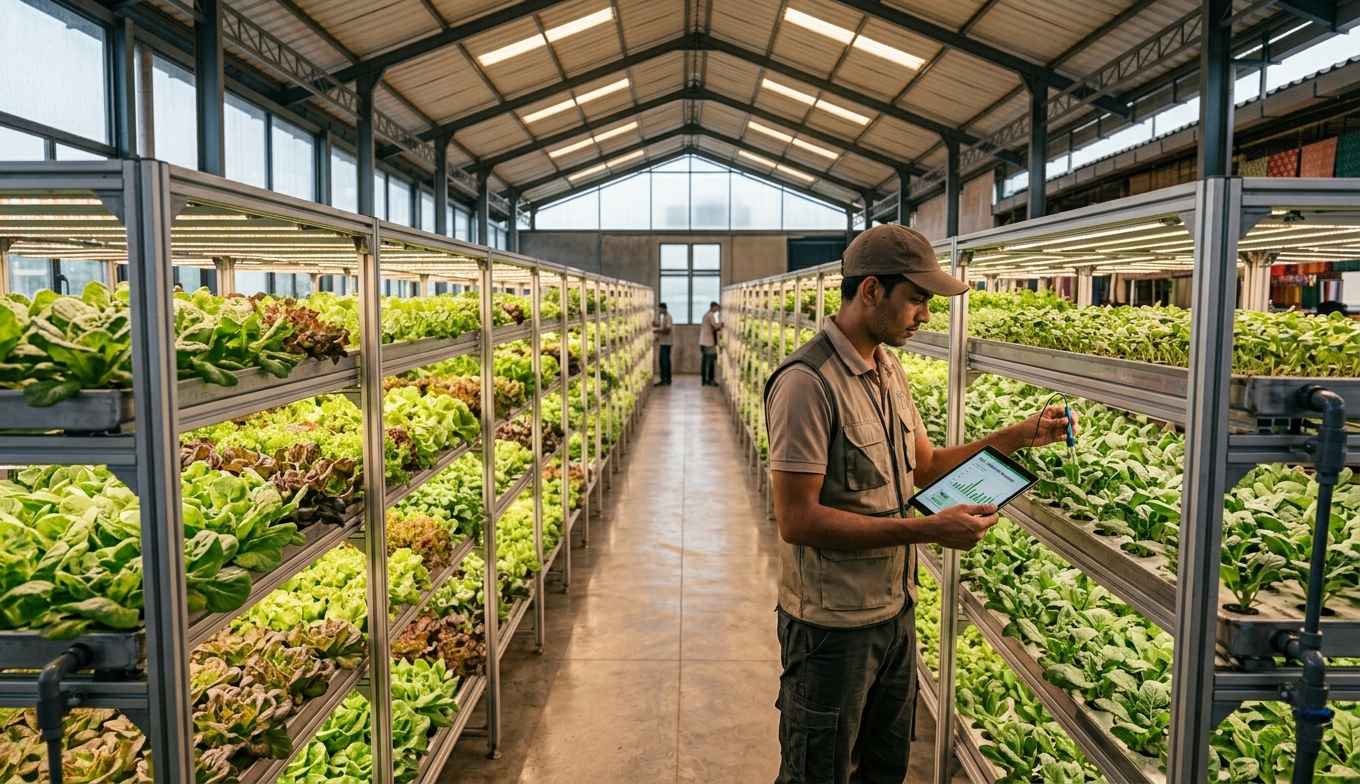
Imagine fresh produce grown right in your city, year-round! Vertical farms and other forms of urban agriculture are making this a reality. These controlled environments use less water and land, and can significantly cut down on the distance food travels from farm to table, leading to fresher produce and a lower carbon footprint.
AI and Data in Food Production
Artificial intelligence and data analytics are being used to optimize crop yields, improve food safety, and even personalize nutritional recommendations. From predicting pest outbreaks to developing more efficient supply chains, technology is making food production smarter and more resilient.
The Experience Economy Extended to Food
Eating is more than just nourishment; it’s an experience. This trend continues to grow, with diners seeking unique and memorable culinary adventures. This can manifest in several ways:
Immersive Dining
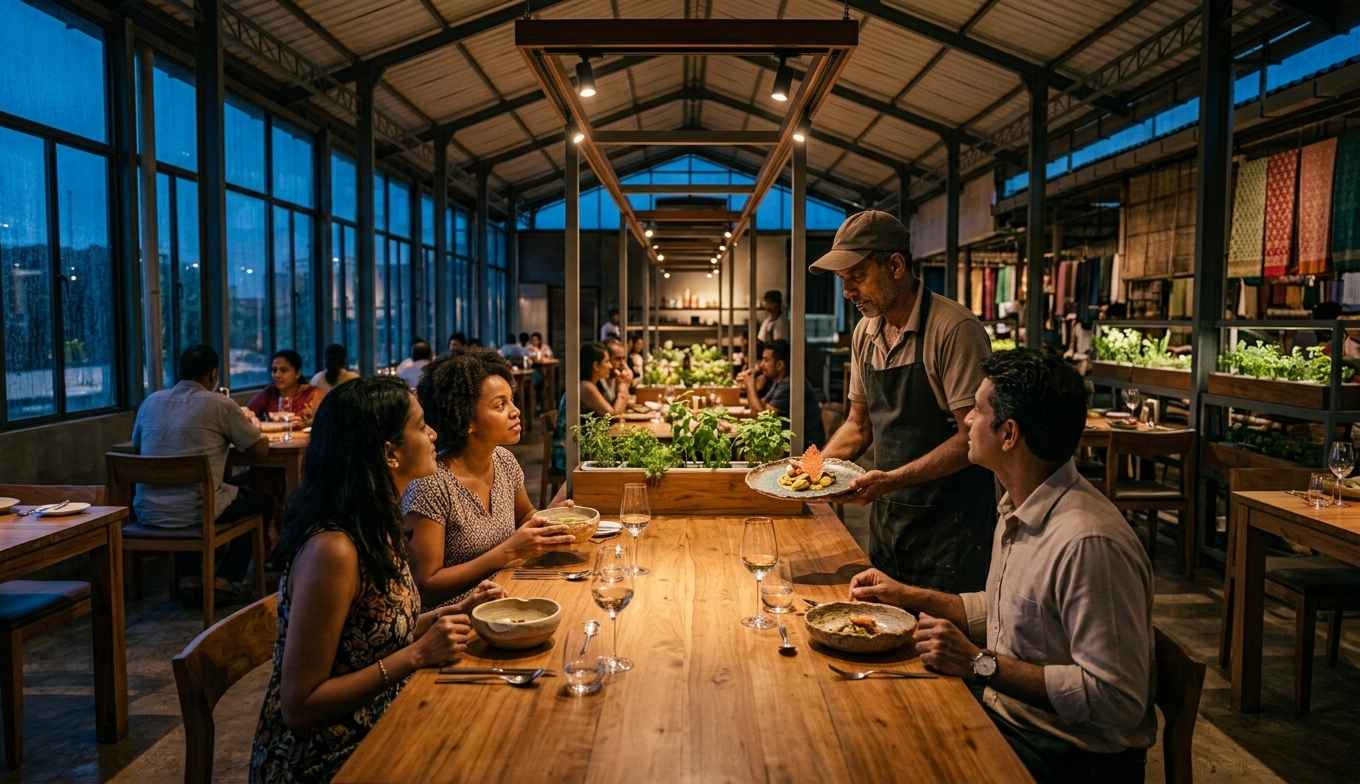
Think themed restaurants, interactive cooking classes, and pop-up dining experiences that engage all the senses. These events go beyond just the food to create a complete sensory journey.
Personalized Nutrition
With advancements in genetic testing and health tracking, personalized nutrition is becoming more accessible. This means food tailored not just to our taste preferences but also to our individual health needs and goals.
The future of food is looking bright, innovative, and more conscious than ever. From the widespread adoption of plant-based diets and a deep commitment to sustainability, to the integration of cutting-edge technology and the elevation of dining into an art form, we’re on the cusp of a culinary revolution. These emerging food trends promise not only exciting new flavors and experiences but also a more responsible and healthier way of eating for everyone. So, what food trends are you most excited to try?
Most Popular









Anaya
comment1