



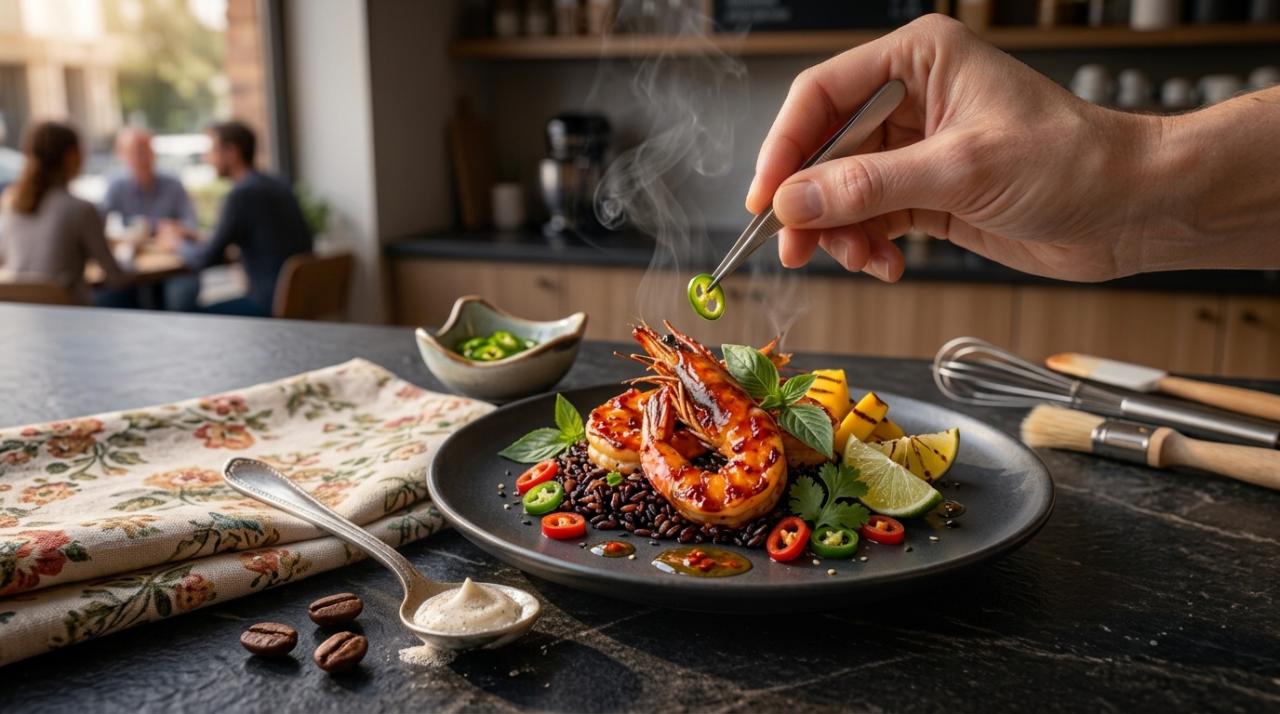
For centuries, the allure of spicy food has captivated palates worldwide. From the fiery curries of India to the zesty chiles of Mexico, heat has been a cornerstone of diverse culinary traditions. However, the landscape of spicy food is undergoing a fascinating transformation. It's no longer just about raw intensity; modern chefs and home cooks are exploring new dimensions of flavor, texture, and creative pairings, elevating spicy dishes to an art form.
Beyond the Burn Flavor Infusion and Nuance
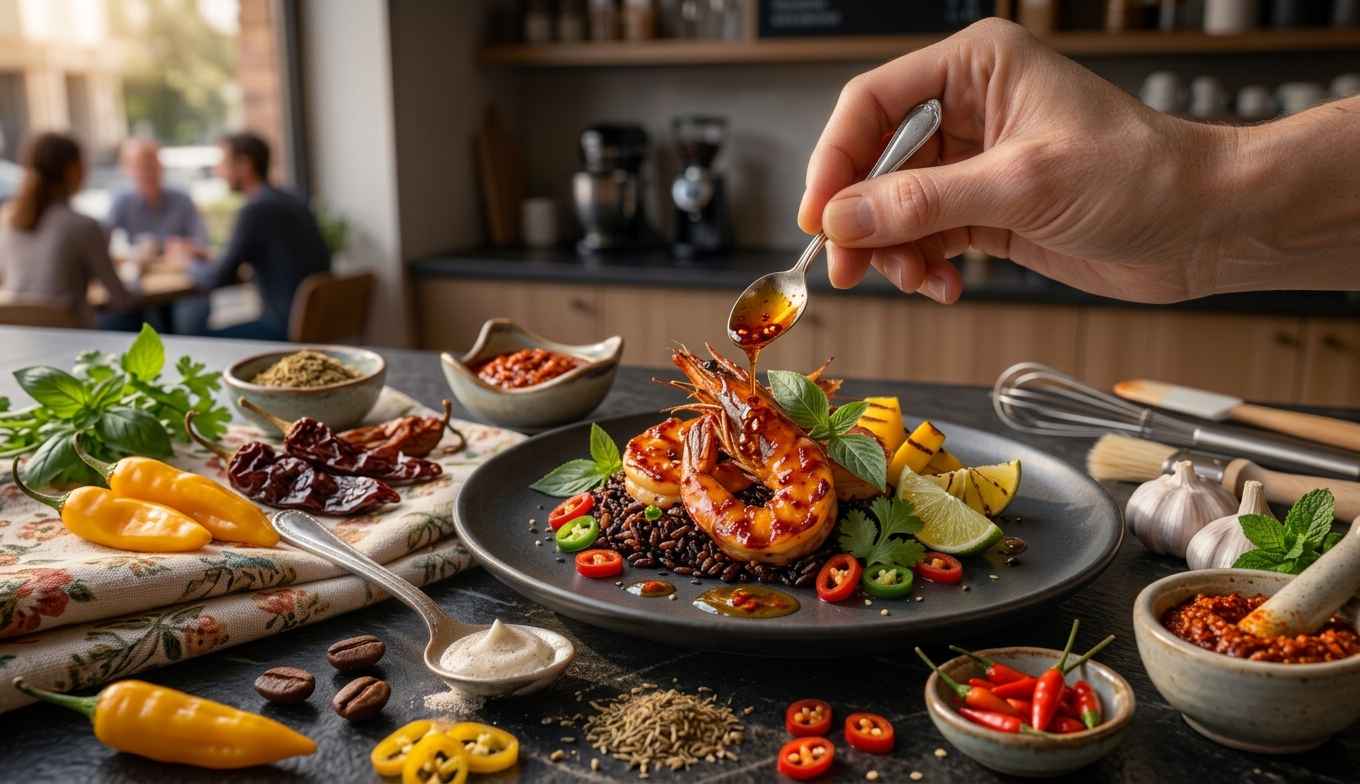
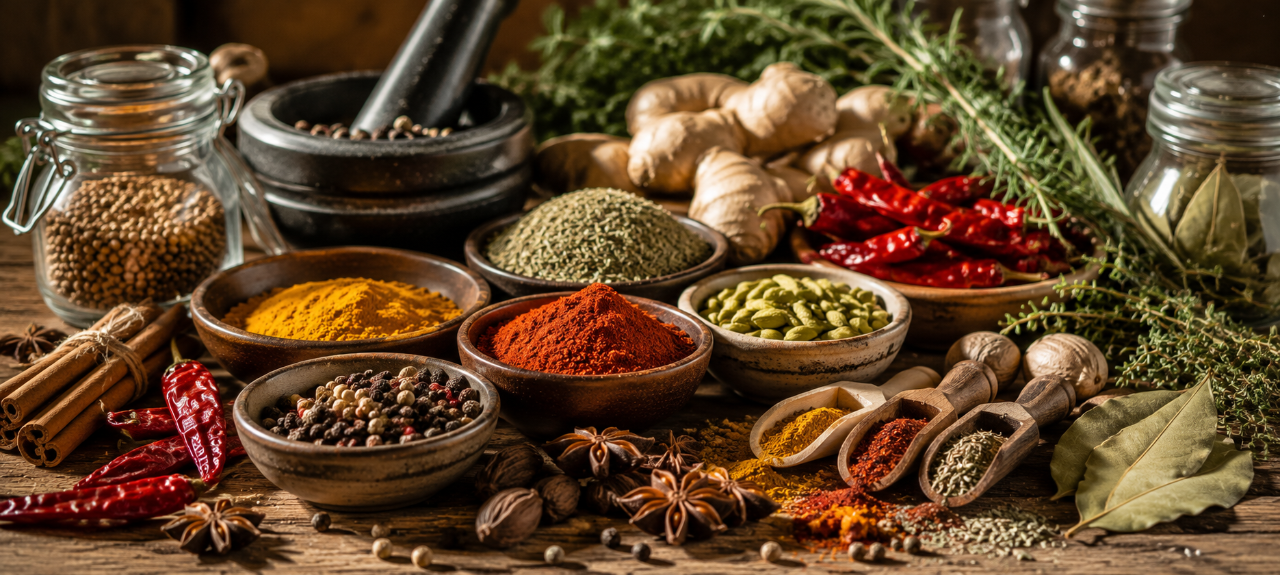
The perception of spicy food is shifting. While a powerful kick remains a desirable element for many, the focus is increasingly on the nuanced flavors that accompany the heat. This involves a deeper understanding of different chili peppers, each possessing its own unique aromatic profile and heat level. Chefs are experimenting with less common varieties like aji amarillo for its fruity notes, ghost peppers for their intense but fleeting burn, and smoked chipotle for its rich, savory depth. This careful selection allows for a more complex and layered taste experience.
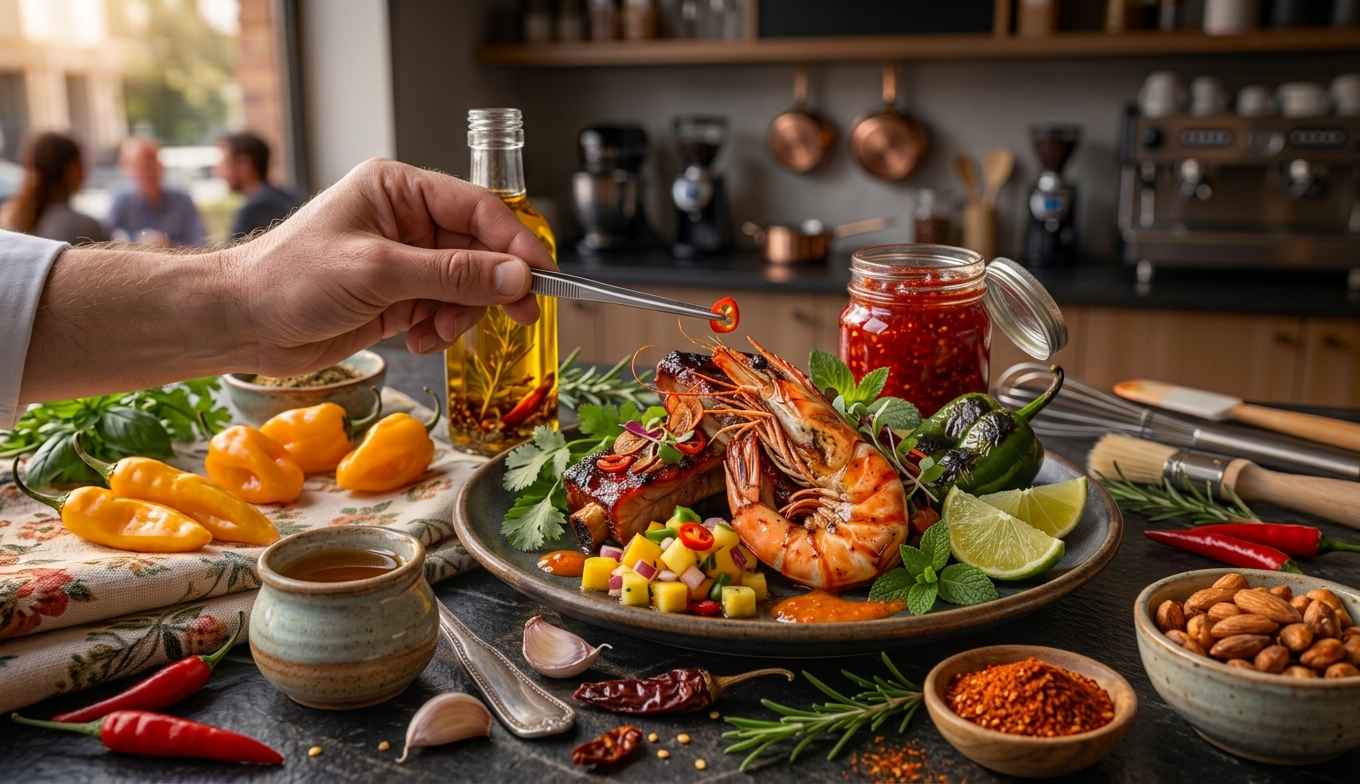
Furthermore, the integration of spice is becoming more sophisticated. Instead of simply dousing a dish in hot sauce, culinary artists are infusing heat at various stages of the cooking process. This can involve marinating meats with chili pastes, incorporating finely diced peppers into sauces and dressings, or even using chili oils to add a subtle warmth and aroma. The goal is to create a harmonious balance where the spice complements, rather than overwhelms, the other ingredients.
Innovative Pairings and Global Influences
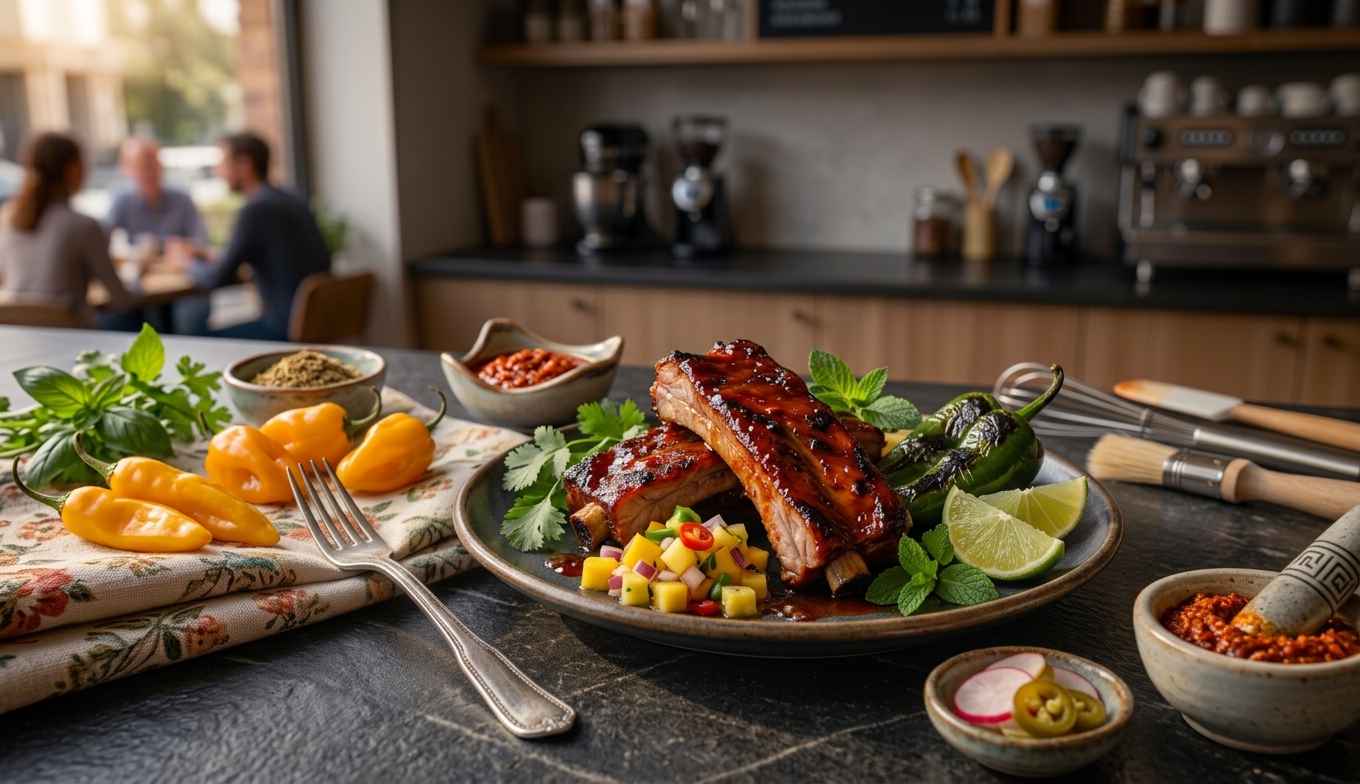
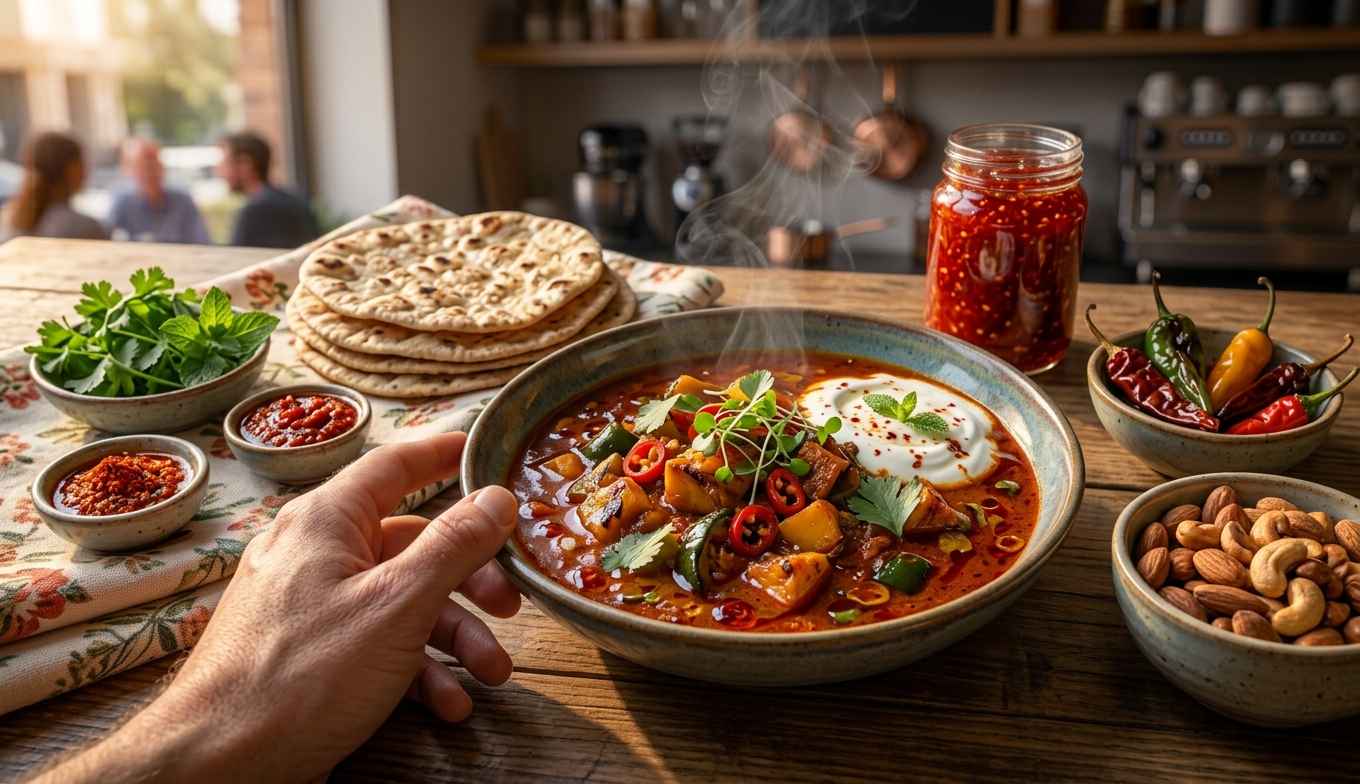
The creative spirit in spicy cuisine extends to its pairings. Traditional flavor combinations are being challenged and reimagined. For instance, the common pairing of spicy food with cooling dairy like yogurt or sour cream is being expanded. Chefs are exploring unexpected accompaniments such as tropical fruits for a sweet and tart contrast, herbaceous elements like cilantro and mint to cut through the richness, or even the umami punch of fermented ingredients. This innovative approach opens up a world of possibilities, making spicy dishes more accessible and appealing to a broader audience.
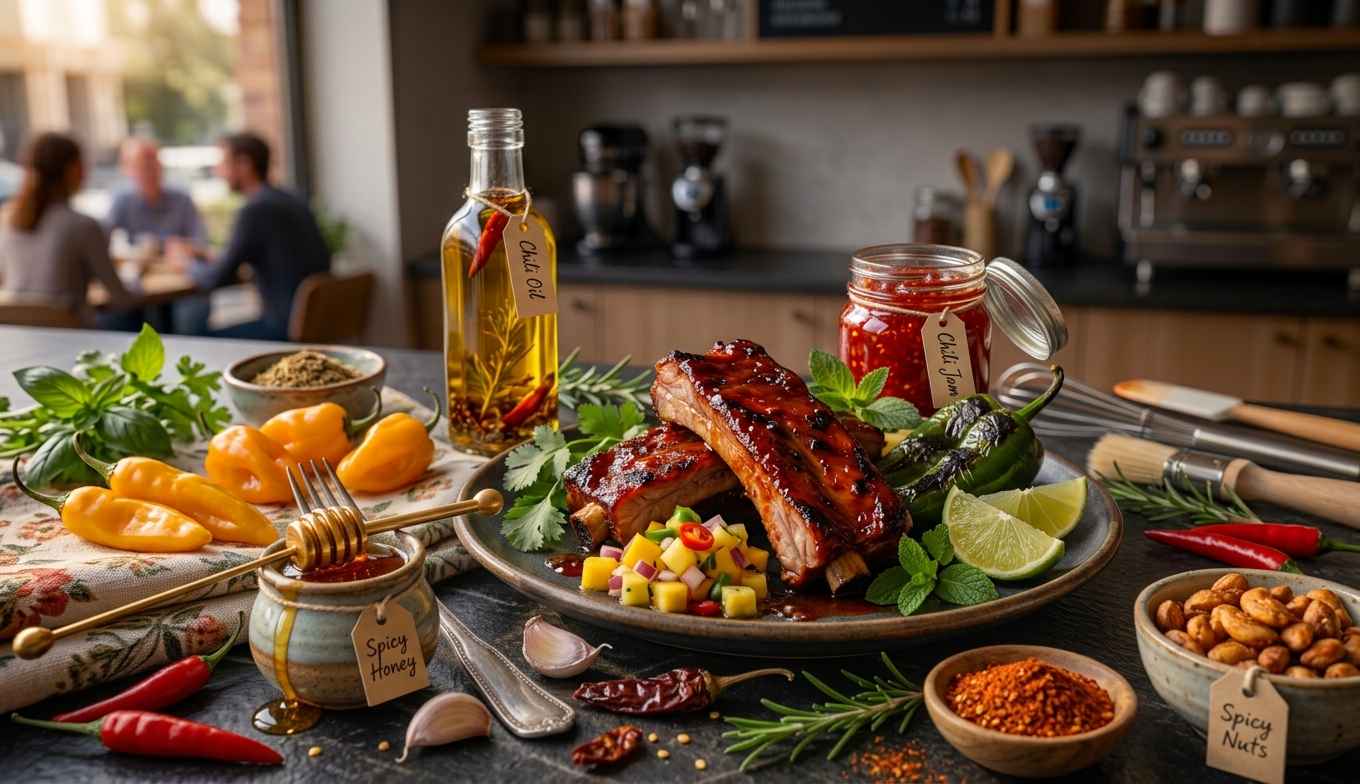
Global influences are also playing a significant role in this culinary evolution. Fusion cuisine is at the forefront, with chefs blending the bold flavors of one culture with the techniques and ingredients of another. Imagine a Korean gochujang glaze on a rack of slow-cooked American barbecue ribs, or a Thai green curry infused with the earthy notes of Mexican poblano peppers. These cross-cultural collaborations are leading to exciting and unprecedented taste sensations.
The Rise of Creative Spicy Products
This creativity isn't confined to restaurant kitchens. The retail market is also witnessing an explosion of innovative spicy products. Beyond standard hot sauces, consumers can now find artisanal chili jams, spicy infused honeys, gourmet chili powders with unique spice blends, and even spicy snacks that offer a sophisticated flavor profile alongside their heat. These products empower home cooks to experiment and bring a touch of professional creativity to their own meals.
The journey of spicy food is far from over. As culinary techniques advance and palates become more adventurous, we can expect even more exciting innovations. The emphasis on flavor nuance, intelligent pairings, and cross-cultural influences ensures that spicy food will continue to evolve, offering thrilling and memorable experiences for food lovers everywhere. So, the next time you seek a culinary adventure, don't shy away from the heat; embrace the creative possibilities it unlocks.
Most Popular








Anaya
comment1