




Food is more than just sustenance; it is a profound cultural artifact, a storyteller, and a powerful connector. Every dish, from the simplest to the most elaborate, carries within it narratives of history, tradition, geography, and the people who created it. This intrinsic connection between food and storytelling is what we explore in the concept of 'Stories on a Plate.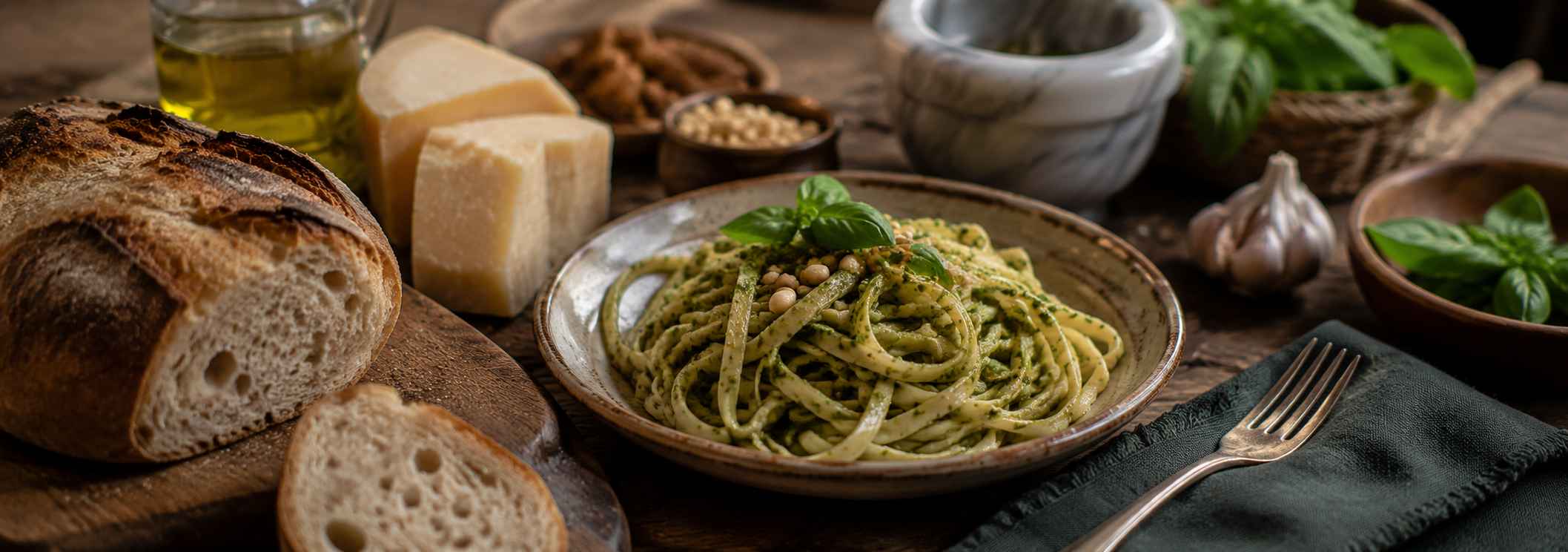
A Culinary Tapestry of History and Tradition
Consider the humble bread. Across cultures, its preparation and consumption are deeply embedded in rituals and celebrations. In many societies, bread symbolizes life itself, its making a testament to agricultural heritage and the cycles of nature. Think of Italian pasta, with regional variations like Liguria's pesto or Basilicata's handmade creations, each telling a story of local ingredients and generations of culinary artistry. These dishes are not just recipes; they are edible legacies passed down through families.
Similarly, spices have their own compelling narratives. The Silk Road wasn't just a trade route for goods; it was a conduit for flavors that transformed cuisines across continents. The journey of spices like cumin, coriander, and cardamom from the East to the West has shaped the development of diverse culinary traditions, from the vibrant curries of India and Thailand to the complex dishes of the Middle East.
The Chef as a Storyteller
Chefs, in their pursuit of culinary excellence, often act as modern-day storytellers. They draw inspiration from their heritage, travel, and personal experiences to craft dishes that evoke emotion and tell a unique tale. A Michelin star restaurant might present a dish that pays homage to a specific region's produce, while a small, family run trattoria might serve a recipe perfected over a century, each bite a whisper from the past. The growing trend of farm-to-table dining further emphasizes this, connecting diners directly to the land and the agricultural stories behind their meals.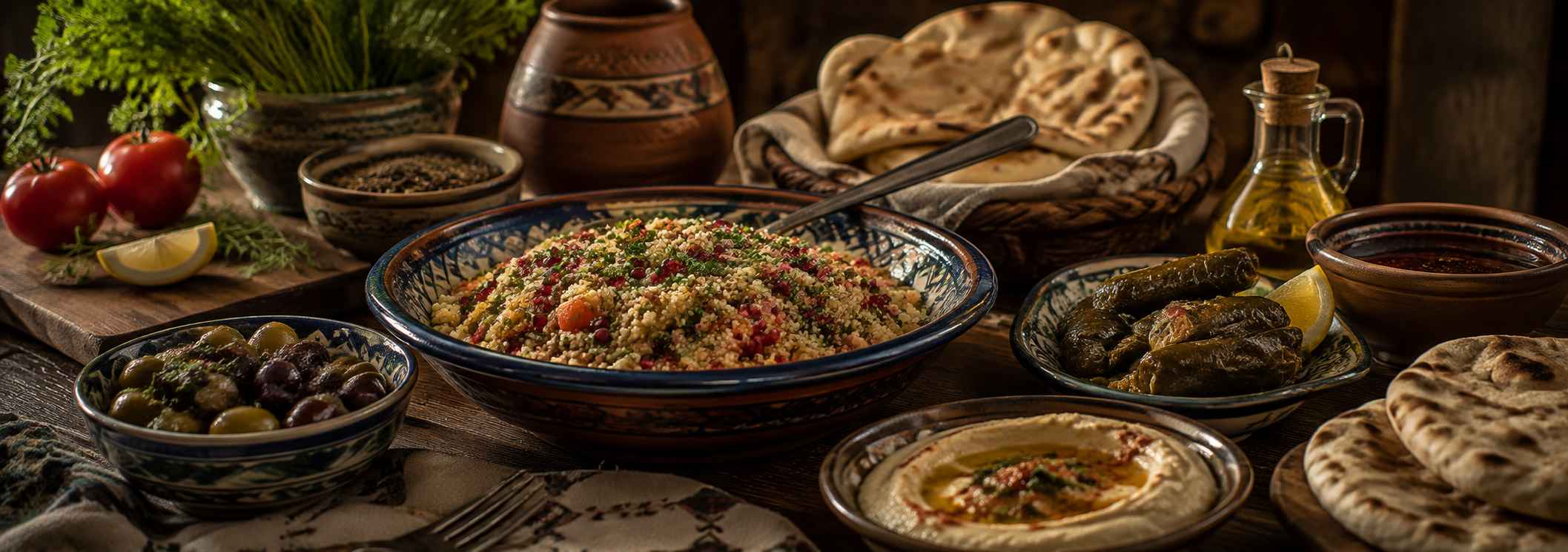
Food as a Bridge Between Cultures
Sharing a meal is one of the most fundamental human experiences, transcending language barriers and fostering understanding. When we explore the cuisines of different nations, we are essentially engaging with their stories. Trying authentic Mexican tlayudas, savoring Spanish tapas, or experiencing a Japanese omakase meal allows us to glimpse into the soul of a culture. This act of culinary exploration opens our minds and hearts, building bridges of appreciation and respect.
The Personal Stories in Our Own Kitchens
Beyond the grand narratives of history and culture, food also tells our own personal stories. The comfort food we crave from childhood, the dishes we learn to cook from loved ones, or the meals we create for significant moments in our lives all hold deep personal meaning. These are the stories etched into our memories, tied to the aromas and tastes that define our personal histories. The act of cooking and sharing these dishes can be a powerful way to reconnect with our past and create new memories for the future.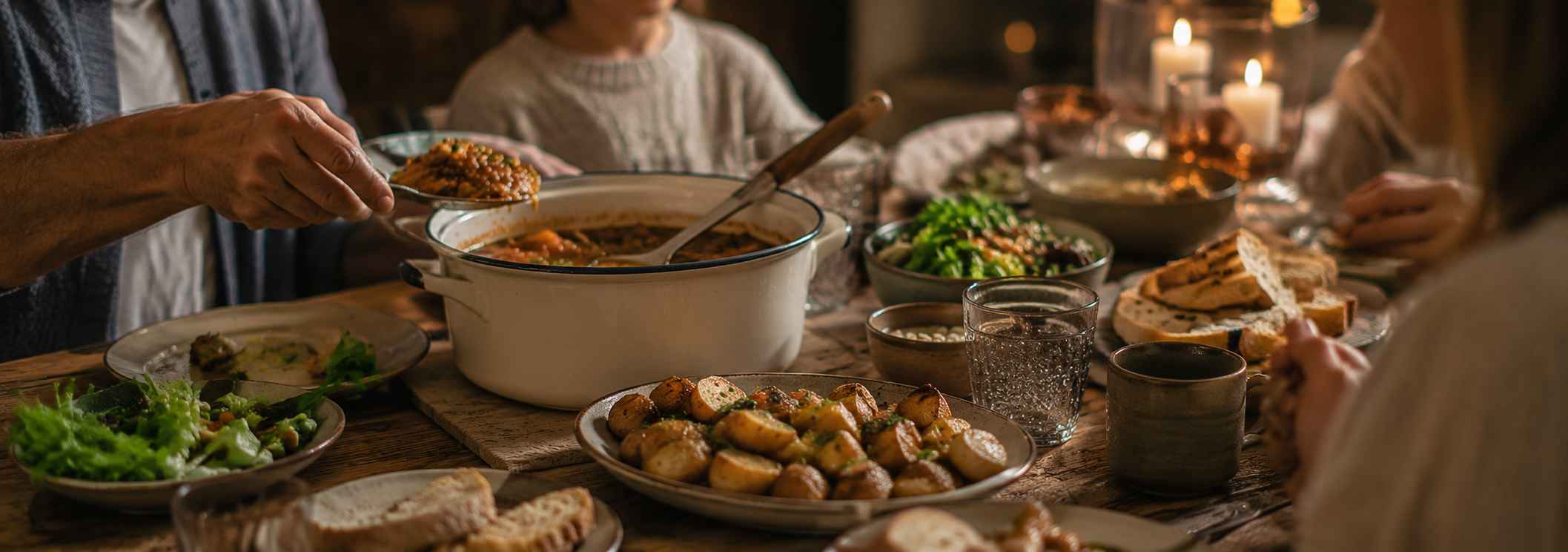
Savoring the Stories
In essence, 'Stories on a Plate' is an invitation to engage with food on a deeper level. It encourages us to look beyond the mere act of eating and to appreciate the rich tapestry of narratives that each dish represents. By understanding the cultural, historical, and personal stories woven into our food, we can enrich our dining experiences and foster a greater appreciation for the world and its diverse peoples. So, the next time you sit down to a meal, consider the story it has to tell. You might be surprised at what you discover.

Most Popular









Anaya
comment1