



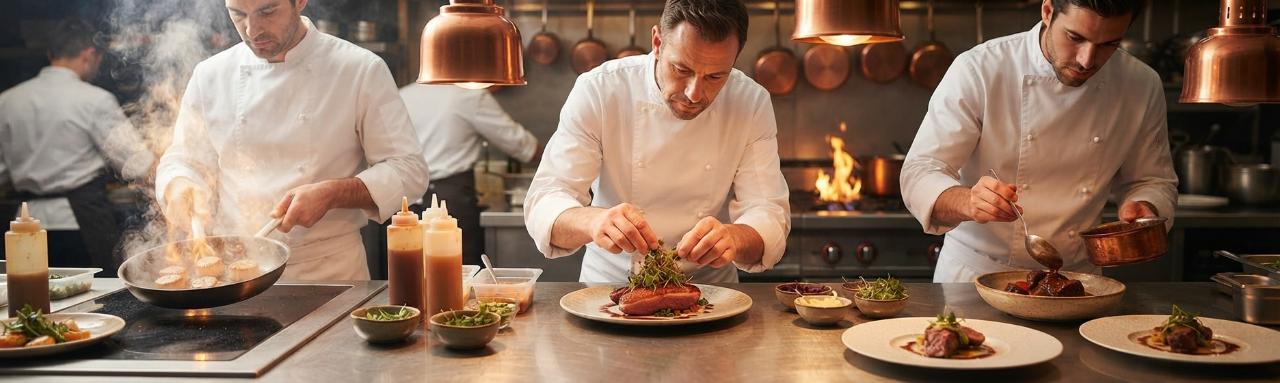
In the pursuit of a truly satisfying meal, we often speak of 'deliciousness' as an almost magical quality. But what truly elevates food from mere sustenance to an art form? It is a masterful interplay of flavors, aromas, textures, and the very way we experience our food. This exploration delves into the fundamental elements that contribute to the art of deliciousness, transforming the ordinary into the extraordinary.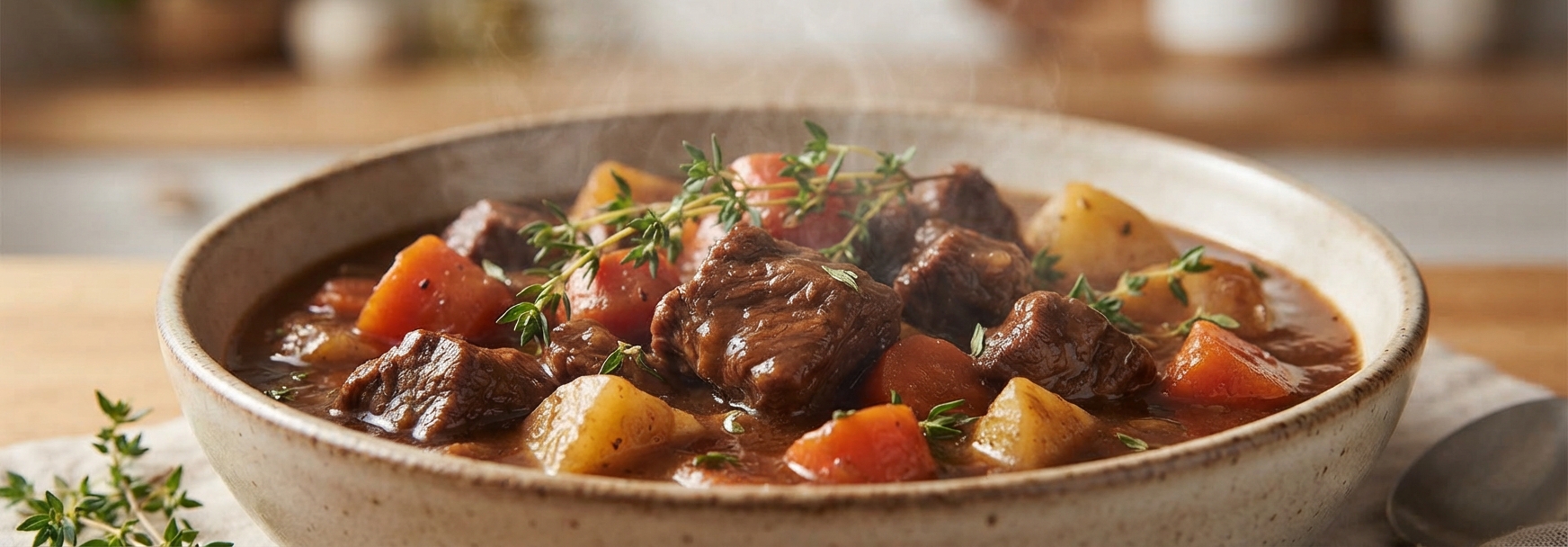
The Symphony of Flavor
At its core, deliciousness is rooted in flavor. Our perception of flavor is a complex sensory experience, a blend of taste (sweet, sour, salty, bitter, umami) and aroma. The subtle dance between these elements is what creates depth and intrigue in a dish. Think of the way a perfectly ripe tomato bursts with a sweet and tangy flavor, or how a slow braised beef stew offers a rich umami depth enhanced by the savory aromas released during cooking.
The Fifth Taste
Often overlooked, umami is the savory, mouthwatering taste that provides a sense of fullness and satisfaction. Ingredients rich in umami, such as mushrooms, aged cheeses, cured meats, and fermented products like soy sauce, are crucial for building complex flavor profiles. Mastering the art of deliciousness involves understanding how to incorporate and balance umami to create deeply satisfying dishes.
The Power of Aroma
A significant portion of what we perceive as flavor actually comes from our sense of smell. The aroma of freshly baked bread, the fragrant steam rising from a curry, or the zesty notes of citrus can instantly evoke memories and enhance our anticipation of taste. Chefs and home cooks alike use aromatic ingredients like herbs, spices, and aromatics (garlic, onions) to build layers of scent that complement and amplify the dish's overall flavor.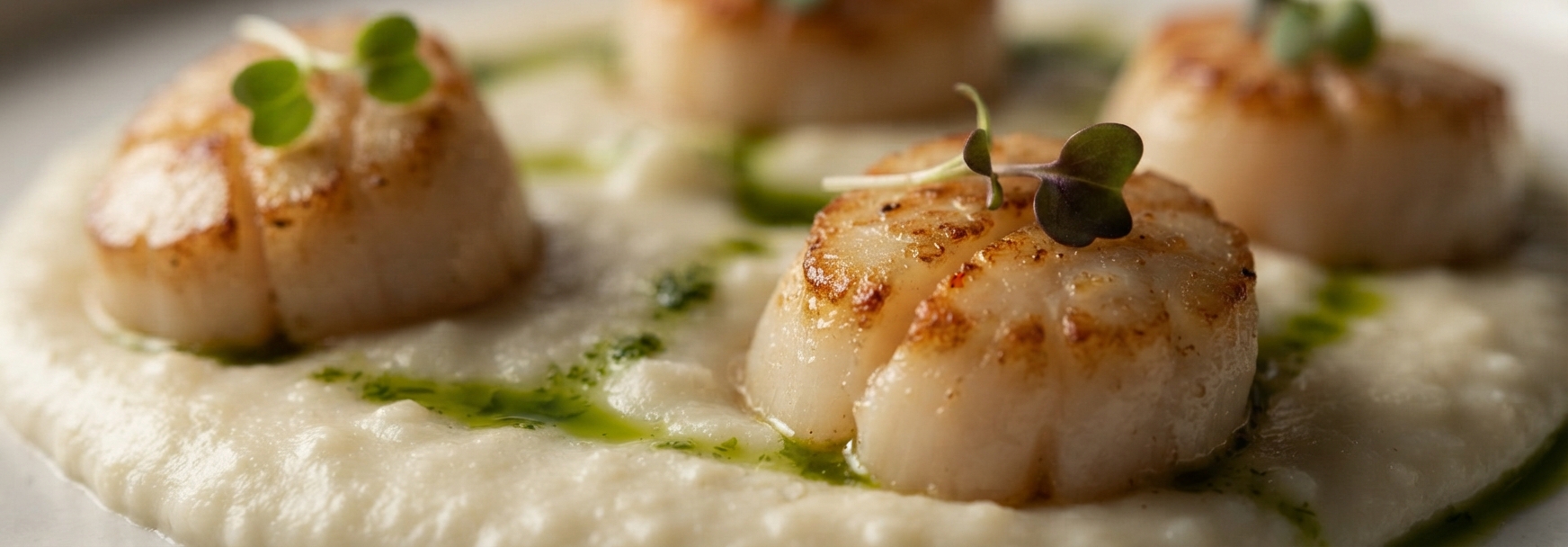
The Unsung Hero
Beyond taste and smell, texture plays a vital role in our enjoyment of food. The satisfying crunch of a perfectly fried element, the creamy smoothness of a purée, or the tender chew of slow cooked meat all contribute to the sensory experience. Contrasting textures within a single dish can create excitement and prevent monotony. Imagine the delightful contrast between a crisp salad and a tender piece of grilled fish, or the yielding softness of a well made gnocchi against a robust sauce.
The Importance of Balance
Deliciousness is rarely achieved through a single standout element. It is the harmonious balance of all these components that creates a truly memorable dish. Sweetness needs to be balanced with acidity, saltiness with a touch of bitterness, and rich flavors with lighter, brighter notes. The goal is to create a culinary experience that is engaging and satisfying from the first bite to the last, without any single element overpowering the others.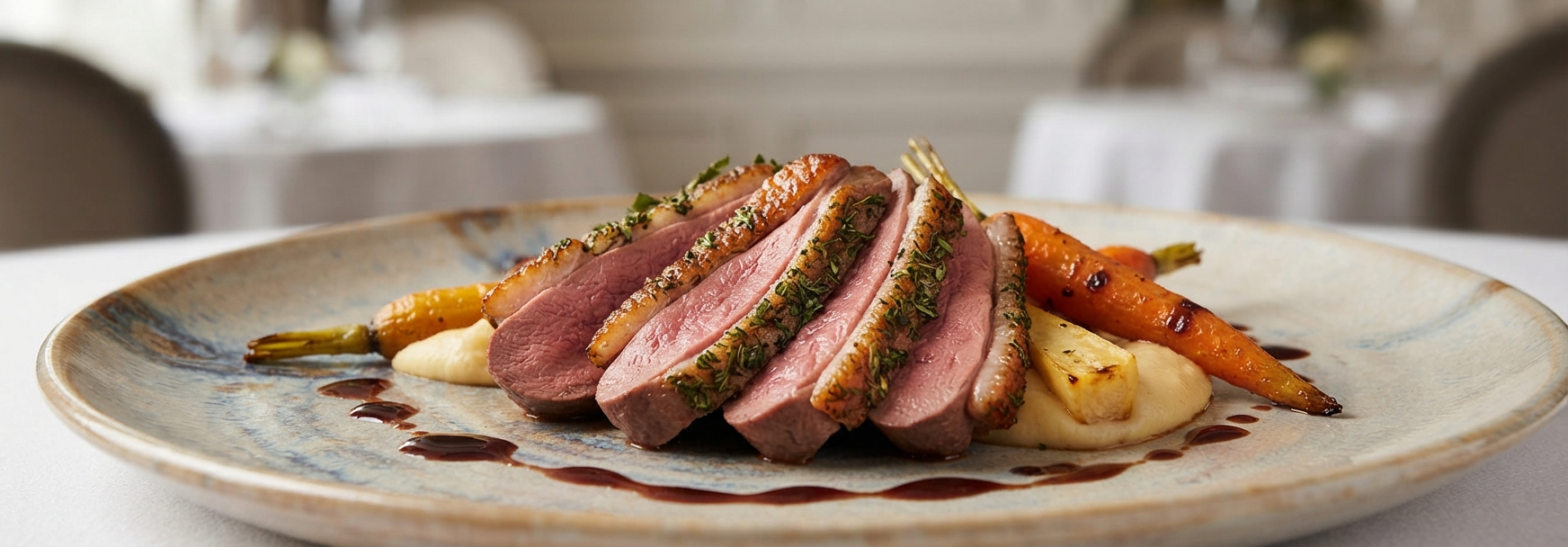
Ambiance and Experience
The art of deliciousness extends beyond the food itself. The environment in which we dine, the company we share, and our state of mind all influence our perception of flavor. A beautifully presented dish, served in a welcoming atmosphere with good company, can taste even more delicious. This holistic approach to dining, where every element contributes to the overall enjoyment, is what truly defines the art of deliciousness.
Mastering the art of deliciousness is an ongoing journey, a continuous exploration of ingredients, techniques, and sensory experiences. By understanding the intricate relationship between flavor, aroma, and texture, and by considering the broader dining experience, we can unlock new levels of culinary satisfaction. Whether in a bustling restaurant or a quiet home kitchen, the pursuit of deliciousness is a rewarding endeavor that nourishes both body and soul.
Most Popular











Anaya
comment1