



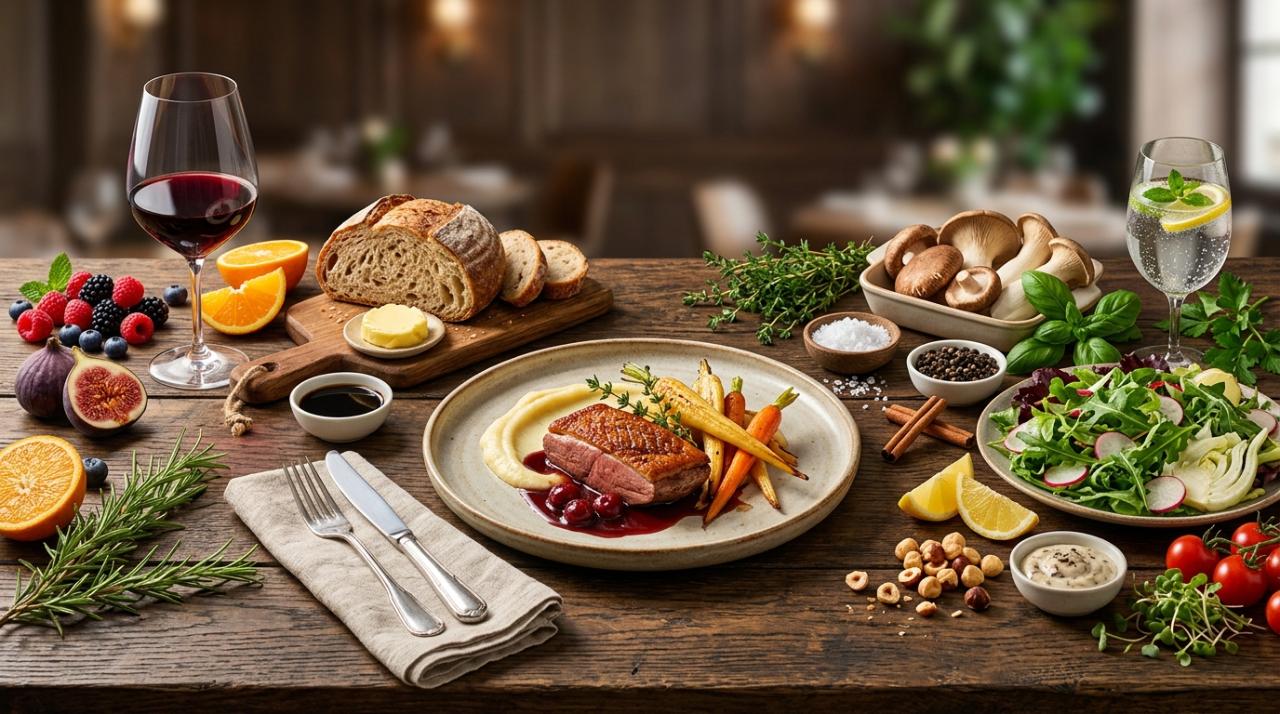
The world of gastronomy is a delightful exploration of tastes and textures. At its heart lies the intricate dance of food pairing – the thoughtful combination of ingredients and beverages that elevates a meal from satisfying to sublime. This art form isn't just about random selection; it's a science backed by a deep understanding of how different flavors interact, creating harmony or exciting contrasts on the palate. Whether you're a seasoned chef or an enthusiastic home cook, mastering the principles of food pairing can transform your culinary creations and impress your guests.
Understanding the Fundamentals of Flavor
At its core, food pairing is about balance. Flavors can be broadly categorized into a few key elements: sweet, sour, bitter, salty, and umami. Understanding how these interact is the first step. For instance, the sweetness in a dish can be beautifully complemented by a slightly acidic wine, cutting through richness and refreshing the palate. Conversely, salty foods often benefit from a touch of sweetness, creating a pleasing contrast.
The Role of Aroma
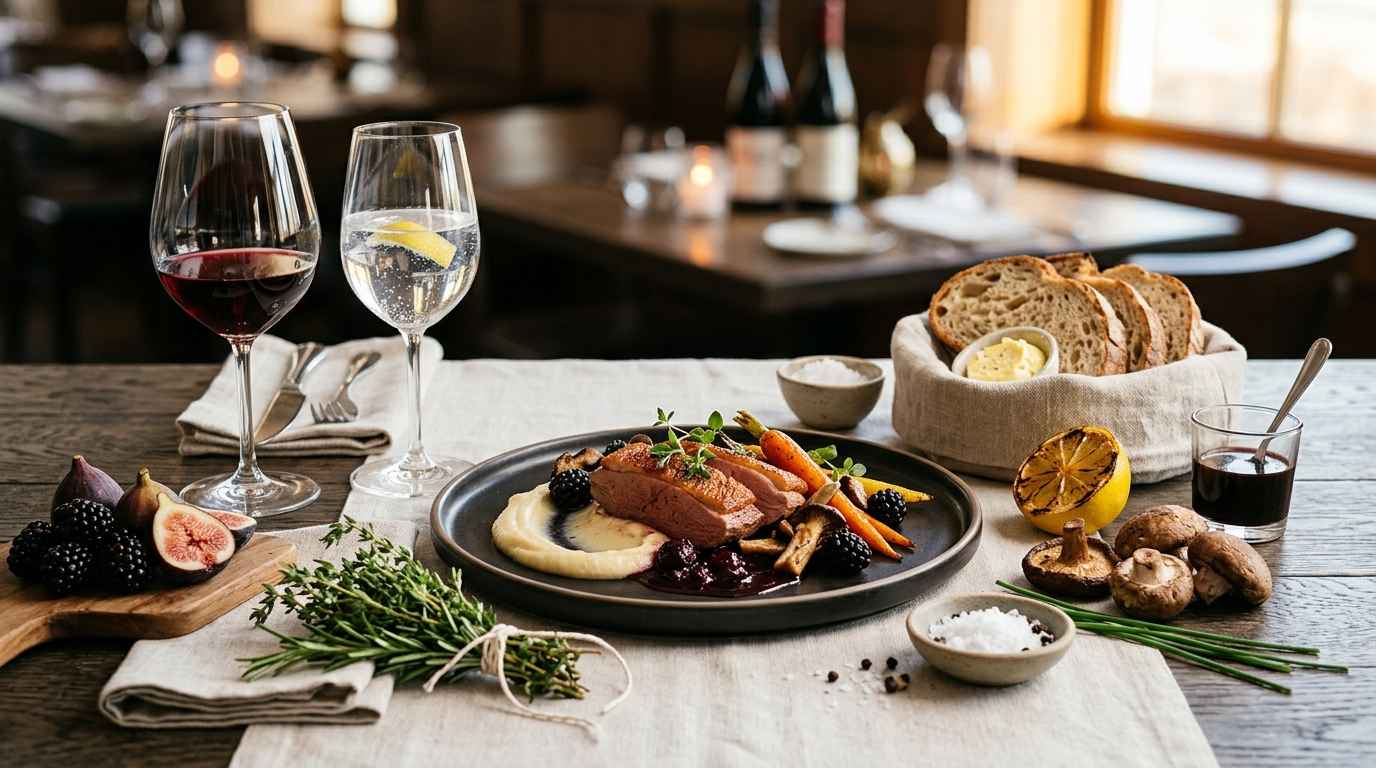
A significant portion of our perception of taste comes from aroma. Ingredients with similar aromatic compounds tend to pair well together. Think of the earthy notes in mushrooms and how they resonate with a similarly earthy Pinot Noir, or the citrusy zest in a dish harmonizing with a crisp Sauvignon Blanc. This is where the science of molecular gastronomy offers fascinating insights, revealing shared volatile compounds between seemingly disparate foods and drinks.
Texture and Mouthfeel
Beyond taste and aroma, texture plays a crucial role. A rich, creamy dish might be best served with a beverage that has a cleansing acidity, while a light, delicate starter could be overwhelmed by something too heavy. The satisfying crunch of a perfectly fried element can be enhanced by a beverage with effervescence, creating a dynamic sensory experience.
Key Principles for Perfect Pairings
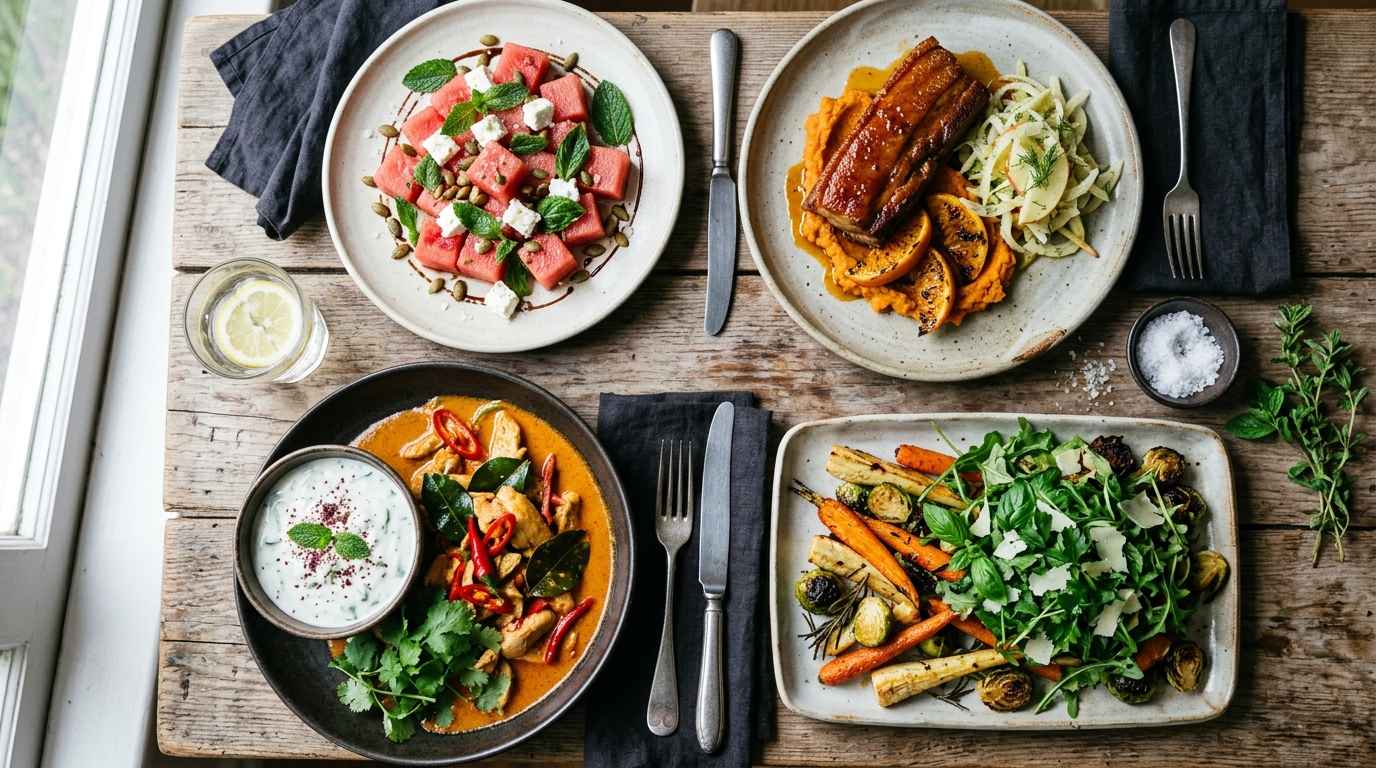
When embarking on the journey of food pairing, consider these fundamental principles:
Complementary Pairings
This approach focuses on finding elements that share similar flavor profiles. For example, a grilled steak with smoky notes can be beautifully complemented by a full-bodied Cabernet Sauvignon, which often possesses its own smoky or earthy undertones. The aim here is to create a unified and harmonious flavor experience.
Contrast Pairings
Sometimes, the magic happens when opposites attract. A spicy dish can be wonderfully balanced by a cooling, slightly sweet beverage. Consider the classic pairing of spicy Thai food with a slightly off-dry Riesling or a creamy, cooling yogurt lassi. This contrast can prevent the palate from becoming fatigued and highlight the unique characteristics of each component.
Regional Pairings
There's a reason why certain foods and drinks have evolved together in specific regions. Local produce, traditional cooking methods, and native beverages often create naturally synergistic combinations. Italian pasta dishes, for instance, are frequently paired with regional Italian wines that have been developed over centuries to complement them perfectly.
Weight and Intensity
Matching the weight of the food with the intensity of the beverage is a critical consideration. A light salad will be drowned out by a heavy, oaky red wine, while a rich, slow-cooked stew will be lost with a light, crisp white. Aim for a balance where neither element overpowers the other.
Practical Applications and Experimentation
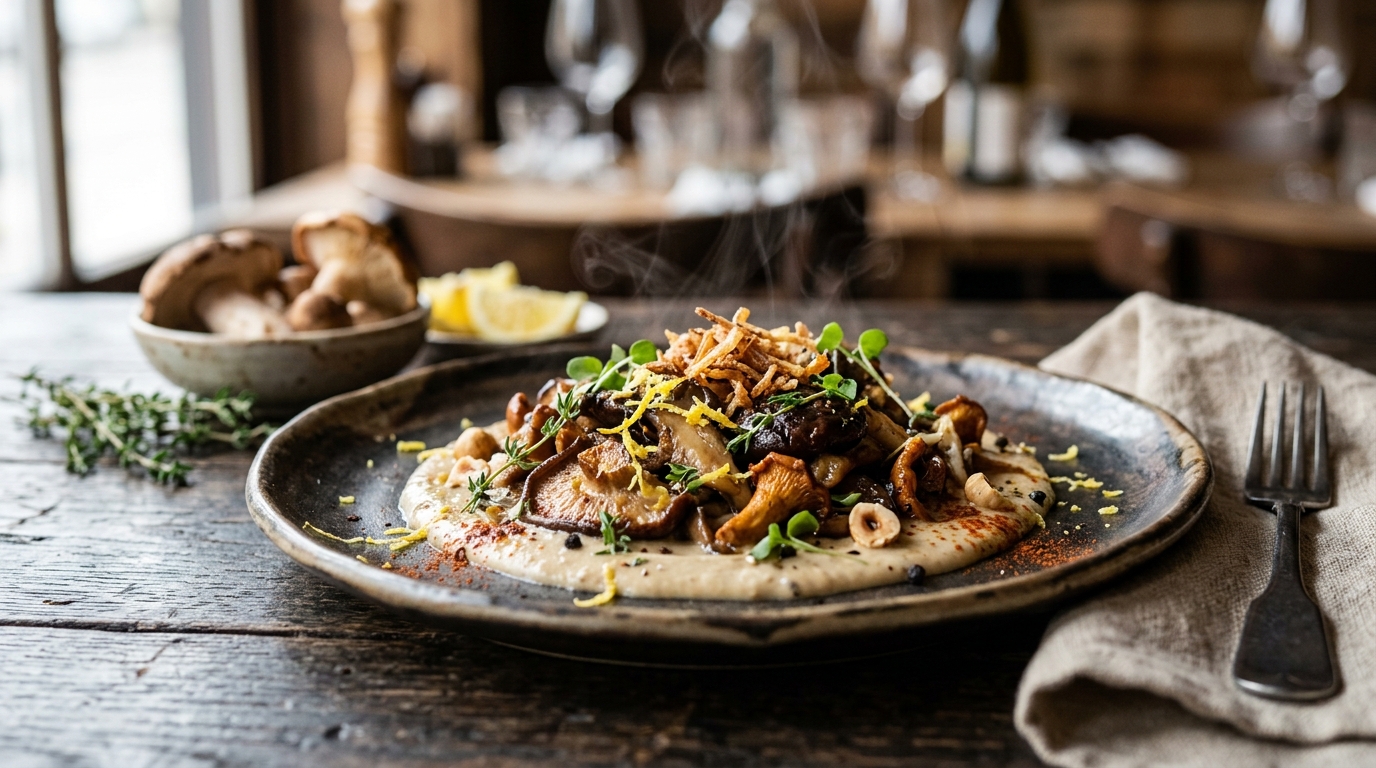
The best way to truly understand food pairing is through practice and experimentation. Don't be afraid to try new combinations. Start with familiar ingredients and beverages and gradually venture into more adventurous territory.
Wine and Food
Wine pairing is perhaps the most well-known aspect of food pairing. General guidelines include pairing white wines with poultry and fish, and red wines with red meats. However, nuances like the sauce, preparation method, and accompanying spices can dramatically alter these recommendations. A rich, creamy chicken dish might call for a richer white wine like a Chardonnay, while a spicy lamb curry could benefit from a lighter, fruitier red like a Beaujolais.
Beer and Food
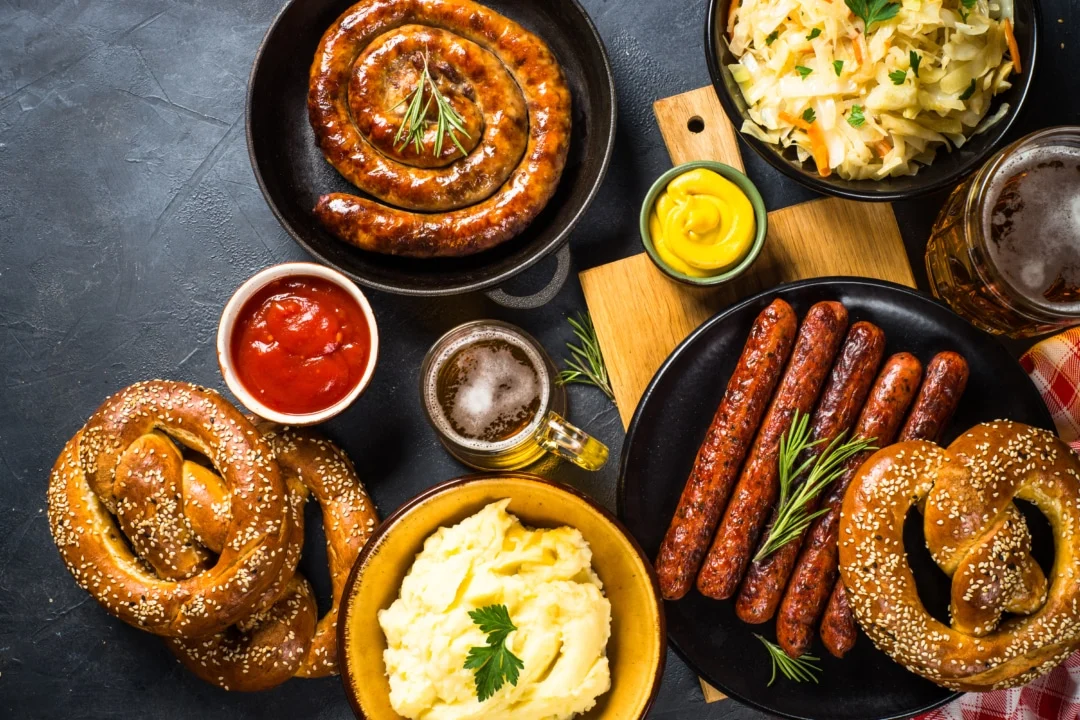
Beer offers a vast spectrum of flavors and is an increasingly popular pairing choice. The carbonation in beer acts as a palate cleanser, making it excellent with fried or fatty foods. Lighter beers like lagers and pilsners pair well with delicate seafood and salads, while richer ales and stouts can stand up to hearty stews and grilled meats.
Spirits and Food
Cocktails and spirits can also be integral to a dining experience. A crisp gin and tonic can be refreshing alongside light appetizers, while a smoky Scotch might complement grilled or smoked dishes. The complexity of certain spirits allows for intricate pairings that can highlight unique flavor dimensions.
Beyond Beverages
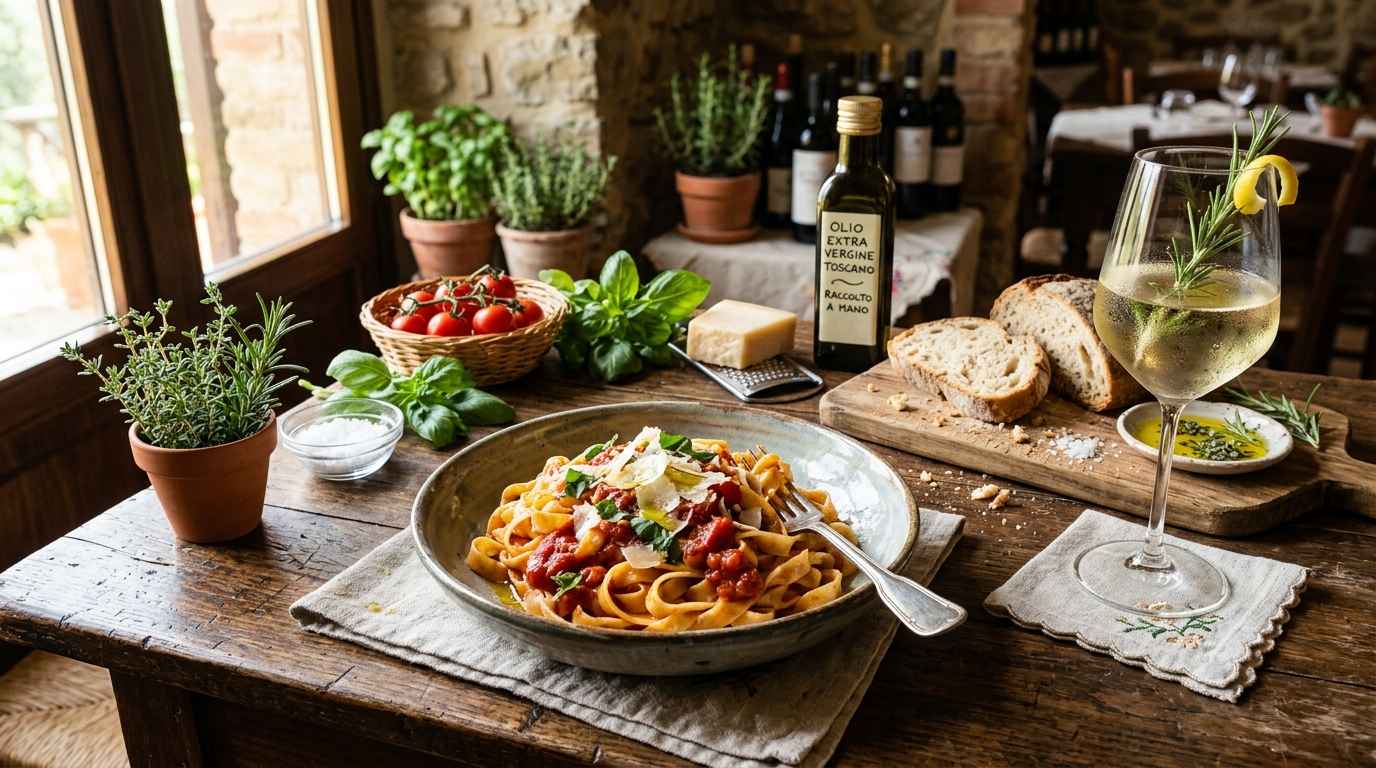
Food pairing isn't solely about beverages. Consider how different ingredients within a dish interact. The sweetness of caramelized onions can balance the savory depth of roasted meats, while a hint of chili can add a welcome kick to a creamy dessert. Herbal infusions and spice blends are also powerful tools in the art of flavor combination.
The art of food pairing is a continuous journey of discovery, inviting us to explore the boundless possibilities of flavor. By understanding the fundamental principles of taste, aroma, and texture, and by embracing experimentation, anyone can elevate their culinary experiences. So, the next time you plan a meal, consider the thoughtful interplay of ingredients and beverages, and unlock a new dimension of gastronomic delight.
Most Popular










Anaya
comment1