



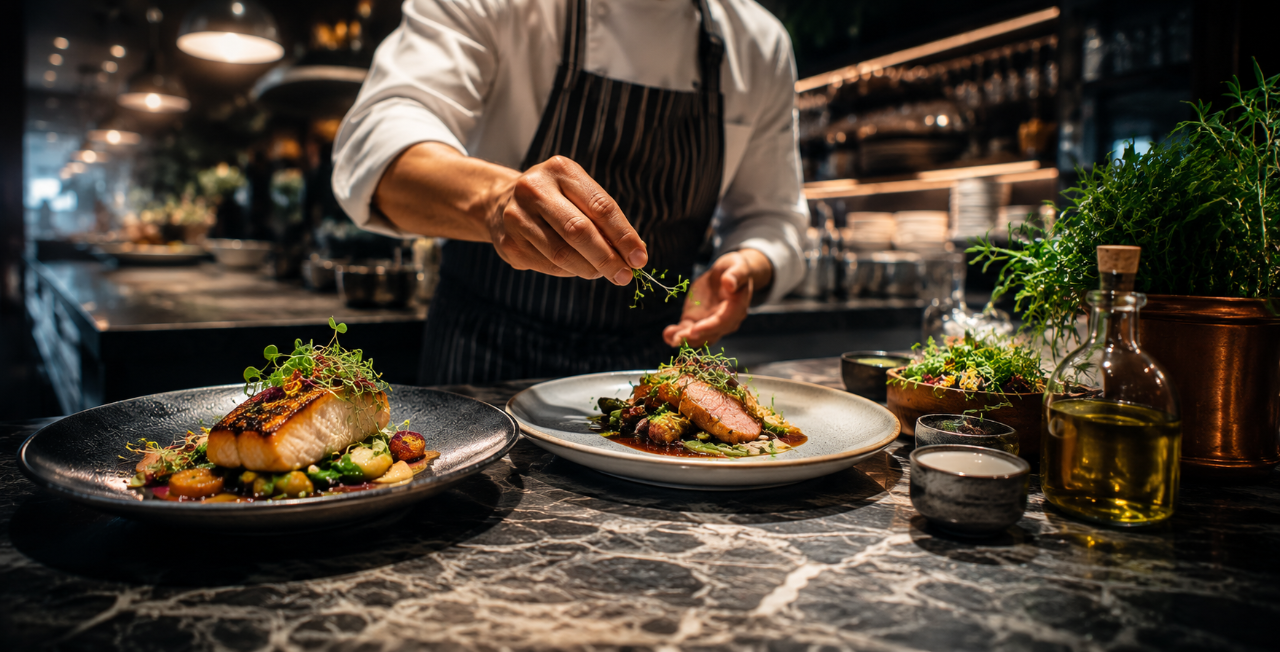
In a world that often prioritizes speed and convenience, the true art of good food can sometimes be overlooked. It's more than just sustenance; it's an experience, a form of expression, and a powerful connector of people. From the humblest home-cooked meal to the most elaborate restaurant creation, the dedication to quality ingredients, thoughtful preparation, and mindful enjoyment transforms eating into an art form.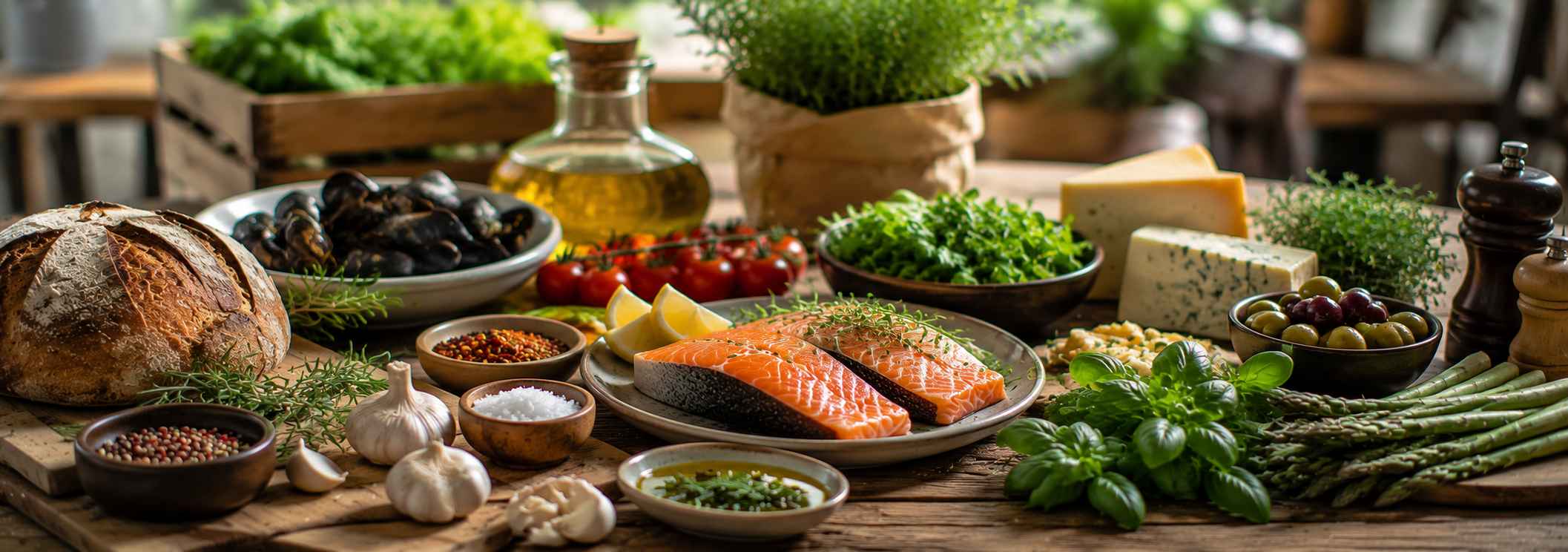
The Foundation of Flavor
At the heart of any culinary masterpiece lies the quality of its components. The art of good food begins with a deep respect for ingredients. This means seeking out fresh, seasonal produce, ethically sourced meats and seafood, and artisanal products that carry the story of their origin. A perfectly ripe tomato, a freshly caught fish, or a handcrafted cheese can elevate a dish from ordinary to extraordinary with minimal intervention. This appreciation for raw materials is the first brushstroke in the chef's, or home cook's, canvas.
Technique and Transformation
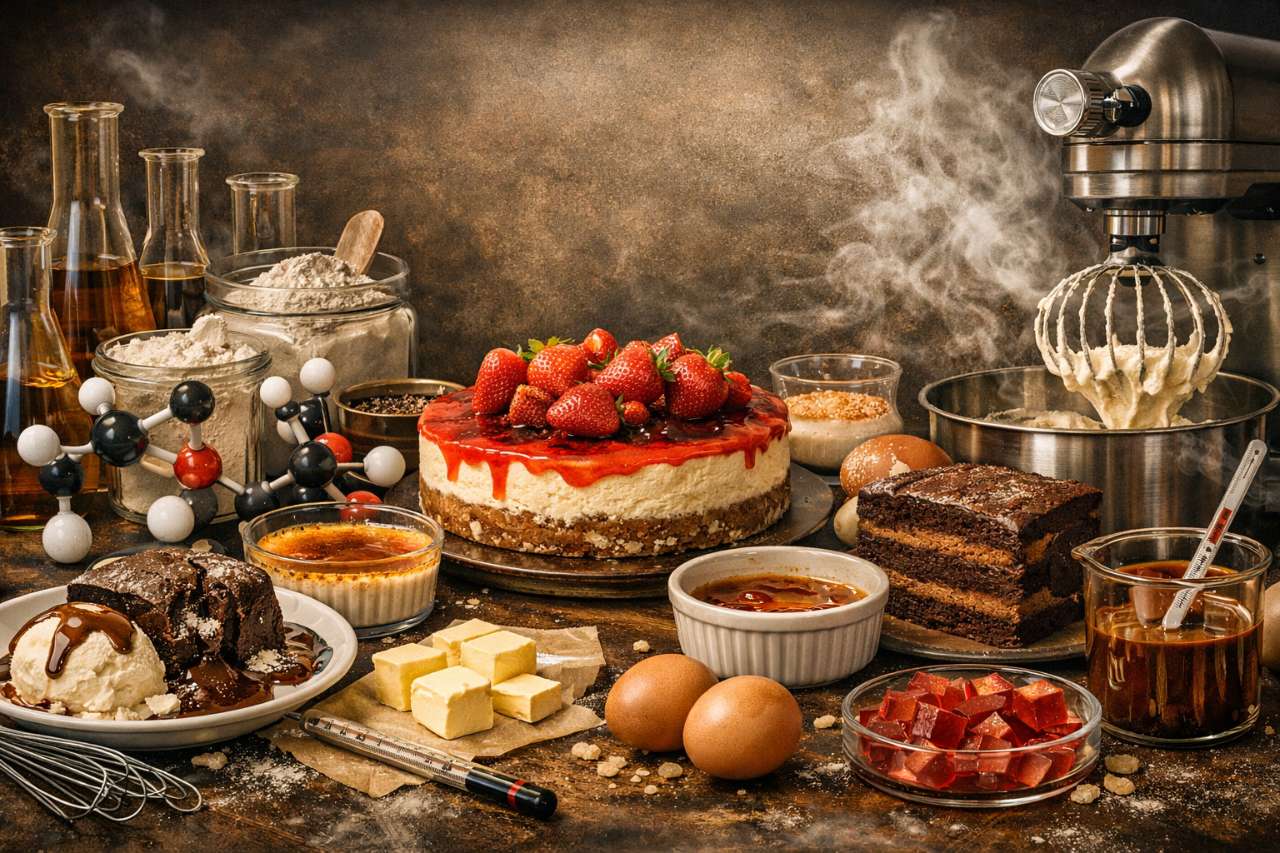
Beyond the ingredients themselves, the skillful application of culinary techniques is what truly unlocks their potential. The art lies in understanding how heat, acidity, texture, and aroma interact to create complex and harmonious flavors. Whether it's the slow braising of meat until it's fall-apart tender, the precise searing of a scallop, or the delicate balance of spices in a curry, each technique is a tool in the artist's arsenal. Mastering these methods allows for the transformation of simple ingredients into dishes that delight the senses and evoke emotion. This is where the science of cooking meets the soul of creativity.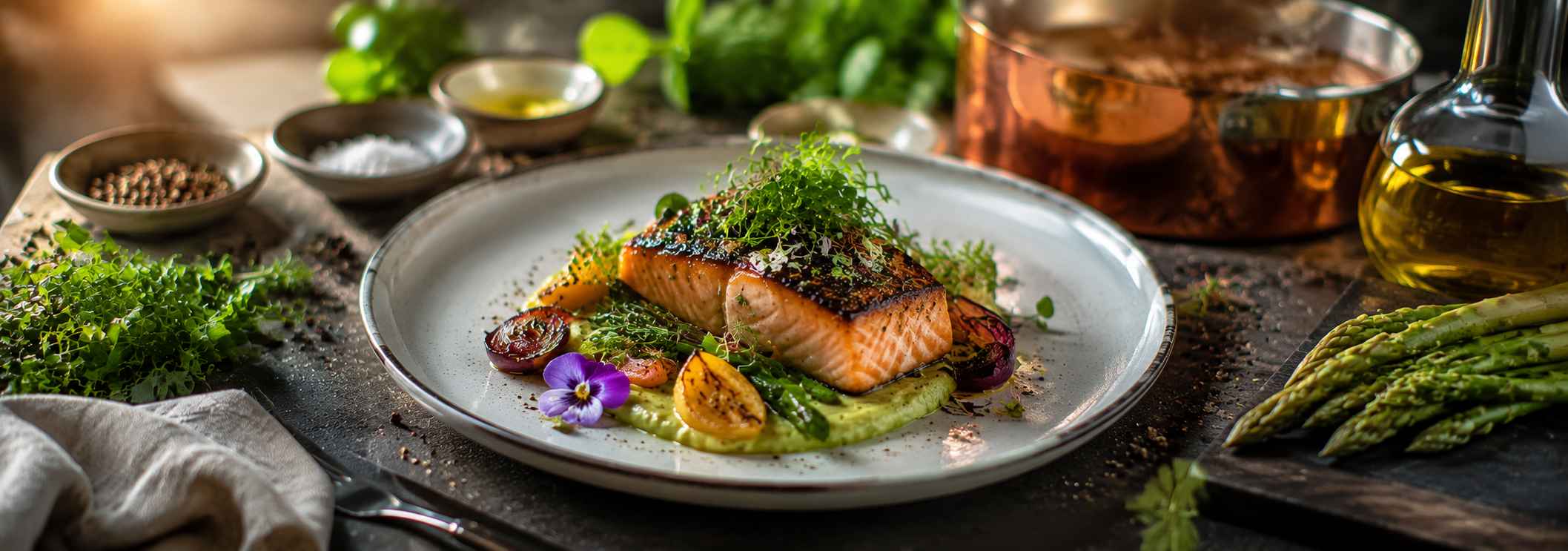
The Visual Symphony
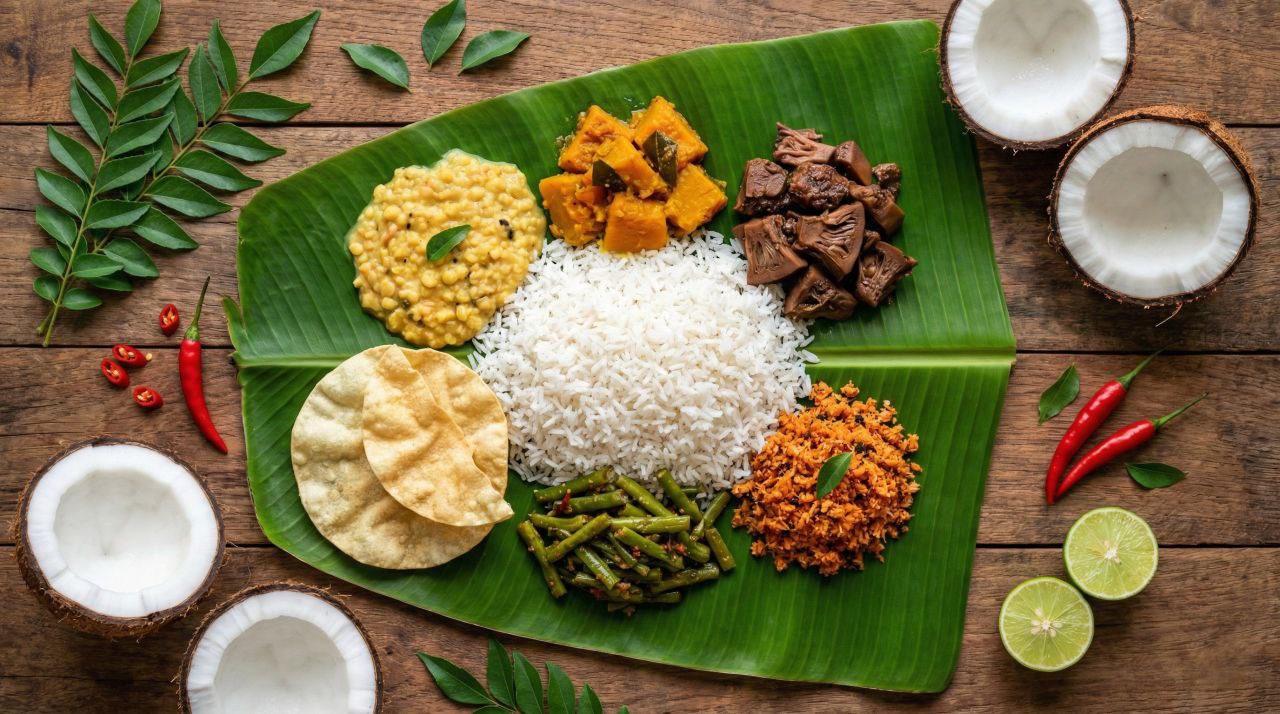
The aesthetic appeal of food plays a crucial role in our enjoyment. Plating a dish is akin to composing a painting. Thoughtful arrangement, vibrant colors, and varied textures create a visual symphony that prepares the diner for the experience to come. Garnishes, sauces, and the overall presentation contribute to the narrative of the dish. This attention to detail demonstrates a respect for the diner and enhances the overall dining experience, proving that good food is indeed a feast for the eyes as well as the palate.
The Social Fabric
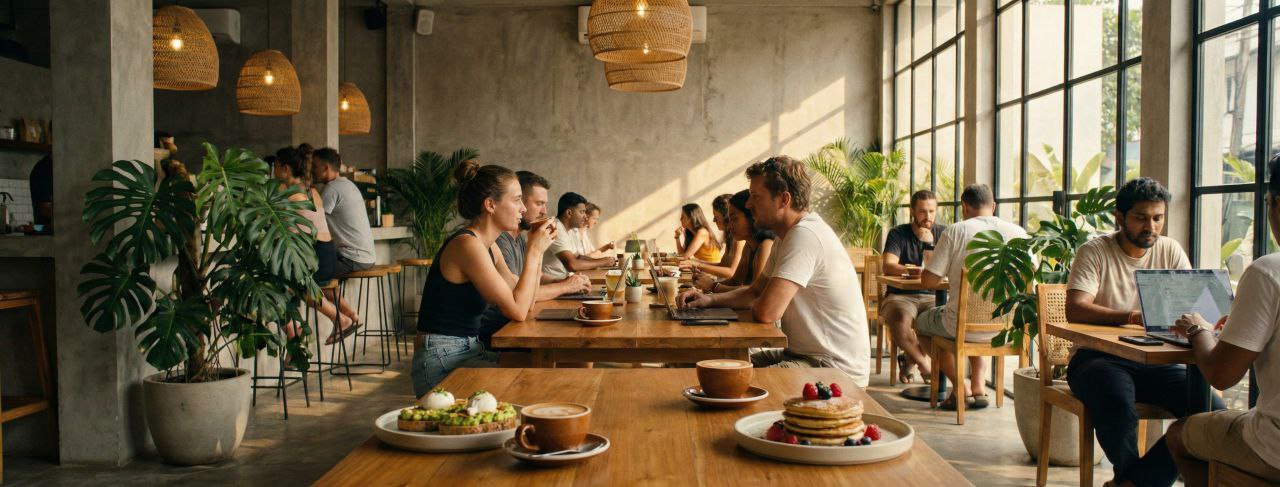
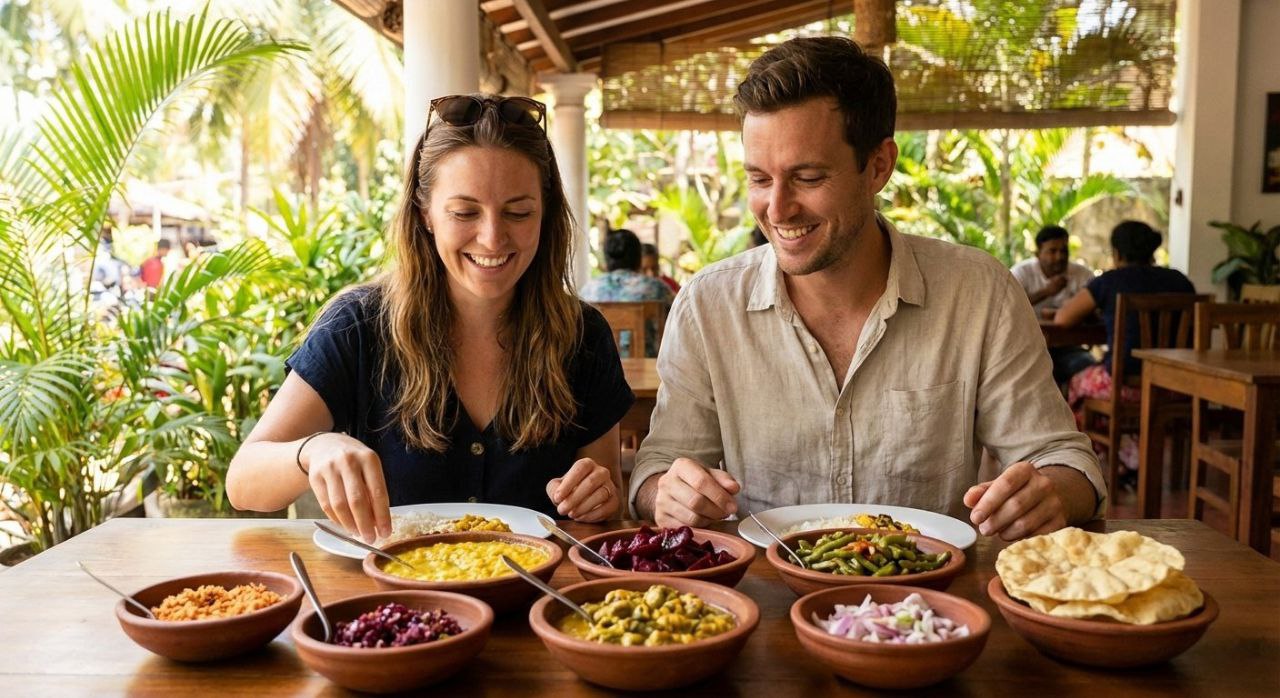
Perhaps one of the most profound aspects of the art of good food is its ability to foster connection. Sharing a meal is a universal human ritual that transcends cultural and social barriers. It’s in these shared moments, around a table laden with delicious food, that stories are told, relationships are strengthened, and memories are made. The act of cooking for loved ones, or dining with friends, imbues food with an emotional resonance that goes far beyond its taste. It’s a tangible expression of care, hospitality, and community.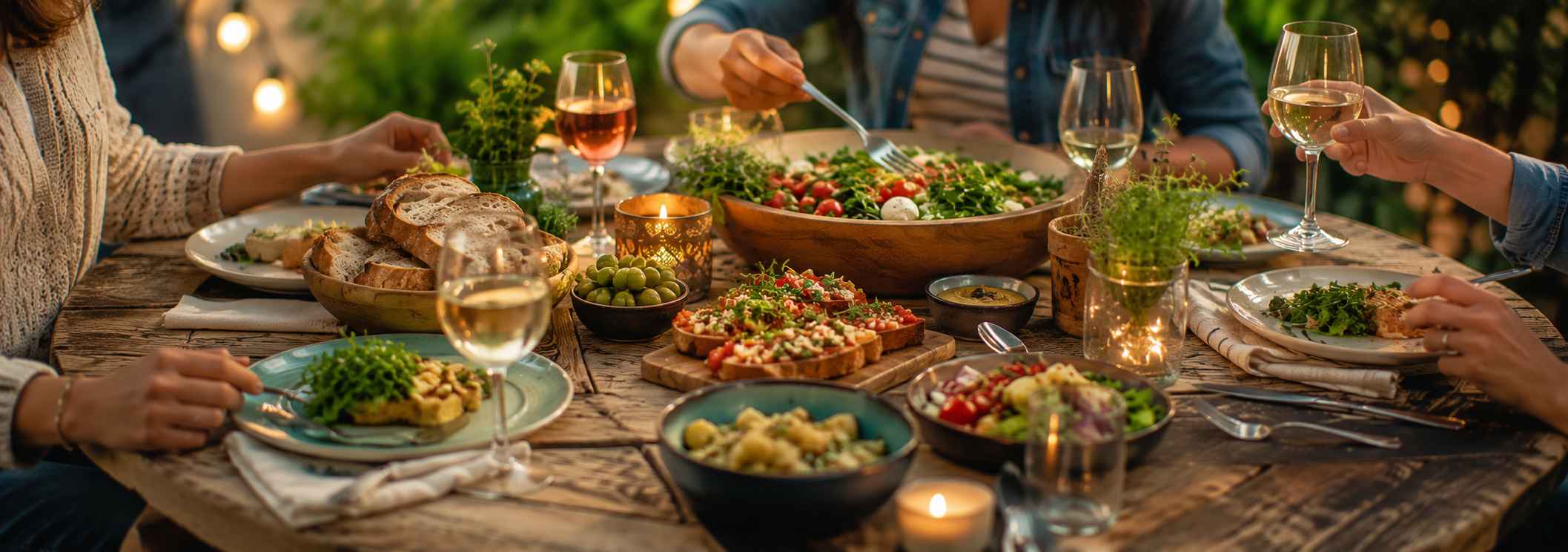
Savoring the Experience
In our fast paced lives, the art of good food also extends to the act of mindful consumption. This involves slowing down, engaging our senses, and truly appreciating the effort and artistry that has gone into the meal. It means savoring each bite, noticing the nuances of flavor and texture, and being present in the moment. This deliberate engagement enhances our enjoyment and fosters a deeper connection with the food we eat and the people with whom we share it. It’s about recognizing that eating is not just a necessity, but an opportunity for pleasure and reflection.
The art of good food is a multifaceted discipline that encompasses the selection of quality ingredients, the mastery of culinary techniques, the beauty of presentation, and the profound social connections it fosters. By approaching our meals with intention, appreciation, and a willingness to engage our senses, we can elevate everyday dining into a truly enriching and artistic experience. It’s an art form accessible to everyone, inviting us to explore, create, and savor the world on our plates.
Most Popular





Anaya
comment1