




In a world increasingly defined by technological advancement, the intersection of innovation and our most fundamental human experience dining is becoming a fascinating landscape. This convergence, which we can term 'The Edible Chapter,' is not just about new gadgets in the kitchen; it's about a profound shift in how we grow, prepare, experience, and even understand food. From AI-driven recipe generation to sustainable vertical farms, technology is rewriting the script for our culinary futures.
AI and Personalized Gastronomy
Artificial intelligence is rapidly moving beyond theoretical applications and into our kitchens. AI algorithms can now analyze vast datasets of flavor profiles, ingredient compatibilities, and dietary preferences to suggest entirely new recipes or personalize existing ones for individual tastes. Imagine an AI that understands your specific nutritional needs, your current mood, and the ingredients you have on hand, then crafts the perfect meal for you. This level of personalized gastronomy was once the stuff of science fiction, but it is now a tangible reality. Beyond recipe generation, AI is also being used in food safety, optimizing supply chains, and even predicting food spoilage, all contributing to a more efficient and safer food system.
Sustainable Agriculture and Technology
The challenges of feeding a growing global population sustainably are immense. Technology offers promising solutions. Vertical farming, hydroponics, and aeroponics are transforming urban landscapes into food production hubs. These methods use significantly less water and land than traditional agriculture, can be located closer to consumers reducing transportation emissions, and allow for year-round crop production regardless of external climate conditions. Advancements in biotechnology are also leading to more resilient and nutrient rich crops, capable of thriving in challenging environments. These innovations are not just about efficiency; they are crucial for building a more resilient and environmentally conscious food system.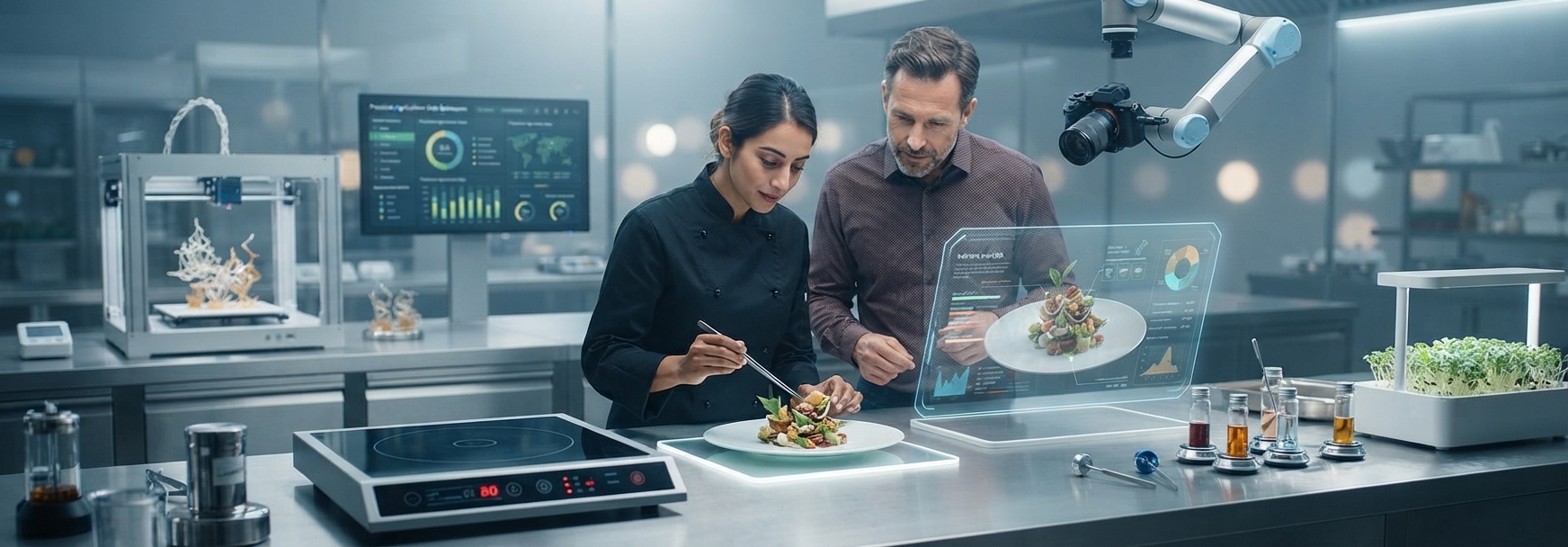
Immersive Dining and Beyond
Technology is also changing the very experience of dining. Augmented reality (AR) and virtual reality (VR) are beginning to be integrated into restaurant settings, offering diners immersive storytelling alongside their meals, or allowing for virtual tours of where their food originated. Interactive dining platforms and smart kitchen appliances are streamlining the cooking process at home, making complex dishes more accessible to the average home cook. Furthermore, the proliferation of online food communities, delivery apps, and sophisticated inventory management systems for restaurants are reshaping how we access and consume food, making it more convenient and diverse than ever before.
Ethical Eating and Technological Solutions
Beyond convenience and innovation, technology is playing a role in promoting more ethical and conscious food choices. Blockchain technology is being employed to create transparent food supply chains, allowing consumers to trace the origin of their food from farm to fork, ensuring ethical sourcing and fair labor practices. Lab grown meat and alternative protein sources, developed through advanced scientific processes, offer sustainable alternatives to traditional animal agriculture, addressing concerns about animal welfare and environmental impact. These technological advancements empower consumers to make informed decisions that align with their values.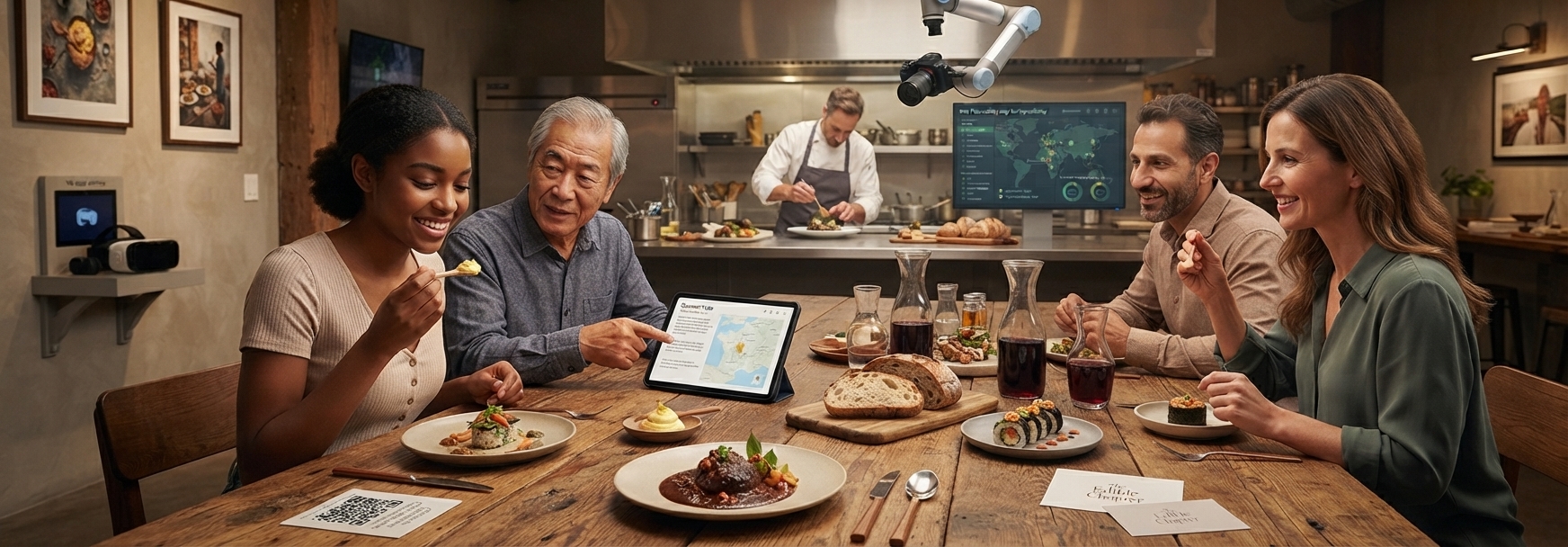
A Deliciously Integrated Future
The integration of technology into the world of food is no longer a novelty; it is an essential evolution. 'The Edible Chapter' is about leveraging innovation to create a food system that is more sustainable, personalized, accessible, and ultimately, more enjoyable for everyone. As we continue to explore the vast potential of technology in this vital area, the future of food promises to be an exciting and delicious journey of discovery, where every bite tells a story of human ingenuity and our enduring connection to the sustenance that nourishes us.

Most Popular









Anaya
comment1