



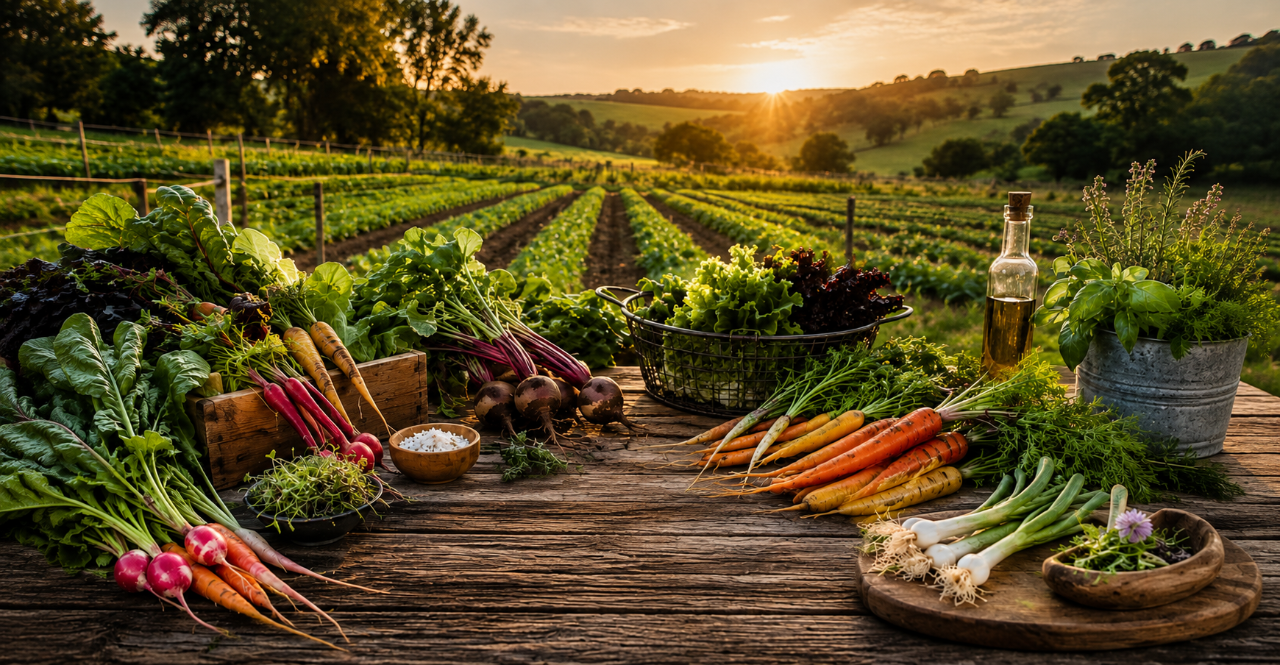
In an era where food sourcing and sustainability are increasingly at the forefront of consumer consciousness, farm-to-table dining has emerged from a niche movement to a mainstream culinary philosophy. More than just a trend, it represents a profound shift in how we connect with our food, fostering a deeper appreciation for the journey from soil to plate. This approach emphasizes freshness, seasonality, and a direct relationship between the diner, the chef, and the producer.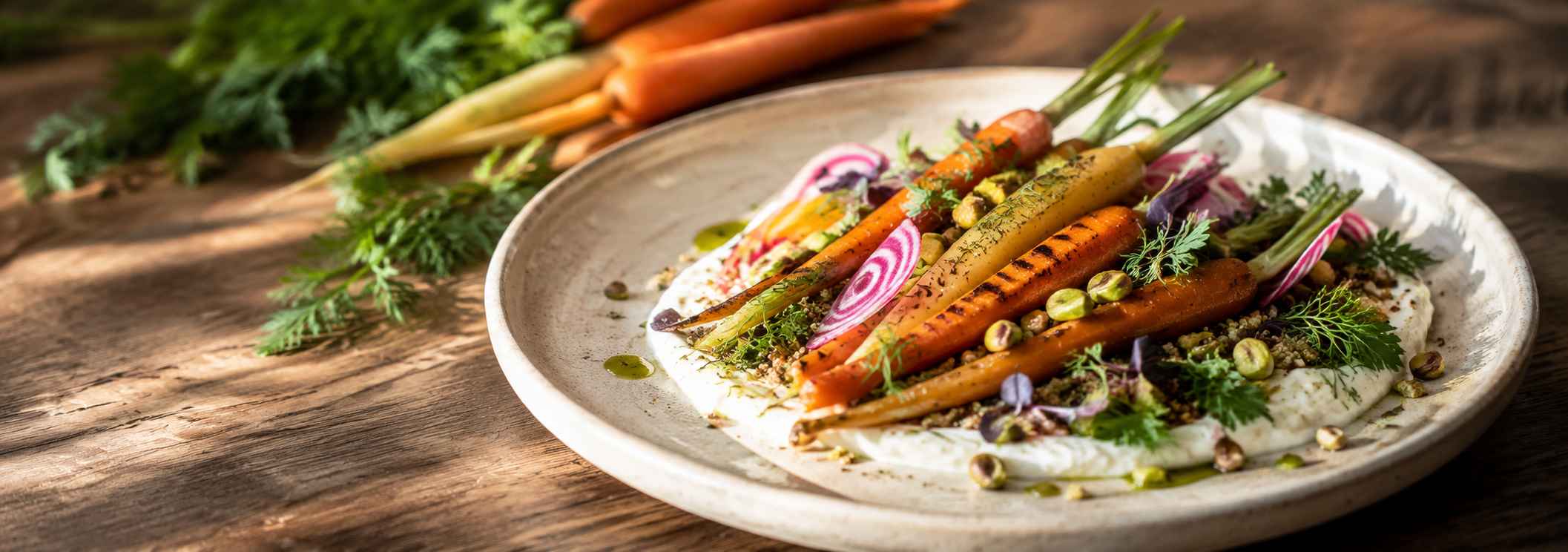
What Exactly is Farm-to-Table Dining?
At its core, farm-to-table dining is a commitment to sourcing ingredients directly from local farms, ranches, and artisanal producers. This eliminates the lengthy and often opaque supply chains typical of conventional restaurants. The benefits are multifaceted: ingredients are fresher, often harvested at their peak ripeness, leading to superior flavor and nutritional value. Chefs gain a more intimate understanding of their ingredients, allowing for more creative and inspired menu development. Consumers, in turn, receive food that is not only delicious but also traceable and produced with greater care for the environment and animal welfare.
The Pillars of Farm-to-Table
Several key principles underpin the farm-to-table ethos:
- Locality: The emphasis is on sourcing ingredients from farms and producers within a defined geographical radius, minimizing transportation distances and supporting local economies.
- Seasonality: Menus are dictated by what is naturally available and in season, celebrating the bounty of each specific time of year. This encourages culinary creativity and avoids the environmental impact of out-of-season produce.
- Transparency: Diners are often informed about the origin of their food, with restaurants proudly highlighting the farms and producers they work with. This builds trust and educates consumers.
- Sustainability: Farm-to-table practices often align with sustainable agriculture, including organic farming methods, reduced pesticide use, and responsible land management.
- Direct Relationships: Chefs and restaurant owners often cultivate direct relationships with farmers, fostering collaboration and ensuring quality.
Dining at a farm-to-table restaurant is often more than just a meal; it's an experience. The vibrant colors, the rich aromas, and the distinct flavors of freshly picked ingredients speak for themselves. Menus might change daily or weekly, reflecting the ever-evolving availability of produce. This dynamic nature keeps the dining experience exciting and encourages patrons to explore new flavors and dishes. Furthermore, the connection to the land and the people who cultivate it creates a narrative that enhances the overall enjoyment of the meal.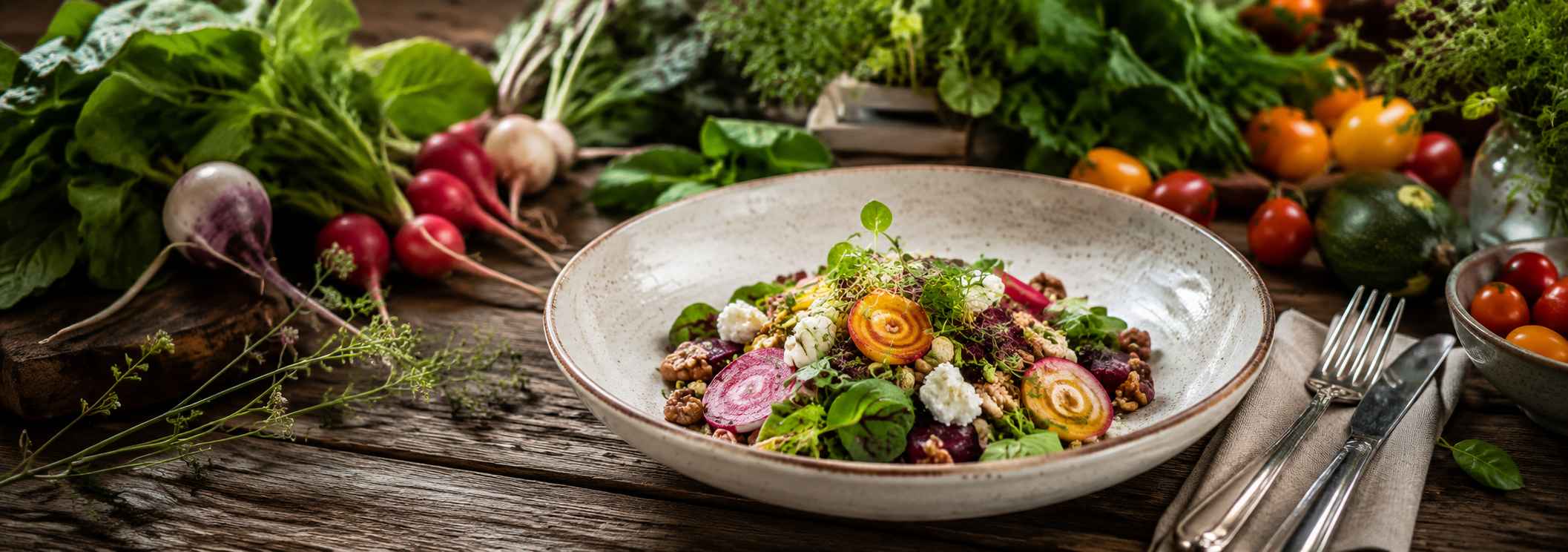
Challenges and the Future
While the farm-to-table movement has gained significant traction, it is not without its challenges. The availability of ingredients can be subject to weather and seasonal fluctuations, requiring flexibility and adaptability from chefs. Sourcing locally can sometimes be more expensive than relying on large-scale distributors, which can impact menu pricing. However, the growing consumer demand for ethical and sustainable food options is driving innovation and creating greater opportunities for local producers and farm-to-table establishments.
The future of farm-to-table dining looks promising. As more consumers prioritize health, sustainability, and ethical consumption, the demand for this type of dining experience will only continue to grow. It represents a return to a more fundamental and respectful way of eating, one that celebrates the earth's bounty and the hard work of those who bring it to our tables.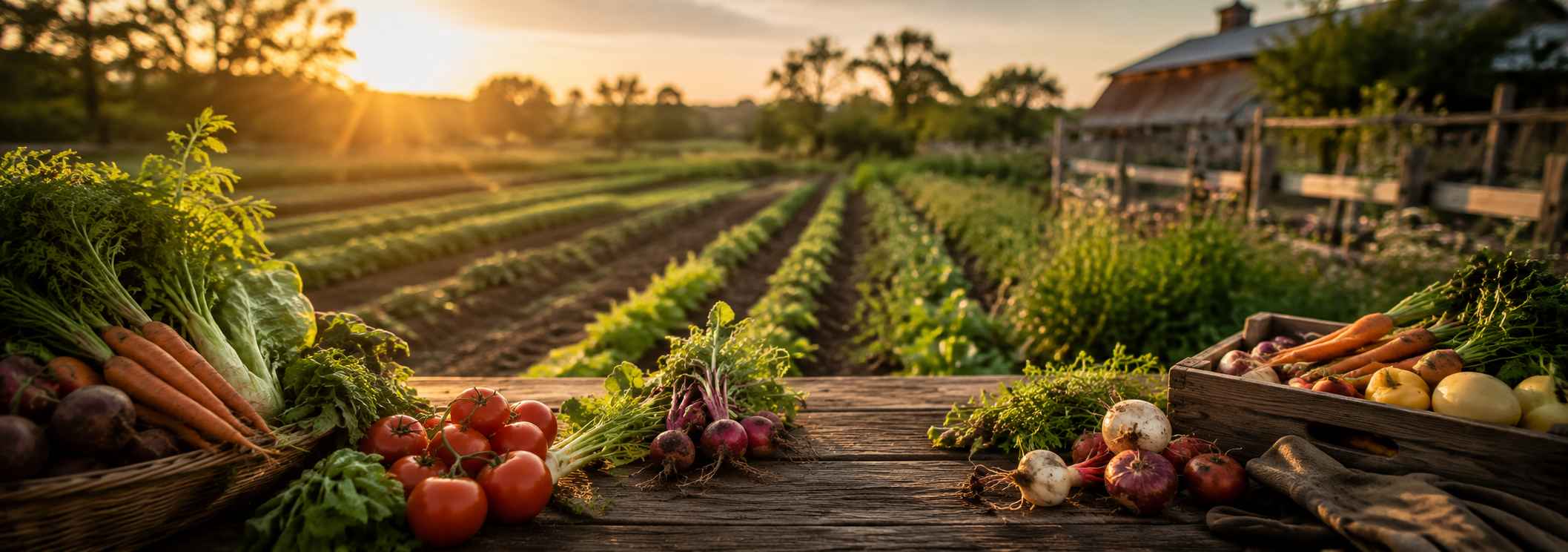
A Deeper Connection to Our Food
Farm-to-table dining offers a compelling antidote to the often detached and industrialized nature of modern food systems. It invites us to savor the true essence of ingredients, to support our local communities, and to make more conscious choices about what we eat. By understanding and embracing the secrets of farm-to-table dining, we can cultivate a more meaningful and delicious relationship with our food.

Most Popular








Anaya
comment1