



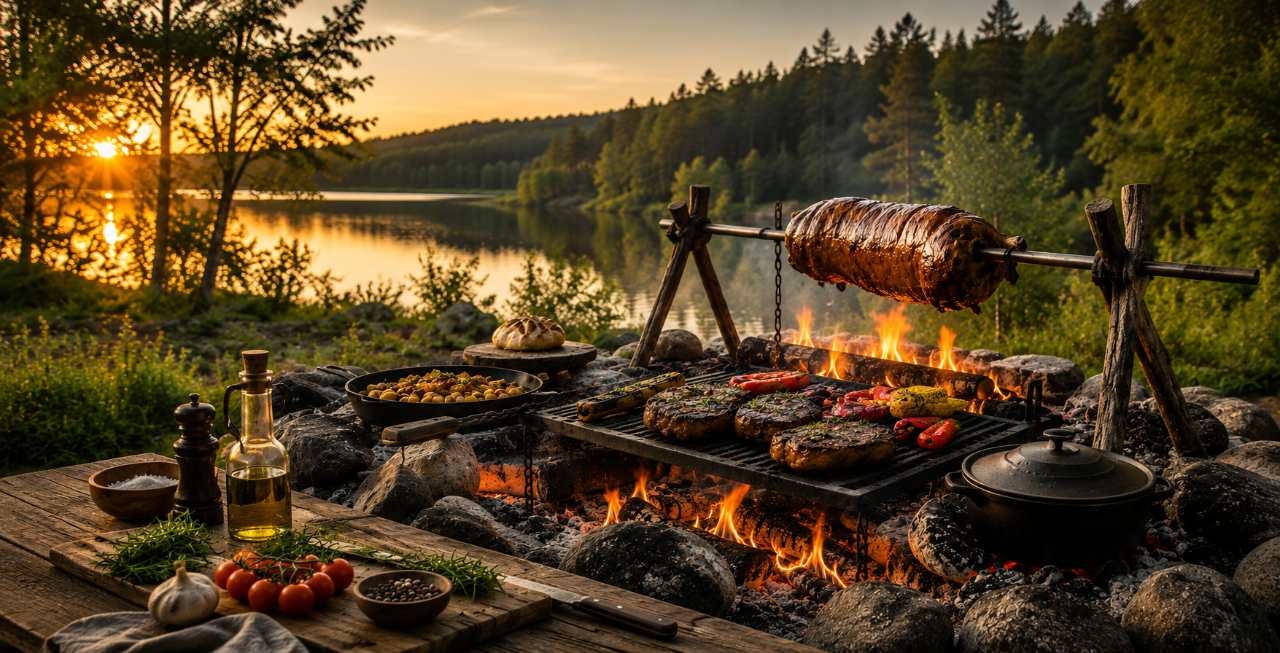
In a world increasingly dominated by sleek induction stovetops and precision ovens, there remains a primal allure, a captivating dance between food and fire that has sustained humanity for millennia. Open fire cooking, in its myriad forms, is more than just a method of preparation; it is an experience, a connection to our ancient roots, and a testament to the simple, profound beauty of transforming raw ingredients through the elemental power of flame. This ancient technique, far from being relegated to historical reenactments, is experiencing a vibrant resurgence, celebrated by professional chefs and home cooks alike for the unparalleled flavor, texture, and aroma it imparts.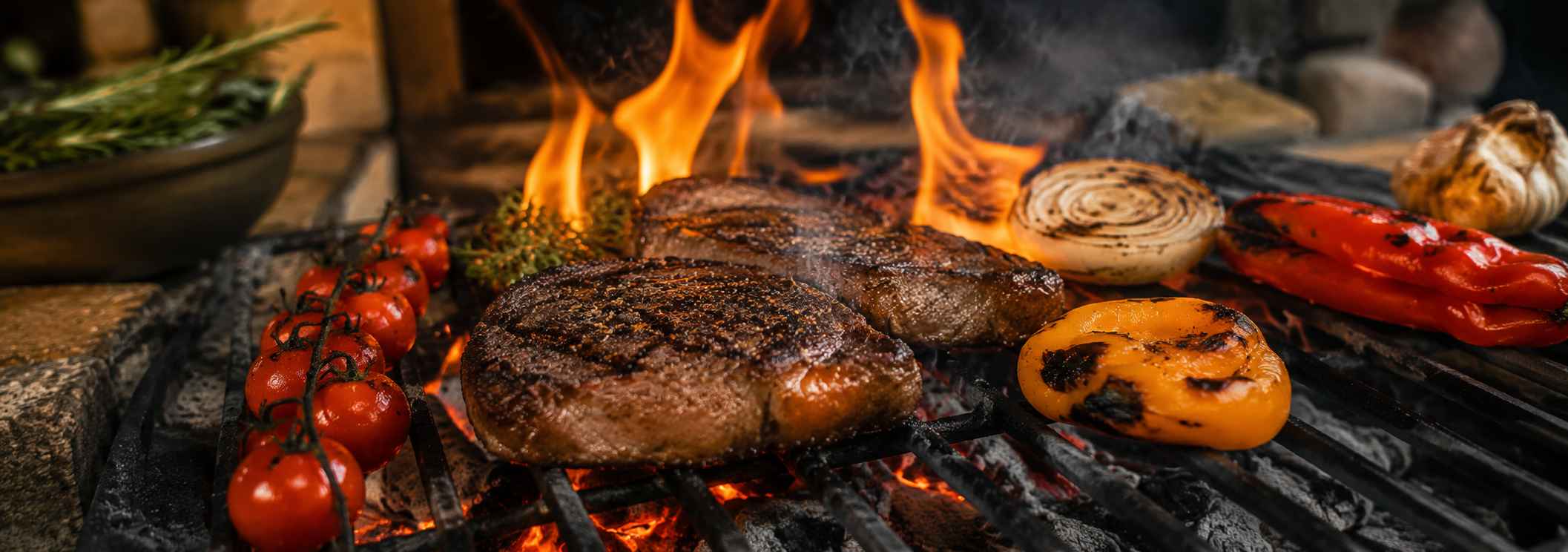
The Flavor Revolution
The magic of open fire cooking lies in its inherent complexity of flavor. As food meets direct heat, a symphony of chemical reactions occurs. The Maillard reaction, responsible for the browning and savory notes in many cooked foods, is intensified by the high, direct heat of a fire. Beyond this, the unique compounds released by burning wood or charcoal infuse the food with a distinctive smokiness, a characteristic that is impossible to replicate with other cooking methods. This isn't a one size fits all smoky flavor either; the type of wood used – be it mesquite, hickory, oak, or fruitwoods – will impart a nuanced profile, adding layers of depth and intrigue to every bite.
Exploring the Spectrum of Open Fire
While grilling over charcoal or wood is perhaps the most common image associated with open fire cooking, the practice encompasses a far broader spectrum. Consider the rustic charm of cooking directly in the embers of a fire, a technique used for centuries to prepare vegetables, fish, and even bread. Spit roasting, where a whole animal is slowly rotated over the flames, creates incredibly succulent and evenly cooked meat with crispy skin. Dutch ovens, placed directly into the coals, can braise, bake, and stew, offering a versatile approach to slow cooking outdoors. Even the simple act of charring vegetables directly over a flame can elevate their sweetness and add a delightful bitterness.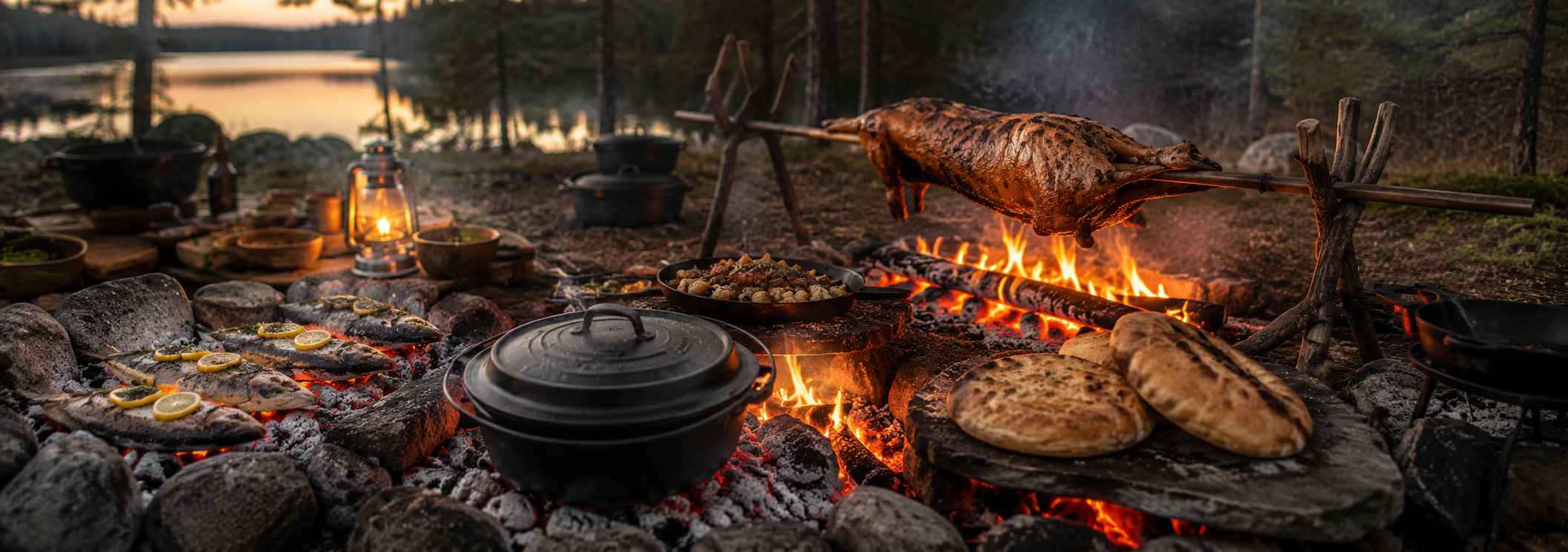
The Sensory Experience
Open fire cooking is an immersive experience that engages all the senses. The crackling sound of the flames, the warm embrace of the heat, the intoxicating aroma that fills the air, the visual spectacle of food transforming before your eyes, and, of course, the unparalleled taste. It encourages a slower, more mindful approach to food preparation, fostering a connection between the cook, the ingredients, and the environment. Gathering around a fire to cook and share a meal creates a sense of community and occasion, transforming a simple dinner into a memorable event.
Tips for the Aspiring Fire Cook
While the allure is undeniable, mastering open fire cooking requires a certain finesse and understanding of heat management. The first step is to choose your fuel wisely. High quality charcoal or seasoned hardwoods will provide the best and most consistent heat. Understanding the different heat zones is crucial; you'll want to create areas of intense heat for searing and areas of indirect heat for slower cooking. Patience is a virtue when cooking with fire; resist the urge to constantly flip or move your food. Allow the flames to do their work, and you will be rewarded with incredible results.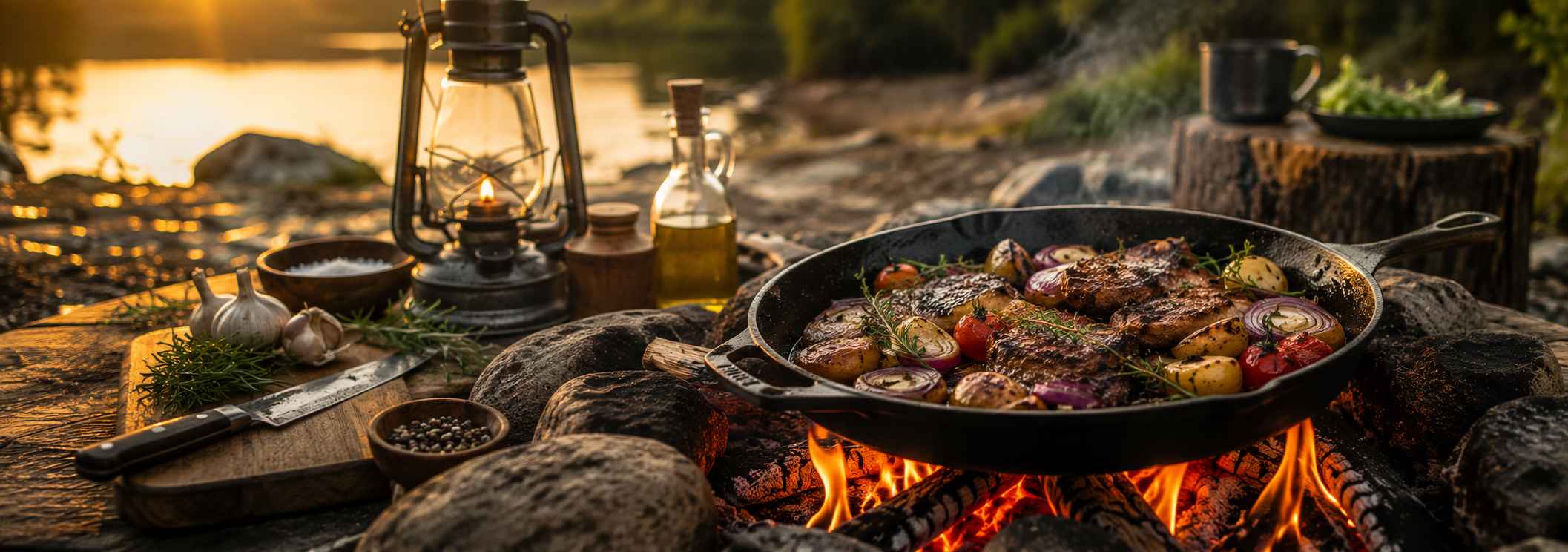
A Timeless Tradition, A Delicious Future
In conclusion, the beauty of open fire cooking lies in its simplicity, its connection to our past, and the extraordinary flavors it unlocks. It is a celebration of the raw, untamed power of fire and its transformative effect on food. Whether you are a seasoned chef or a curious home cook, embracing the art of open fire cooking offers a journey of discovery, a way to reconnect with the elemental joys of food, and a path to creating truly unforgettable culinary experiences. So, the next time you have the opportunity, step away from the predictable and embrace the wild, wonderful world of cooking with fire.
Most Popular






Anaya
comment1