



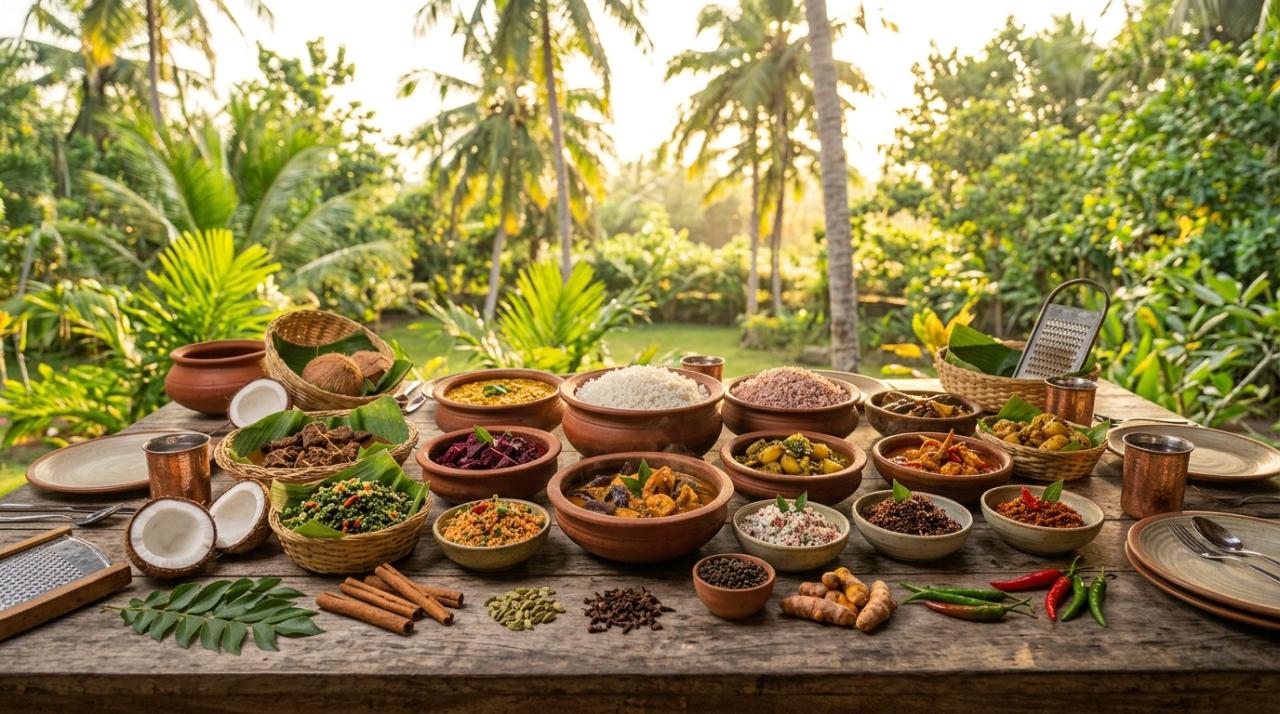
The Heart of Sri Lankan Gastronomy
In the vibrant culinary landscape of Sri Lanka, one dish stands out as a true national treasure: rice and curry. Far more than a simple meal, it is a complex tapestry of flavors, textures, and aromas, deeply interwoven with the island's history, culture, and daily life. From humble home kitchens to bustling roadside eateries, the omnipresent aroma of spices and simmering curries is a testament to the enduring popularity and cultural significance of this iconic dish.
Tracing the Evolution of Rice and Curry
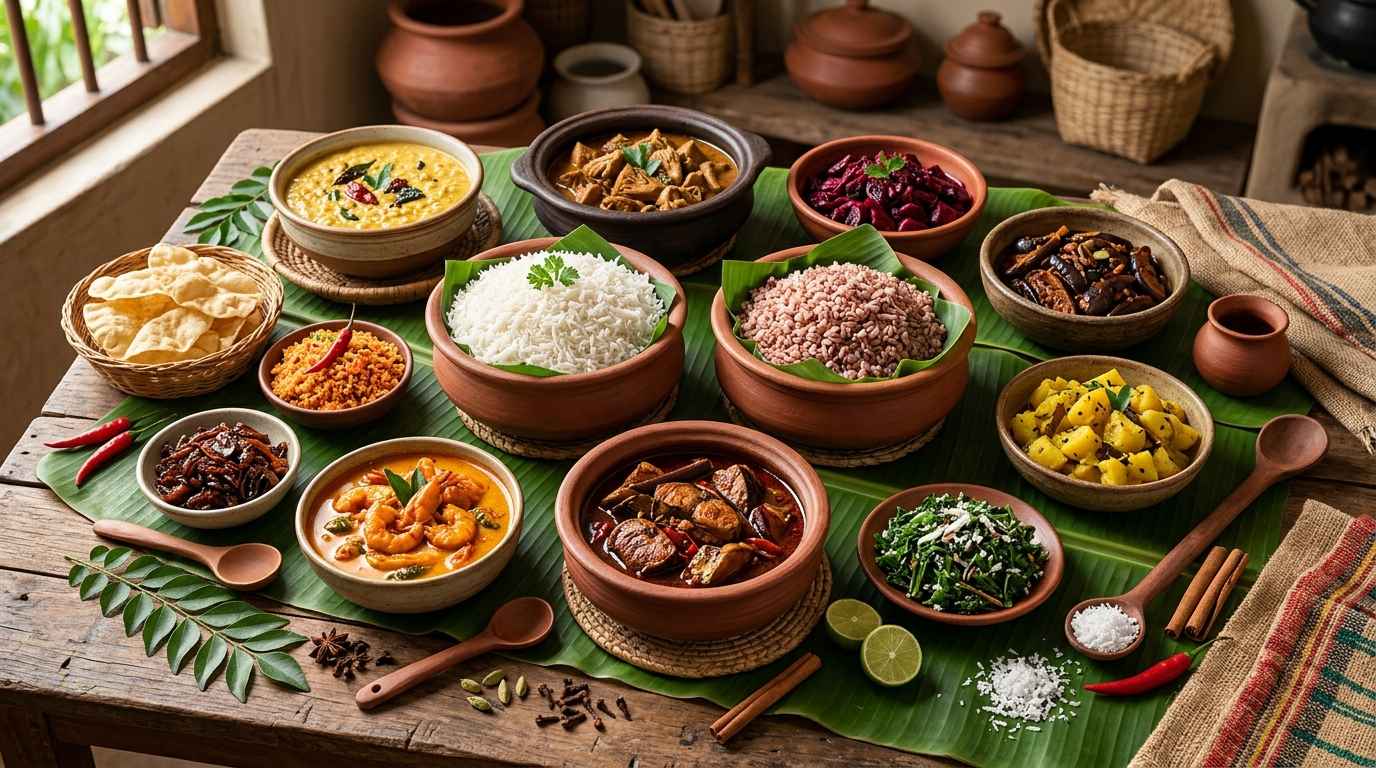
The origins of Sri Lankan rice and curry are as rich and layered as the dish itself. While rice has been a staple grain in Sri Lanka for millennia, the concept of accompanying it with a variety of flavorful curries has evolved over centuries, influenced by trade, migration, and cultural exchange. Early forms likely involved simple preparations of rice with local vegetables and perhaps some dried fish or meat. However, it was the arrival of various trading communities, including South Indian Tamils, Arab traders, and later, the Portuguese, Dutch, and British, that significantly shaped the development of Sri Lankan curries.
South Indian Influence and Spice Blends
The most profound influence on Sri Lankan curry making undoubtedly comes from South India. The introduction of a wider array of spices like turmeric, cumin, coriander, fenugreek, and various chilies, along with techniques for tempering and grinding, laid the foundation for many of the curries we enjoy today. The use of coconut milk as a base for many curries, adding a creamy richness and balancing the heat of the spices, is another hallmark inherited from this era.
Colonial Contributions and Regional Diversification
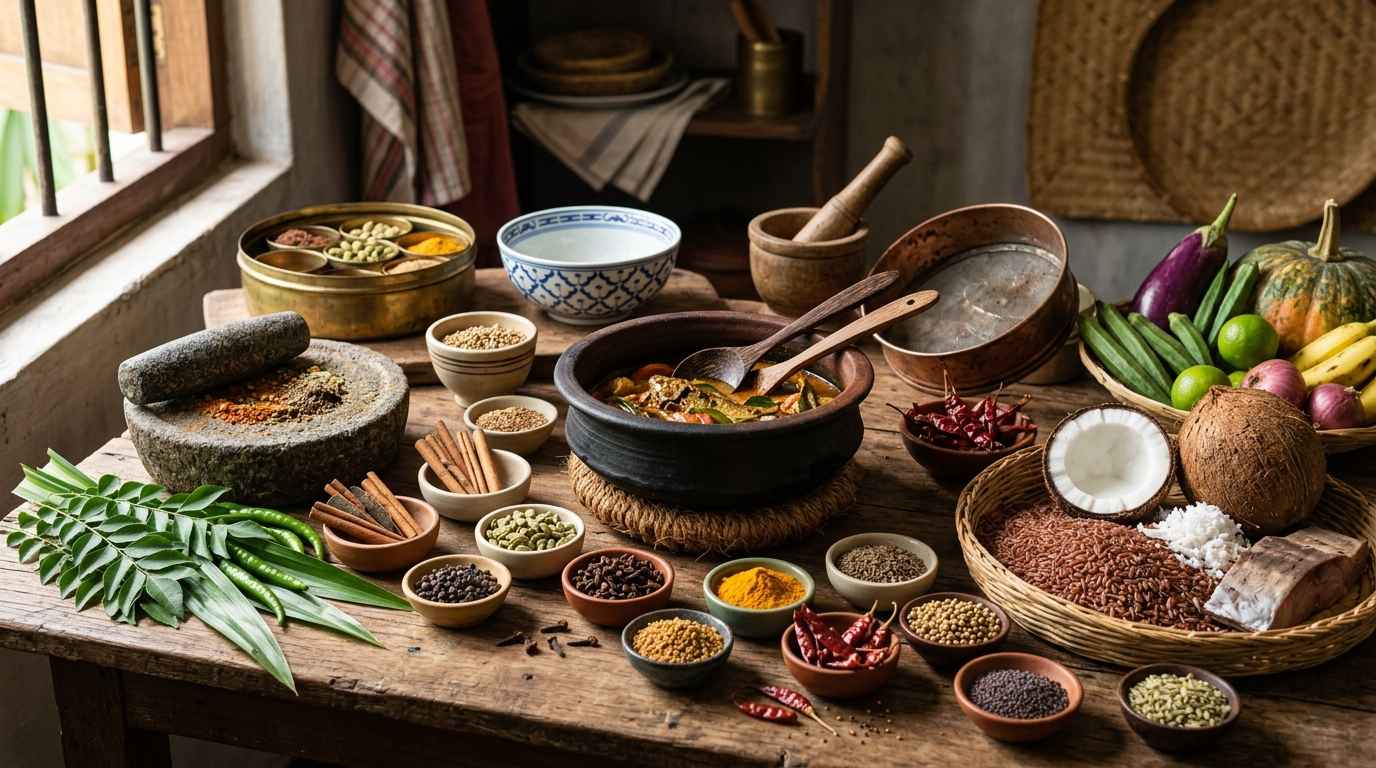
The colonial periods also left their mark. The Portuguese introduced ingredients like chilies (though their origins are South American, they were popularized in Asia by European traders) and certain meats. The Dutch brought their own culinary traditions, which can be seen in some of the richer, meat based stews. Over time, regional variations emerged across Sri Lanka. For instance, the Jaffna region in the north is known for its spicier, more intense curries, often featuring red rice and using ingredients like palmyra sap. The coastal areas, as expected, showcase an abundance of seafood curries, while the central highlands might feature more vegetable focused dishes.
The Anatomy of a Sri Lankan Rice and Curry Meal
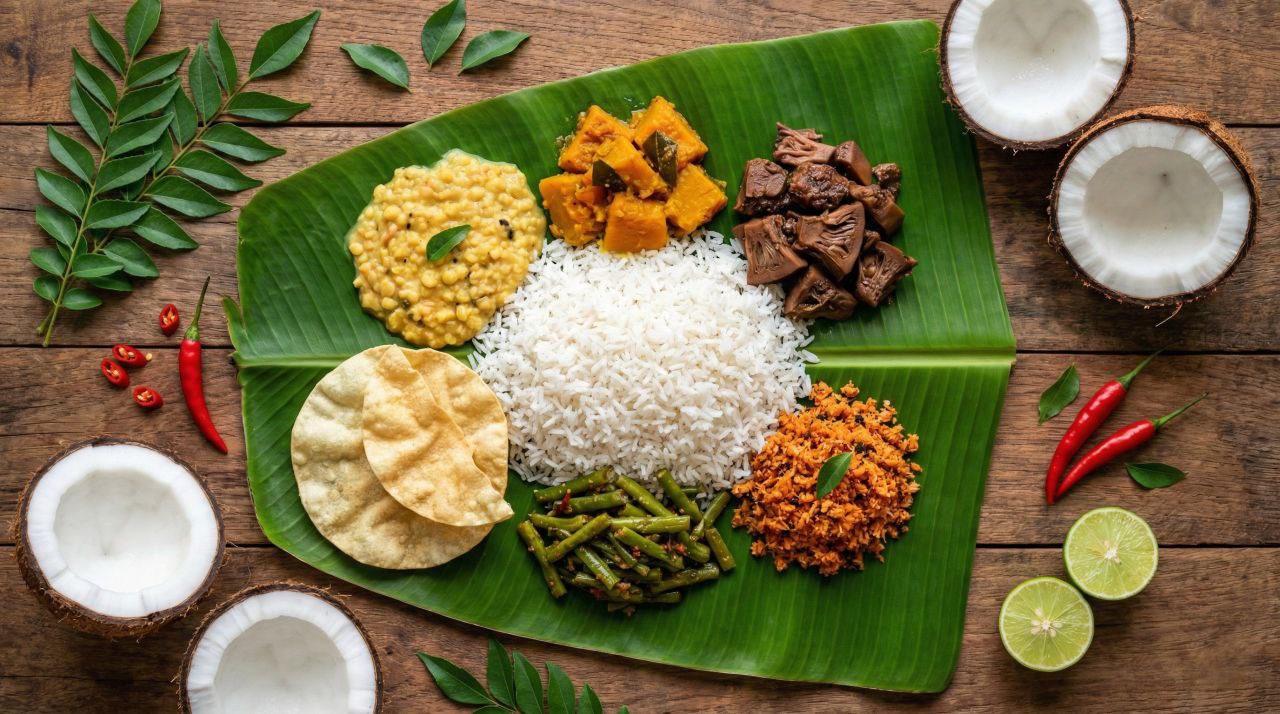
A typical Sri Lankan rice and curry meal is a harmonious ensemble. The centerpiece is, of course, the fluffy, steamed rice, usually white or red rice. This is accompanied by a minimum of three to four different curries, often more. These can include:
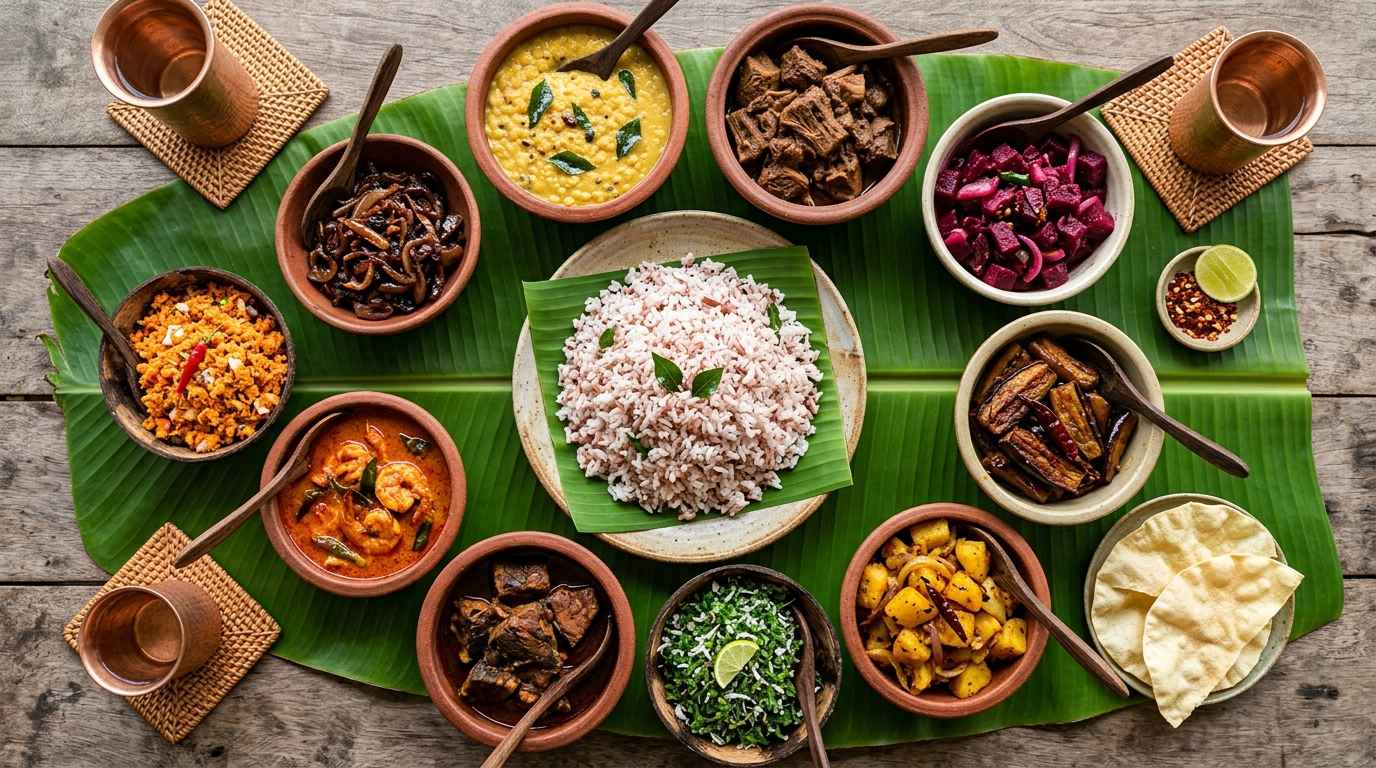
- Dhal Curry (Parippu): A creamy lentil curry, often tempered with onions, garlic, and curry leaves, is almost always present.
- Vegetable Curries: A diverse range including jackfruit (polos), beetroot, brinjal (eggplant), potato, and various leafy greens cooked in a rich coconut gravy.
- Meat or Fish Curries: Chicken, beef, fish (like seer or tuna), or prawn curries, each prepared with distinct spice blends and cooking methods.
- Sambols and Pollos: Spicy accompaniments like coconut sambol (grated coconut with chili and lime) or seeni sambol (caramelized onions) add a punch of flavor.
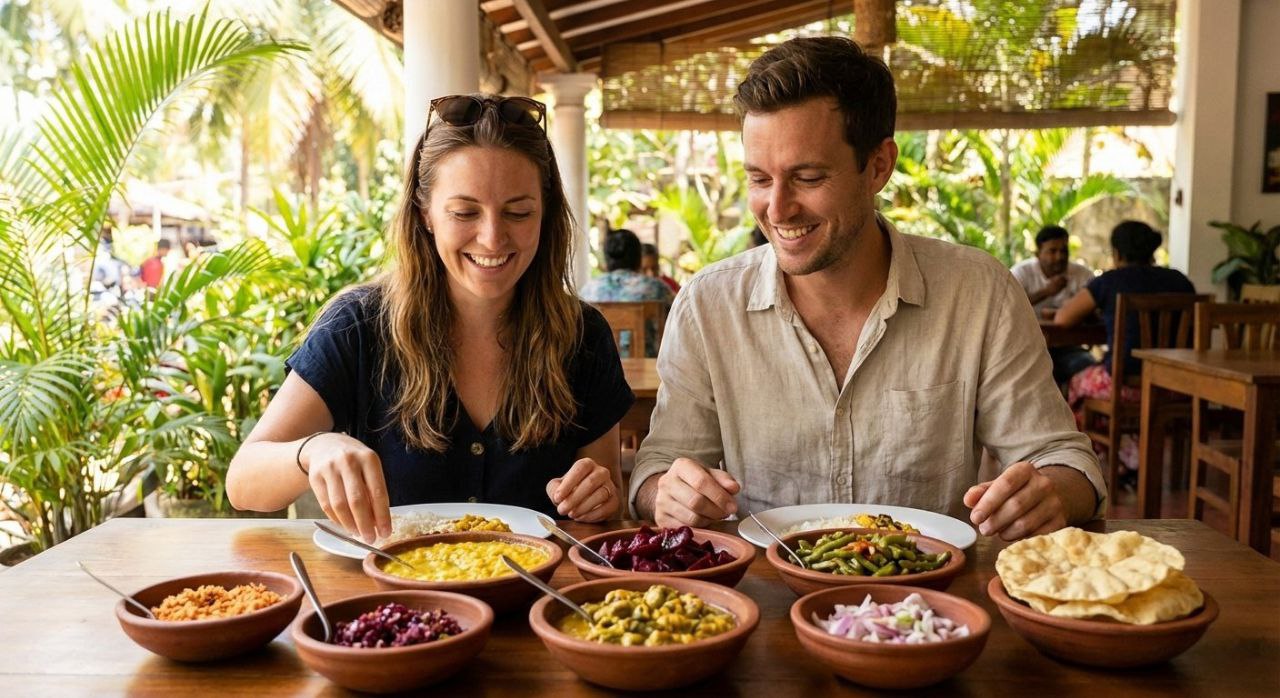
The act of eating rice and curry is an experience in itself. Traditionally, it is eaten with the hands, allowing diners to mix and match the various components, creating a unique flavor profile with each bite. The blending of savory, spicy, sour, and sometimes sweet elements on the plate is what makes this dish so universally appealing.
Tradition Meets Modernity
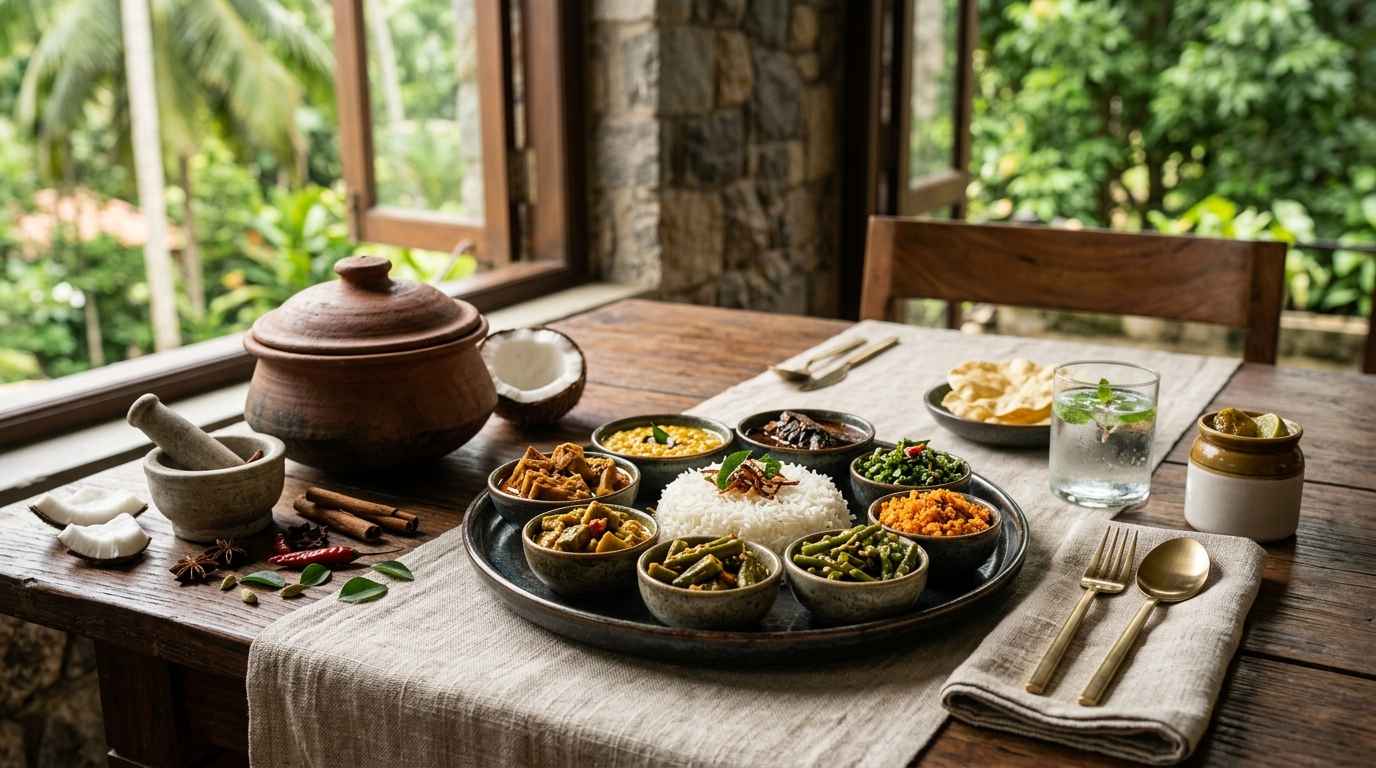
In contemporary Sri Lanka, rice and curry remains the cornerstone of daily meals. While modern life may introduce faster cooking methods or pre packaged spice mixes, the core principles of fresh ingredients, aromatic spices, and slow simmering endure. Restaurants, both traditional and contemporary, offer their interpretations, while home cooks continue to pass down cherished family recipes. The dish is also a vital part of Sri Lankan hospitality, always offered to guests as a symbol of welcome and generosity.
A Timeless Culinary Icon
The evolution of Sri Lankan rice and curry is a reflection of the island's rich history and its people's ingenuity. From its ancient roots to its current diverse expressions, it continues to be a dish that nourishes the body and soul. Its adaptability, coupled with its deep cultural resonance, ensures that Sri Lankan rice and curry will remain a beloved and iconic part of the nation's culinary heritage for generations to come.
Most Popular







Anaya
comment1