




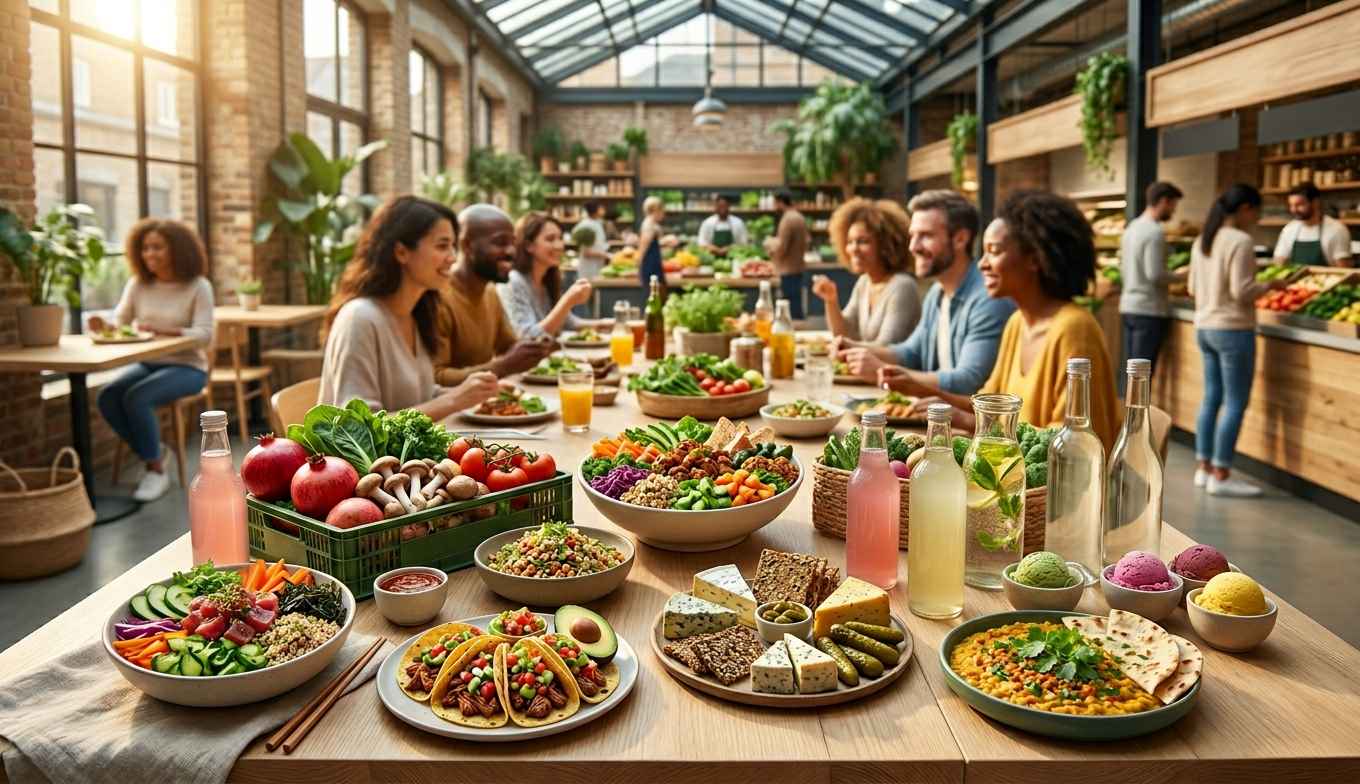
The way we eat is undergoing a dramatic transformation. Driven by a confluence of factors including environmental concerns, ethical considerations, health consciousness, and a burgeoning interest in culinary exploration, the food industry is witnessing an unprecedented rise in alternative foods and the development of novel ingredients. What was once considered niche is rapidly becoming mainstream, reshaping our kitchens and supermarkets alike.
Exploring the Realm of Alternative Foods
At the forefront of this revolution are alternative proteins. For decades, meat has been the default, but a growing segment of the population is actively seeking alternatives. Plant-based meats, crafted to mimic the taste and texture of conventional meat, have exploded in popularity. These products, often derived from soy, peas, or wheat, offer a compelling option for vegetarians, vegans, and even 'flexitarians' looking to reduce their meat consumption. Beyond plant-based, we're also seeing advancements in cultivated or lab grown meat. This technology involves growing meat directly from animal cells, promising a future where meat can be produced without the need for large scale animal agriculture, significantly reducing its environmental footprint.

Dairy alternatives have also become a staple. Almond, soy, oat, and coconut milk have paved the way for a vast array of dairy free cheeses, yogurts, and ice creams. These options cater not only to lactose intolerant individuals but also to those seeking more sustainable and often healthier choices. The innovation here extends to the textures and flavors, constantly improving to offer a truly satisfying experience.
Pioneering New Food Ingredients
The innovation doesn't stop at replicating existing foods. Entirely new ingredients are emerging, opening up exciting possibilities for nutrition and flavor. Algae, for instance, is a nutritional powerhouse, rich in protein, omega-3 fatty acids, and vitamins. Its versatility allows it to be incorporated into everything from protein powders and snacks to pasta and even seafood alternatives. Insects, a sustainable and protein-rich food source in many cultures, are gradually gaining traction in Western markets. Processed into flours or snacks, they offer an eco-friendly alternative with a remarkably low environmental impact.

Fungi, particularly mushrooms, are also playing a significant role. Beyond their culinary appeal, mycelium, the root structure of fungi, is being explored as a sustainable material for packaging and even as a base for meat alternatives due to its fibrous and chewy texture. Fermentation, an ancient practice, is experiencing a renaissance, unlocking new flavors and nutritional benefits. Probiotic rich fermented foods like kimchi and kombucha are commonplace, while advanced fermentation techniques are being used to create novel flavor compounds and even to produce proteins more efficiently.
The Driving Forces Behind the Change
Several key drivers are fueling this food innovation. Sustainability is paramount. Traditional food production, especially animal agriculture, is a major contributor to greenhouse gas emissions, deforestation, and water pollution. Alternative foods and ingredients offer a path toward a more environmentally responsible food system. Health consciousness is another significant factor. Consumers are increasingly aware of the link between diet and well being, seeking foods that are not only nutritious but also free from common allergens or processed ingredients. Ethical considerations regarding animal welfare are also prompting a shift away from conventional meat and dairy.
The role of technology cannot be overstated. Advancements in biotechnology, food science, and data analytics are enabling researchers and entrepreneurs to develop and scale up these new food options. Precision fermentation, for example, allows for the targeted production of specific proteins and ingredients, leading to more efficient and sustainable food manufacturing.

The rise of alternative foods and new ingredients is more than just a trend; it represents a fundamental shift in how we produce, consume, and think about food. As these innovations mature and become more accessible, they promise a future where our diets are not only more sustainable and ethical but also more diverse and exciting. Embracing these changes allows us to participate in building a food system that can nourish both people and the planet.
Most Popular












Anaya
comment1