



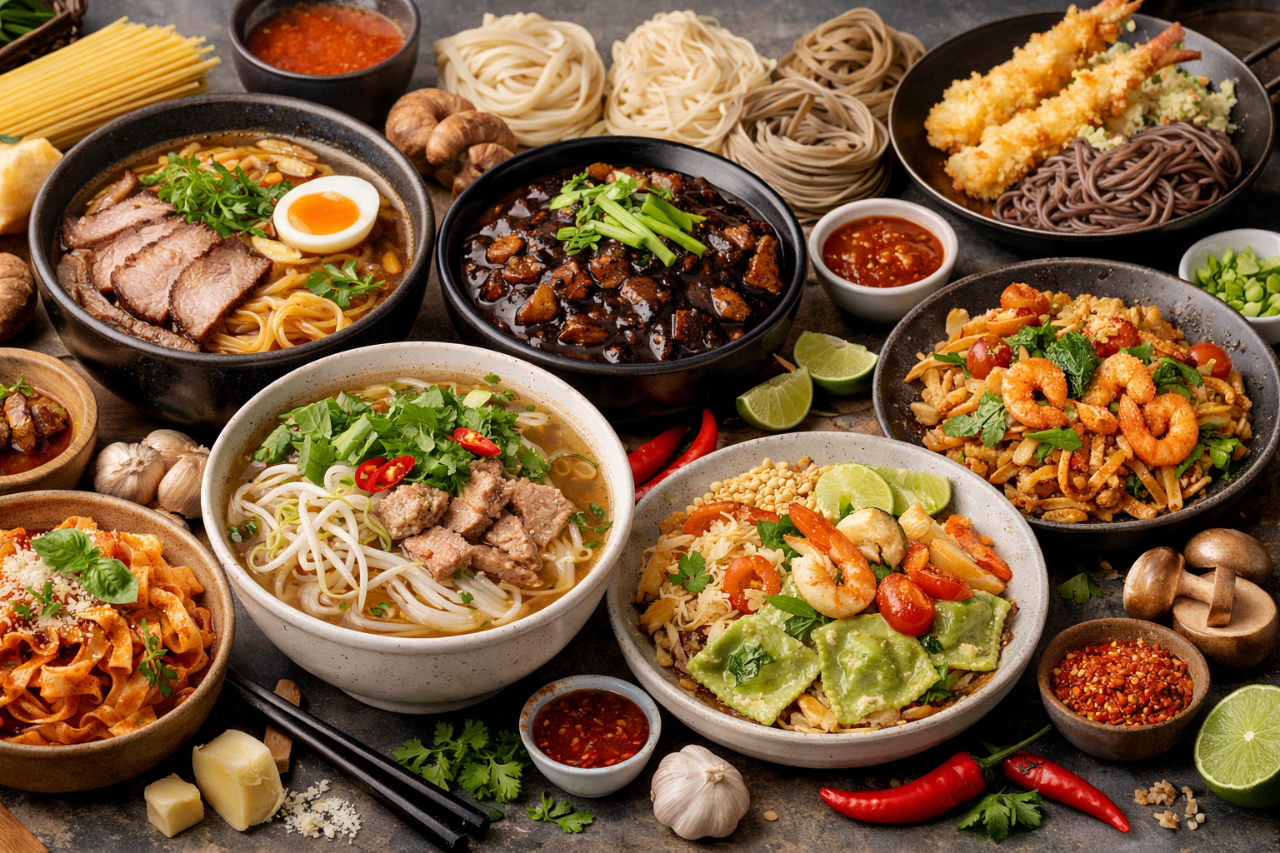
Noodles, in their myriad forms and flavors, represent a truly universal comfort food. From the delicate strands of Japanese ramen to the hearty embrace of Italian pasta, and the ubiquitous presence in Asian cuisines, noodles have transcended geographical and cultural boundaries to become a staple on tables worldwide. This humble yet versatile ingredient offers a canvas for an endless array of culinary creations, reflecting the diverse palates and traditions of the people who prepare and enjoy them.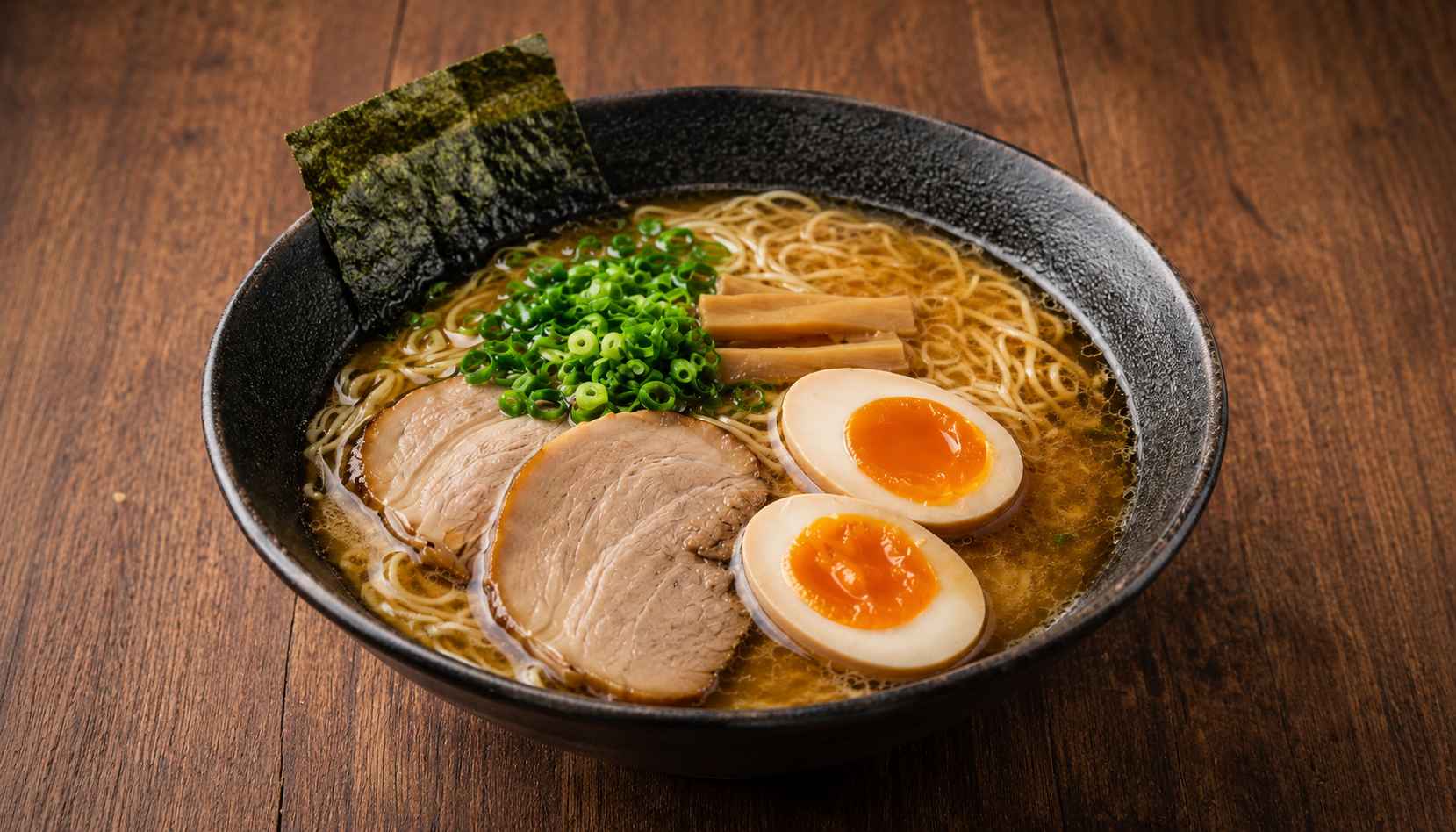
The history of noodles is a fascinating tapestry, with origins often debated but widely believed to point towards ancient China. Archaeological evidence suggests that noodle making dates back thousands of years, with early iterations made from various grains like millet. As civilizations developed and trade routes expanded, noodle making techniques and recipes spread, evolving and adapting to local ingredients and tastes.
Noodles Across Continents
In Asia, noodles are not merely food; they are an integral part of the culinary identity. In Japan, ramen has achieved iconic status, with its rich broths, tender toppings, and perfectly cooked noodles. Udon, with its thick, chewy texture, and soba, made from buckwheat, offer distinct sensory experiences. South Korea boasts jjajangmyeon, a hearty black bean noodle dish, and Japchae, a vibrant stir-fry of glass noodles with vegetables and meat.
Moving west, the influence of noodles is equally profound. Italy is synonymous with pasta, a broad category encompassing countless shapes and preparations, from the simple elegance of spaghetti aglio e olio to the rich indulgence of lasagna. Each region in Italy boasts its unique pasta traditions, a testament to the ingredient's adaptability.
Beyond these well known examples, noodles make appearances in cuisines across the globe. In Vietnam, pho, a fragrant noodle soup, is a national treasure. Thai cuisine features Pad Thai, a sweet and savory stir-fried noodle dish. Even in regions where noodles are not a primary starch, they often feature as a delightful addition, showcasing their ability to complement a wide range of flavors.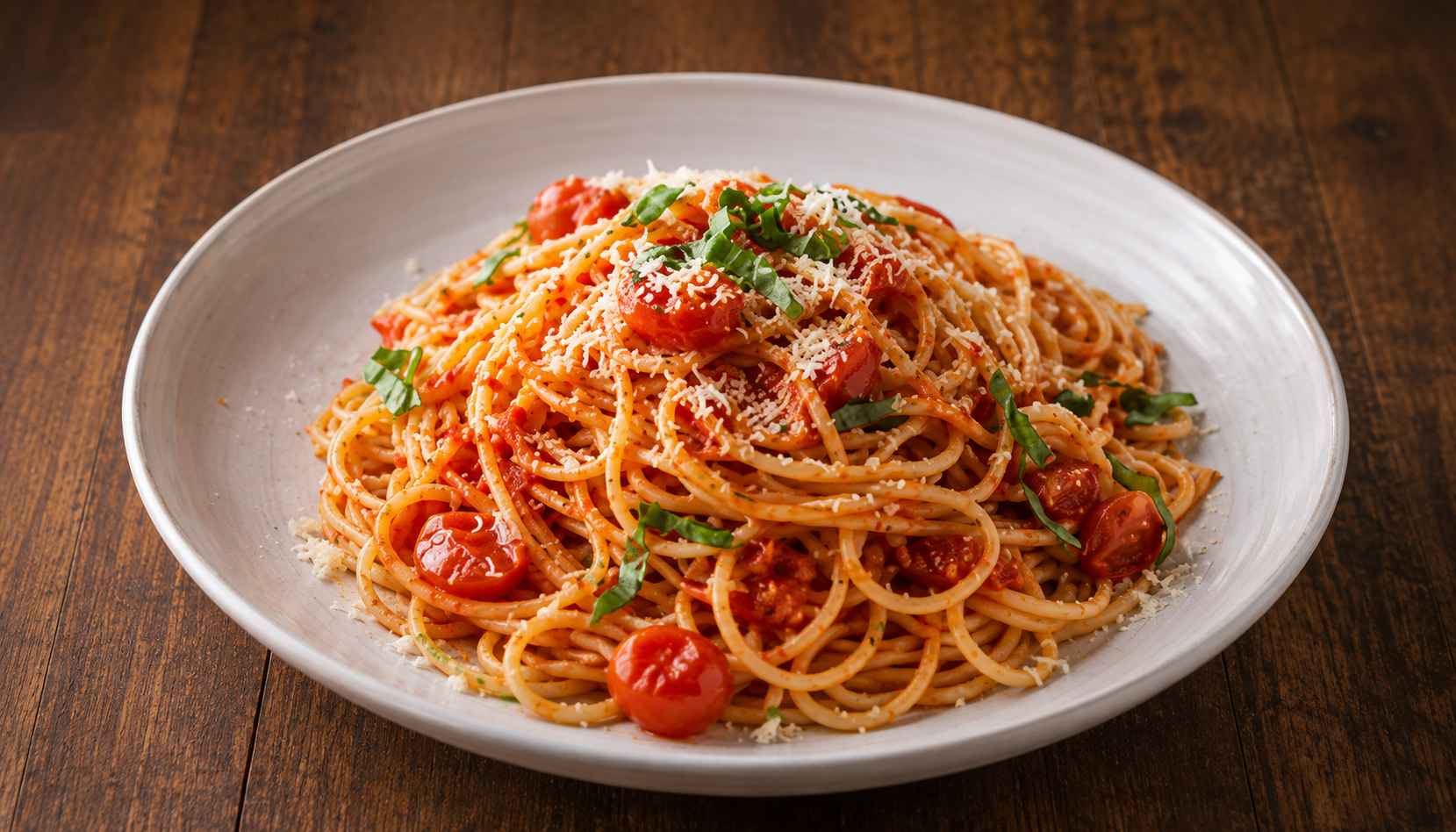
The Versatility of Noodles
What makes noodles so universally loved is their incredible versatility. They can be served hot or cold, in soups, stir fries, baked dishes, or simply tossed with a sauce. The texture of noodles can range from firm and chewy to soft and delicate, each offering a unique mouthfeel. Furthermore, noodles can be made from a vast array of ingredients, including wheat, rice, buckwheat, mung beans, and even sweet potatoes, catering to diverse dietary needs and preferences.
The preparation of noodles also offers a glimpse into cultural practices. From the intricate hand pulling of Lanzhou beef noodles to the simple extrusion of spaghetti, the act of noodle making itself can be an art form. This hands on approach often fosters a deeper connection to the food, transforming a simple meal into a cherished ritual.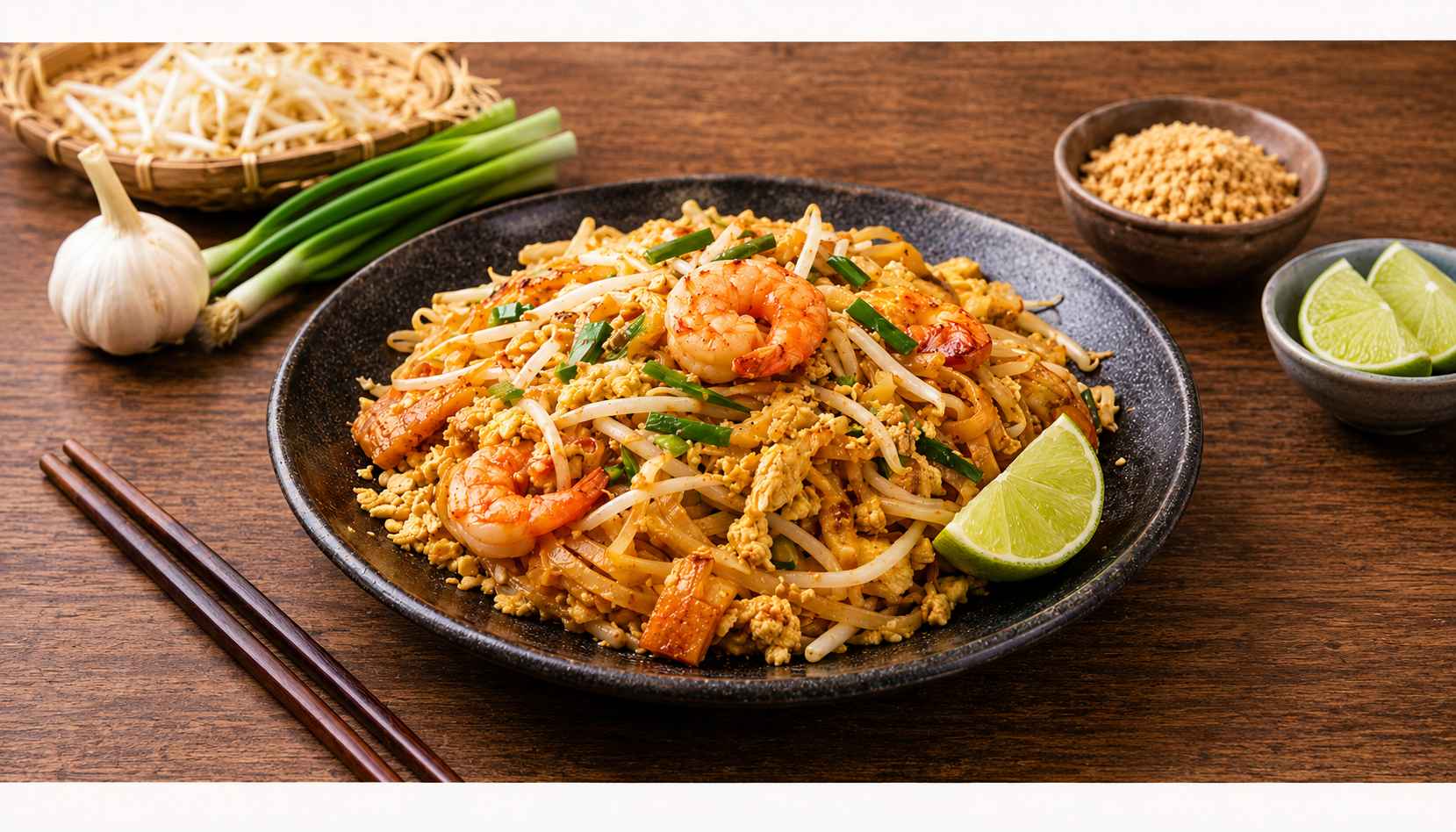
In contemporary times, the global popularity of noodles has only grown. International noodle bars and restaurants are commonplace, offering authentic tastes from around the world. Furthermore, the accessibility of noodle kits and instant noodles has made this beloved food even more convenient, allowing people to enjoy a satisfying meal with minimal effort.
Noodles are far more than just a food item; they are a global phenomenon that connects cultures and brings people together. Their rich history, diverse forms, and unparalleled versatility have cemented their place as a cherished culinary staple. Whether enjoyed in a steaming bowl of ramen, a comforting plate of pasta, or a vibrant noodle stir fry, noodles continue to nourish bodies and delight palates across the planet, a true testament to the enduring power of simple ingredients transformed by human ingenuity and tradition.

Most Popular










Anaya
comment1