



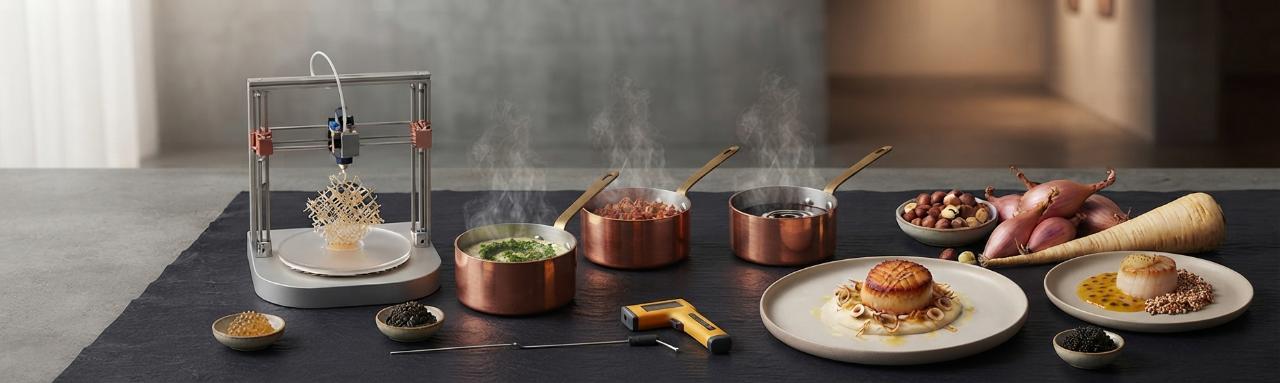
In the realm of gastronomy, innovation is the constant pursuit. Just as an alchemist sought to transmute base metals into gold, chefs and food enthusiasts are perpetually exploring new ways to transform ingredients, elevate flavors, and create unforgettable dining experiences. This drive for culinary alchemy is shaping the future of food, blending tradition with cutting edge techniques.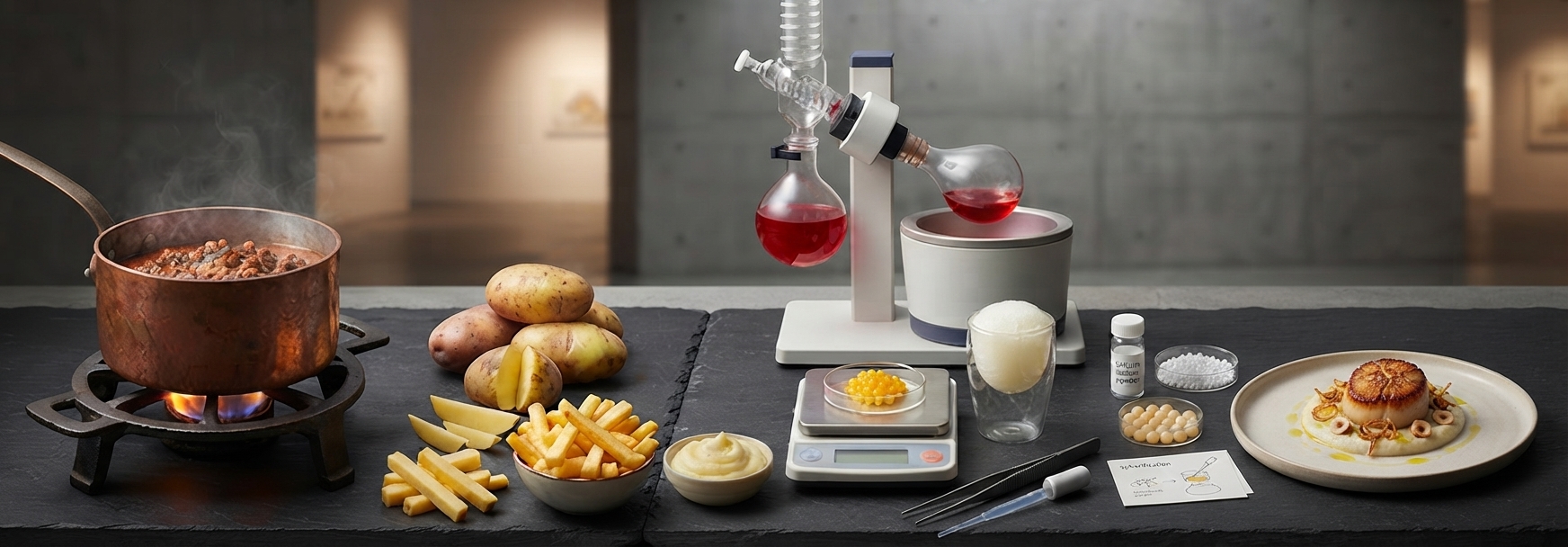
The Alchemical Process in the Kitchen
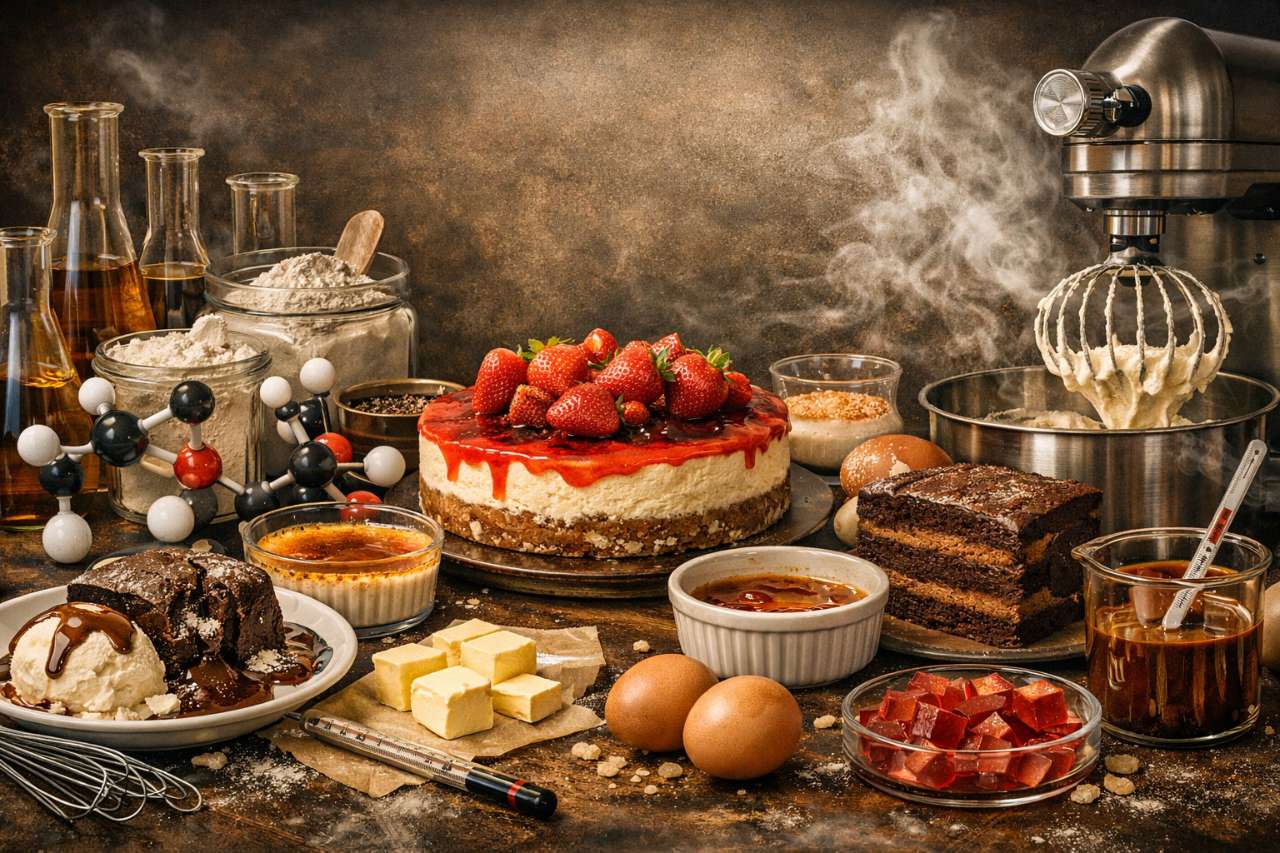
At its core, cooking is a form of alchemy. It involves taking raw, often humble, components and, through the application of heat, skill, and imagination, creating something entirely new and delightful. Think of the simple potato, transformed into crispy fries, a creamy mash, or a sophisticated gratin. This is culinary transformation in action. The modern kitchen, however, is a laboratory of unprecedented possibilities. Molecular gastronomy, for instance, delves into the science behind cooking, allowing chefs to deconstruct ingredients and reassemble them in unexpected forms. Spherification, foams, and gels are not just culinary trends; they are alchemical techniques that unlock novel textures and presentations.
Ingredients as Elements of Discovery
Just as alchemists worked with the foundational elements, chefs today are rediscovering and reimagining the potential of individual ingredients. There's a growing appreciation for the origin and quality of produce, a focus that mirrors the alchemist's respect for their raw materials. From heritage grains to rare spices, chefs are seeking out ingredients with unique properties, experimenting with their inherent flavors and textures. This quest for the perfect ingredient is akin to searching for the Philosopher's Stone of the culinary world. The "farm to fork" movement, with its emphasis on local sourcing and seasonality, is a prime example of this ingredient centric approach. It's about understanding the essence of what you are working with and allowing its natural qualities to shine through.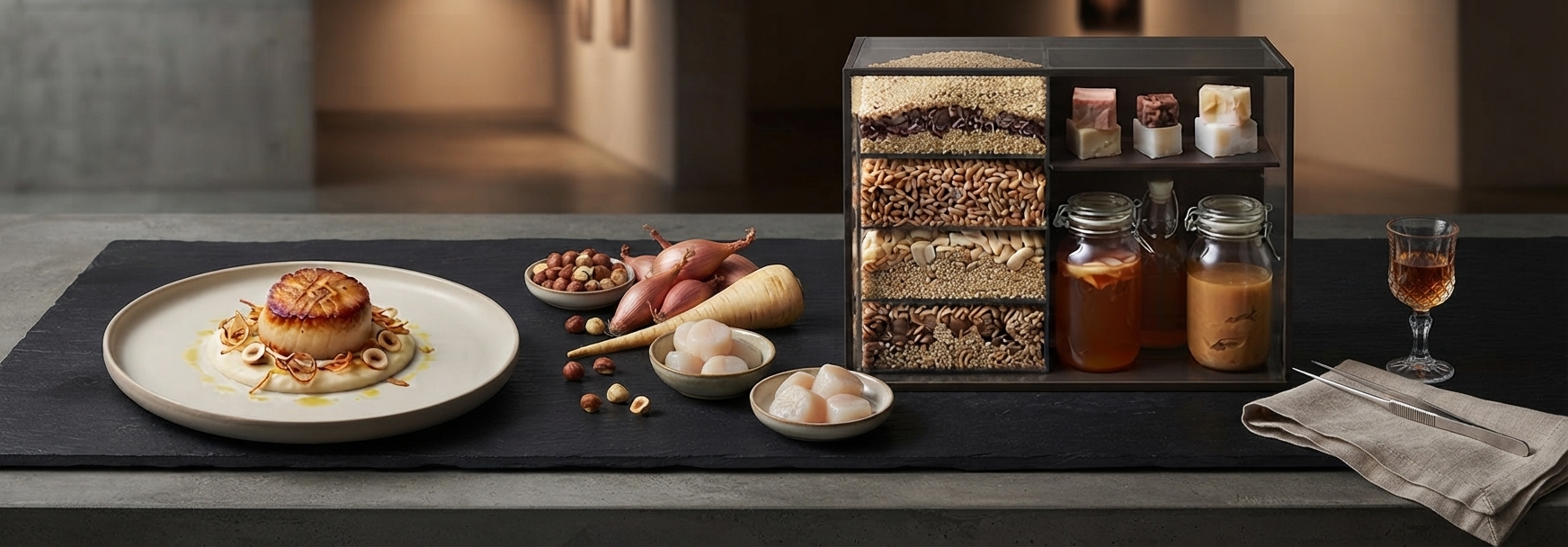
The Art of Flavor Fusion
Culinary alchemy also lies in the art of fusion. Blending diverse culinary traditions, techniques, and flavor profiles creates exciting new hybrids. This is not merely a mixing of ingredients, but a thoughtful integration that results in a harmonious and often surprising new taste. Consider the rise of Asian fusion cuisine, which seamlessly marries the delicate spices of the East with the bold flavors of the West. This cross cultural pollination is a testament to the alchemist's ability to synthesize disparate elements into a unified whole. The goal is not to create a chaotic clash of flavors, but a balanced and intriguing dialogue between culinary worlds.
The Sensory Experience
The modern hungry alchemist understands that a meal is more than just taste. It is a multi sensory experience. Presentation, aroma, sound, and even the tactile sensation of food play crucial roles. Chefs are becoming artists, meticulously crafting plates that are as visually stunning as they are delicious. The careful arrangement of colors, shapes, and textures turns a plate into a canvas. The sizzle of a perfectly seared steak, the fragrant steam rising from a simmering curry, the satisfying crunch of a freshly baked bread – these sensory elements are all part of the alchemical transformation, engaging diners on multiple levels.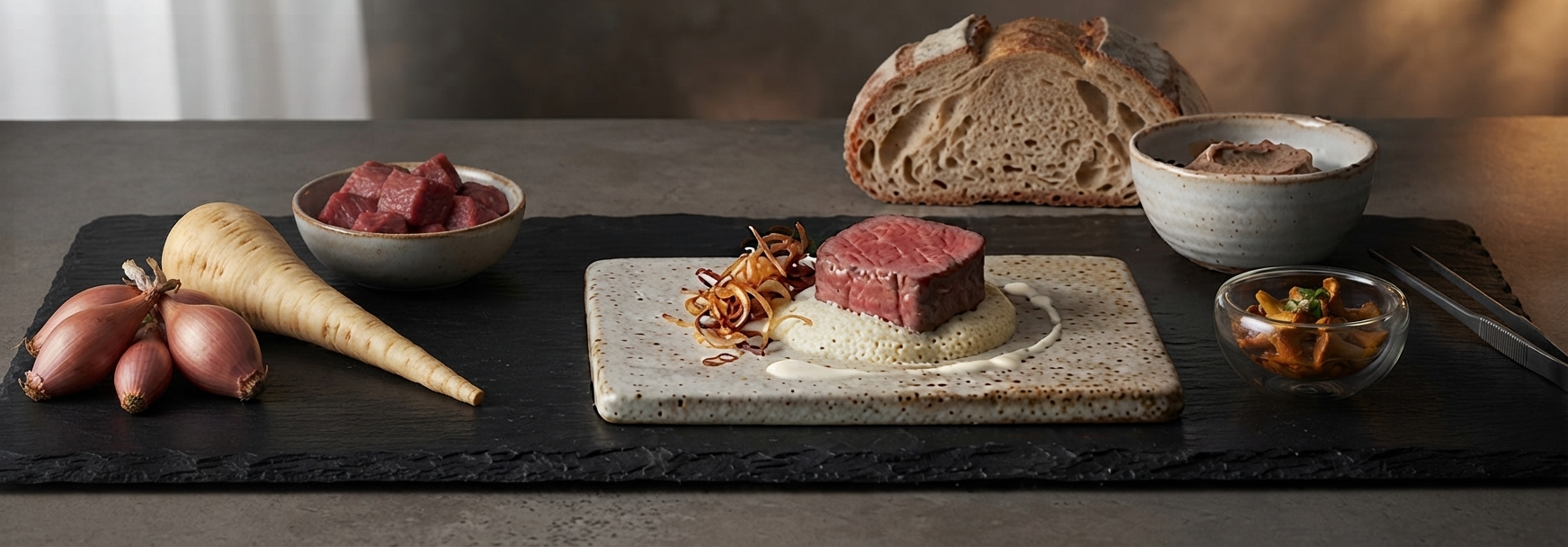
The Future of Culinary Alchemy
As technology continues to advance, the possibilities for culinary alchemy will only expand. 3D food printing, advanced fermentation techniques, and precision agriculture are all set to revolutionize how we produce and consume food. These innovations offer exciting new tools for the hungry alchemist, enabling the creation of textures, forms, and flavors that were once unimaginable. The pursuit of culinary excellence is an ongoing journey, driven by curiosity, passion, and a touch of magic. The hungry alchemist, in all of us, is eager to explore the next frontier in flavor and experience.
Most Popular







Anaya
comment1