



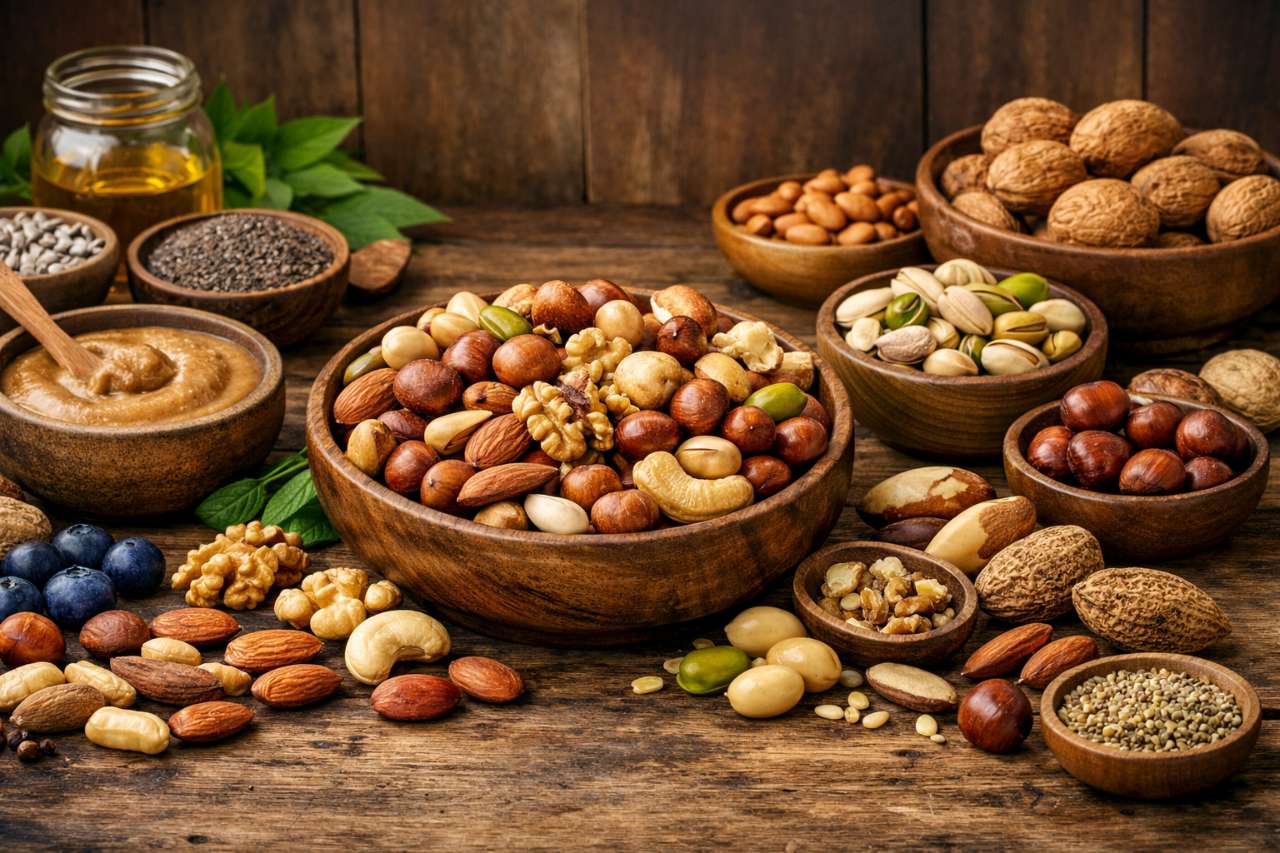
In the vast and diverse world of food, nuts often stand out as small but mighty contributors to our diets. These edible seeds, encased in a shell, have been a staple for humans for millennia, cherished not only for their satisfying crunch and rich flavor but also for their impressive nutritional profile. From the ubiquitous almond to the exotic macadamia, nuts offer a unique blend of healthy fats, proteins, vitamins, and minerals that can play a significant role in a balanced and healthy lifestyle. This post delves into the multifaceted benefits of incorporating nuts into your regular dietary habits, exploring why these humble ingredients are so much more than just a snack.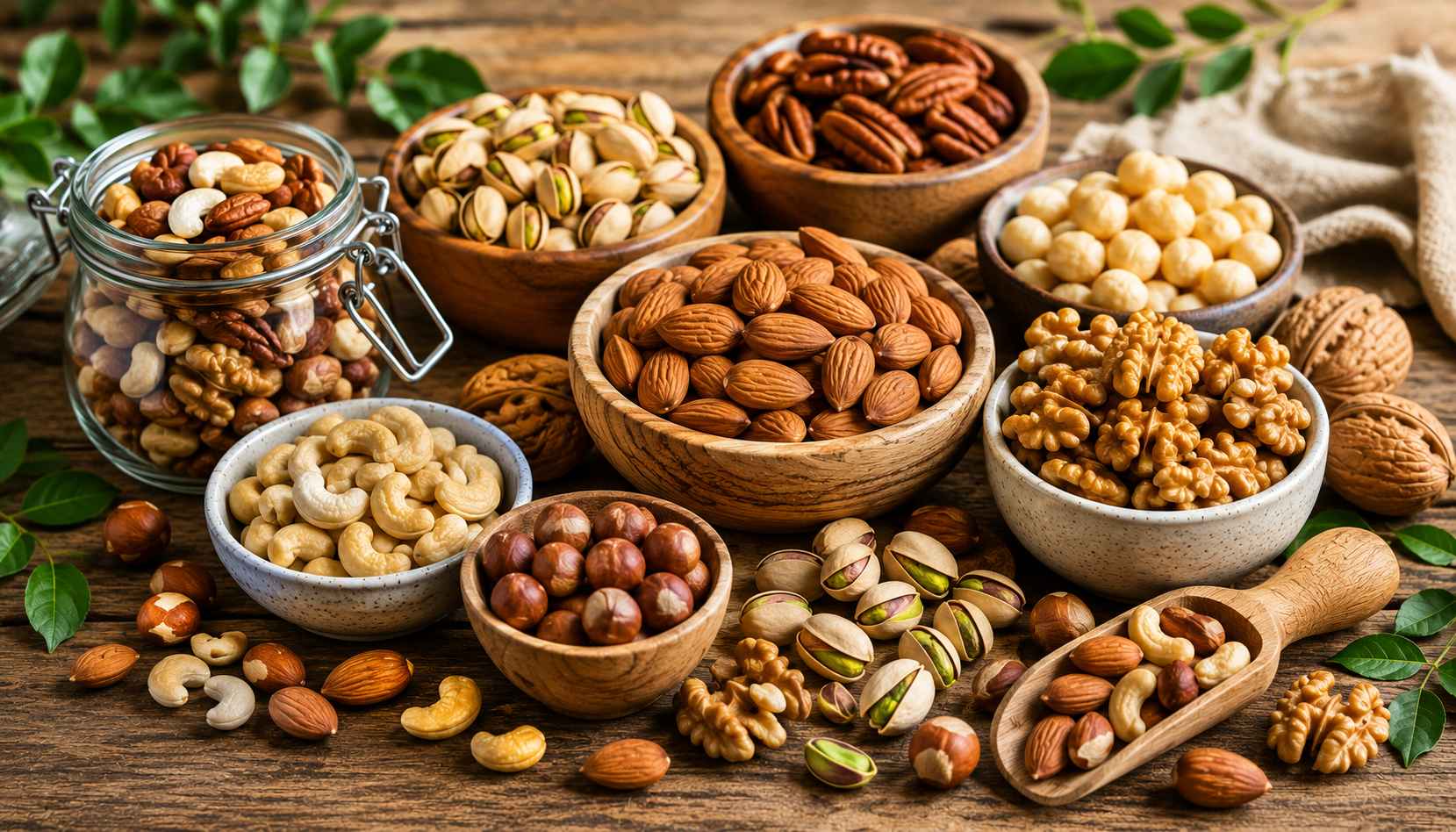
The Nutritional Powerhouse Within
The nutritional story of nuts is one of remarkable density. Despite their small size, they pack a significant punch. A key component of their healthfulness is their high content of monounsaturated and polyunsaturated fats, often referred to as 'good fats'. These fats are essential for heart health, helping to lower bad cholesterol levels and reduce the risk of cardiovascular disease. Unlike saturated fats found in many animal products, these plant based fats are beneficial for overall well being.
Beyond healthy fats, nuts are an excellent source of plant based protein, making them a valuable addition for vegetarians, vegans, and anyone looking to increase their protein intake. They also provide dietary fiber, which aids digestion, promotes satiety (helping you feel fuller for longer), and can contribute to better blood sugar control. This combination of protein, healthy fats, and fiber makes nuts a satisfying and nutrient dense food option.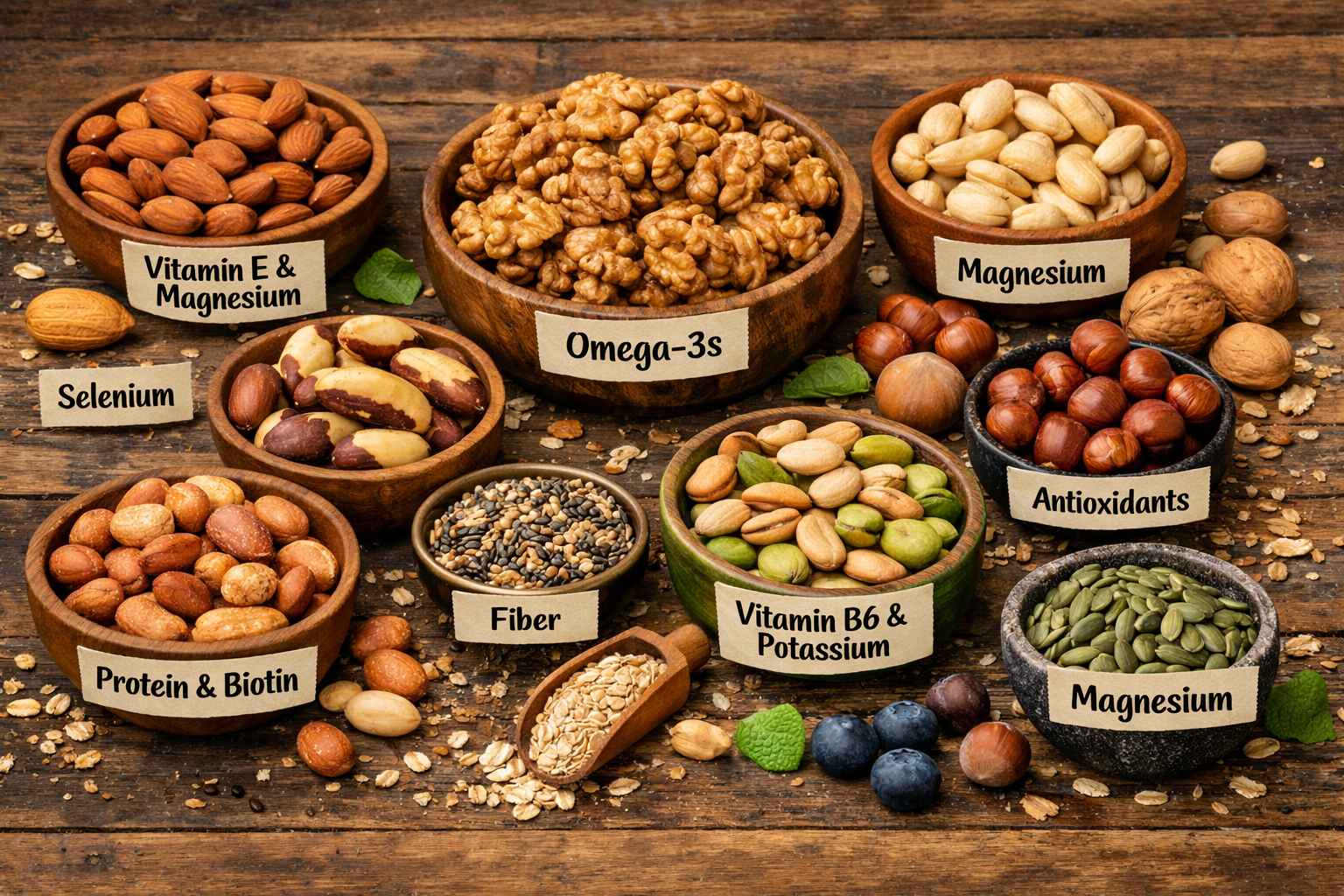
A Spectrum of Vitamins and Minerals
The micronutrient profile of nuts is equally impressive. They are rich in vitamin E, a powerful antioxidant that protects cells from damage. Many nuts also provide B vitamins, crucial for energy metabolism, as well as minerals like magnesium, which is vital for muscle and nerve function, blood sugar control, and blood pressure regulation. Potassium, important for maintaining healthy fluid balance and blood pressure, is also found in many nut varieties. Furthermore, nuts like Brazil nuts are exceptional sources of selenium, an essential mineral for thyroid function and antioxidant defense.
Consider a few examples: Almonds are a fantastic source of vitamin E and magnesium. Walnuts are particularly rich in omega 3 fatty acids, a type of polyunsaturated fat known for its anti inflammatory properties and brain health benefits. Pistachios offer a good dose of vitamin B6 and potassium. Even smaller nuts like peanuts (botanically a legume but commonly grouped with nuts) are packed with protein and biotin.
Versatility in the Kitchen
The appeal of nuts extends far beyond their health benefits; their culinary versatility is truly remarkable. They can be enjoyed in countless ways, fitting seamlessly into any meal or occasion. As a quick and convenient snack, a handful of mixed nuts can curb hunger between meals. They add a delightful texture and depth of flavor to salads, yogurts, and oatmeal. Ground or chopped, they can be incorporated into baked goods like cookies, cakes, and breads, providing moisture and a nutty aroma.
Nut butters, such as peanut butter and almond butter, are a pantry staple for many, serving as spreads for toast, dips for fruits, or ingredients in smoothies and sauces. Savory dishes also benefit from the addition of nuts. They can be used to coat chicken or fish for a crunchy exterior, added to stir fries for texture, or tossed with roasted vegetables to enhance their flavor. The possibilities are virtually endless, encouraging creativity in the kitchen and making healthy eating an enjoyable pursuit.
Choosing and Storing Nuts
When selecting nuts, opt for raw or dry roasted varieties without added salt or oils to maximize their health benefits. While convenient, heavily seasoned or candied nuts can negate some of their positive attributes due to added sugars and sodium. Store nuts in an airtight container in a cool, dark place, or for longer shelf life, keep them in the refrigerator or freezer. This helps prevent them from going rancid, which can be an issue with their high fat content.
In conclusion, nuts are far more than just a simple snack. They are nutritional powerhouses offering a wealth of health benefits, from supporting heart health and aiding digestion to providing essential vitamins and minerals. Their incredible versatility makes them an accessible and enjoyable addition to any diet, capable of elevating both the flavor and nutritional value of a wide array of dishes. By understanding their inherent goodness and incorporating them thoughtfully into our meals, we can harness the mighty power of nuts for a healthier and more flavorful life.

Most Popular













Anaya
comment1