




Often overlooked in favor of more widely recognized nuts, the cashew holds a special place in the world of gastronomy and nutrition. This crescent shaped seed, which grows at the bottom of the cashew apple, is more than just a delicious snack. It's a powerhouse of essential nutrients, a versatile ingredient in countless dishes, and a crop with significant economic importance. From its unique botanical origins to its widespread culinary applications and health benefits, the cashew is a truly remarkable foodstuff.
The Journey from Tree to Table
The cashew tree, scientifically known as *Anacardium occidentale*, is native to northeastern Brazil. However, it has since been cultivated in tropical regions across the globe, with major production centered in countries like Vietnam, India, Ivory Coast, and Nigeria. What's fascinating about the cashew is its unusual growth pattern. The edible cashew seed develops externally on the end of a fleshy, pear shaped pseudofruit called the cashew apple. This apple is also edible and often used to make juices and jams, though it is highly perishable and not typically shipped long distances.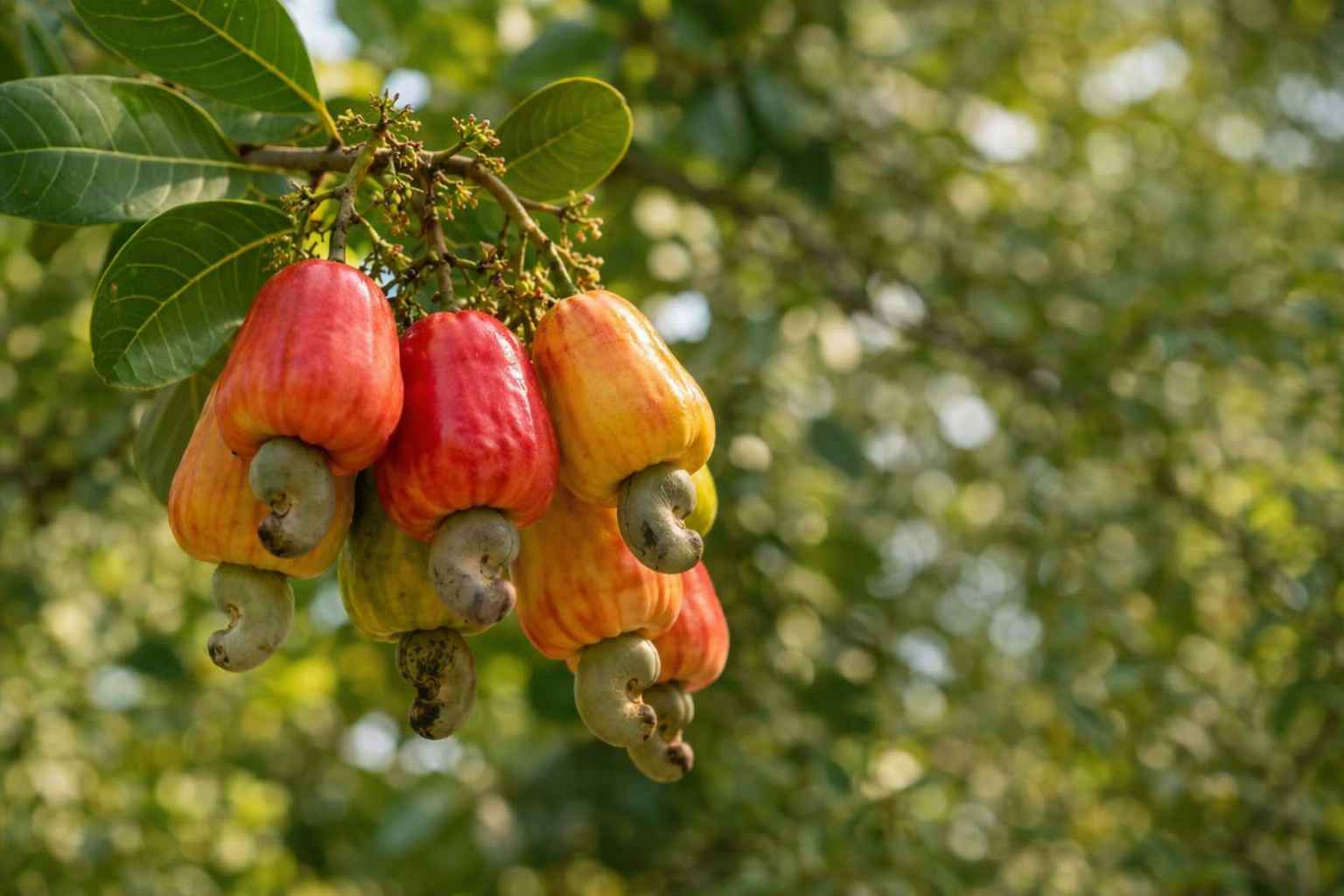
The cashew nut itself requires a complex processing method to be made safe for consumption. Raw cashews contain a toxic oil called cardol, found in the shell. This oil can cause severe skin irritation. Therefore, cashews are always roasted, steamed, or boiled immediately after harvesting to neutralize this irritant before they are shelled and further processed for sale. This meticulous preparation is why you'll rarely find raw cashews in their unprocessed state on store shelves.
A Nutritional All Star
Beyond their appealing texture and subtly sweet flavor, cashews are brimming with nutritional value. They are an excellent source of healthy monounsaturated and polyunsaturated fats, which are crucial for heart health. These fats can help lower bad cholesterol levels and reduce the risk of heart disease. Cashews are also a good source of protein, providing a significant boost for vegetarians and vegans looking to supplement their intake.
Minerals are another area where cashews shine. They are particularly rich in copper, an essential mineral involved in energy production, brain development, and the formation of red blood cells. Additionally, cashews provide a good supply of magnesium, which plays a vital role in over 300 bodily functions, including muscle and nerve function, blood glucose control, and blood pressure regulation. Other important minerals found in cashews include zinc, iron, phosphorus, and manganese.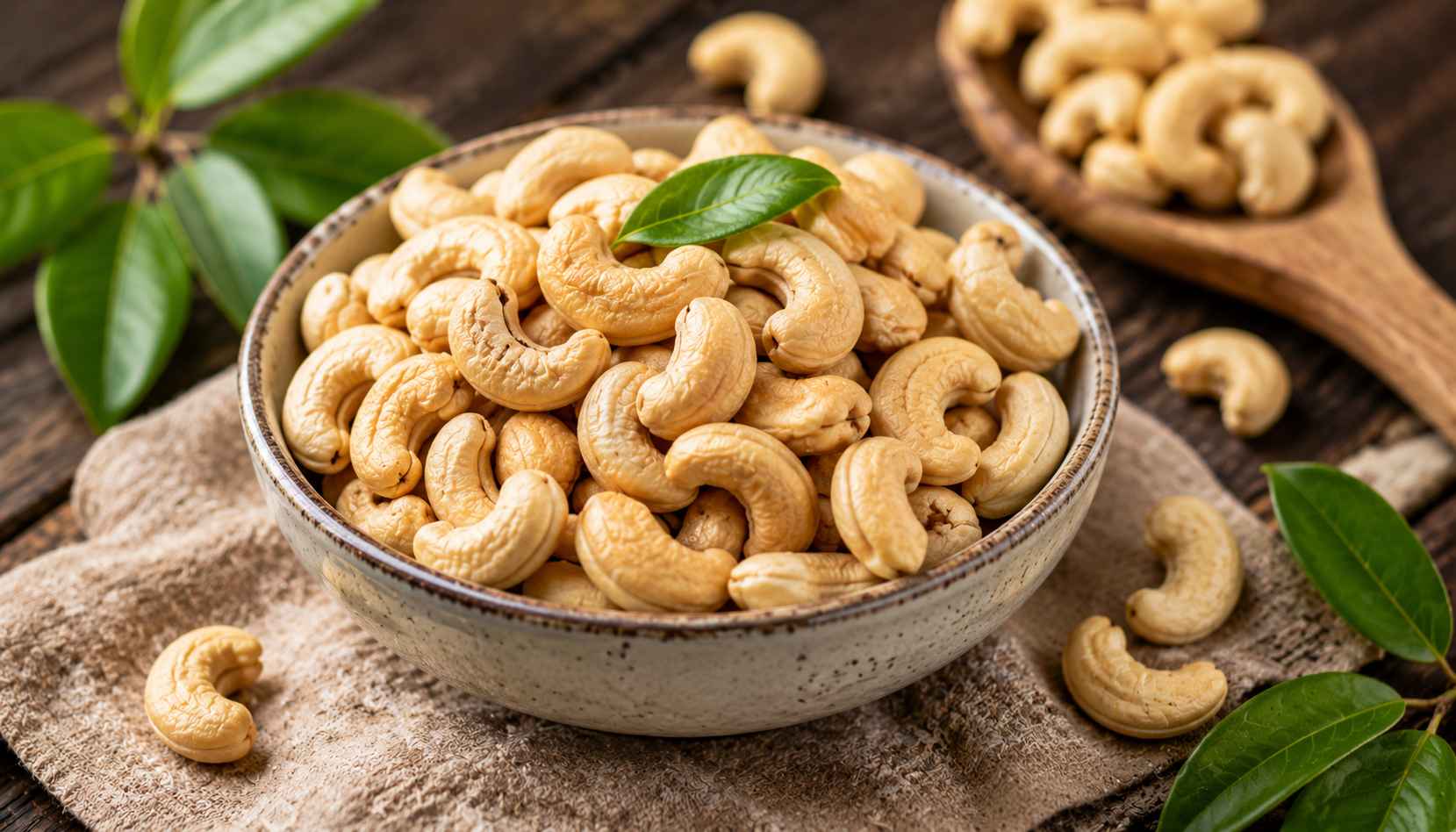
Vitamins are also present, with cashews offering a decent amount of vitamin K, essential for blood clotting and bone health, and several B vitamins, which are important for energy metabolism and nerve function.
Culinary Versatility Unleashed
The appeal of the cashew extends far beyond its nutritional profile; its culinary versatility is truly exceptional. Cashews can be enjoyed in a myriad of ways:
- Snacking: Roasted and salted cashews are a classic and satisfying snack, perfect for on the go or as part of a trail mix.
- Savory Dishes: Their creamy texture makes them a fantastic addition to stir fries, curries, and pilafs. They can also be ground into a paste to create rich and flavorful sauces, mimicking the creaminess of dairy.
- Sweet Treats: Cashews are a popular ingredient in desserts, from cashew butter to energy balls and decadent cheesecakes. Their natural sweetness complements a wide range of flavors.
- Dairy Alternatives: For those seeking dairy free options, cashews are a superstar. Soaked and blended cashews form the base for incredibly creamy dairy free cheeses, yogurts, and milk alternatives that are remarkably similar to their dairy counterparts.
- Plant Based Cuisine: In vegan and plant based cooking, cashews are often used to replicate the richness and texture of animal products, making dishes more satisfying and appealing.
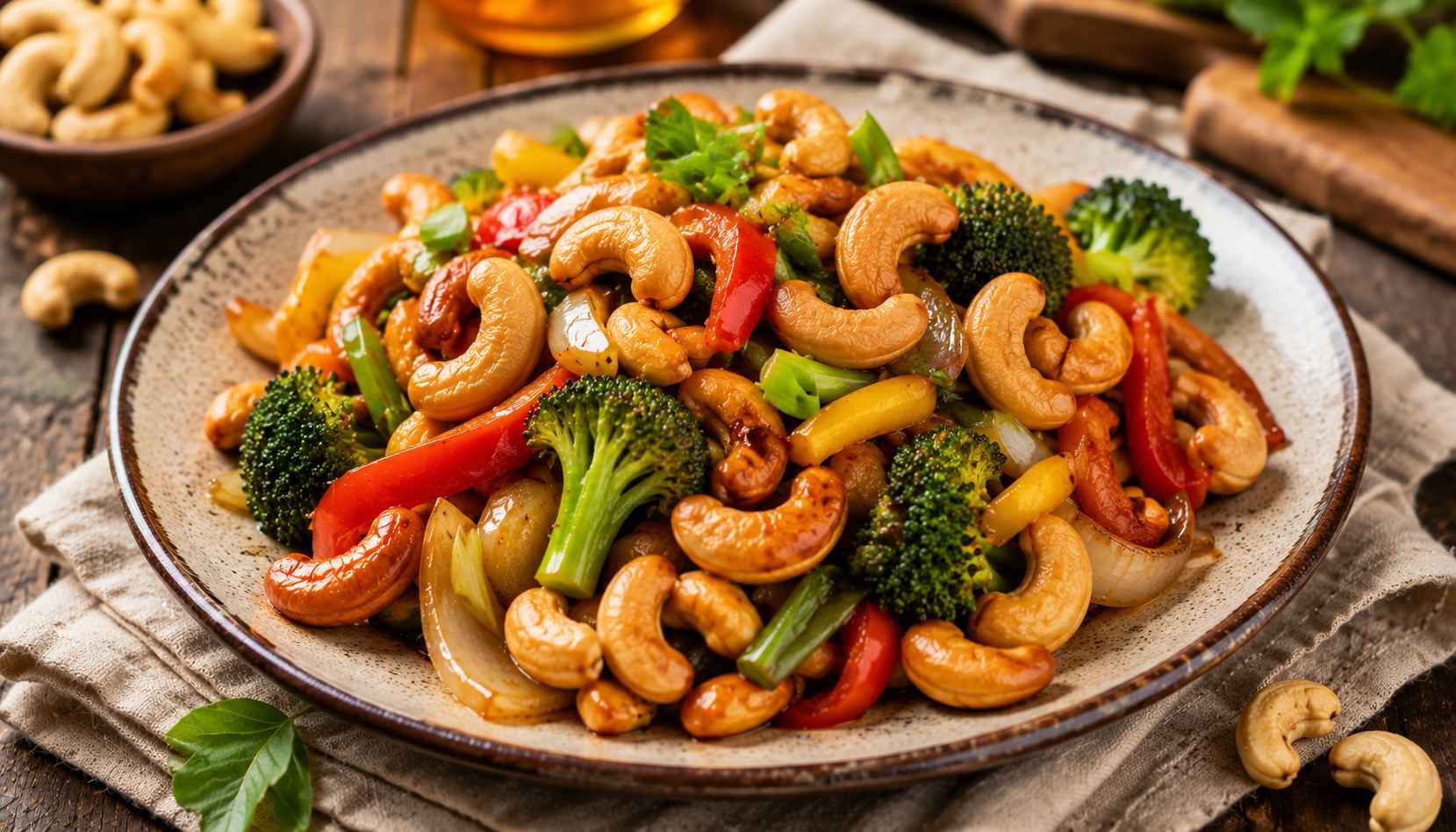
The humble cashew is far more than just a snack. It's a testament to nature's ingenuity, a valuable source of essential nutrients, and an incredibly adaptable ingredient that elevates both simple and complex dishes. Whether you're enjoying a handful of roasted cashews, incorporating them into a vibrant curry, or blending them into a creamy dairy free alternative, you're experiencing the diverse and delicious world of this remarkable nut. Its journey from a tropical tree to our plates is a fascinating one, and its contribution to both our health and our culinary experiences is undeniable. So, the next time you reach for a handful of cashews, take a moment to appreciate the incredible journey and the multifaceted benefits of this truly extraordinary seed.

Most Popular












Anaya
comment1