



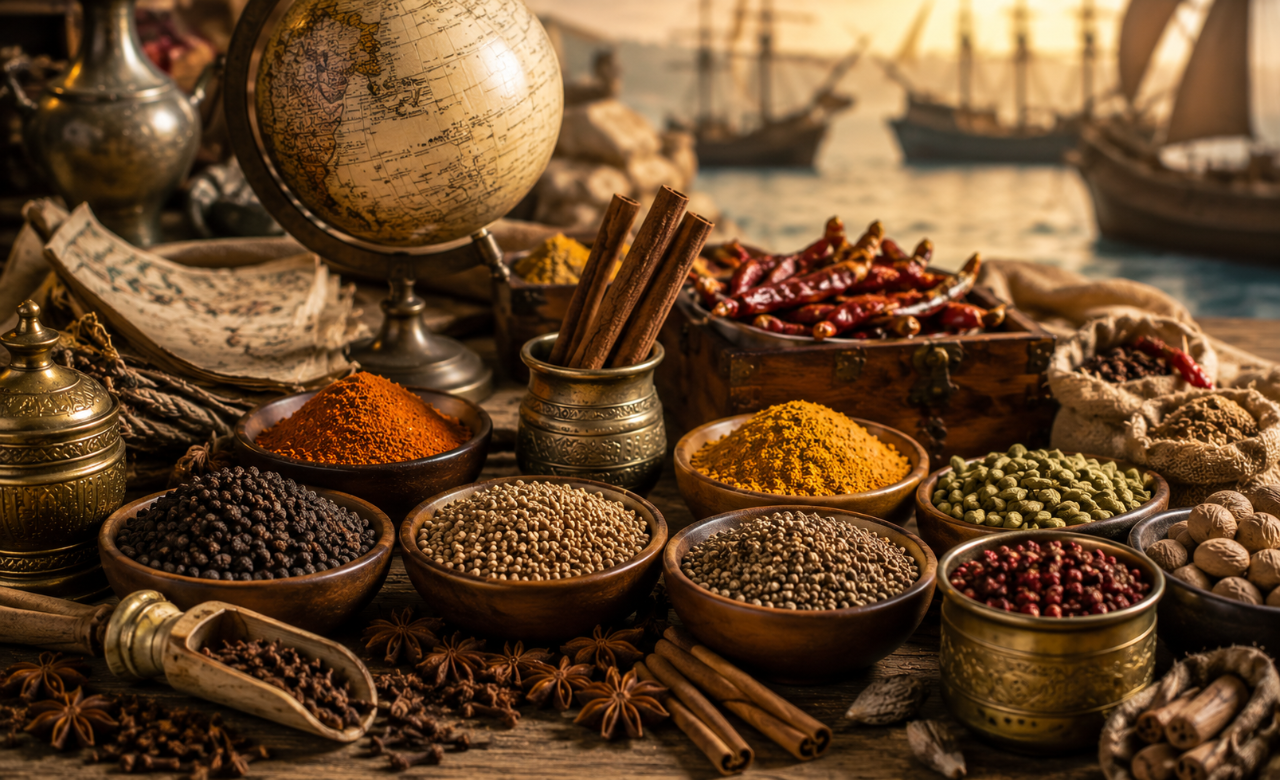
The allure of spices has captivated humanity for millennia. From the fragrant markets of ancient civilizations to the bustling ports of the modern era, spices have been more than just flavor enhancers; they have been catalysts for exploration, economic exchange, and cultural fusion. The legendary Spice Route, a complex network of trade paths connecting the East and West, is a testament to this enduring influence. This intricate web of land and sea routes facilitated the movement of precious commodities, most notably spices like pepper, cinnamon, cloves, and nutmeg, shaping economies, influencing cuisines, and fostering unprecedented intercultural dialogue.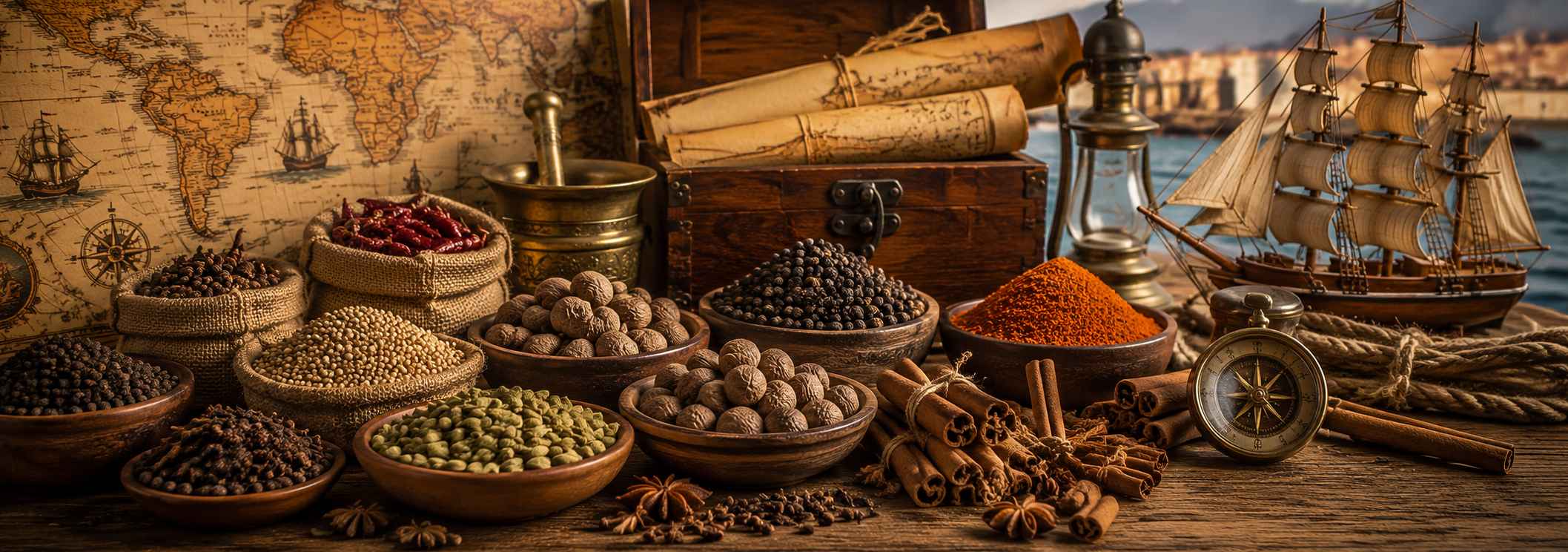
Spices as the Engine of Exploration and Commerce
The demand for spices in Europe, particularly during the Middle Ages, was insatiable. Their use in preserving food, masking off flavors, and as status symbols drove European powers to seek direct access to the source. This quest directly fueled the Age of Discovery, leading explorers like Vasco da Gama and Christopher Columbus on perilous voyages that ultimately redrew the maps of the world. The economic impact was profound. Venice, Genoa, and later Portugal and the Netherlands, built vast empires and fortunes on the spice trade. Control over these lucrative routes meant immense wealth and political power, transforming global commerce and laying the groundwork for modern international trade systems.
A Culinary Tapestry Woven with Spice
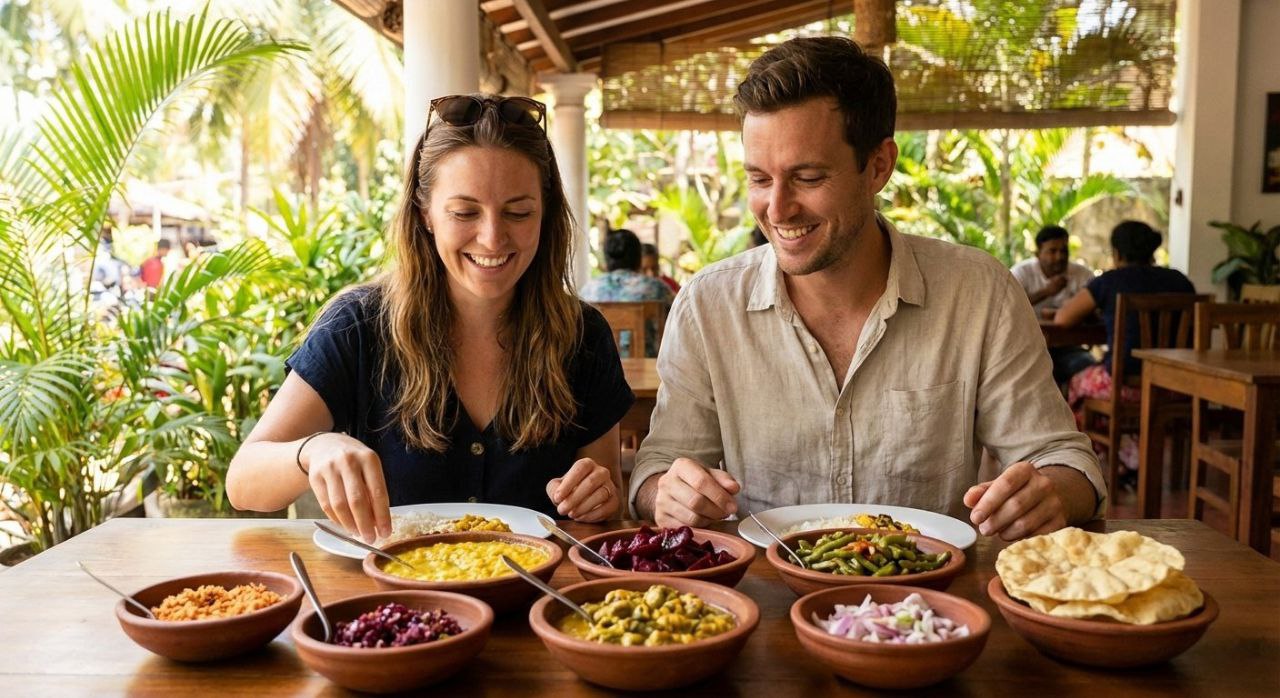
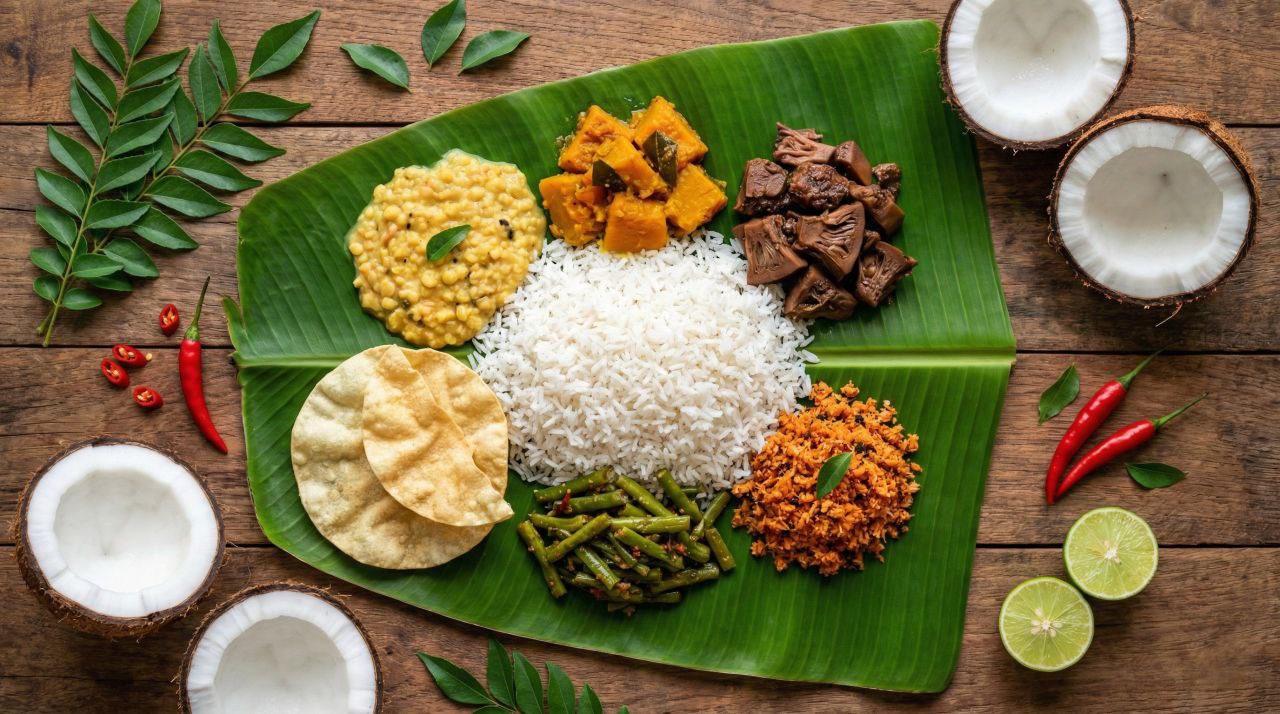
Perhaps the most palpable and enduring legacy of the Spice Route is its impact on global cuisine. The exchange of spices revolutionized cooking methods and flavor profiles across continents. Indian curries, infused with a symphony of masalas, owe their complexity to the widespread availability of these aromatic ingredients. Thai cuisine, with its vibrant balance of sweet, sour, salty, and spicy, is a direct descendant of spice trading. Even European cuisines, which once relied on more limited indigenous ingredients, were transformed. The introduction of pepper, for instance, became a staple, and the warmth of cinnamon and nutmeg found its way into desserts and savory dishes alike.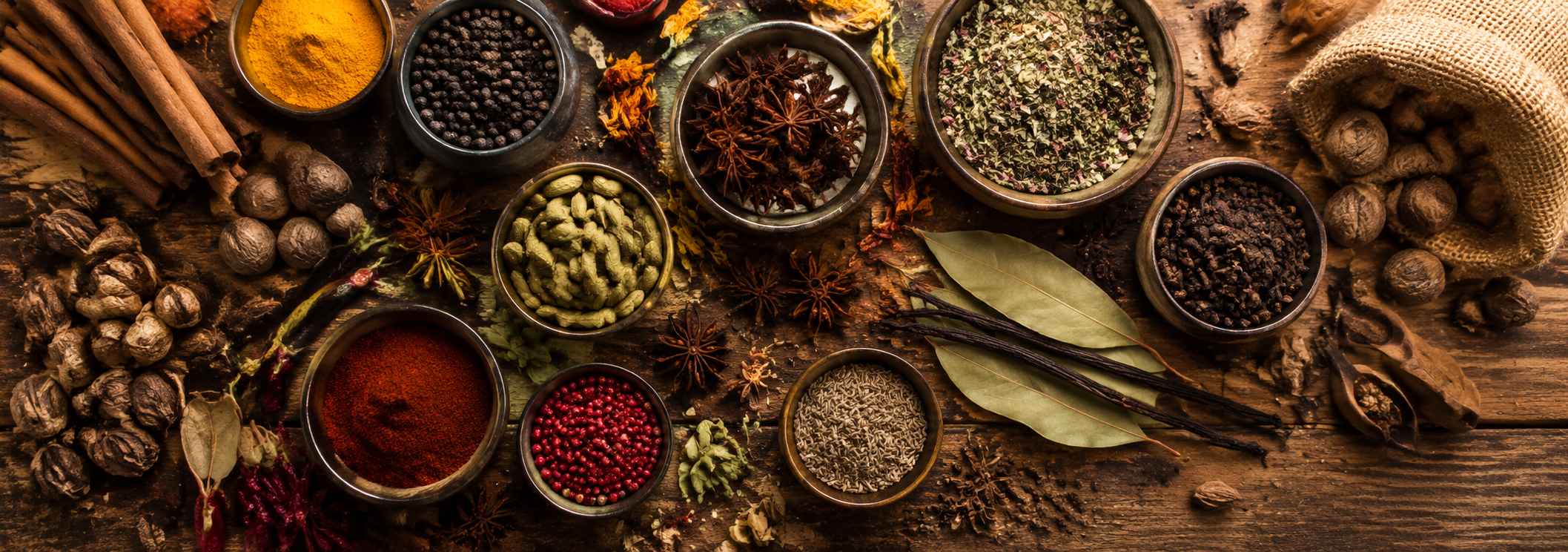
Consider the humble black pepper. Once more valuable than gold, its journey from the Malabar Coast of India to dinner tables across the globe is a story in itself. Similarly, the sweet, woody aroma of cinnamon, originating from Sri Lanka and Southeast Asia, became a cornerstone of baking and spiced beverages. Cloves, with their potent, pungent flavor, traveled from the Moluccas Islands, the famed “Spice Islands,” to enhance both savory dishes and medicinal preparations. These spices, and countless others, didn't just add flavor; they introduced entirely new culinary philosophies and techniques.
Cultural Exchange and Transformation
Beyond commerce and cuisine, the Spice Route fostered an unprecedented level of cultural exchange. As traders, sailors, and travelers moved along these paths, they carried not only goods but also ideas, religions, and artistic influences. The spread of Buddhism and Islam, for example, was significantly aided by these established trade networks. Artistic motifs, architectural styles, and even languages were exchanged and blended, creating rich, hybrid cultures in port cities and along the routes. The vibrant multiculturalism that characterizes many parts of the world today has deep roots in this historical interconnectedness.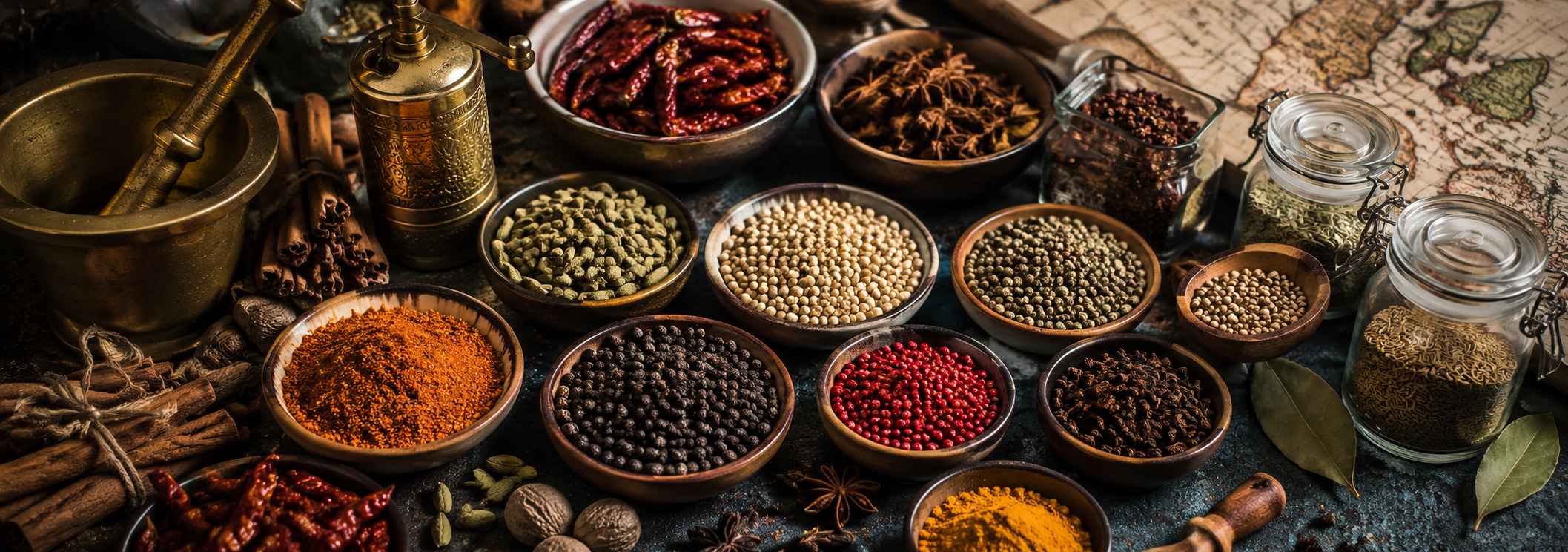
The Spice Route in the Modern World
While the historical Spice Route has evolved with technological advancements and shifting global politics, its spirit lives on. The demand for exotic and authentic flavors continues to drive culinary tourism and the exploration of diverse food cultures. Chefs worldwide draw inspiration from the ancient spice trails, rediscovering traditional recipes and experimenting with new combinations. The globalization of food has, in many ways, democratized access to the very spices that once commanded astronomical prices. Today, we can savor the complex flavors of a Massaman curry or a rich Spanish chorizo, ingredients that owe their existence and accessibility to the groundbreaking journeys of the past.
The story of the Spice Route is not merely a historical account of trade; it is a narrative of human ingenuity, ambition, and the profound interconnectedness of our world. It highlights how the pursuit of a seemingly simple ingredient could lead to the discovery of new continents, the rise and fall of empires, and the rich tapestry of cultures and cuisines that define our global society today. The next time you savor a dish seasoned with these ancient treasures, remember the extraordinary journey they have taken, a journey that continues to flavor our lives.
Most Popular








Anaya
comment1