



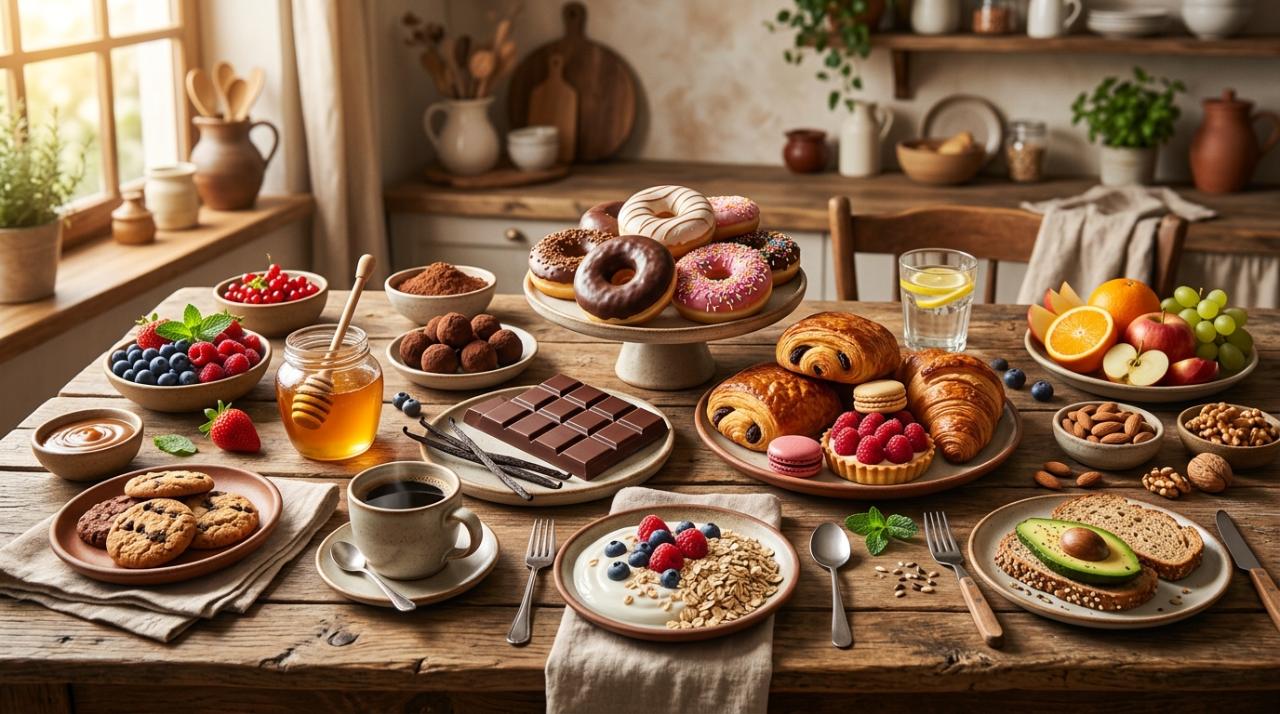
Ever find yourself staring longingly at a display of donuts, or feeling an irresistible urge for a chocolate bar after a stressful day? You're not alone! The craving for sweet foods is a near-universal human experience, and there's a fascinating mix of biology, psychology, and even evolution behind it. So, why are we so drawn to all things sugary?
Our Primal Sweet Tooth
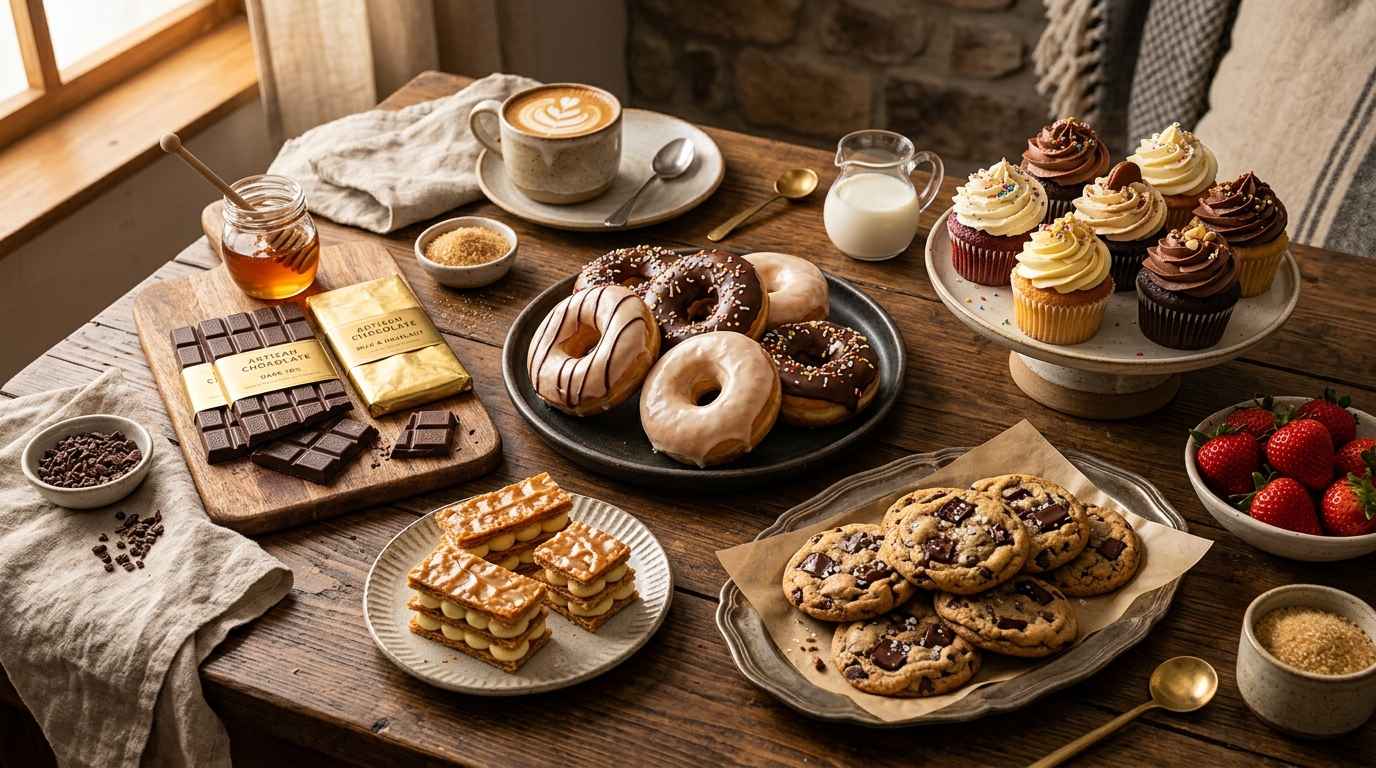
Let's go back, way back. For our ancestors, sweetness was a sign of energy dense food, like ripe fruits or honey. These were precious resources, especially in times when food was scarce. Our brains evolved to recognize and desire these calorie rich treats. This built in preference for sugar helped ensure survival. Think of it as your body's ancient alarm system, telling you: "This is good! Eat this to fuel yourself!"
The Brain's Reward System
When you eat something sweet, your brain lights up like a Christmas tree. Specifically, the pleasure and reward centers of your brain get activated. This is largely due to the release of dopamine, a neurotransmitter associated with pleasure and motivation. This chemical 'reward' makes you feel good, and your brain quickly learns to associate that good feeling with consuming sugar. This creates a powerful feedback loop: crave sugar, eat sugar, feel good, crave more sugar.
More Than Just Taste

It's not just about the taste buds, though they certainly play a role. Our cravings are also heavily influenced by our emotions and environment.
Emotional Eating
Feeling stressed, sad, bored, or even happy can trigger a craving for sweets. For many, sugary foods are a form of comfort. They can provide a temporary distraction from difficult emotions or enhance positive feelings. It’s a coping mechanism that many of us have developed over time, consciously or unconsciously.
Habit and Association
Think about your daily routines. Did you always have a cookie with your afternoon coffee? Or a treat after dinner? These habits become ingrained. Your brain starts to anticipate that sweet reward at certain times or in certain situations. Similarly, certain social settings or even smells can trigger a craving through association. That popcorn smell at the movies? It’s designed to make you want a snack, and often, that snack is sweet.
The Role of Hormones
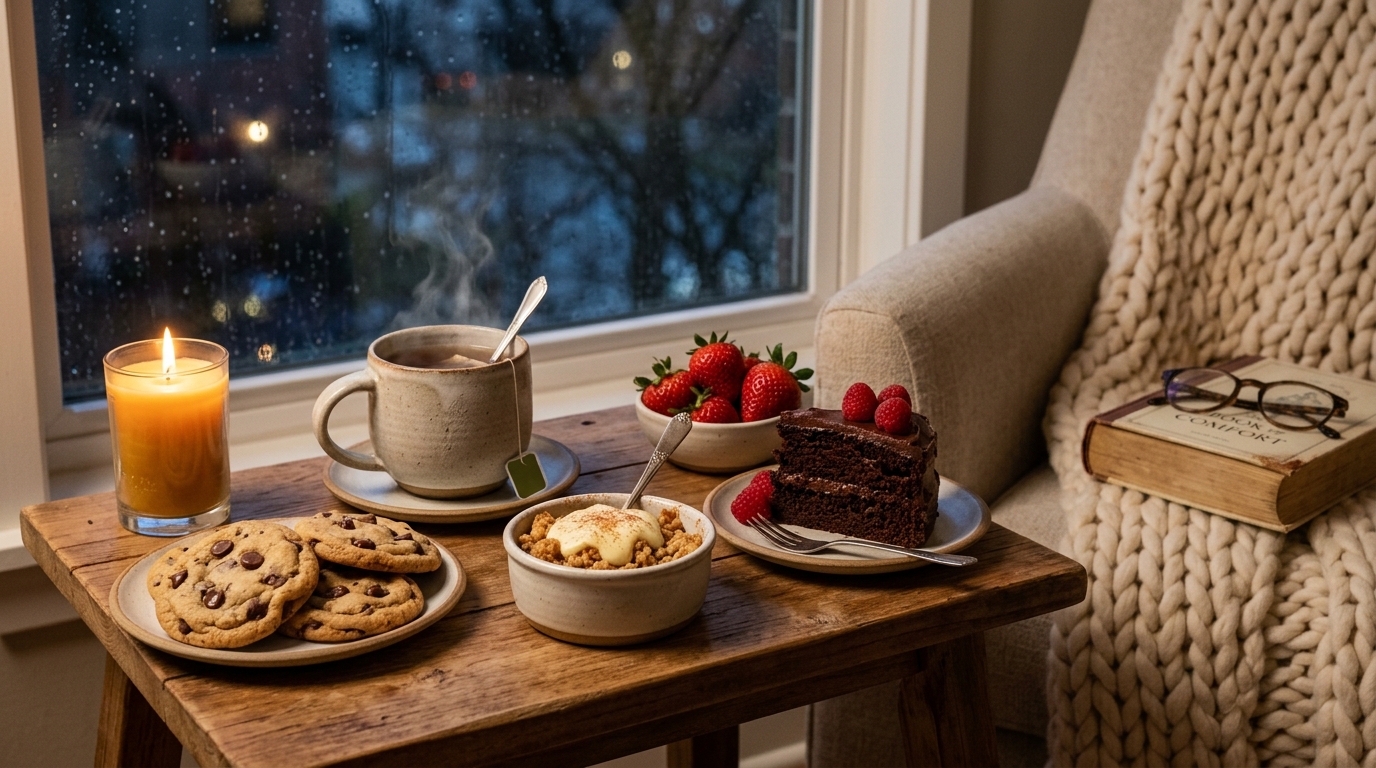
Our hormones also play a significant part in our sweet cravings. Hormones like ghrelin (which stimulates appetite) and leptin (which signals fullness) can be influenced by our diet and stress levels. When we're sleep deprived or under chronic stress, these hormones can get out of whack, leading to increased cravings for high energy foods, which often means sugar.
Is it Always a Bad Thing?
While we often hear about the downsides of sugar, a moderate amount of sweet food isn't inherently evil. It's when these cravings become overwhelming or lead to excessive consumption that we run into problems. Understanding the 'why' behind your cravings is the first step to managing them.
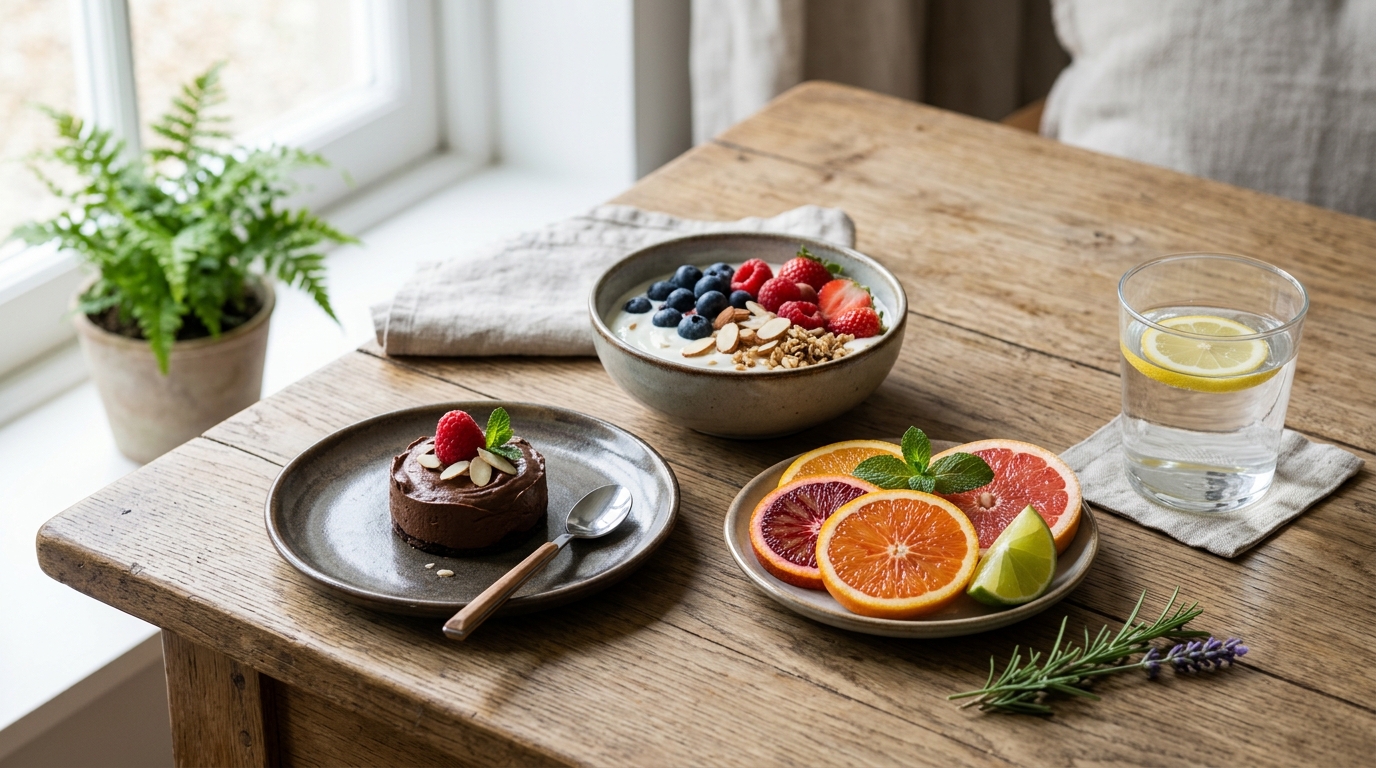
So, what can you do if you find your sweet cravings are taking over?
- Hydration is Key: Sometimes, thirst can be mistaken for hunger or a craving. Try drinking a glass of water first.
- Prioritize Sleep: Getting enough quality sleep can help regulate your hunger hormones and reduce cravings.
- Manage Stress: Find healthy ways to cope with stress that don't involve food, like exercise, meditation, or hobbies.
- Nutrient Rich Diet: Eating balanced meals with plenty of protein, fiber, and healthy fats can help keep you full and satisfied, reducing the urge for quick sugar fixes.
- Mindful Indulgence: If you do indulge, do so mindfully. Savor a small portion of a treat rather than mindlessly consuming a large amount.
The craving for sweet foods is a deeply ingrained part of the human experience, rooted in our evolutionary past and amplified by our brain's reward system, emotional states, and hormonal fluctuations. While it's a natural urge, understanding its origins can empower us to manage it effectively. By paying attention to our bodies, managing stress, and adopting a balanced lifestyle, we can enjoy the sweetness in life without letting sugar cravings control us.
Most Popular







Anaya
comment1