



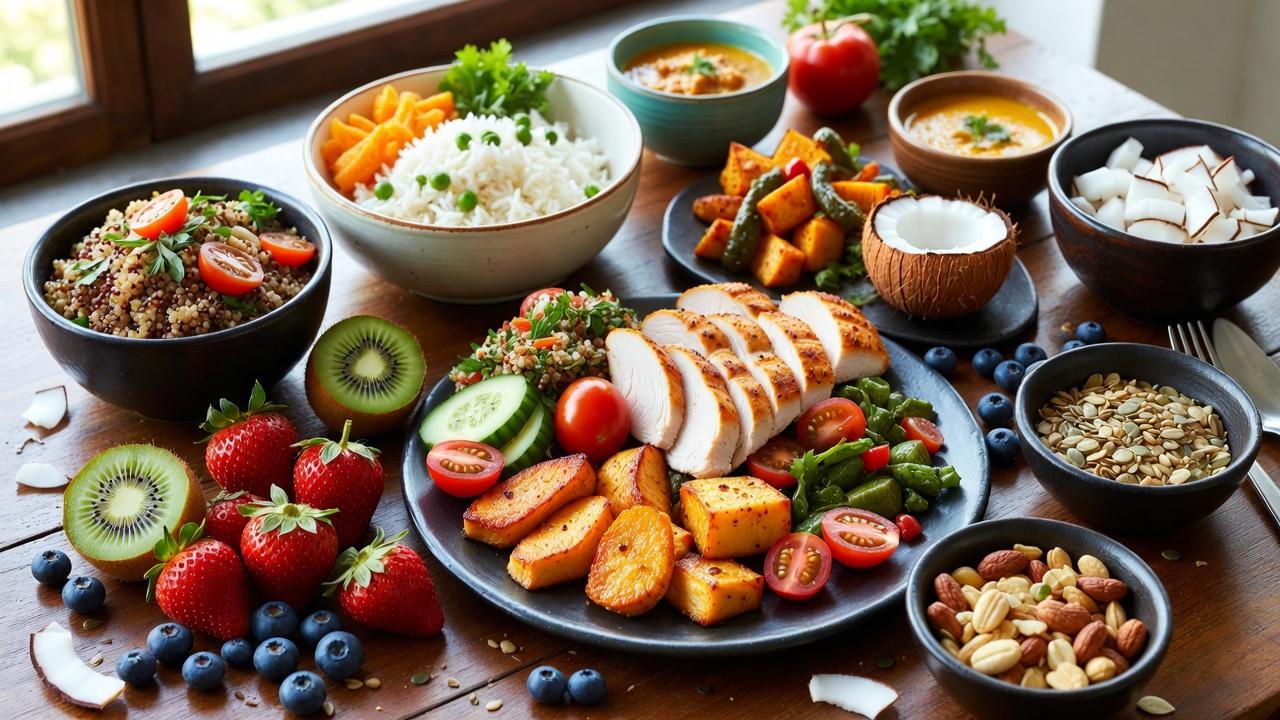
In recent years, the gluten-free diet has evolved from a medical necessity into a global lifestyle movement. In 2026, it continues to dominate health searches, wellness blogs, and fitness communities. Whether driven by diagnosed conditions like celiac disease, gluten sensitivity, or simply a desire to eat cleaner, millions of people worldwide are now embracing gluten-free living.
Gluten is a naturally occurring protein found in grains such as wheat, barley, and rye. It gives elasticity to dough and helps baked goods maintain their shape. However, for many individuals, gluten can trigger digestive issues, inflammation, fatigue, and long-term health complications. This has led to a rising awareness of gluten-free diets as a powerful solution for better health and well-being.
What makes this diet even more appealing is its flexibility. You don’t need to rely on expensive imported products — especially in countries like Sri Lanka, where many traditional foods are naturally gluten-free. With the right knowledge, anyone can transition into a gluten-free lifestyle without sacrificing taste or nutrition.
🥗 Understanding the Gluten-Free Diet
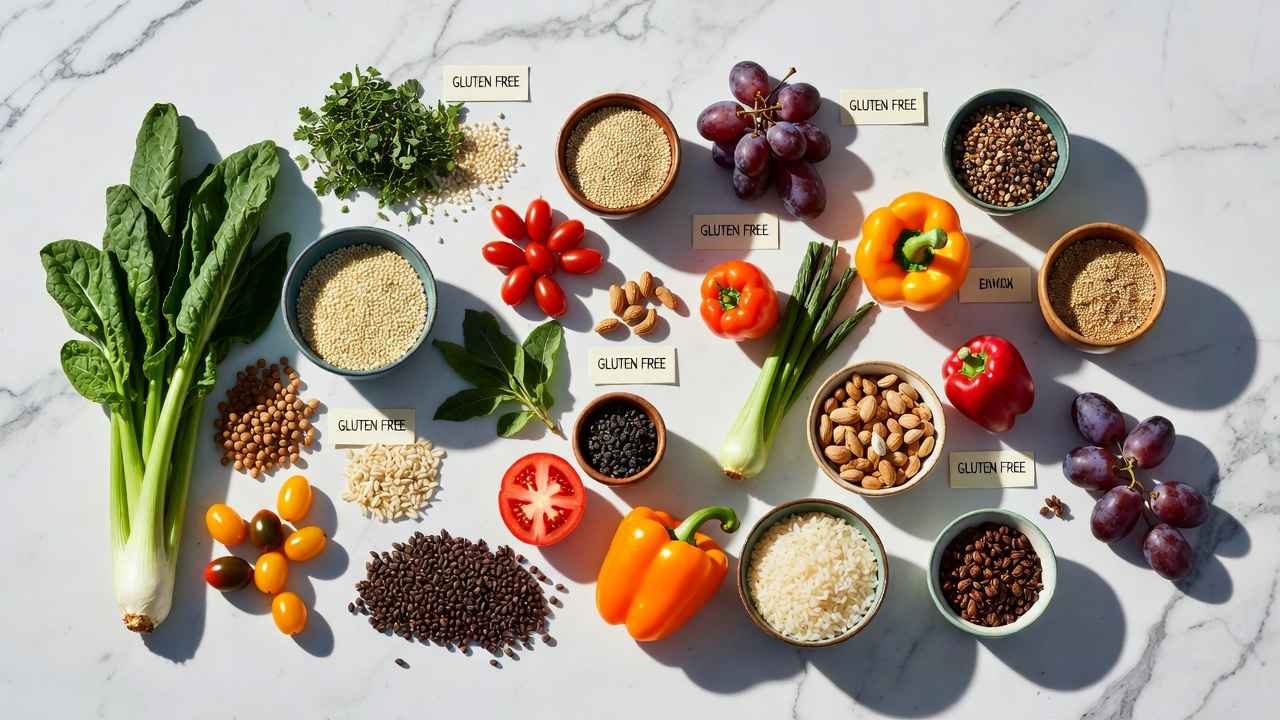
A gluten-free diet eliminates all foods that contain gluten. This includes obvious sources like bread and pasta, as well as hidden gluten found in processed foods, sauces, and packaged snacks.
At its core, the gluten-free diet focuses on whole, natural foods such as fruits, vegetables, rice, proteins, and gluten-free grains. This makes it not only a medical diet but also a clean eating approach that reduces processed food intake.
There are three main groups of people who benefit from a gluten-free diet:
- Individuals with celiac disease, where gluten damages the small intestine
- People with non-celiac gluten sensitivity who experience discomfort after consuming gluten
- Health-conscious individuals aiming to improve digestion, energy levels, and overall wellness
Understanding your body’s response to gluten is the first step toward deciding if this diet is right for you.
🍎 Best Gluten-Free Foods to Include in Your Diet
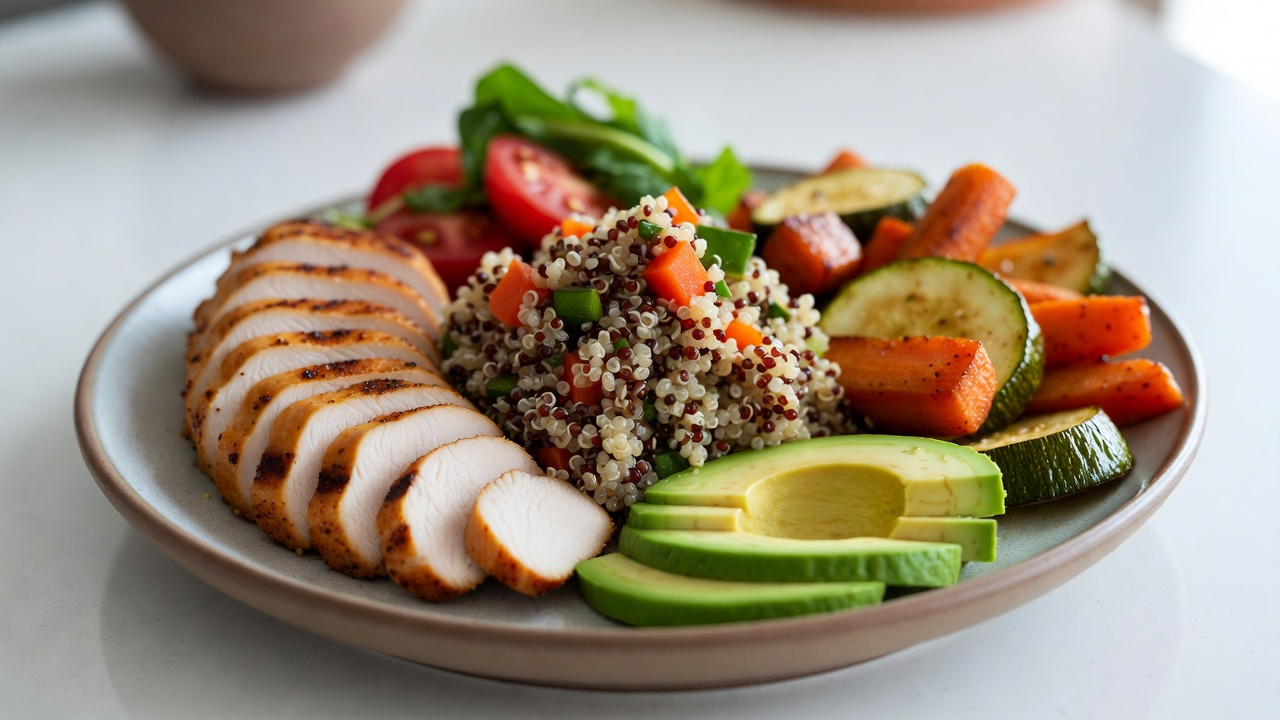
One of the biggest misconceptions about gluten-free eating is that it is restrictive. In reality, it opens the door to a wide variety of nutritious and delicious foods.
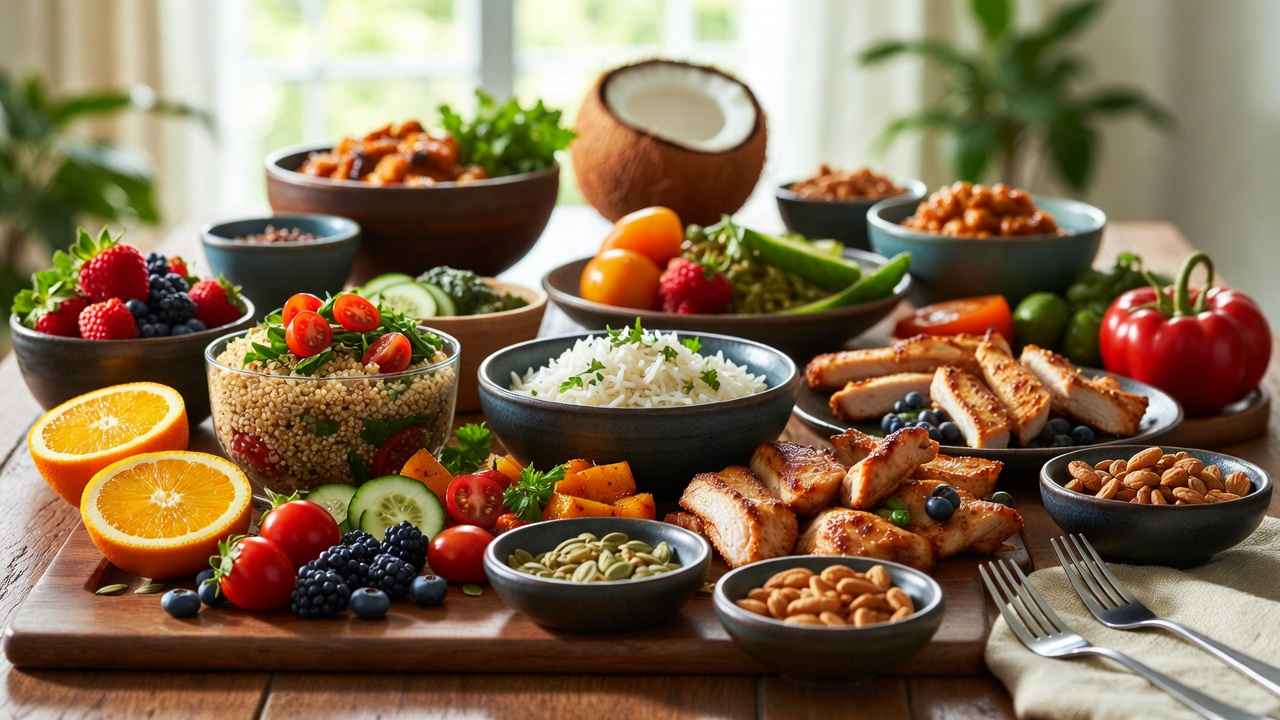
Fresh fruits and vegetables are the foundation of any gluten-free diet. They are naturally free from gluten and rich in vitamins, minerals, and antioxidants. Tropical fruits like mangoes, papayas, and bananas are excellent choices, especially in Sri Lanka, where they are easily available and affordable.
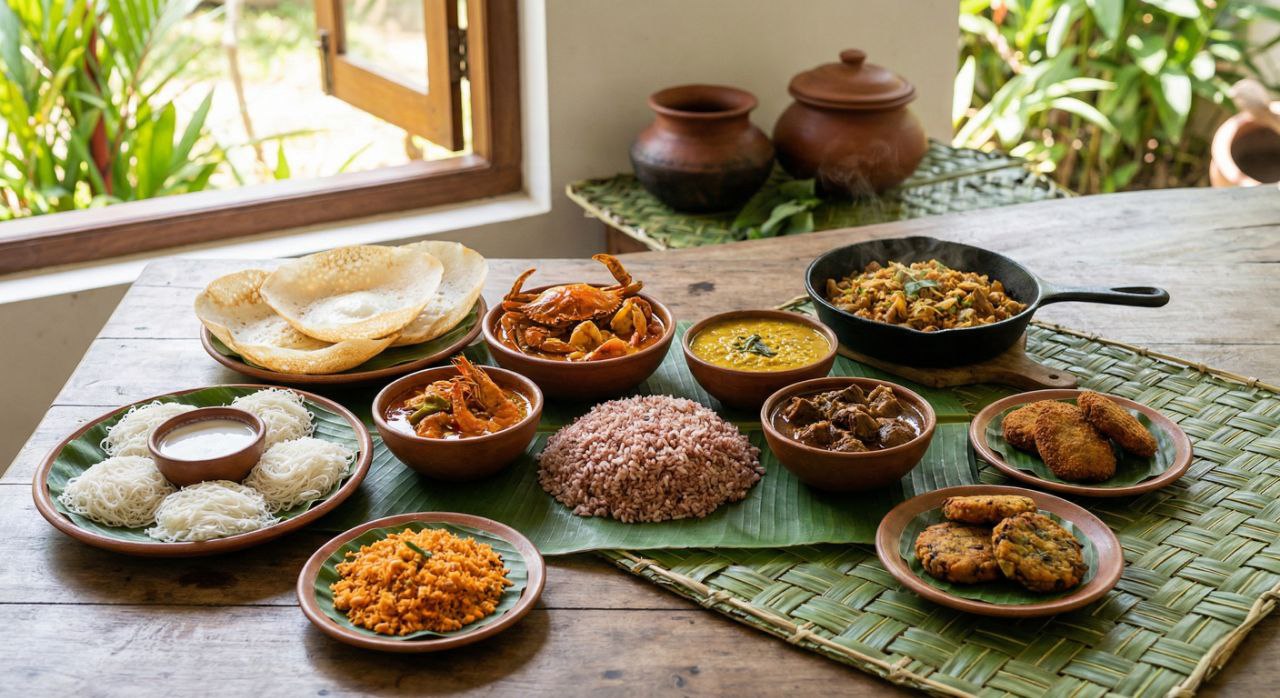
Rice is another essential gluten-free staple. It is widely consumed across Asia and comes in many varieties, including white rice, brown rice, and red rice. Rice-based dishes such as string hoppers, hoppers, and rice flour roti are excellent gluten-free alternatives to wheat-based foods.
Gluten-free grains such as quinoa, millet, and buckwheat are also gaining popularity. These grains are highly nutritious and provide essential proteins and fiber, making them perfect for balanced meals.
Protein sources play a crucial role in maintaining energy and muscle health. Foods such as chicken, fish, eggs, lentils, and chickpeas are all naturally gluten-free and can be prepared in a variety of flavorful ways.
Nuts and seeds are ideal for snacking and adding healthy fats to your diet. Almonds, cashews, peanuts, chia seeds, and flaxseeds not only provide energy but also support heart health and brain function.
Dairy products like milk, yogurt, and cheese are generally gluten-free as well, though it is important to check flavored or processed varieties for added ingredients.
🚫 Foods to Avoid on a Gluten-Free Diet
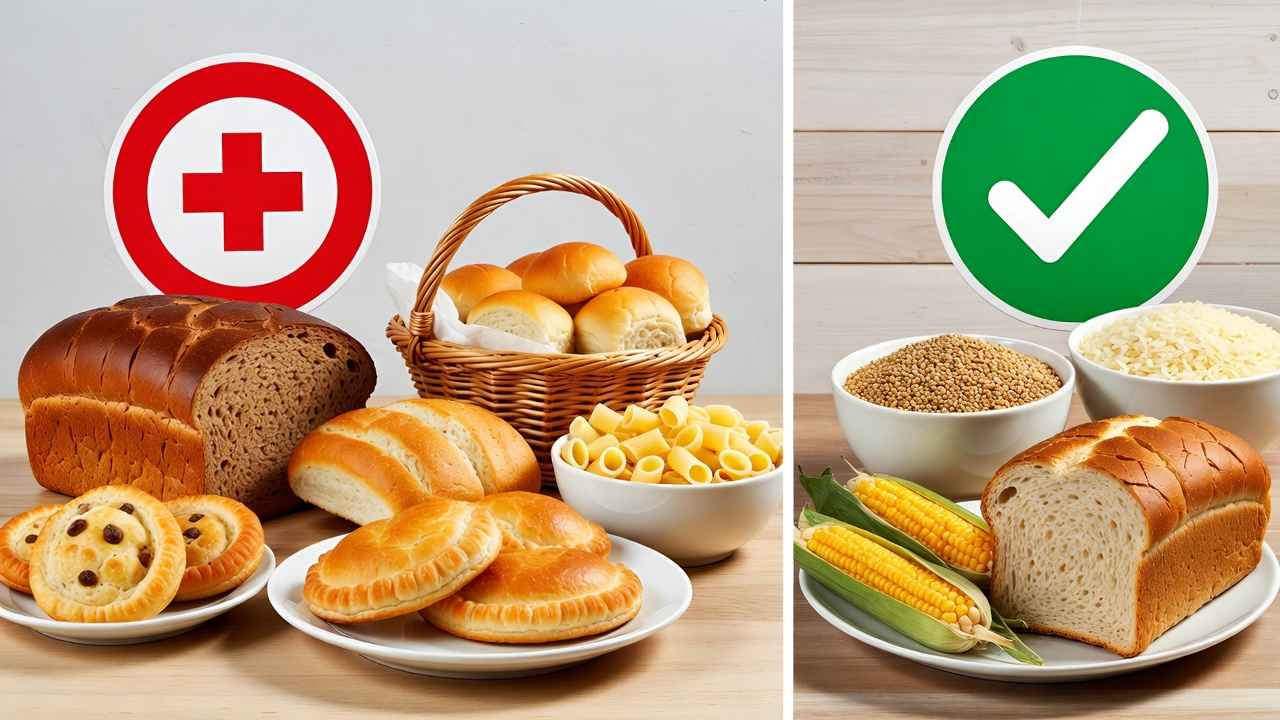
To successfully follow a gluten-free diet, it is important to understand which foods to avoid. The most common sources of gluten include wheat-based products such as bread, cakes, biscuits, and pastries. Pasta and noodles made from wheat should also be eliminated unless labeled gluten-free.
Barley and rye are less obvious sources but are commonly found in cereals, malt products, and certain beverages like beer. Processed foods can also contain hidden gluten in the form of additives, thickeners, and flavor enhancers.
Sauces such as soy sauce, salad dressings, and gravies may contain gluten unless specifically labeled gluten-free. Packaged snacks, instant noodles, and ready-to-eat meals should be consumed with caution.
Reading labels carefully becomes an essential habit when following this diet. Look for certifications or clear “gluten-free” labels to ensure safety.
💪 Health Benefits of a Gluten-Free Diet
Adopting a gluten-free lifestyle can bring a range of health benefits, especially for those who are sensitive to gluten.
One of the most noticeable improvements is better digestion. Many individuals experience reduced bloating, gas, and stomach discomfort within weeks of eliminating gluten. This leads to a lighter and more comfortable feeling after meals.
Energy levels often increase significantly. Without gluten-related inflammation, the body can absorb nutrients more efficiently, resulting in improved vitality and reduced fatigue.
Skin health may also improve. Some people notice clearer skin and a reduction in acne or irritation after switching to a gluten-free diet. This is likely due to reduced inflammation and better gut health.
Weight management is another advantage. By cutting out processed and high-calorie gluten-containing foods, individuals naturally move toward healthier eating habits. This can support both weight loss and long-term weight maintenance.
Additionally, a gluten-free diet encourages mindfulness in food choices, leading to a more balanced and nutritious lifestyle overall.
🍽️ Sample Gluten-Free Meal Plan for a Day
Creating a balanced gluten-free meal plan is easier than it seems. A typical day can include a variety of satisfying and nutritious meals.
For breakfast, a smoothie made with fresh fruits, milk, and chia seeds provides a refreshing and energizing start. Adding boiled eggs or a rice-based dish can make the meal more filling.
Lunch can consist of rice paired with grilled chicken or fish and a selection of vegetable curries. This combination offers a perfect balance of carbohydrates, proteins, and essential nutrients.
Dinner can be lighter, such as a quinoa salad mixed with fresh vegetables, herbs, and a simple dressing. Alternatively, a bowl of soup with gluten-free ingredients can be both comforting and healthy.
Snacks throughout the day can include fruits, nuts, yogurt, or homemade gluten-free treats. Staying hydrated with water, herbal teas, or fresh juices is also important.
🇱🇰 Gluten-Free Eating in Sri Lanka
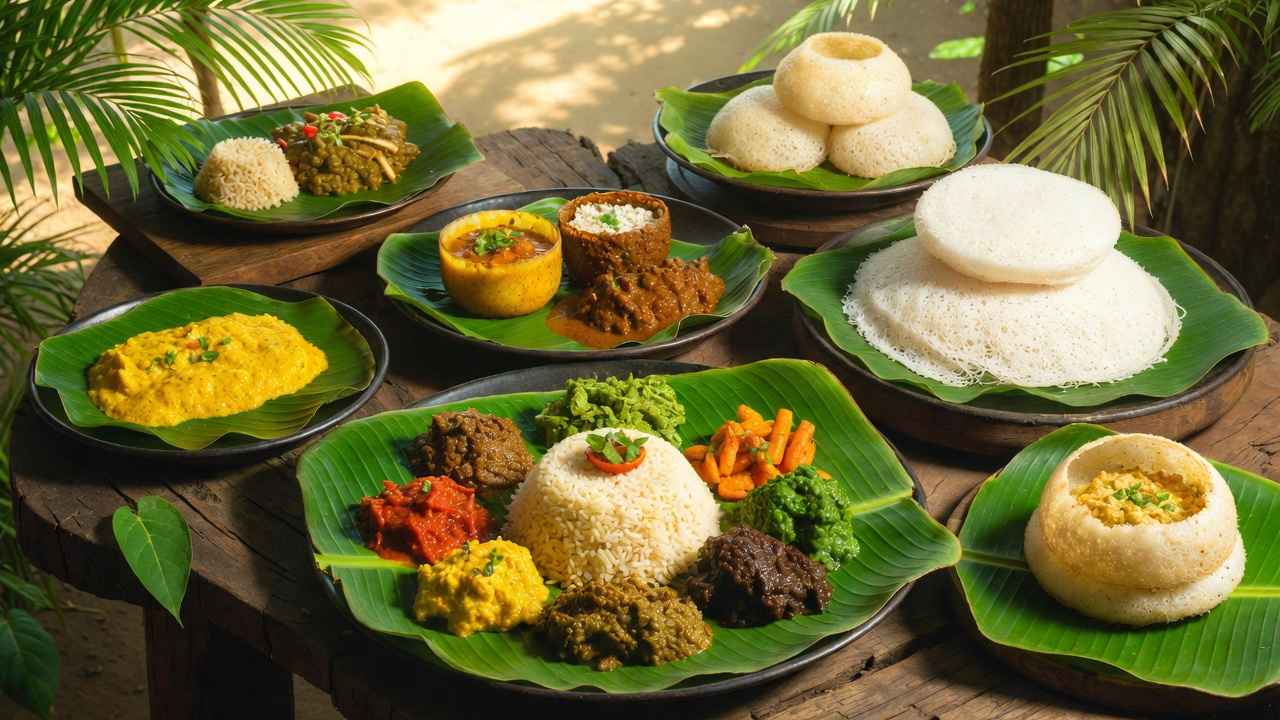
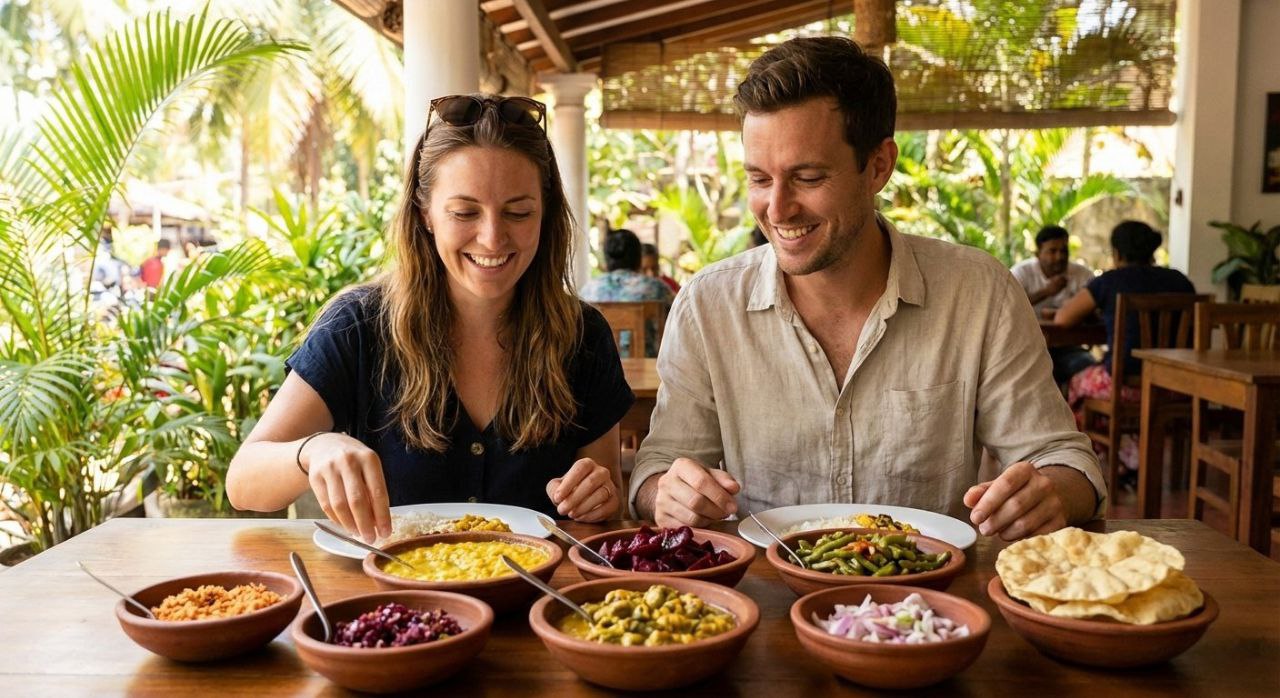
Sri Lanka is uniquely positioned as one of the easiest places to follow a gluten-free diet. Many traditional dishes are naturally free from gluten, making it simple for both locals and tourists to maintain this lifestyle.
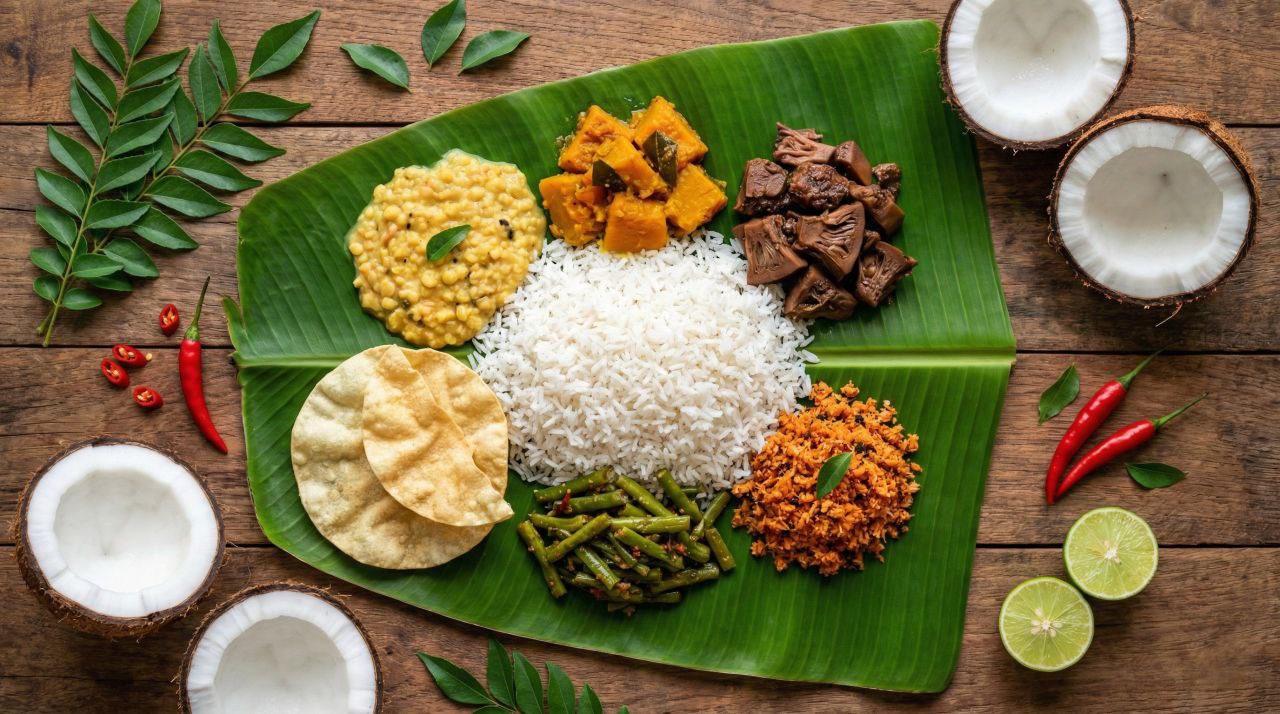
Rice and curry, the staple meal of the country, is entirely gluten-free when prepared with fresh ingredients. Hoppers and string hoppers made from rice flour are excellent alternatives to bread and pasta.
Pittu, made from rice flour and coconut, is another delicious gluten-free option that is both filling and nutritious. Fresh seafood dishes, coconut-based curries, and tropical fruits further enhance the variety of gluten-free choices available.
This natural alignment with gluten-free eating makes Sri Lanka a perfect destination for those seeking healthy and authentic food experiences.
🔍 Practical Tips for Starting a Gluten-Free Lifestyle

Transitioning to a gluten-free diet requires awareness and planning, but it becomes easier over time.
Start by focusing on naturally gluten-free foods rather than processed substitutes. This ensures better nutrition and reduces the risk of hidden gluten.
Learn to read ingredient labels carefully. Avoid products with unclear or complex ingredient lists, and opt for certified gluten-free options whenever possible.
Be mindful of cross-contamination, especially when cooking in shared kitchens. Use separate utensils, cookware, and storage areas to prevent accidental exposure.
Experiment with new recipes and ingredients to keep meals exciting. Exploring local and traditional dishes can help maintain variety and enjoyment.
Finally, listen to your body. Pay attention to how different foods affect your energy, digestion, and overall well-being.
🌟 Embracing a Healthier Gluten-Free Lifestyle
The gluten-free diet is more than just a temporary trend — it is a sustainable and health-focused way of eating that continues to grow in popularity. By eliminating gluten and focusing on natural, wholesome foods, individuals can experience improved digestion, increased energy, and a better quality of life.
Whether you are managing a medical condition or simply looking to adopt a cleaner diet, the gluten-free lifestyle offers a flexible and enjoyable approach to nutrition. With the abundance of gluten-free options available today, especially in regions like Sri Lanka, making the switch has never been easier.
Take the first step, explore new flavors, and discover how a gluten-free diet can transform your health and well-being in 2026 and beyond.
Most Popular





Anaya
comment1