




In the heart of every culinary creation, beyond the precise measurements and step-by-step instructions, lies an unwritten recipe. It's a tapestry woven from intention, tradition, innovation, and the sheer joy of nourishment. This invisible blueprint guides the hands of home cooks and seasoned chefs alike, transforming simple ingredients into experiences that linger long after the last bite.
Beyond the Ingredients List
We often think of recipes as rigid formulas: 2 cups flour, 1 teaspoon salt, bake at 350 degrees Fahrenheit for 30 minutes. While these tangible elements are crucial, they are merely the scaffolding. The true essence of a dish is built upon a foundation of unspoken knowledge. Consider the grandmother who adds a 'pinch' of this and a 'dash' of that, her intuition honed by years of practice. Her unwritten recipe involves understanding how ingredients interact, how heat transforms them, and how to adjust based on the subtle nuances of the day, the season, or even her mood.
Tradition and Heritage as a Spice
Many of our most beloved dishes are steeped in heritage. The unwritten recipe here is the passed down wisdom of generations. It's the way a particular spice blend is used in a family for Diwali, the specific technique for rolling out dough for holiday pastries, or the secret to achieving that perfect, crispy skin on roast chicken. These aren't always written down; they are learned through observation, imitation, and shared meals. This inherited knowledge carries with it a sense of identity and belonging, connecting us to our past and to the people who prepared these meals before us.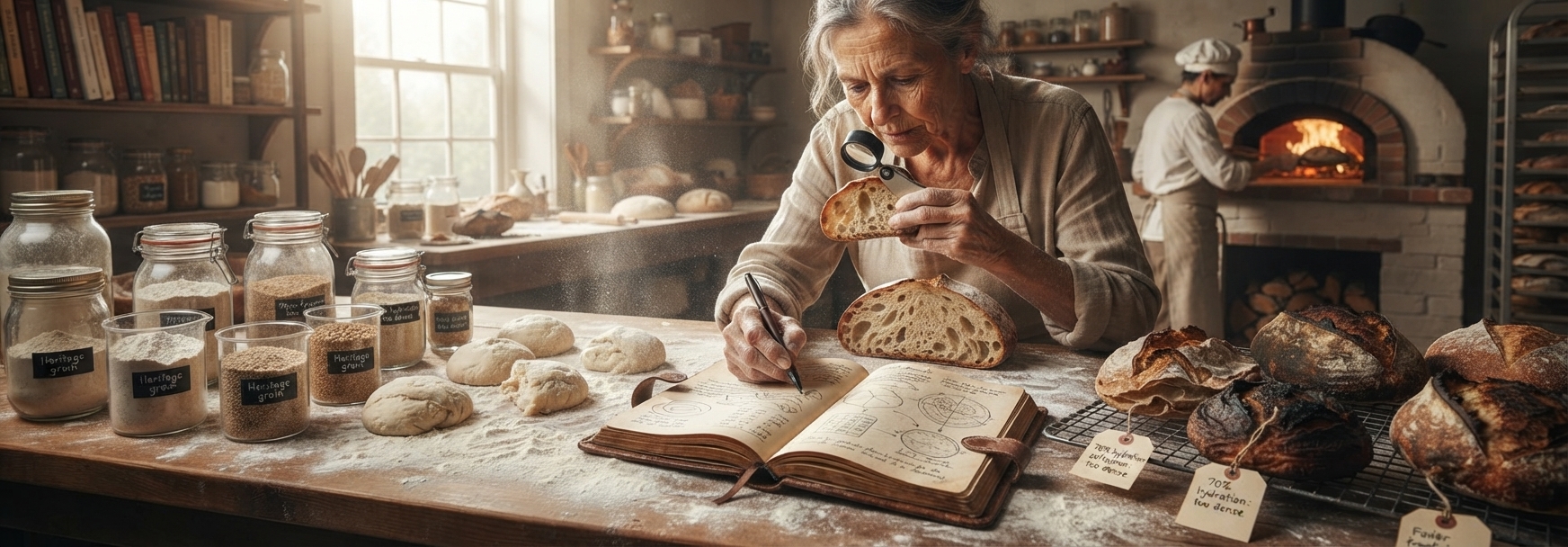
Innovation and the Spirit of Experimentation
The unwritten recipe also thrives on creativity and adaptation. Chefs and adventurous home cooks are constantly pushing boundaries, taking classic dishes and imbuing them with their own unique flair. This might involve introducing an unexpected ingredient, employing a modern cooking technique, or presenting a familiar dish in a novel way. This spirit of innovation allows food to evolve, to stay relevant, and to surprise our palates. It's about understanding the fundamentals so well that you know where and how to diverge, creating something entirely new yet deeply satisfying.
The Emotion Ingredient
Perhaps the most potent, yet elusive, ingredient in any unwritten recipe is emotion. Cooking with love, intention, or even a sense of urgency can profoundly impact the final dish. A meal prepared for a loved one often carries a different energy than one made out of obligation. The care taken, the desire to bring joy, the anticipation of shared experience these are all invisible forces that contribute to the flavor and the feeling of a meal. When we eat food made with genuine care, we can often taste it, even if we can't articulate precisely why.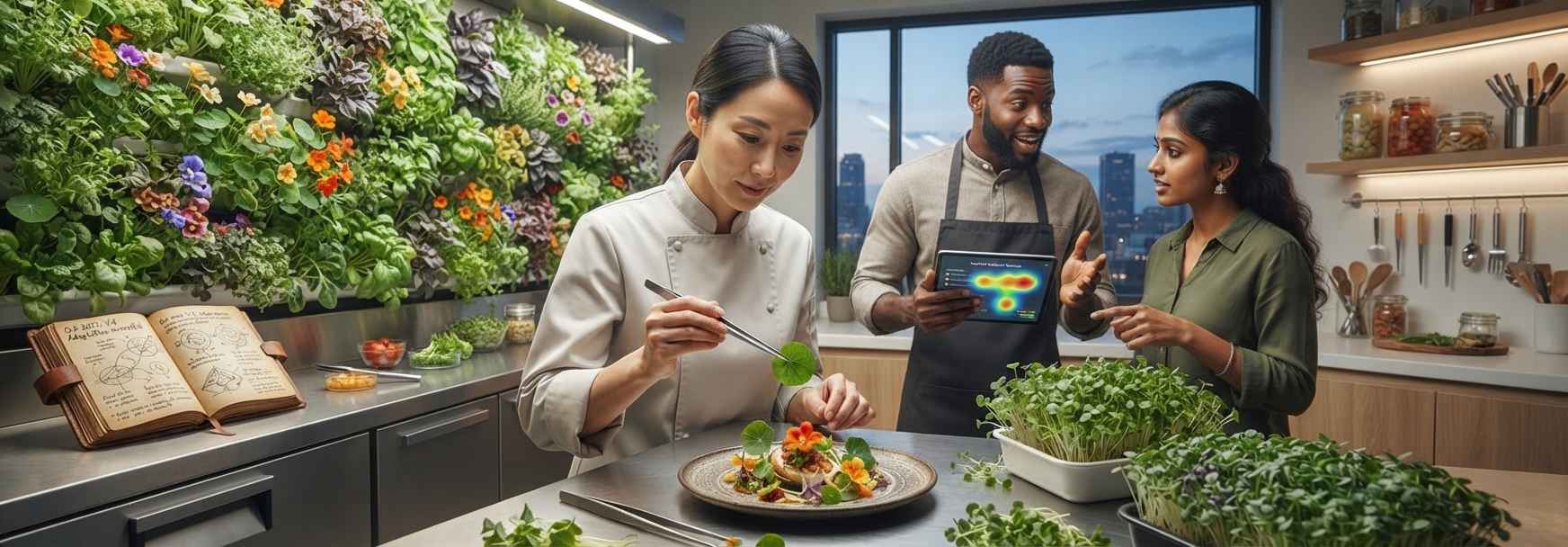
The Role of Context
The context in which food is prepared and consumed also forms part of its unwritten recipe. A simple picnic lunch on a sunny day might taste more delicious than an elaborate meal in a sterile environment. The clatter of a busy kitchen, the aroma of a bustling market, the shared laughter around a dinner table all contribute to the sensory experience of eating. These elements, though not part of the physical ingredients, are integral to the overall enjoyment and memory of a dish.
Embracing the Unwritten
In our quest for culinary perfection, it's easy to get lost in the precision of written instructions. However, the true magic of food often lies in what is left unsaid. By embracing intuition, respecting tradition, daring to innovate, and cooking with heartfelt intention, we unlock the full potential of our kitchens and our meals. The unwritten recipe is an ongoing dialogue between ingredients, technique, culture, and the human spirit, a continuous process of discovery and delight.
Most Popular











Anaya
comment1