



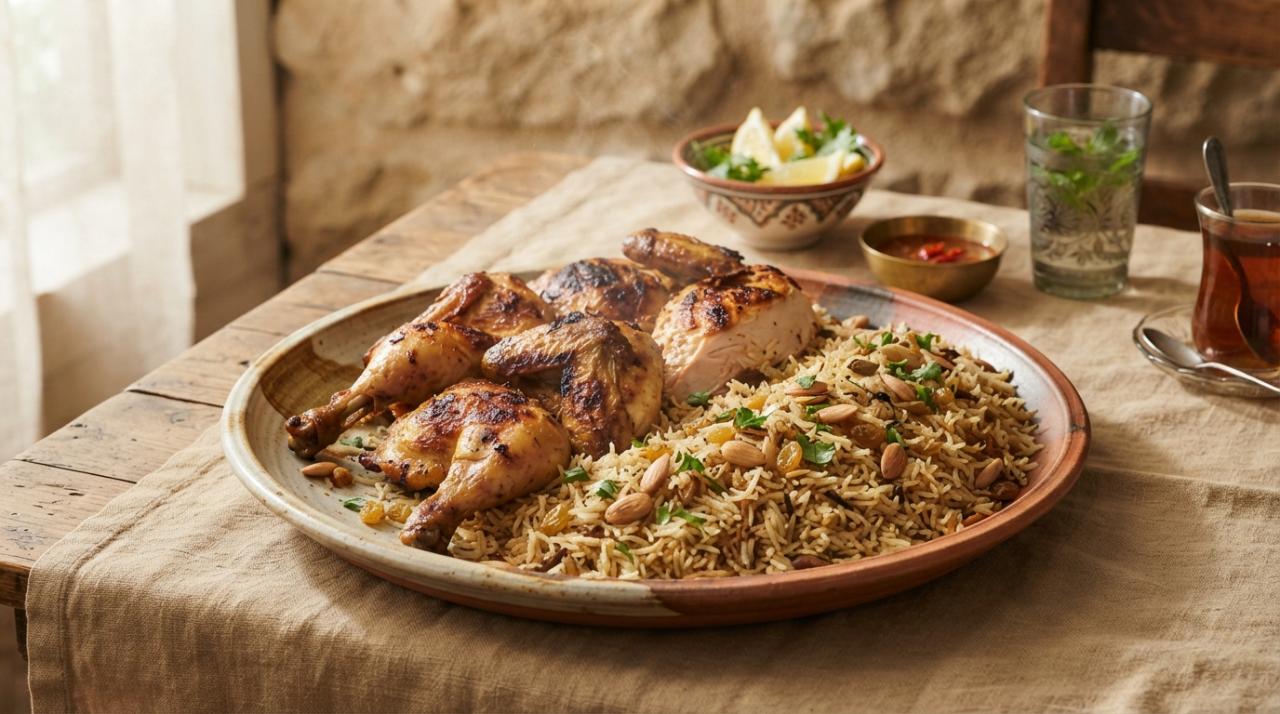
Arabian cuisine is famous for its fragrant spices, tender meat, and beautifully prepared rice dishes. Among its most celebrated traditional meals is Mandi, a delicious Yemeni dish that has become popular throughout the Middle East. Known for its aromatic rice, succulent meat, and distinctive blend of spices, mandi is often served at family gatherings, celebrations, and special occasions.
A traditional Arabian mandi recipe combines basmati rice, chicken or lamb, and a carefully balanced mixture of spices. The meat is cooked until tender, while the rice absorbs the rich aroma of the broth and seasonings. The result is a comforting, flavorful meal that brings the authentic taste of Arabian cooking to your home.
What Makes Traditional Arabian Mandi Special?
Mandi originated in Yemen and is especially associated with Hadhramaut cuisine. Traditionally, the meat and rice are cooked using a method involving a special underground oven, which gives the meat its tender texture and smoky aroma.
Modern home cooks can prepare a delicious version using a regular oven and stovetop. The essential elements remain the same: fragrant basmati rice, tender meat, and warm spices such as cardamom, cinnamon, cloves, and black pepper.
Unlike some other Middle Eastern rice dishes, mandi generally emphasizes the natural flavor of the meat and the delicate fragrance of the rice rather than a heavy sauce.
Ingredients for Traditional Arabian Mandi
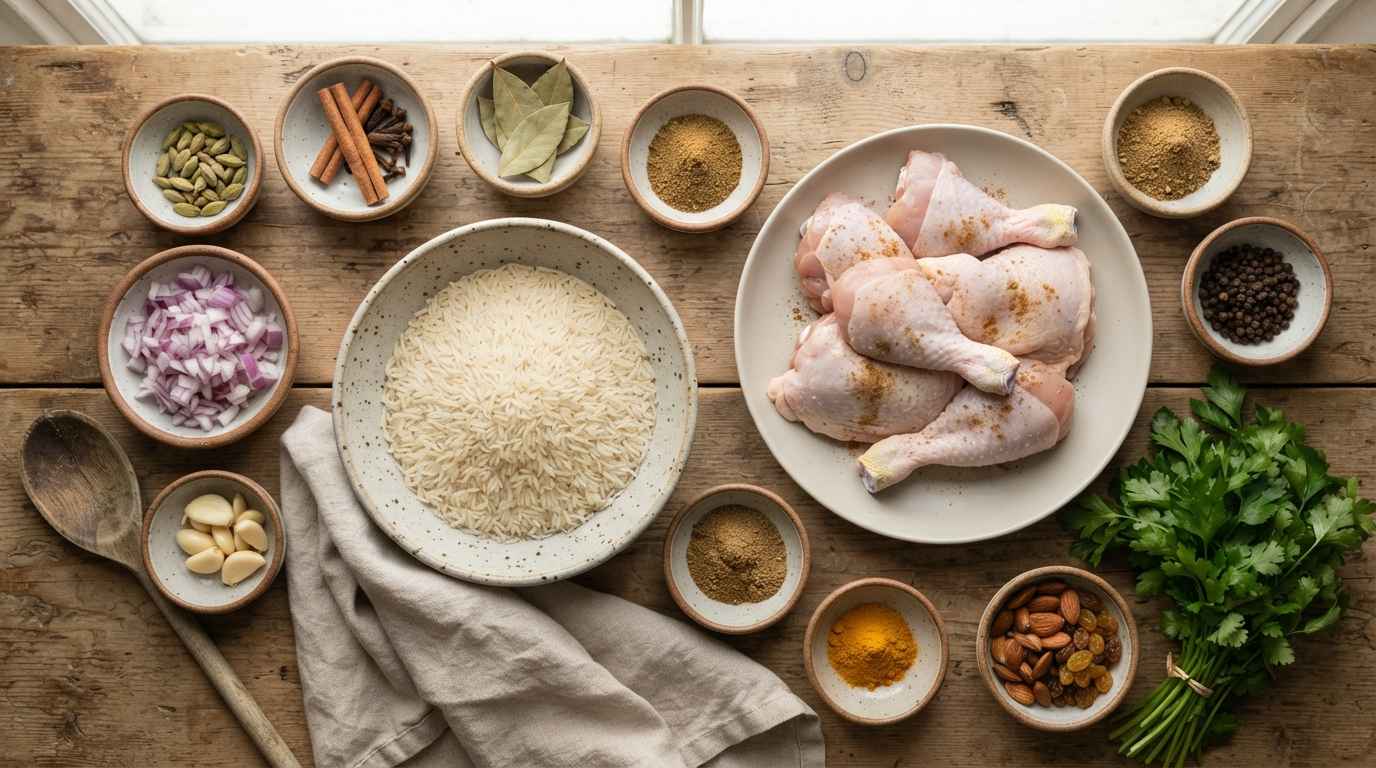
For 3–4 servings
For the chicken
- 1 whole chicken, cut into portions, or 4 chicken pieces
- 1 tablespoon cooking oil
- 1 teaspoon ground cumin
- 1 teaspoon ground coriander
- ½ teaspoon turmeric
- ½ teaspoon black pepper
- Salt, to taste
- 1 small onion, chopped
- 3 garlic cloves, crushed
For the rice
- 2 cups basmati rice
- 1 medium onion, finely chopped
- 2 tablespoons cooking oil or ghee
- 4 cups chicken stock or water, adjusted as needed
- 4 cardamom pods
- 1 cinnamon stick
- 4 cloves
- 2 bay leaves
- ½ teaspoon cumin
- Salt, to taste
- Raisins and toasted almonds, optional
Step-by-Step Guide to Making Arabian Mandi
Step 1: Prepare the Chicken
Mix the cumin, coriander, turmeric, black pepper, and salt in a bowl. Rub the spice mixture over the chicken pieces, along with the crushed garlic and a little oil.
Allow the chicken to marinate for at least 30 minutes. For a deeper flavor, refrigerate it for several hours.
Step 2: Cook the Chicken
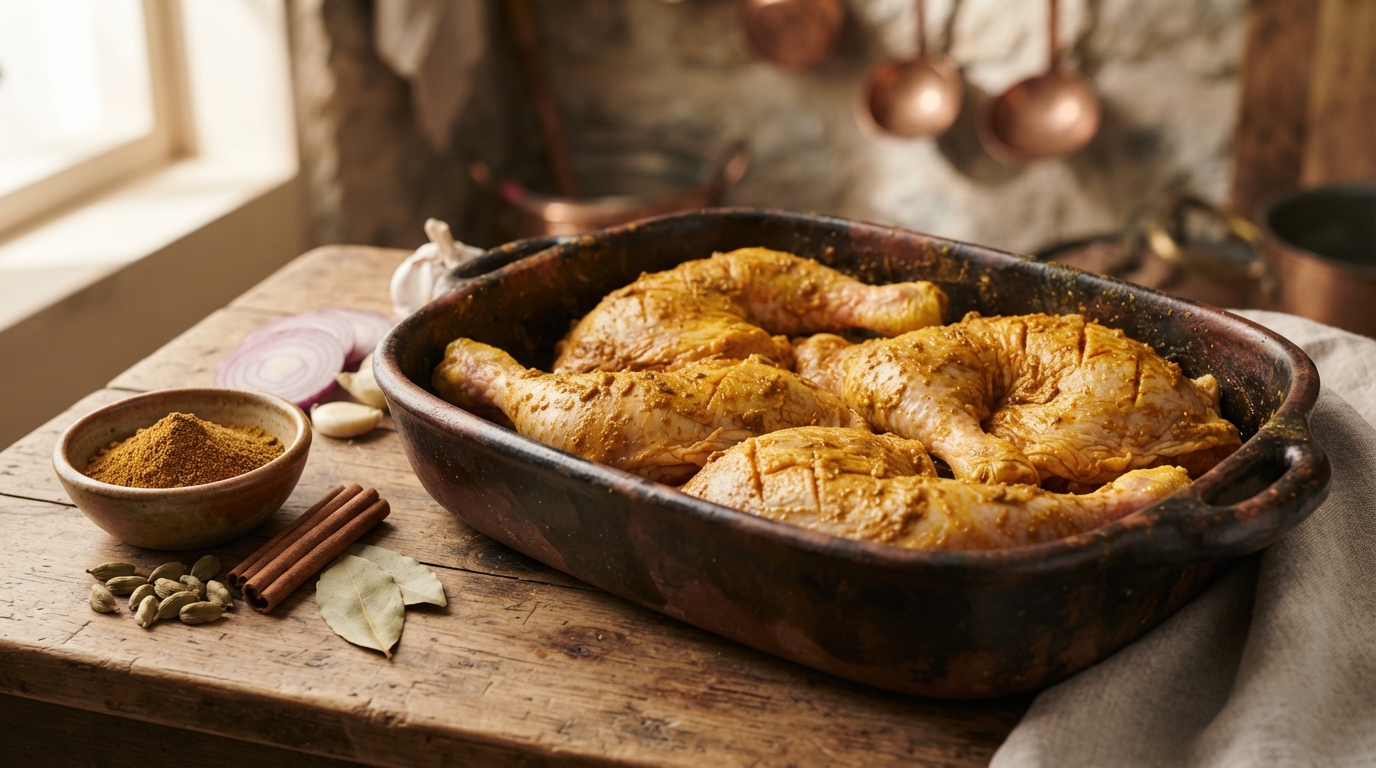
Place the chicken in a covered oven-safe dish with the chopped onion and a little water or stock. Cook in a preheated oven at 180°C (350°F) until the chicken is thoroughly cooked and tender.
Remove the cover toward the end of cooking to help the skin become golden. Cooking time depends on the size of the pieces; check that the thickest part reaches 74°C (165°F).
Reserve the cooking liquid to add flavor to the rice.
Step 3: Prepare the Basmati Rice
Rinse the basmati rice several times until the water becomes relatively clear. Soak it for approximately 20 minutes, then drain thoroughly.
Heat the oil or ghee in a large saucepan. Add the chopped onion and cook until softened. Stir in the cardamom, cinnamon, cloves, bay leaves, and cumin, allowing their fragrance to develop.
Add the drained rice and stir gently for a minute so the grains become coated in the aromatic oil.
Step 4: Cook the Rice
Add the reserved chicken cooking liquid and enough additional stock or water to cook the rice according to its package instructions. Season with salt and bring the liquid to a boil.
Cover the saucepan, reduce the heat to low, and cook until the rice is tender and the liquid has been absorbed. Allow it to rest, covered, for about 10 minutes before fluffing gently with a fork.
Step 5: Assemble and Serve
Arrange the fragrant rice on a large serving platter and place the golden chicken pieces on top. Garnish with toasted almonds and raisins if desired.
Serve the mandi hot with fresh tomato salsa, cucumber salad, or a simple yogurt sauce. These fresh accompaniments balance the warm spices and make the meal even more enjoyable.
Traditional Tips for Better Mandi

Choose good-quality basmati rice for long, separate grains. Avoid stirring the rice excessively during cooking, as this can break the grains and make the dish sticky.
For a more authentic smoky aroma, some cooks use a carefully controlled charcoal-smoking technique. If attempting this, use only food-safe equipment and follow appropriate fire and ventilation precautions.
You can also substitute lamb for chicken, adjusting the cooking time until the meat becomes tender.
Conclusion
Traditional Arabian mandi is a wonderful introduction to Yemeni cuisine. Its combination of aromatic basmati rice, tender meat, and fragrant spices creates a satisfying dish that is ideal for family meals and special occasions.
Although traditional mandi is prepared using specialized cooking methods, a home kitchen can produce a delicious version with simple ingredients and careful preparation. Serve it fresh from the pot, share it with family and friends, and enjoy the rich culinary traditions of Arabia.
Most Popular











Anaya
comment1