



Ever Wondered Why Your Best Friend Hates What You Adore?
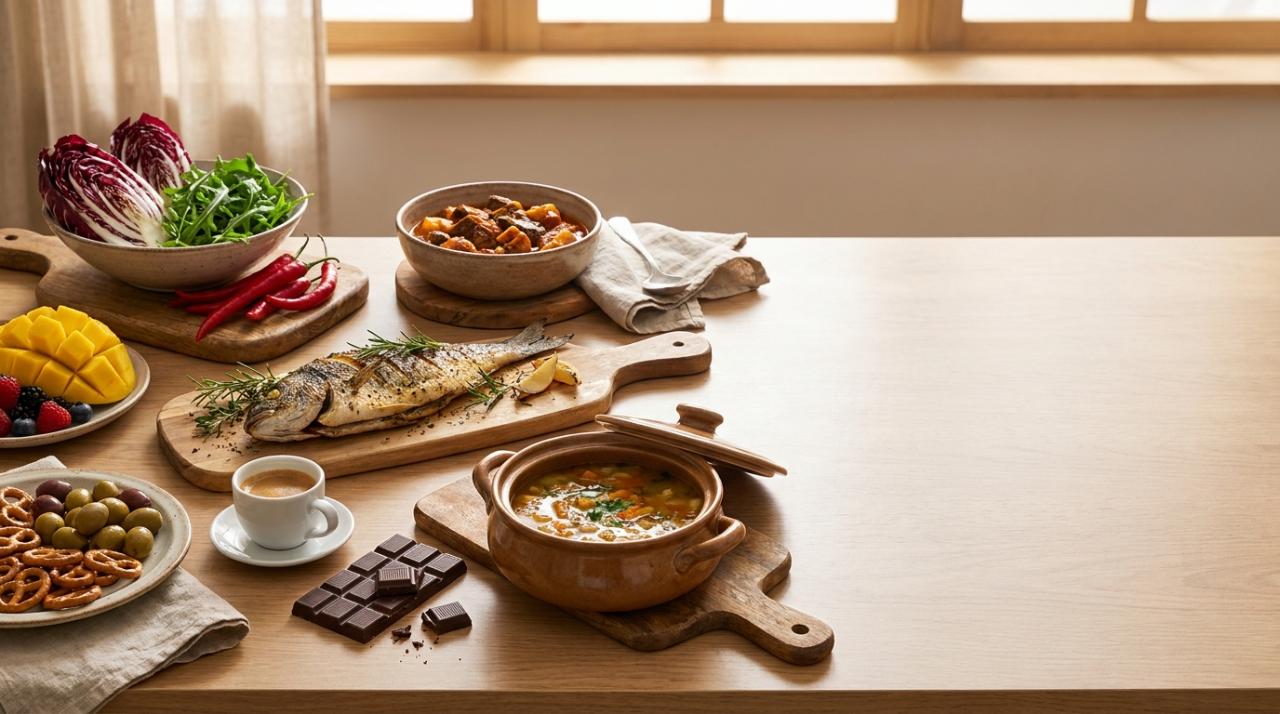
It’s a tale as old as time, or at least as old as the first shared meal: you’re raving about that spicy curry, and your dining companion is politely pushing their plate away, claiming it’s “too much.” Or perhaps you’re a lifelong fan of Brussels sprouts, while your partner makes a face like they’ve just bitten into a lemon at the mere mention of them. Why is it that we have such wildly different tastes in food? It’s not just about being picky; there are some fascinating reasons behind our individual food preferences.
It Starts in Our Genes
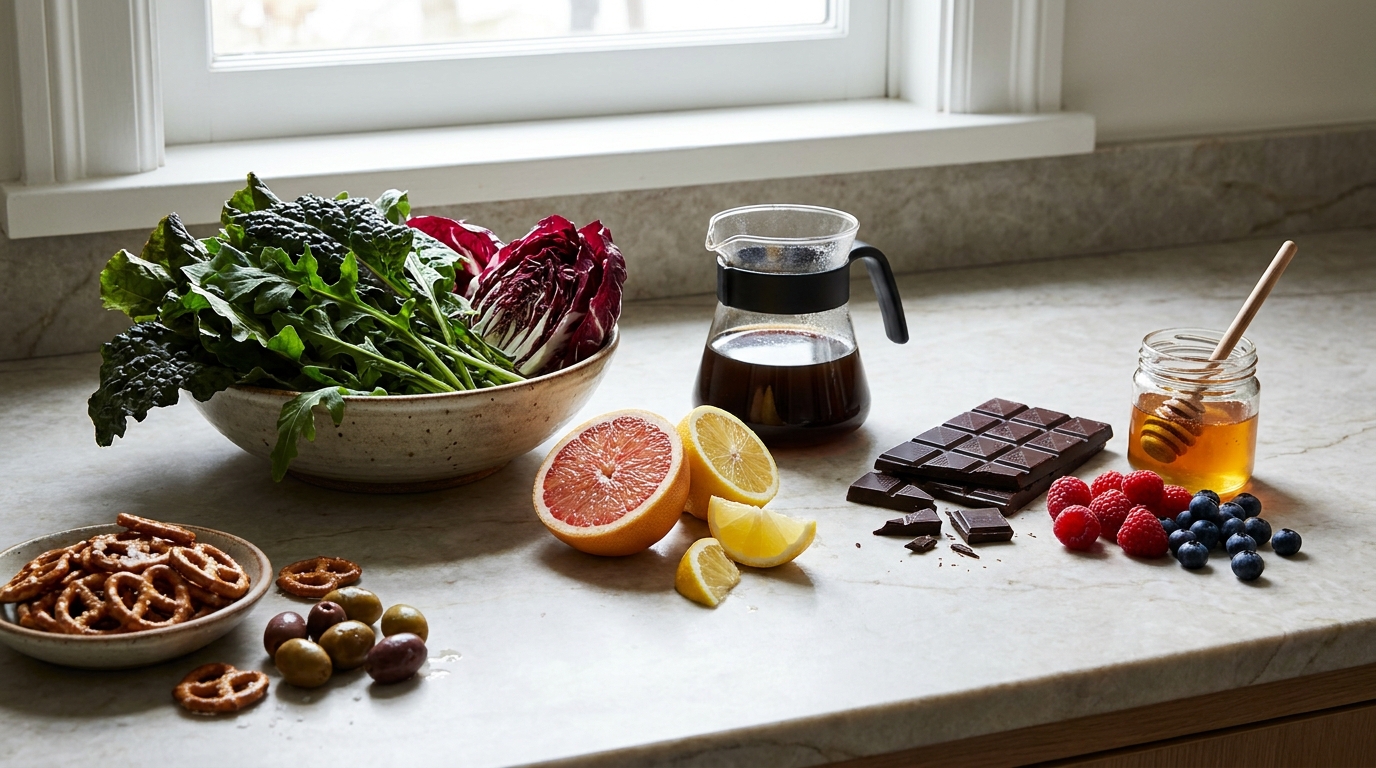
Believe it or not, a significant part of our taste preferences is hardwired into us. Our genes play a crucial role in how we perceive flavors. For example, some people are genetically more sensitive to bitter tastes. This is why some can enjoy kale or coffee without a second thought, while others find them overwhelmingly bitter. There are also variations in how we taste sweetness and saltiness, which can explain why some people have a serious sweet tooth and others prefer savory snacks. This genetic predisposition to certain tastes might have even played a role in our ancestors’ survival, helping them avoid potentially poisonous bitter plants.
Experience is the Best Teacher (or Eater)
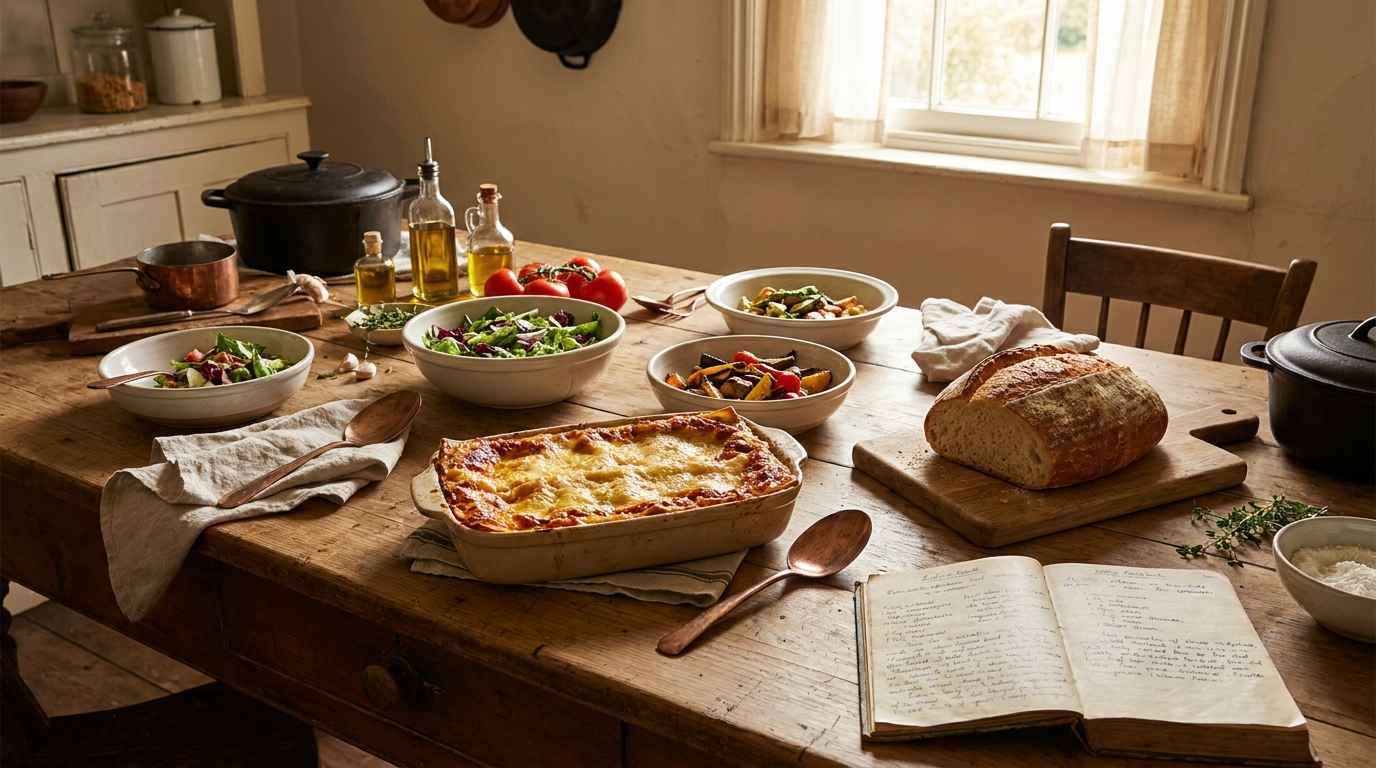
Beyond our genetic blueprint, our life experiences shape our palates significantly. What we eat, and how often we eat it, from a young age can create strong associations and preferences. If you grew up with your grandmother’s amazing lasagna, you’re likely to have a fond memory and a positive association with Italian food. Conversely, a bad experience with a particular dish, like getting sick after eating it, can create a long lasting aversion. This is known as taste aversion, and it's a powerful survival mechanism.
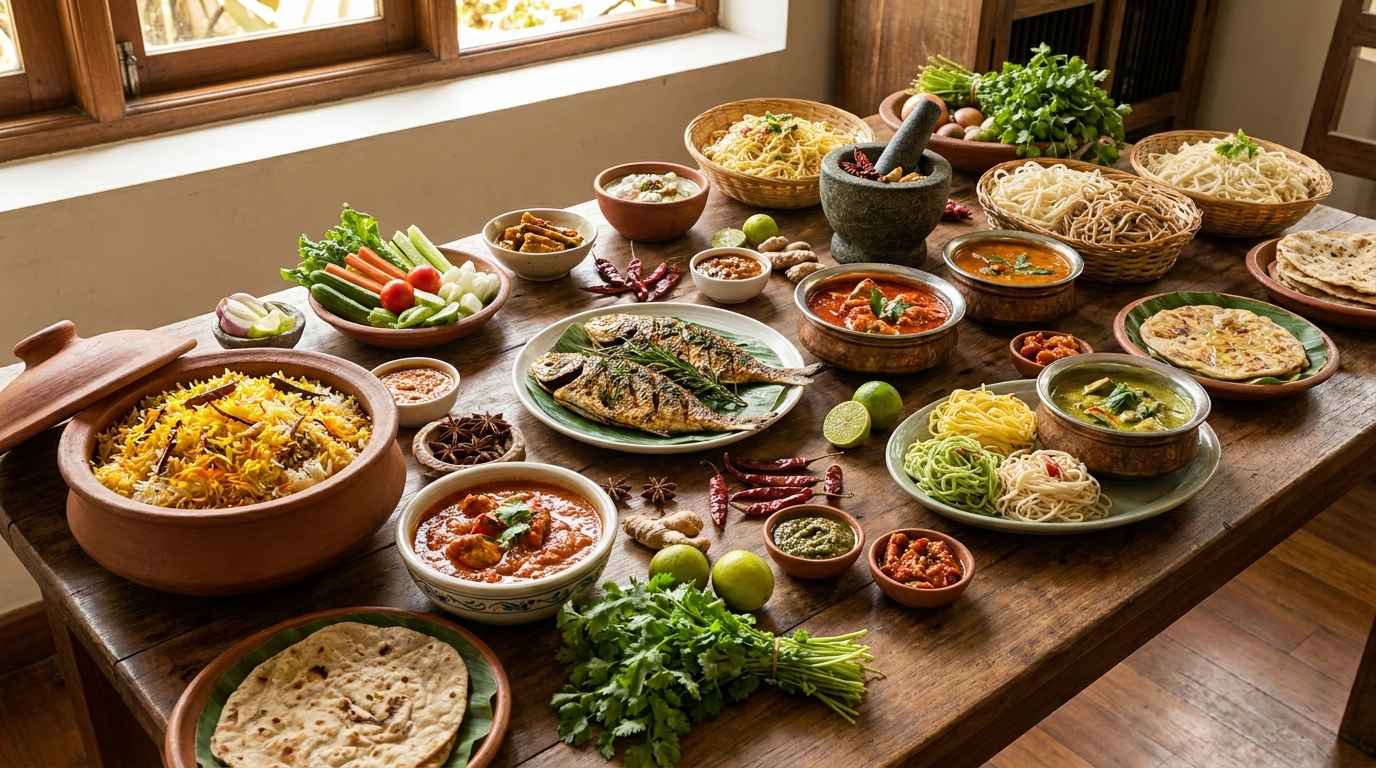
Cultural influences are also massive. The food we’re exposed to in our family, community, and wider society plays a huge role. If your culture celebrates spicy food, you’re more likely to develop a tolerance and liking for it. Similarly, exposure to different cuisines through travel, restaurants, or even cooking shows can broaden our horizons and introduce us to new flavors we might end up loving.
The Influence of Our Environment and Upbringing
Think about it: the food available to you, the way it’s prepared, and the social context around eating all contribute to your food personality. Growing up in a region where seafood is abundant will naturally lead to more exposure and likely appreciation for it. The way your parents or caregivers prepared food also matters. Were they adventurous cooks, or did they stick to familiar dishes? These early exposures can lay the foundation for your lifelong eating habits.
Even your mood and the company you're with can subtly influence your taste. A meal shared with loved ones during a happy occasion might taste better than the exact same meal eaten alone after a stressful day. This is the power of positive associations and the social aspect of food.
It’s More Than Just Taste Buds
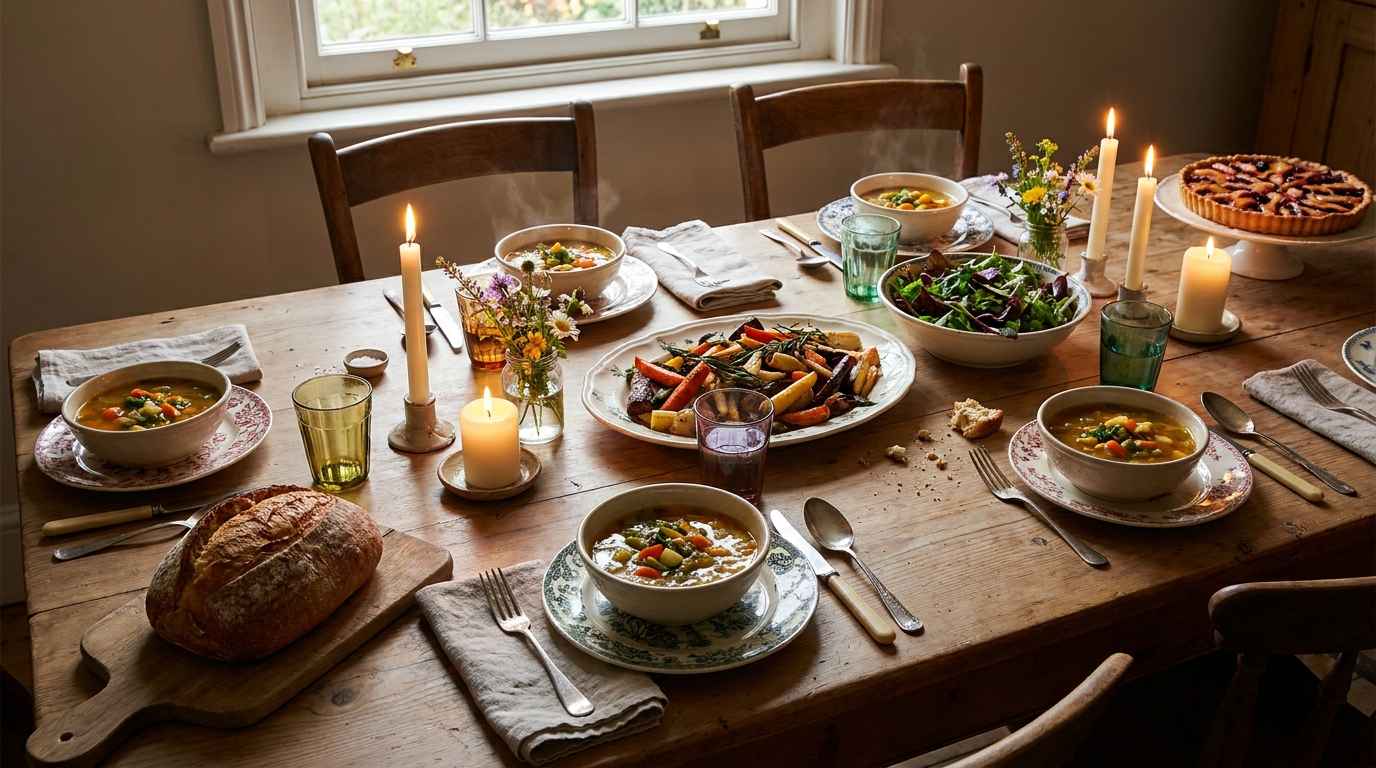
Ultimately, why people like different foods is a complex tapestry woven from genetics, personal experiences, cultural background, and even our emotional state. It’s what makes the culinary world so diverse and exciting. Instead of trying to make everyone love the same things, perhaps we should celebrate the incredible variety of tastes and the personal journeys that lead us to them. So, the next time you’re debating over dinner, remember that your unique food preferences are a fascinating reflection of who you are!
Most Popular







Anaya
comment1