



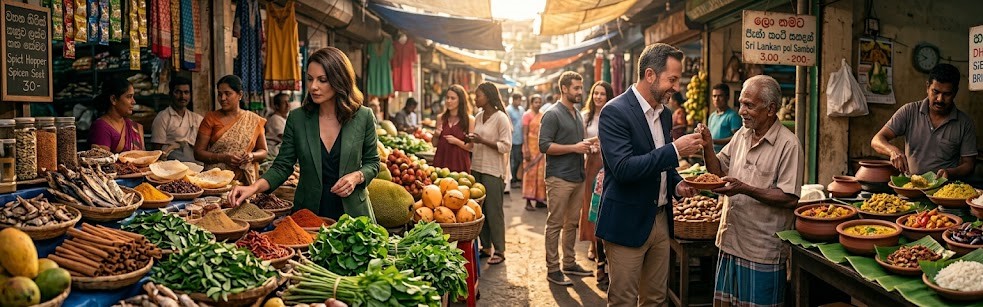
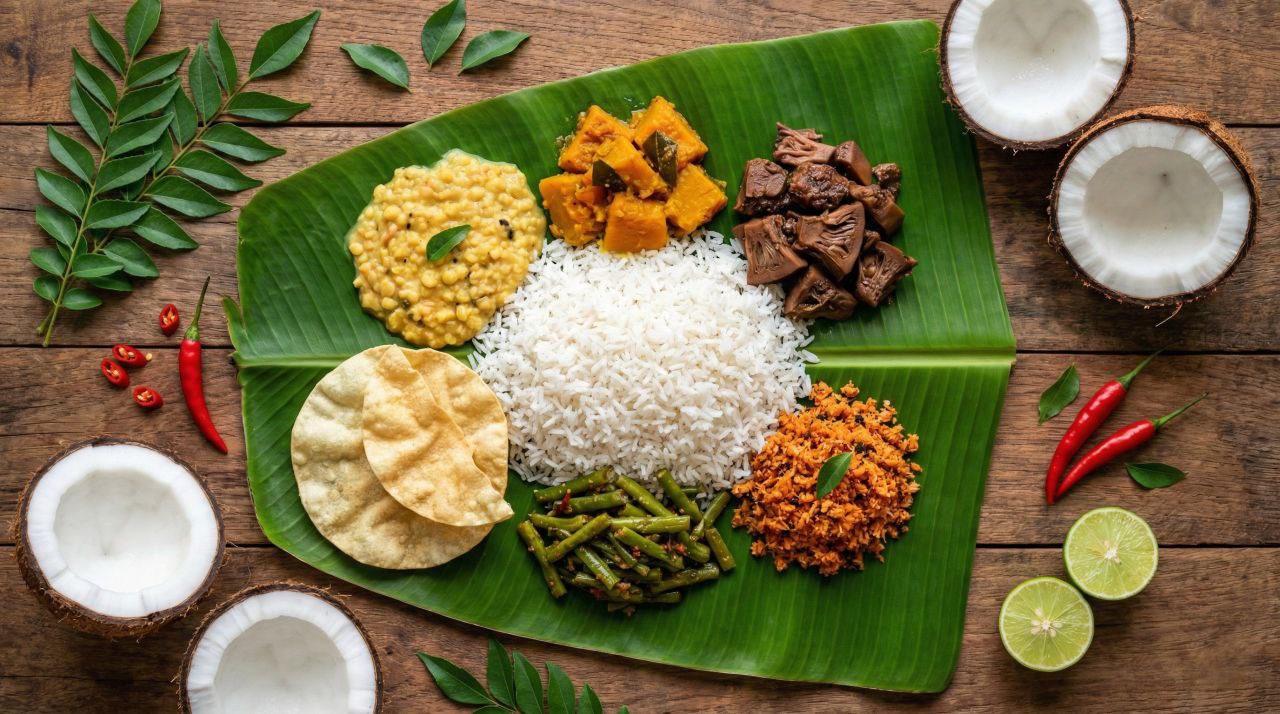
In an era of viral food trends, extravagant presentations, and ever-evolving culinary innovations, one movement continues to capture the hearts of food lovers around the world: the pursuit of authentic flavors. While modern gastronomy embraces creativity and experimentation, many food enthusiasts are increasingly seeking dishes that reflect genuine traditions, local cultures, and time-honored cooking methods. For today's foodies, authenticity has become more than a dining preference—it is a way to connect with people, places, and stories through food.Authentic flavors offer something that modern food trends often cannot replicate: a sense of heritage. Every traditional dish carries a history shaped by generations of cooks who perfected recipes using local ingredients and cultural influences. Whether it's a slow-cooked family recipe, freshly prepared street food, or a regional specialty passed down through generations, authentic cuisine provides a glimpse into the identity of a community. Food lovers are drawn to these experiences because they offer a deeper understanding of a destination and its culture.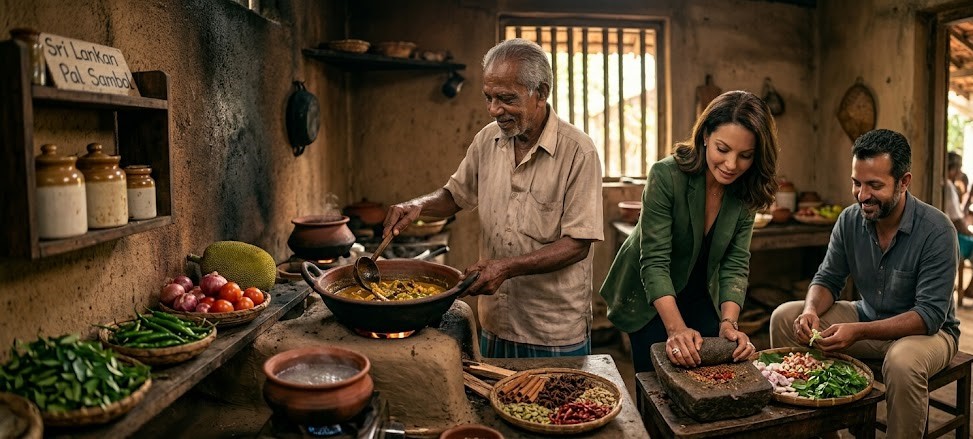
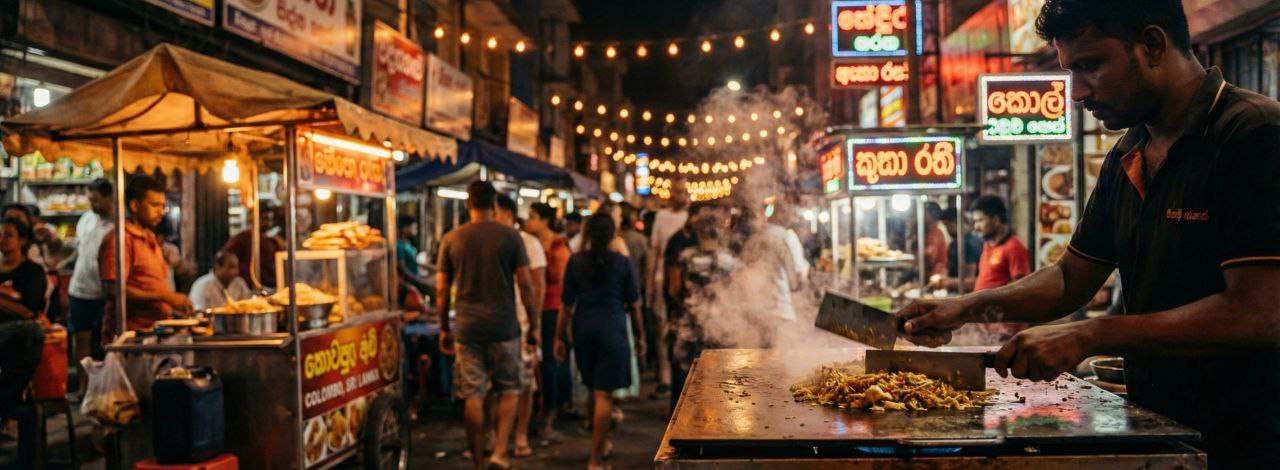
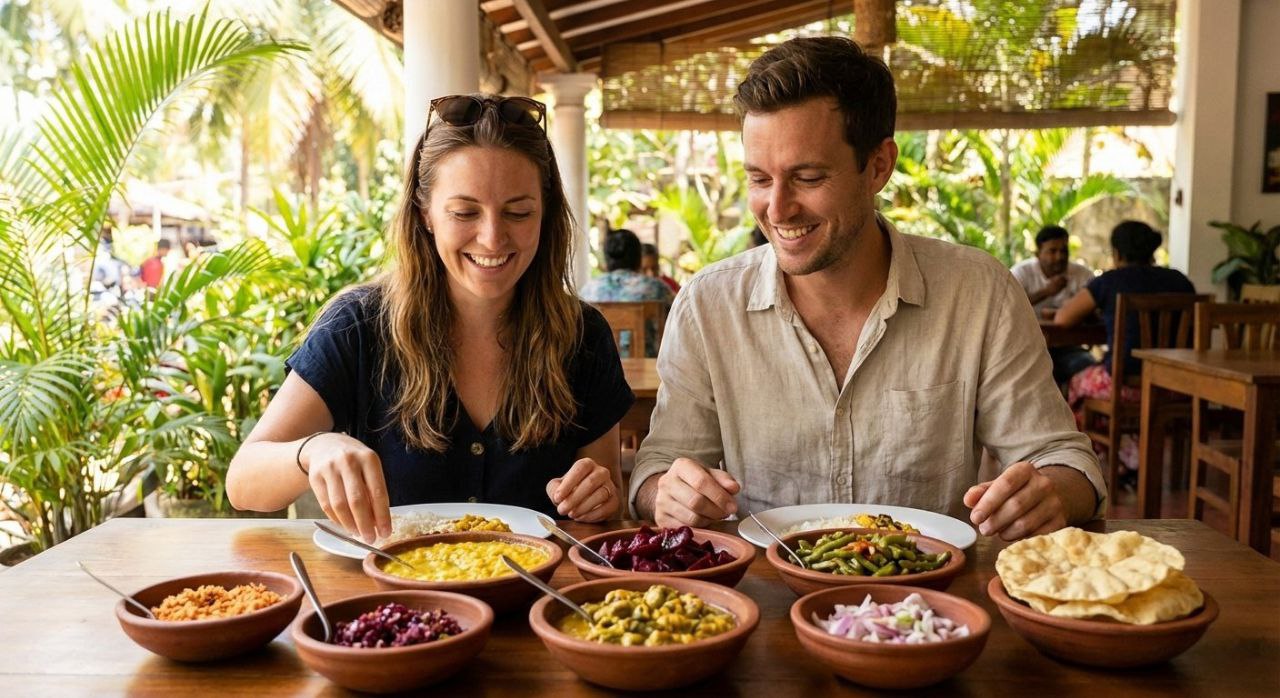
Travel has played a significant role in fueling the demand for authentic culinary experiences. Modern travelers no longer want to eat only at popular chain restaurants or tourist-focused establishments. Instead, they seek hidden gems, neighborhood eateries, bustling local markets, and family-owned restaurants where traditional recipes remain untouched by passing trends. These dining experiences create lasting memories because they feel genuine, personal, and unique to a particular place.The rise of social media has also contributed to this growing appreciation for authenticity. While visually stunning dishes continue to dominate online platforms, many food influencers and content creators are shifting their focus toward storytelling and cultural discovery. Audiences are increasingly interested in learning about the origins of ingredients, traditional cooking techniques, and the people behind the food. As a result, authentic dining experiences are gaining attention not only for their flavors but also for the stories they tell.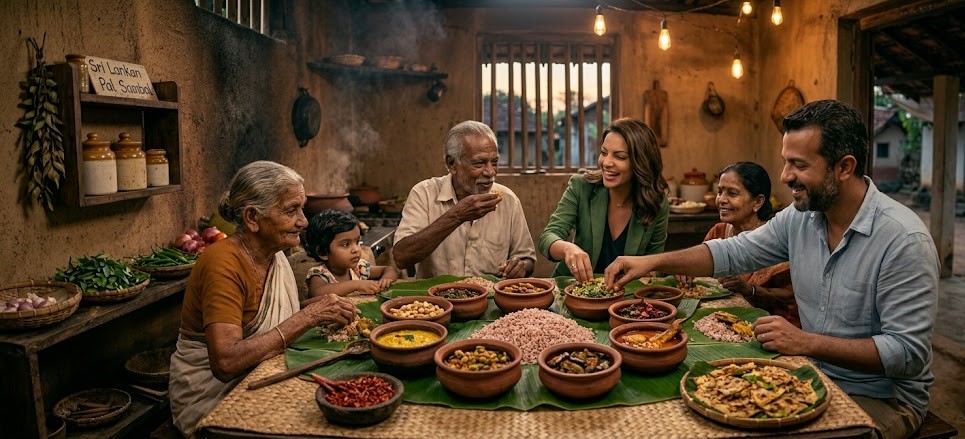
Another reason foodies are embracing authentic flavors is the growing desire for quality over novelty. In a world filled with fusion concepts and experimental menus, traditional dishes often stand out because of their simplicity and craftsmanship. Authentic cuisine relies on carefully selected ingredients, balanced flavors, and proven techniques rather than gimmicks or unnecessary complexity. The result is food that feels honest, comforting, and memorable.Restaurants are recognizing this shift in consumer preferences and are responding by celebrating local culinary traditions. Many chefs are revisiting classic recipes, sourcing ingredients from nearby farms and producers, and showcasing regional specialties in ways that honor their origins. Rather than replacing tradition with innovation, they are finding ways to preserve authenticity while elevating the dining experience. This balance allows guests to enjoy the best of both worlds: cultural heritage and contemporary presentation.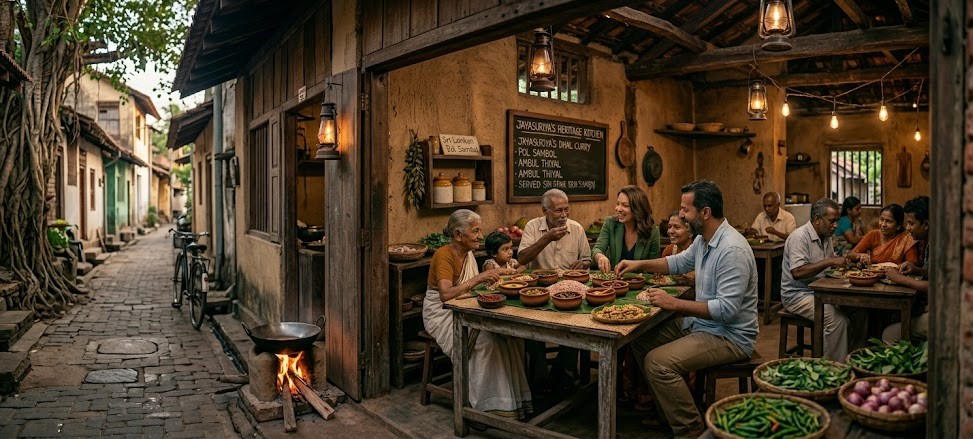
Authentic flavors also support sustainability and local economies. By choosing regional ingredients and working with local suppliers, restaurants can reduce food miles, support small businesses, and preserve traditional agricultural practices. Diners who value authenticity often appreciate these efforts because they align with broader interests in responsible consumption and community support.Ultimately, the pursuit of authentic flavors reflects a universal desire for meaningful experiences. Food is more than nourishment; it is a powerful expression of culture, history, and human connection. As food lovers continue to explore the world through their taste buds, authentic cuisine remains a reminder that the most memorable meals are often those rooted in tradition, crafted with care, and shared with genuine hospitality. In a constantly changing culinary landscape, authenticity continues to be the flavor that never goes out of style.
Most Popular







Anaya
comment1