



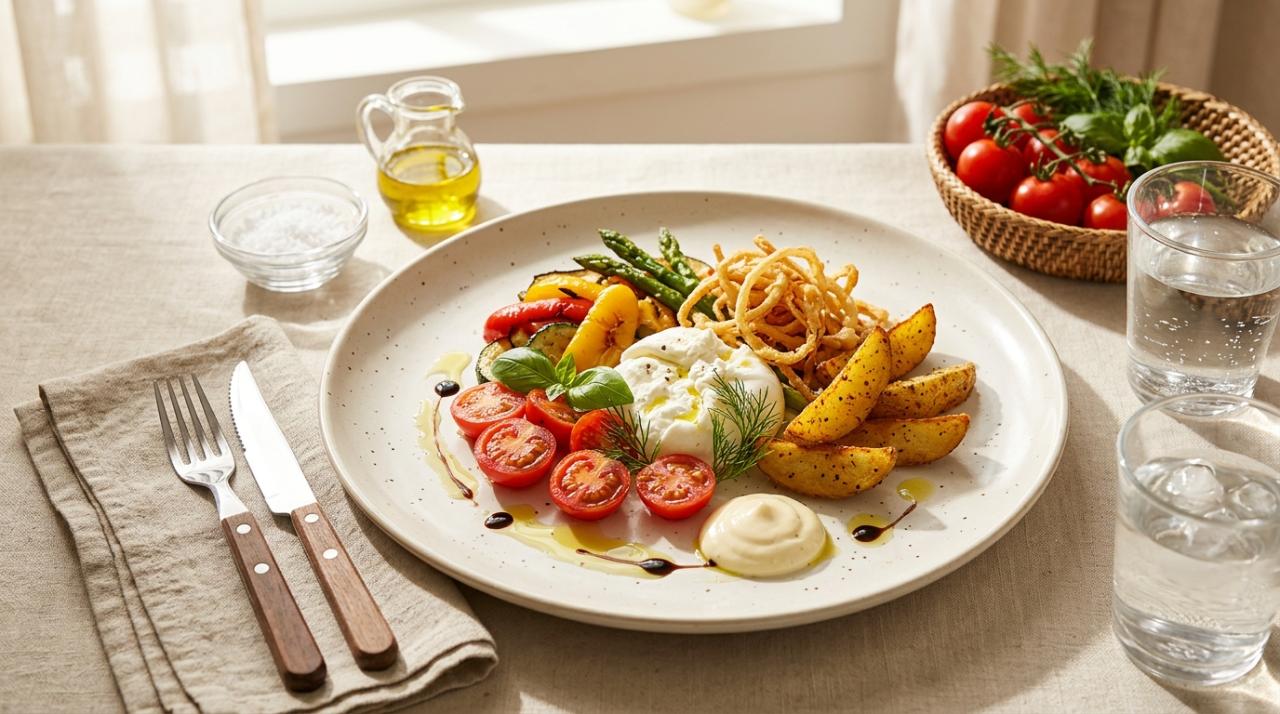
Ever noticed how you instinctively reach for the perfectly plated dish or get more excited about a vibrant salad than a dull-looking one? You’re not alone! It turns out that we humans are hardwired to “eat with our eyes first.” This isn't just about vanity; it's a deeply ingrained psychological response that plays a massive role in our appetite, our perception of taste, and our overall dining experience. Let’s dive into the fascinating world of why visual appeal is so crucial when it comes to food.
Think about it. Before a single bite even touches your tongue, your eyes have already processed a wealth of information about the food in front of you. They've assessed its color, shape, texture, and arrangement. These visual cues are the very first signals your brain receives, and they immediately start influencing your expectations and your desire to eat. It’s a primal instinct, likely stemming from our ancestors who had to visually assess food for ripeness, freshness, and potential danger before consuming it.
The Colors of Appetite
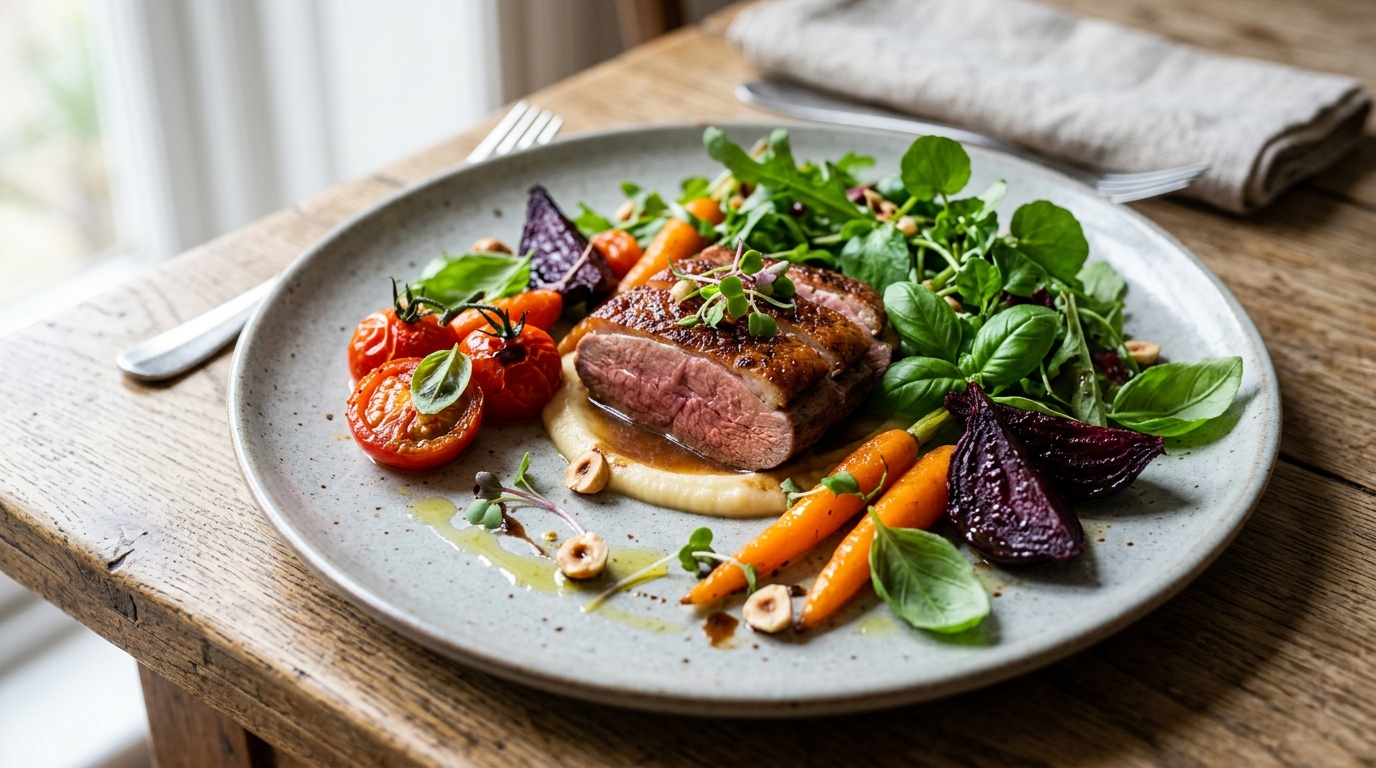
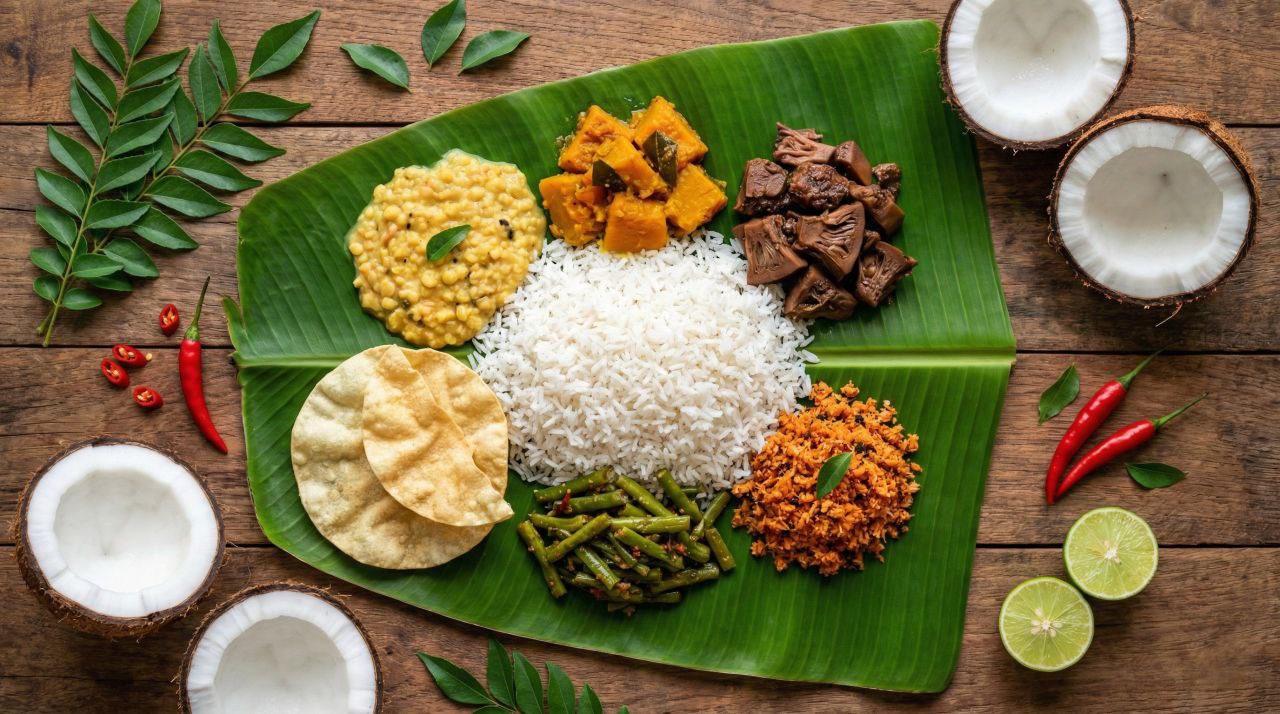
Color is arguably the most powerful visual element when it comes to food. Different colors evoke different emotions and physiological responses. For instance, bright reds and oranges are often associated with energy, passion, and sweetness, making foods like strawberries, peppers, and carrots incredibly appealing. Greens, on the other hand, signal freshness, health, and vitality, which is why a beautifully presented green salad can be so enticing. Conversely, dull or unappetizing colors, like a washed-out beige or a murky brown, can signal spoilage or lack of flavor, suppressing our appetite before we even start.
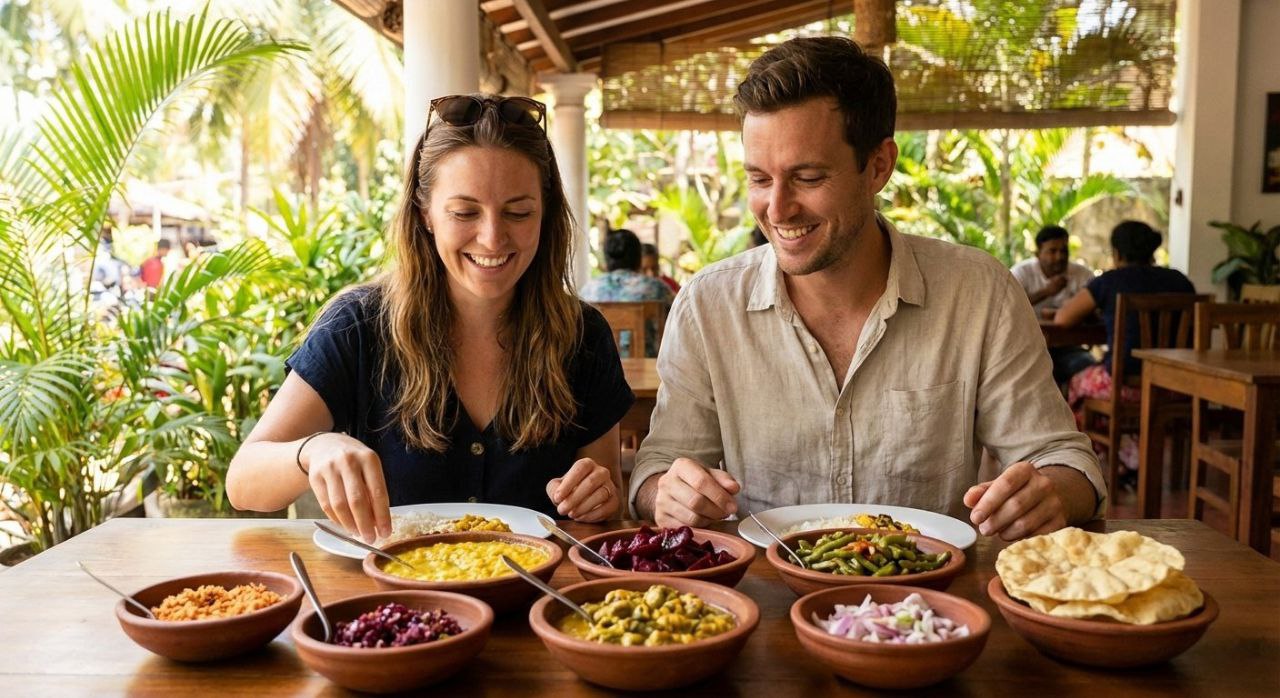
Chefs and food stylists are masters at leveraging color theory. They strategically use vibrant ingredients to make dishes pop, understanding that a splash of color can transform a meal from ordinary to extraordinary. Think about the contrast of a bright red tomato on a bed of fresh green basil, or the deep purple of a beet salad. These combinations aren’t just pretty; they’re scientifically designed to stimulate our senses and make us feel hungrier.
Shape, Texture, and Arrangement Matter
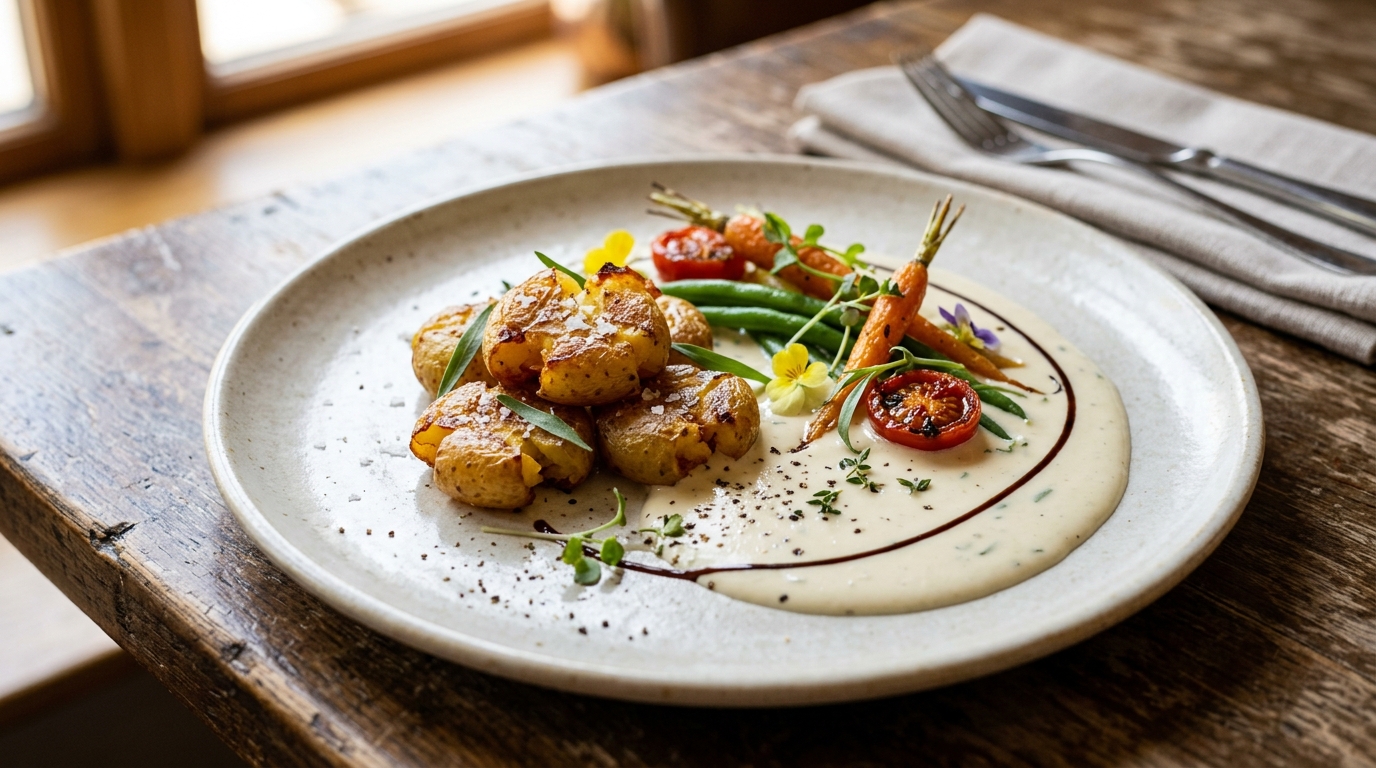
Beyond color, the shape and arrangement of food also significantly impact our perception. We’re drawn to pleasing shapes and textures. Think about the satisfying crunch of a perfectly fried potato or the smooth, creamy texture of a well-made mousse. These tactile sensations, anticipated visually, contribute to our overall enjoyment. A well-arranged dish, with elements placed thoughtfully and artfully, suggests care and attention to detail, which in turn elevates our perception of the food’s quality and flavor.
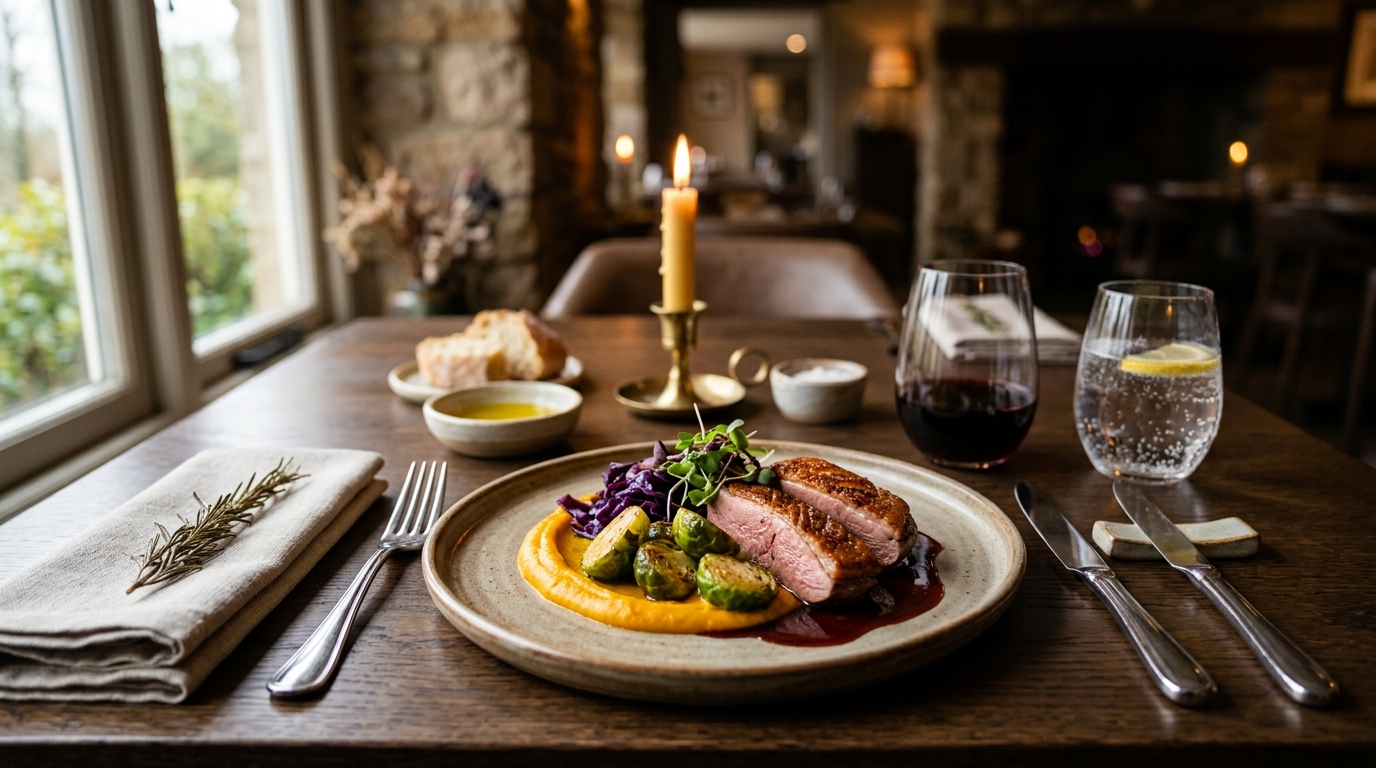
A chaotic pile of food, no matter how delicious it tastes, can be off putting. Conversely, a dish that is neatly arranged, perhaps with a drizzle of sauce artfully placed or garnishes thoughtfully scattered, communicates a sense of professionalism and culinary expertise. This visual order can actually make us believe the food will taste better, simply because it looks more appealing and well-considered.
The Psychology of Expectation
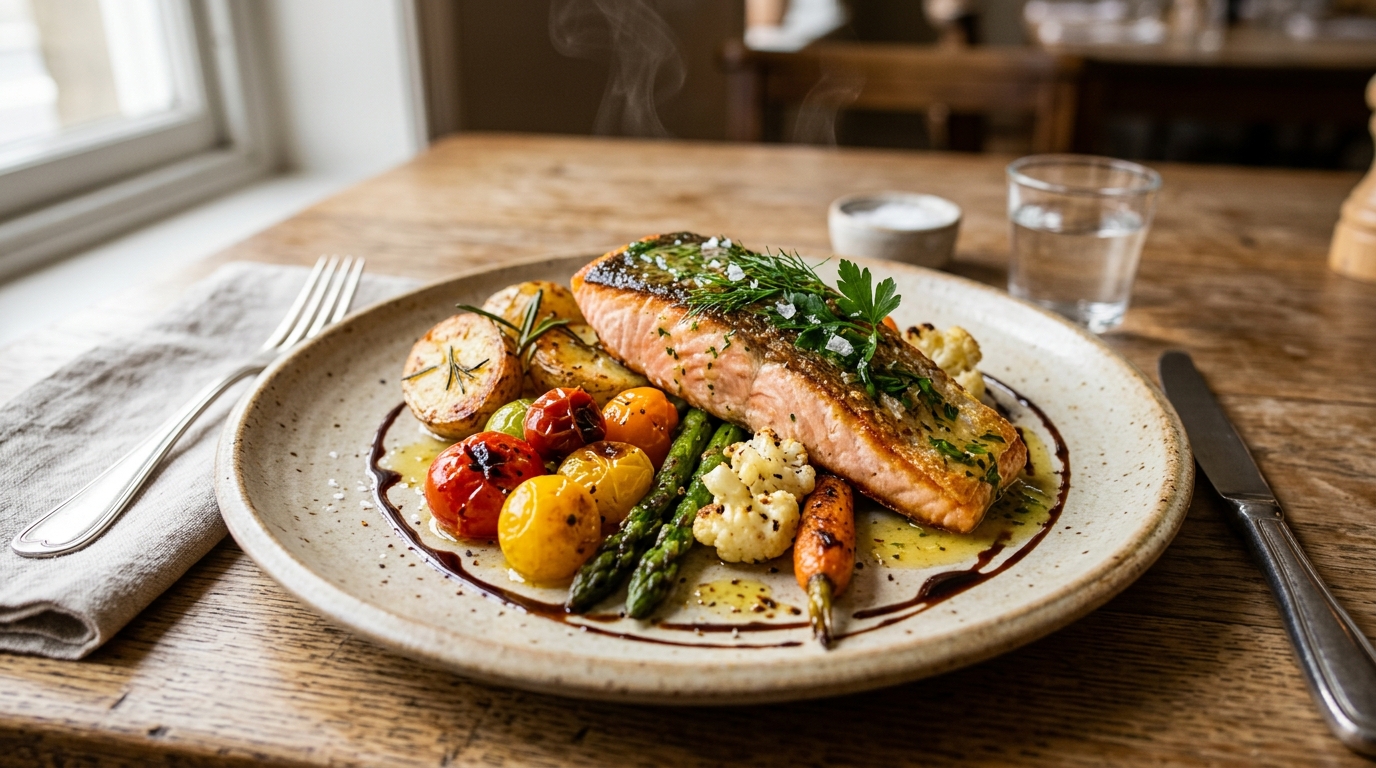
Our visual experience with food sets up powerful expectations. When food looks fresh, vibrant, and well prepared, our brains anticipate it will taste delicious. This expectation can actually influence our perception of flavor. If you expect something to be sweet, your brain might actually perceive it as sweeter. This phenomenon, known as cross modal correspondence, highlights the intricate connection between our senses. A visually appealing dish primes us for a positive taste experience.
Conversely, if a dish looks unappealing, our expectations are lowered, and we might be less satisfied even if the flavor is decent. This is why presentation is so crucial, especially in the competitive world of restaurants. A restaurant that invests in plating and visual aesthetics is often perceived as offering a higher quality dining experience overall.
Beyond the Plate
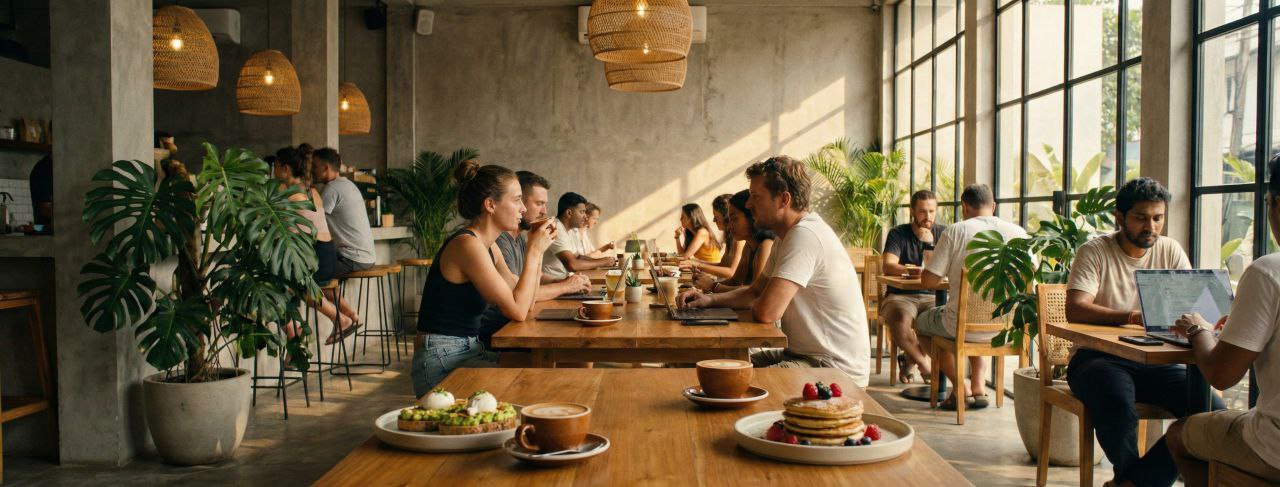
It’s not just the food itself; the entire dining environment contributes to how we perceive our meals. The ambiance of a restaurant, the way the food is served, and even the company we’re with can all influence our visual experience and, subsequently, our enjoyment. A beautifully set table in a pleasant environment can enhance the visual appeal of the food, making the entire experience more satisfying. This holistic approach to dining underscores the profound impact of our visual sense on our eating habits.
Embrace the Visual Feast
So, the next time you find yourself admiring a beautifully crafted dish, remember that you're not just being superficial. You're engaging in a complex psychological interplay where sight plays a starring role. Understanding why we eat with our eyes first can help us appreciate the art of food presentation, make more conscious choices about what we eat, and ultimately, enhance our enjoyment of every meal. It’s a reminder that food is a multi-sensory experience, and the visual feast is just the delicious beginning.
Most Popular







Anaya
comment1