



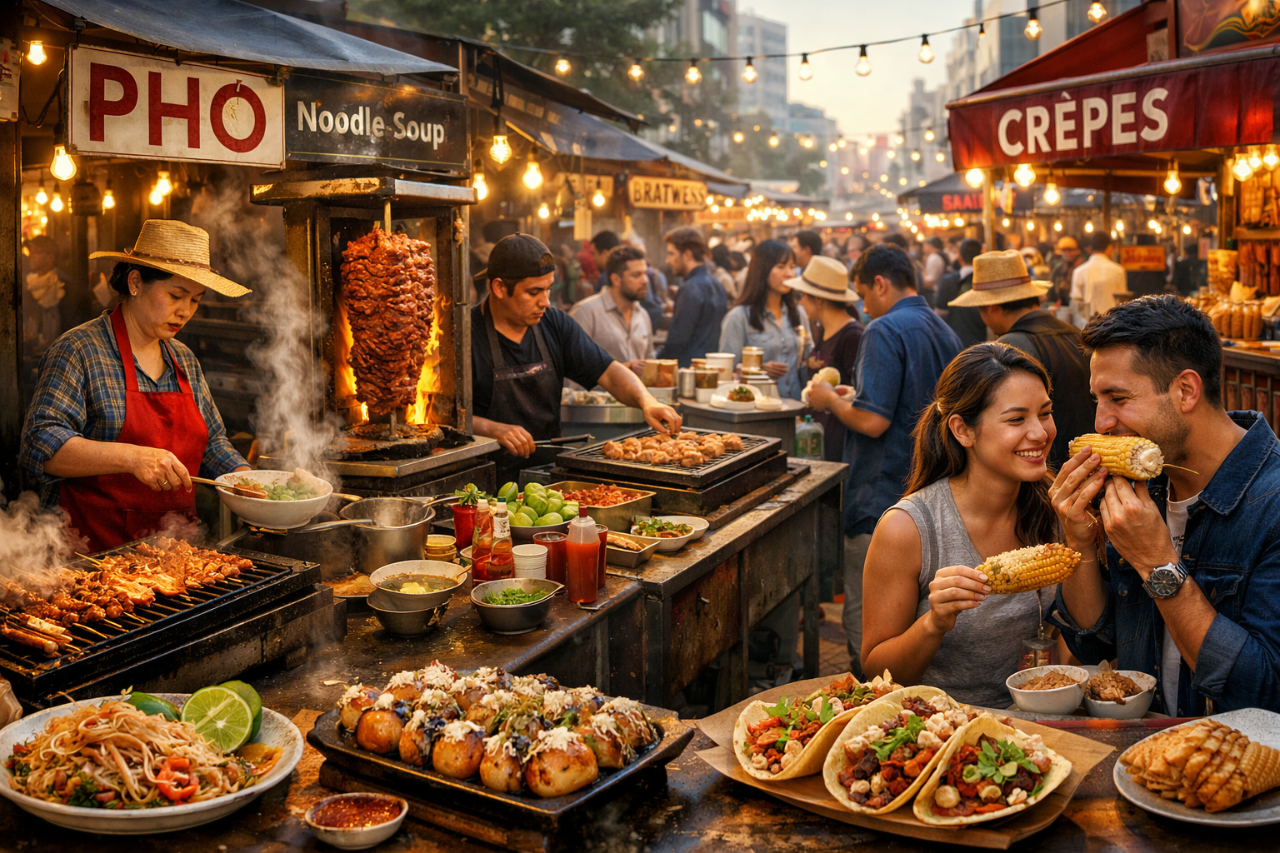
The aroma of sizzling spices, the chatter of bustling crowds, and the promise of an unforgettable meal – these are the hallmarks of the world's vibrant street food scene. More than just a quick bite, street food represents a rich tapestry of culture, history, and culinary innovation. It offers an authentic and accessible way to experience the true flavors of a destination, connecting us directly to the local way of life.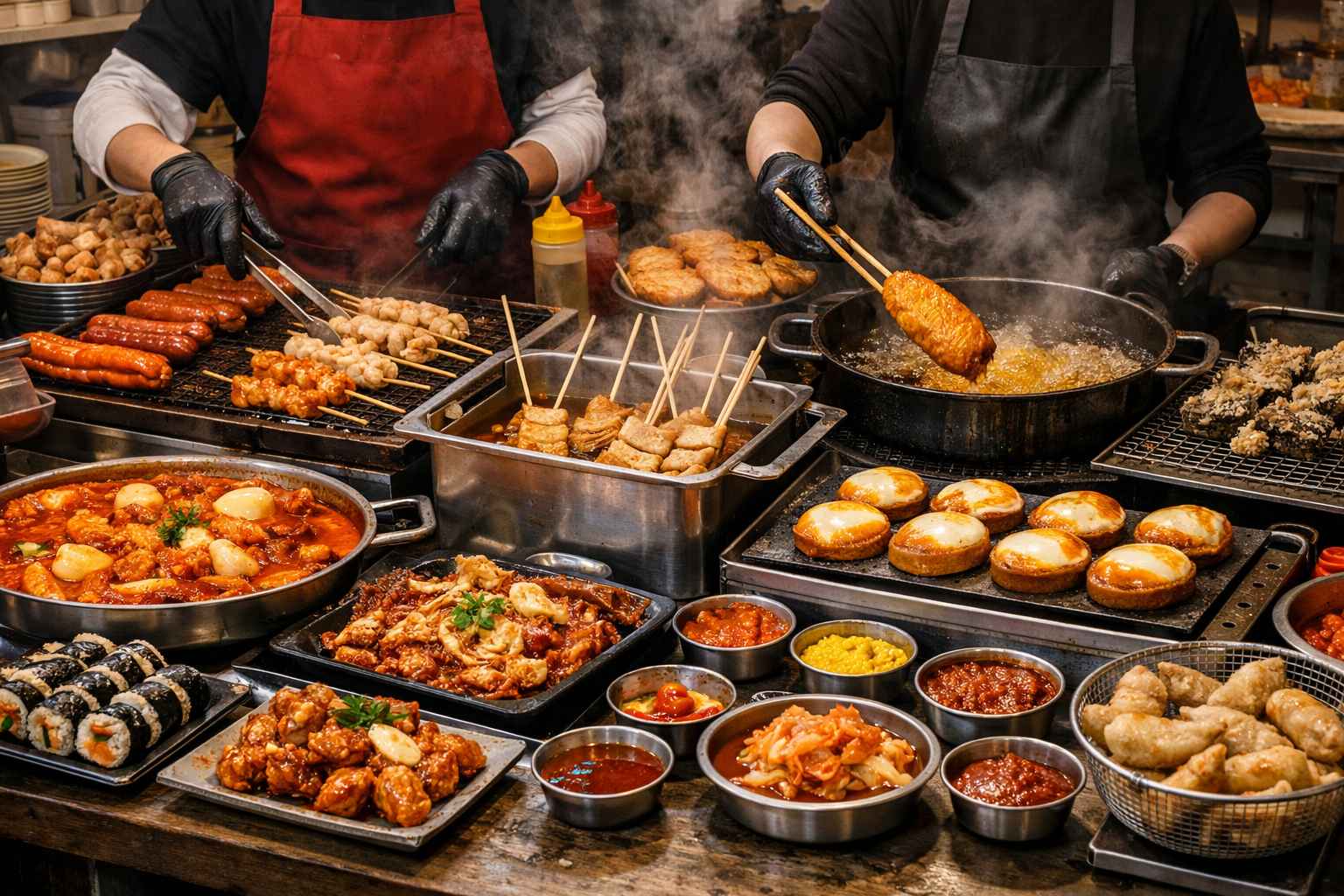
The Allure of Street Food
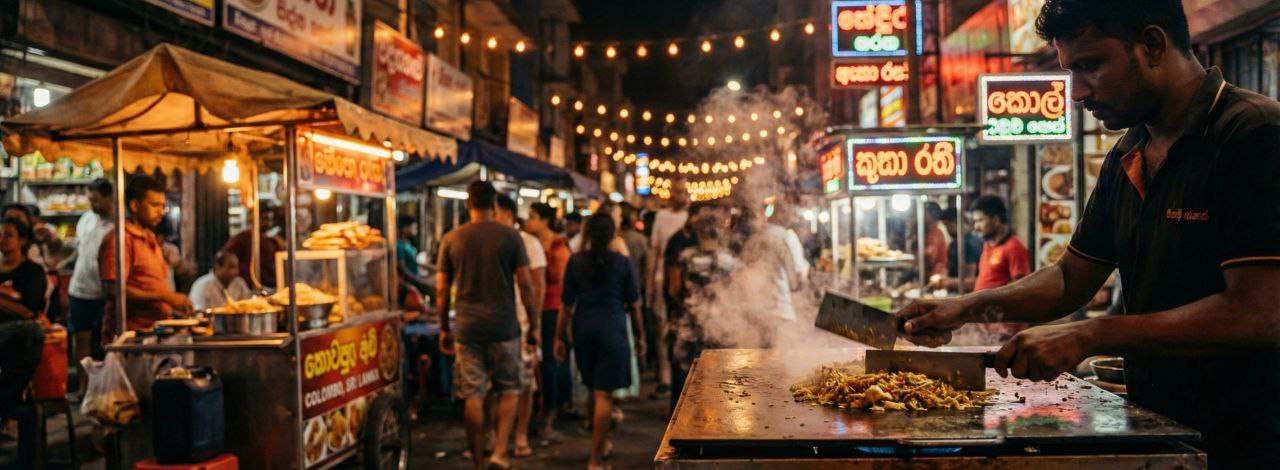
Street food has a unique charm that transcends geographical boundaries. It's democratic, affordable, and often incredibly delicious. For travelers and locals alike, venturing into the heart of a city's street food culture is an adventure in itself. From humble carts to elaborately decorated stalls, each vendor tells a story through their craft, often passing down generations of recipes and techniques. This dedication to tradition, combined with a willingness to adapt and innovate, makes street food a dynamic and ever evolving culinary landscape.
A Global Sampler of Delights
The diversity of street food is astounding. In Asia, you might find yourself savoring the complex flavors of Vietnamese Pho from a roadside stall, indulging in spicy Pad Thai from a Bangkok cart, or delighting in the sweet, crispy perfection of Japanese Takoyaki. Venture to Mexico, and the options are equally enticing, with tacos al pastor, elote (grilled corn), and churros being just a few of the many delectable choices. In Europe, a perfectly crafted crepe in Paris or a savory bratwurst from a German market stall offer distinct yet equally satisfying experiences. Even in North America, cities boast thriving street food scenes, from gourmet food trucks in Los Angeles to classic hot dog stands in New York.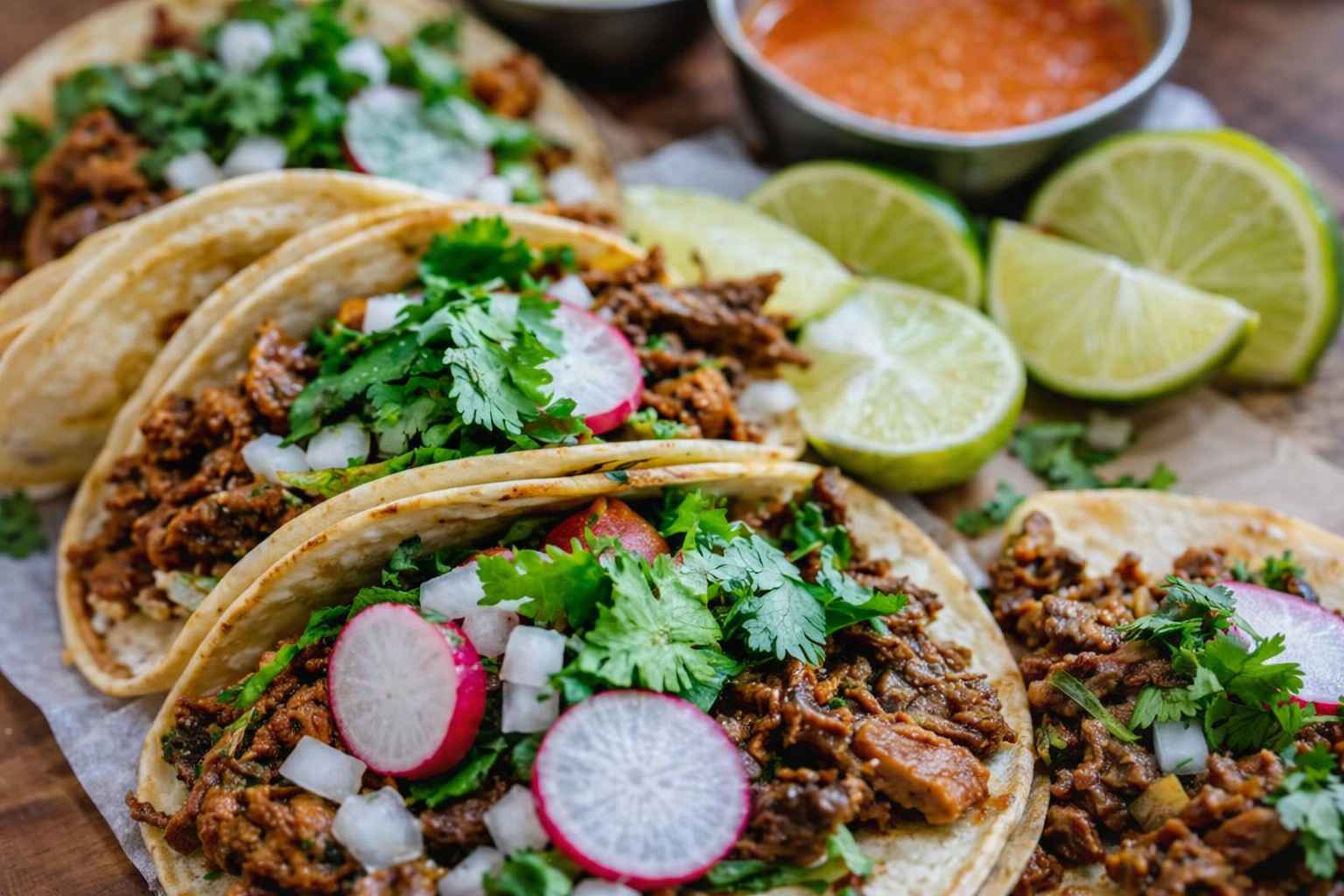
Cultural Immersion
Street food is intrinsically linked to the cultural fabric of a place. It's where you'll find the everyday meals of locals, often prepared with fresh, seasonal ingredients. The act of eating street food also encourages interaction. Striking up a conversation with a vendor, observing the preparation of your meal, or sharing a communal table with strangers can lead to genuine cultural exchange and a deeper understanding of the local community. It's an experience that engages all the senses, offering a more intimate and often more memorable encounter with a destination than a formal dining experience might provide.
The Economic and Social Impact
Street food vendors are often small business owners who play a vital role in the local economy. They provide employment, support local suppliers, and contribute to the vibrancy of public spaces. In many cities, street food markets are not just places to eat but also social hubs, bringing people together and fostering a sense of community. The affordability of street food also makes it an accessible option for people of all income levels, ensuring that delicious and satisfying meals are available to everyone.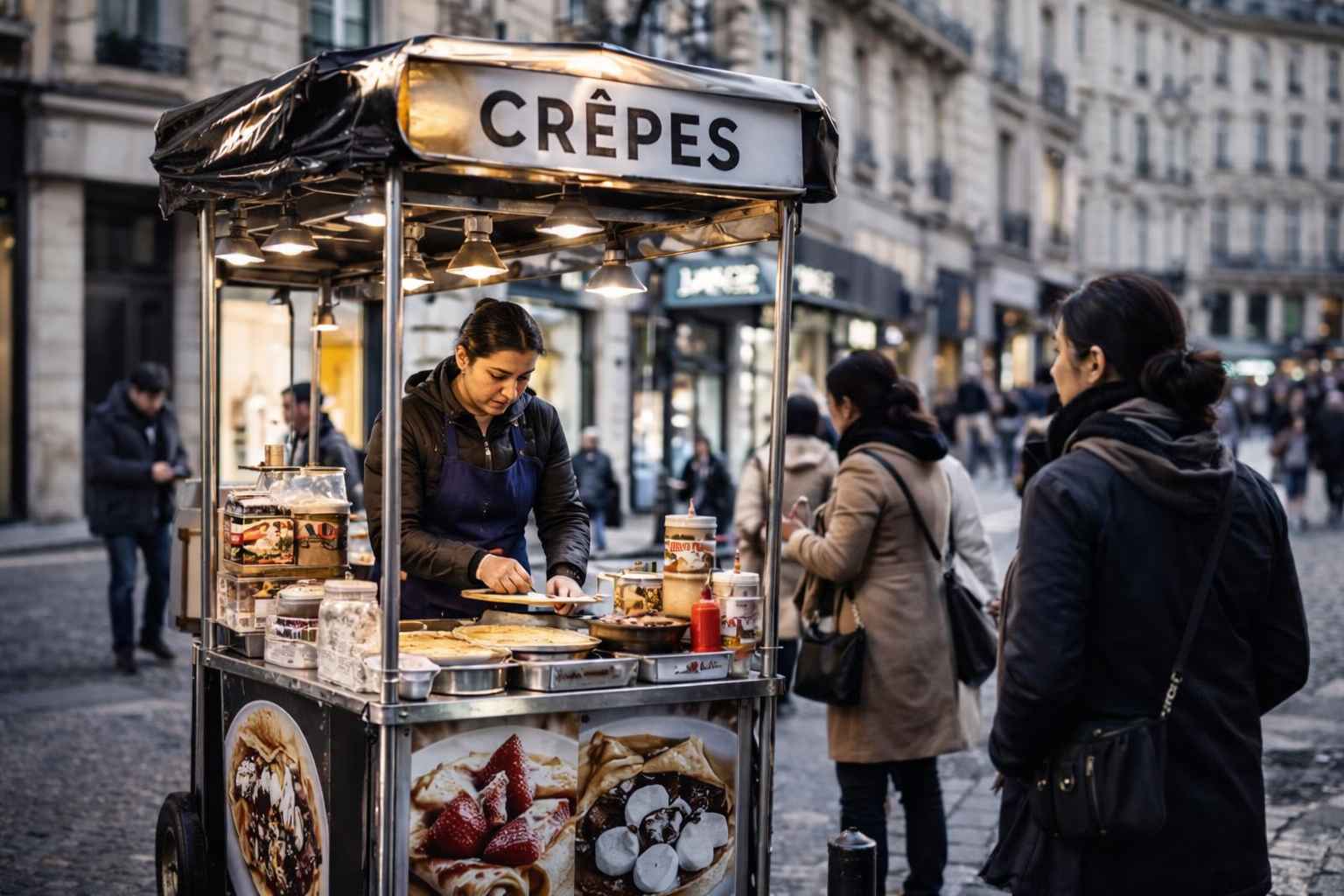
Navigating the Street Food Landscape
While the experience is generally safe and rewarding, a few tips can enhance your street food adventures. Look for vendors with long queues; this is often a sign of quality and popularity. Observe hygiene practices; clean cooking surfaces and fresh ingredients are good indicators. Don't be afraid to try something new! Step outside your comfort zone and embrace the unexpected. Many vendors are happy to explain their dishes, so engage with them and learn about the culinary traditions behind your meal. Ultimately, the best way to enjoy street food is with an open mind and an adventurous palate.
The world of street food is a testament to human ingenuity, cultural diversity, and the universal love for good food. It's a culinary journey that offers unparalleled authenticity, affordability, and a direct connection to the heart and soul of a place. So, the next time you travel or explore your own city, make sure to dive into the vibrant world of street food. You might just discover your new favorite dish and create some of your most cherished travel memories.

Most Popular








Anaya
comment1