



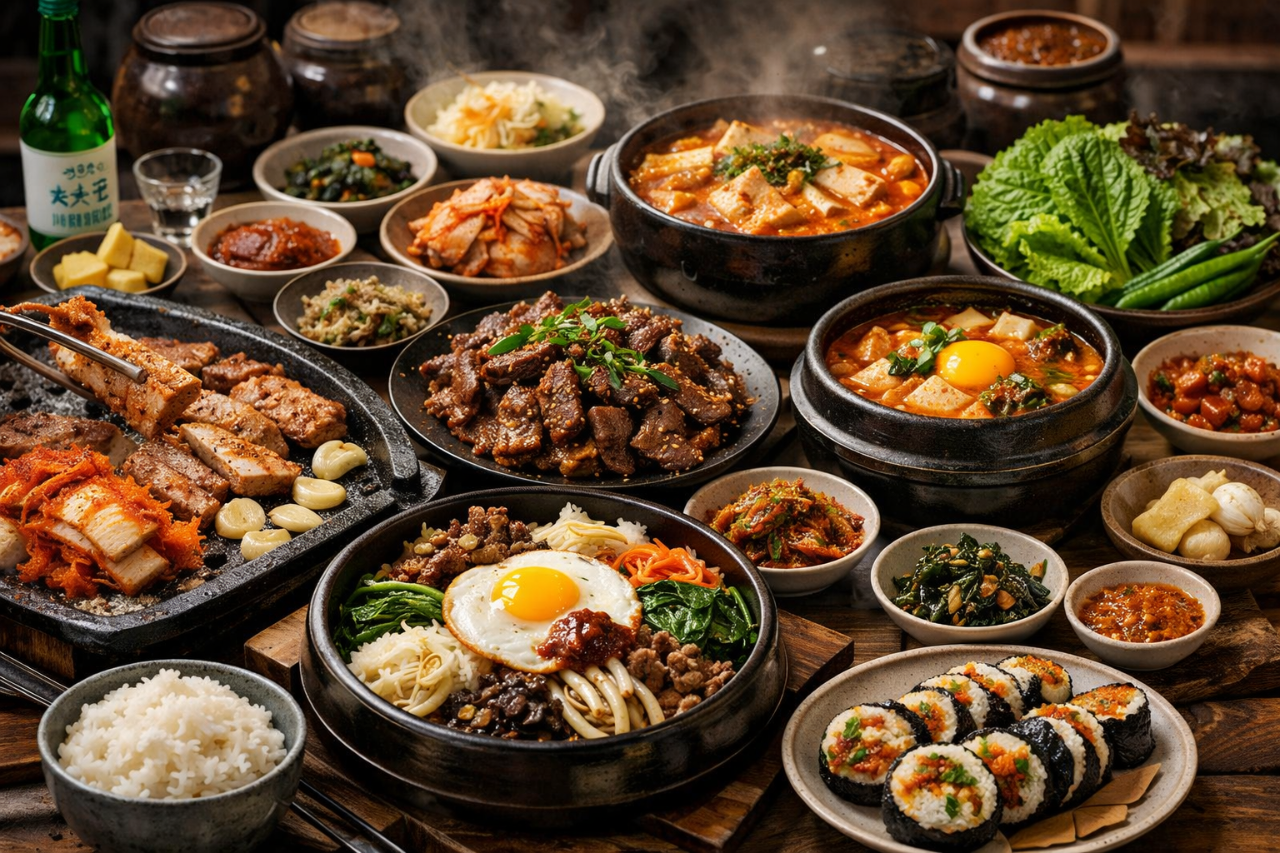
Korean cuisine, often referred to as K-food, has captivated palates worldwide. From its vibrant colors and bold flavors to its emphasis on fresh ingredients and communal dining, Korean food offers an experience that is as rich in culture as it is in taste. This exploration delves into the heart of Korean culinary traditions, highlighting the diversity and deliciousness that define this globally cherished cuisine.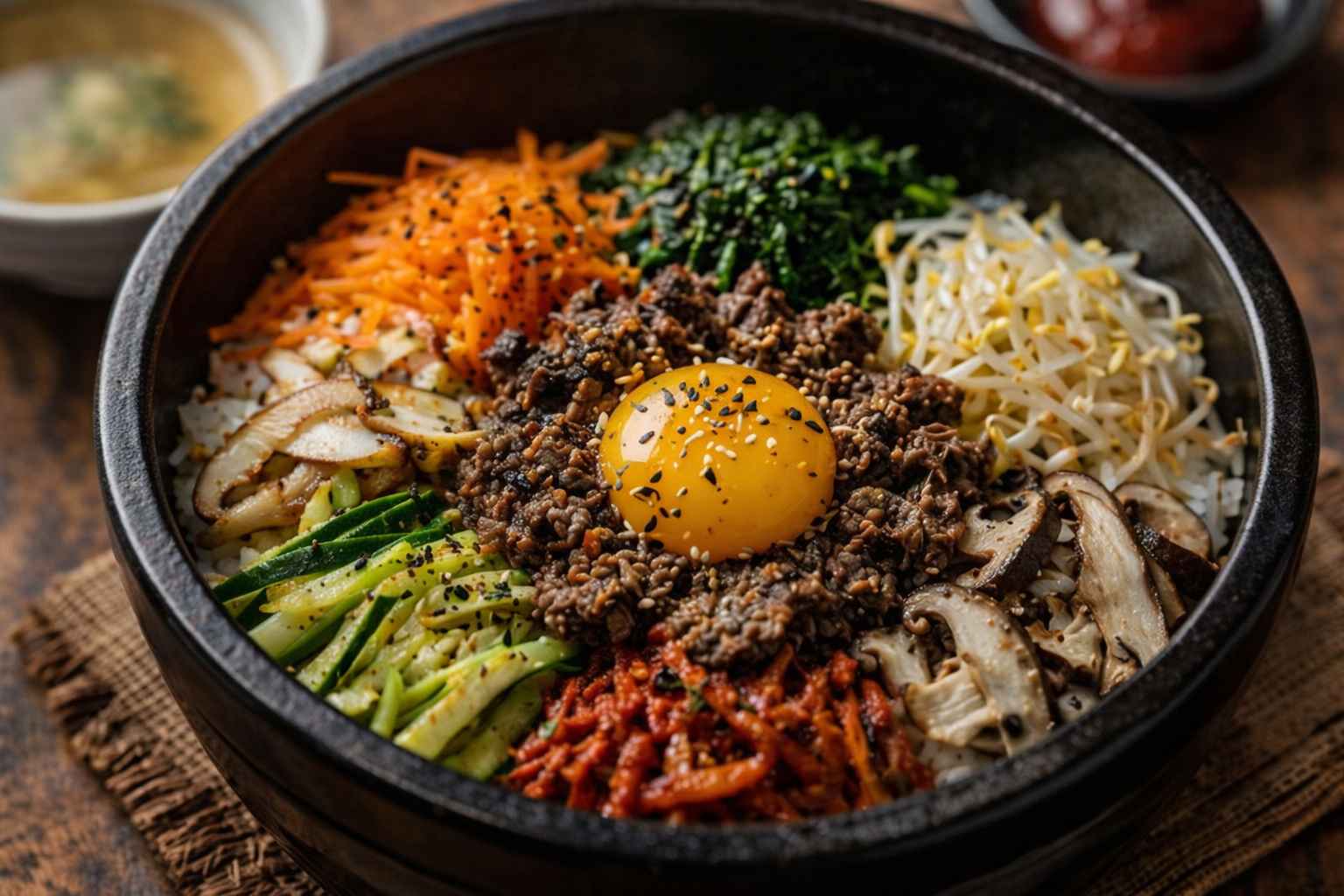
The Pillars of Korean Cuisine
At its core, Korean food is built upon a foundation of staples and characteristic flavors. Rice, in its myriad forms, is the absolute cornerstone of almost every meal. Beyond rice, fermented ingredients play a pivotal role, with kimchi, a spicy fermented cabbage, being the most iconic example. The distinct savory, spicy, and often slightly sweet profile of Korean dishes is frequently attributed to ingredients like gochujang (chili paste), doenjang (fermented soybean paste), and ganjang (soy sauce). These fundamental elements combine to create a unique culinary language.
More Than Just a Side Dish
It is impossible to discuss Korean food without an in depth look at kimchi. Far from being a singular dish, kimchi encompasses hundreds of variations, differing in vegetables, fermentation periods, and spice levels. Napa cabbage kimchi, or baechu kimchi, is the most common, but radish kimchi (kkakdugi), cucumber kimchi (oi kimchi), and water kimchi (mul kimchi) are equally beloved. Kimchi is not merely a condiment; it is a vital component of many dishes, lending its fermented goodness to stews, fried rice, and even pancakes.
The Art of Banchan
Korean meals are renowned for their generous presentation of banchan, small side dishes that accompany the main course. This tradition transforms a simple meal into a communal feast, offering a diverse array of textures and tastes. Banchan can include anything from seasoned vegetables and pickled roots to savory pancakes and small portions of grilled meats or seafood. The variety ensures that every bite offers a new discovery, encouraging conversation and shared enjoyment.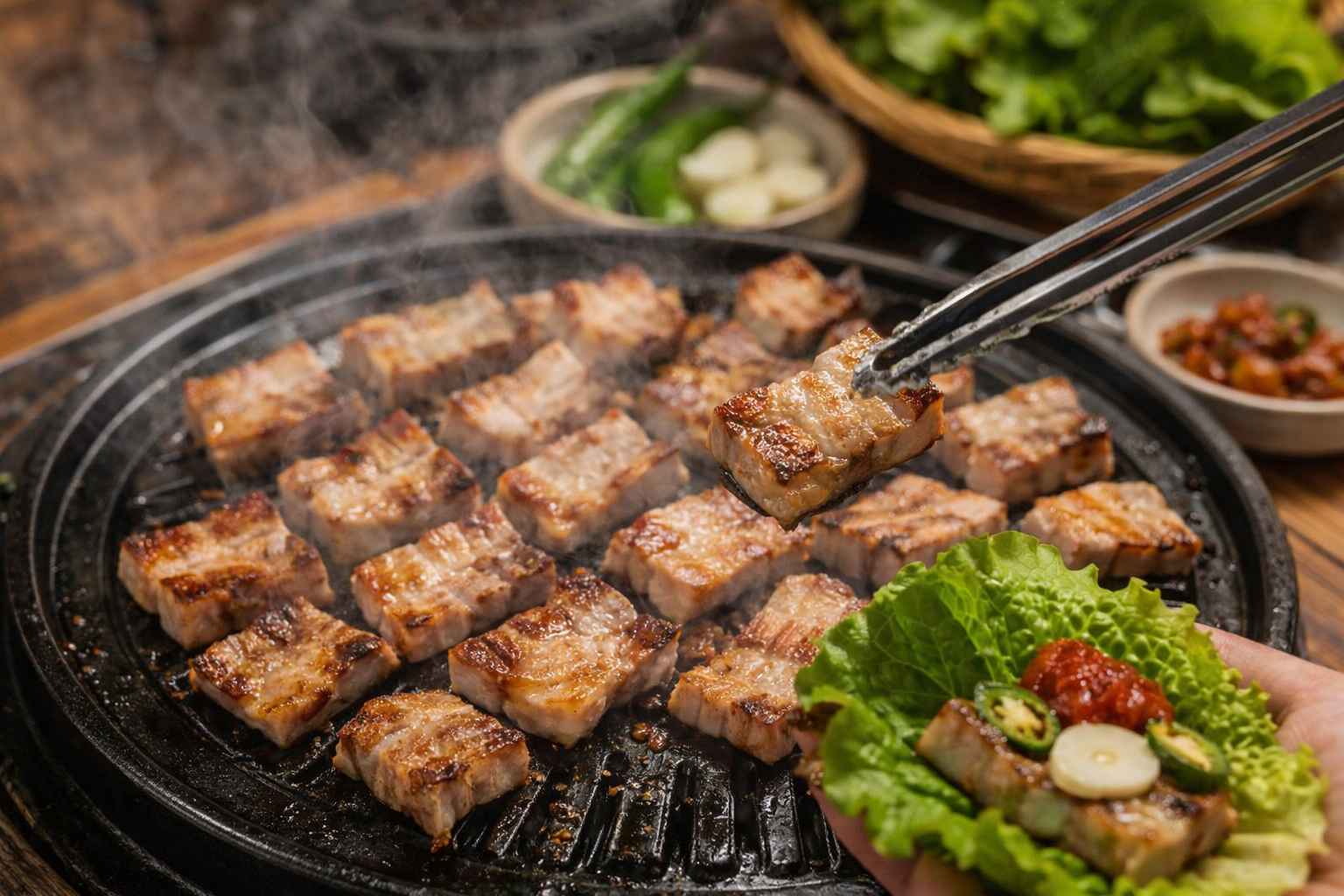
Iconic Korean Dishes You Must Try
While the breadth of Korean cuisine is vast, certain dishes have gained international acclaim for their irresistible flavors and comforting nature.
Bibimbap: A Symphony in a Bowl
Bibimbap, meaning mixed rice, is a visually stunning and nutritionally balanced dish. It typically features a base of white rice, topped with an assortment of seasoned vegetables (namul), gochujang, a fried egg, and often thinly sliced beef. The magic of bibimbap lies in the act of mixing all the ingredients together, allowing the flavors and textures to meld into a harmonious whole.
Bulgogi: Sweet and Savory Delight
Perhaps one of the most widely recognized Korean dishes, bulgogi consists of thinly sliced marinated beef, usually sirloin or ribeye, grilled to perfection. The marinade, a delightful blend of soy sauce, sugar, garlic, sesame oil, and pear juice, imbues the meat with a delightful sweet and savory character. It is often served with lettuce leaves for wrapping, accompanied by rice and banchan.
Samgyeopsal: The Korean BBQ Experience
Samgyeopsal, thick slices of grilled pork belly, is a staple of Korean barbecue. The fun and interactive nature of grilling the meat at your table, then wrapping it in lettuce or perilla leaves with garlic, kimchi, and various sauces, makes for an unforgettable dining experience. It’s a dish that fosters camaraderie and lively conversation.
Jjigae: Heartwarming Stews
Korean stews, or jjigae, are the epitome of comfort food. Each jjigae offers a unique flavor profile and set of ingredients. Kimchi jjigae, made with aged kimchi, tofu, and pork or seafood, is spicy and deeply satisfying. Sundubu jjigae, a soft tofu stew, is known for its silky texture and customizable spice levels. These hearty stews are perfect for a chilly day and are typically served bubbling hot in traditional stone pots.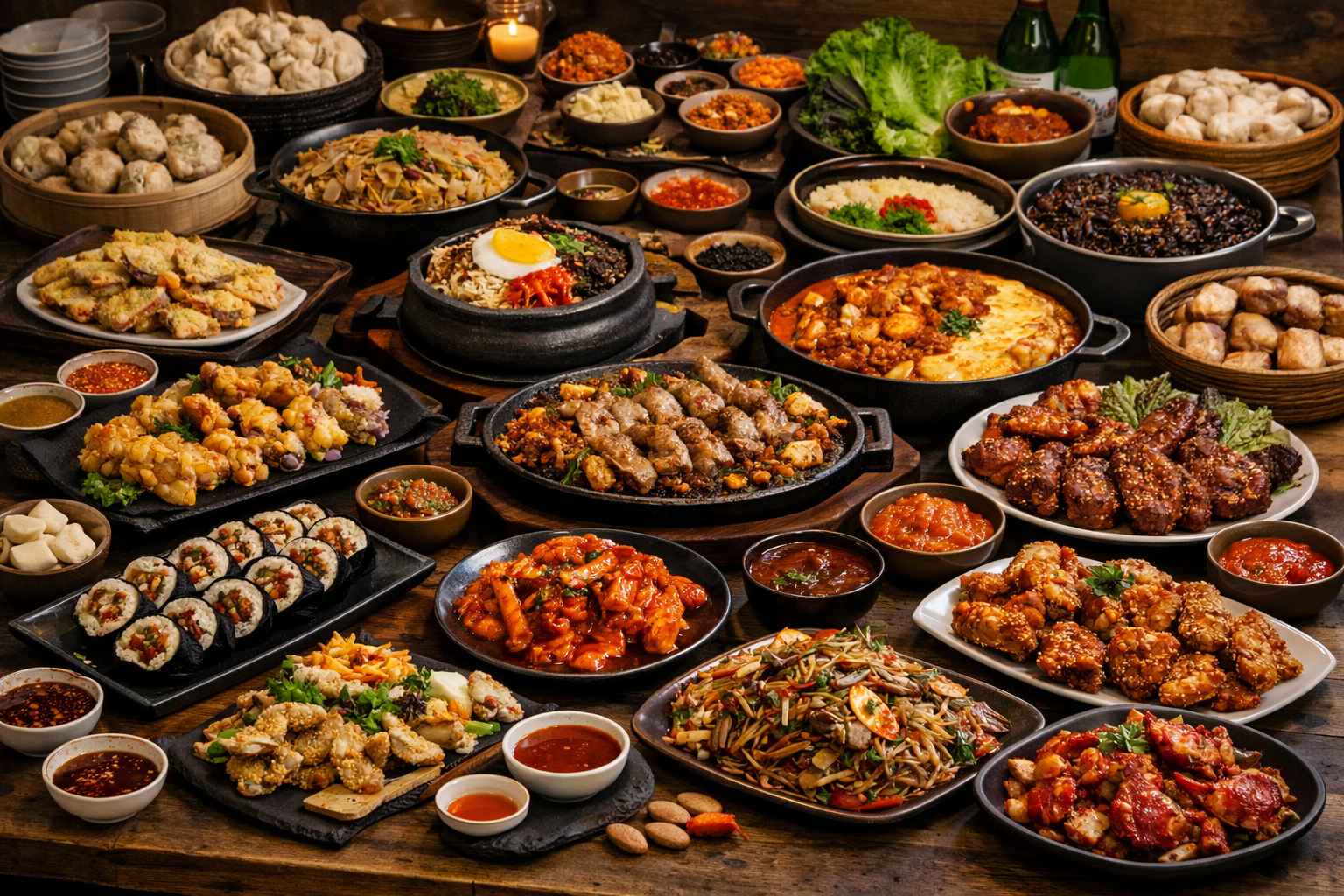
The Healthful Aspect of Korean Food
Korean cuisine is not only delicious but also boasts significant health benefits. The emphasis on fermented foods like kimchi and doenjang contributes to a healthy gut microbiome. The abundance of vegetables in banchan and main dishes provides essential vitamins, minerals, and fiber. Furthermore, Korean cooking methods often prioritize grilling, steaming, and boiling over deep frying, contributing to its reputation as a relatively healthy culinary tradition.
Korean food offers a rich tapestry of flavors, textures, and cultural experiences. From the ubiquitous kimchi to the communal joy of Korean barbecue, each dish tells a story of tradition, innovation, and a deep appreciation for wholesome ingredients. As K-food continues its global ascent, it invites everyone to embark on a culinary journey that is both deeply satisfying and endlessly fascinating. Whether you are a seasoned enthusiast or a curious newcomer, the world of Korean foods promises an adventure for the senses.

Most Popular











Anaya
comment1