



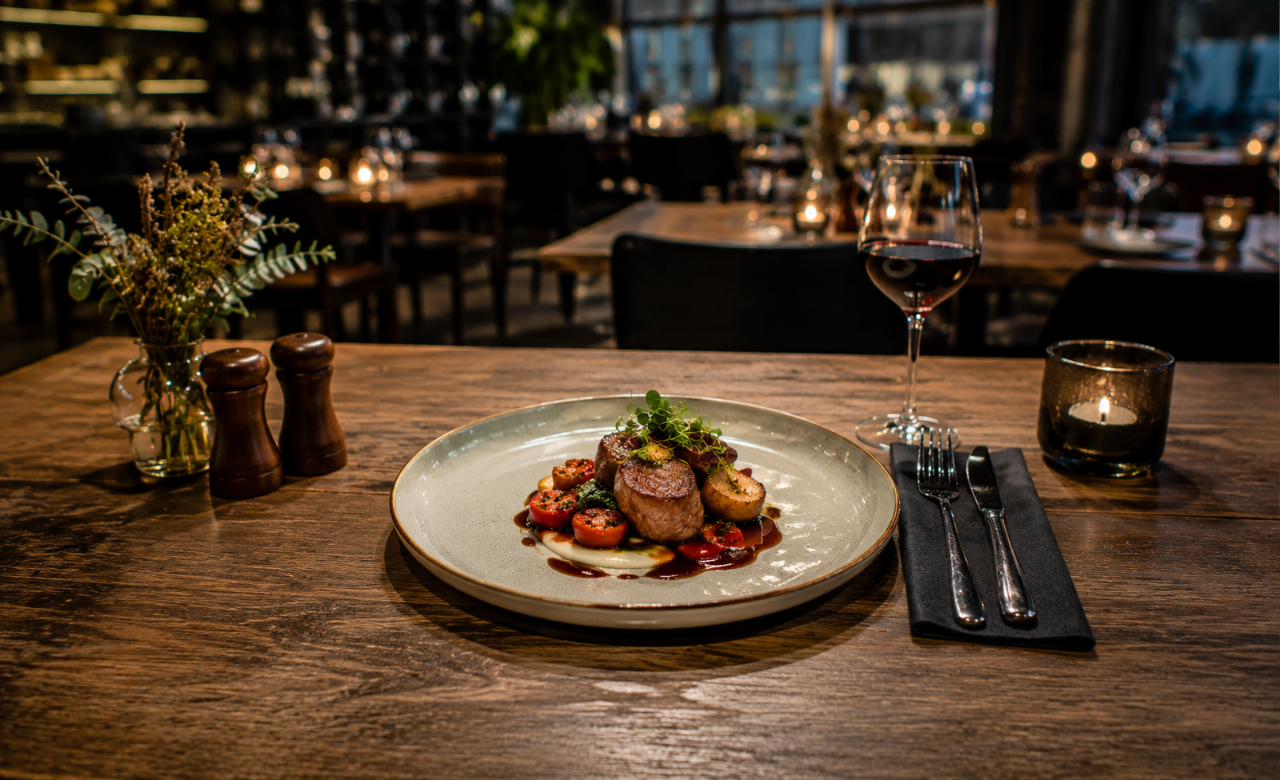
In an era where experiences often outweigh possessions, the way we consume food is undergoing a significant transformation. The concept of 'Crave Culture' is emerging, moving beyond mere sustenance to embrace dining as a multifaceted experience. This shift is driven by a generation that seeks not just delicious meals, but also immersive environments, unique narratives, and shareable moments. This evolution is reshaping the culinary landscape, pushing restaurants to innovate and offer more than just a plate of food.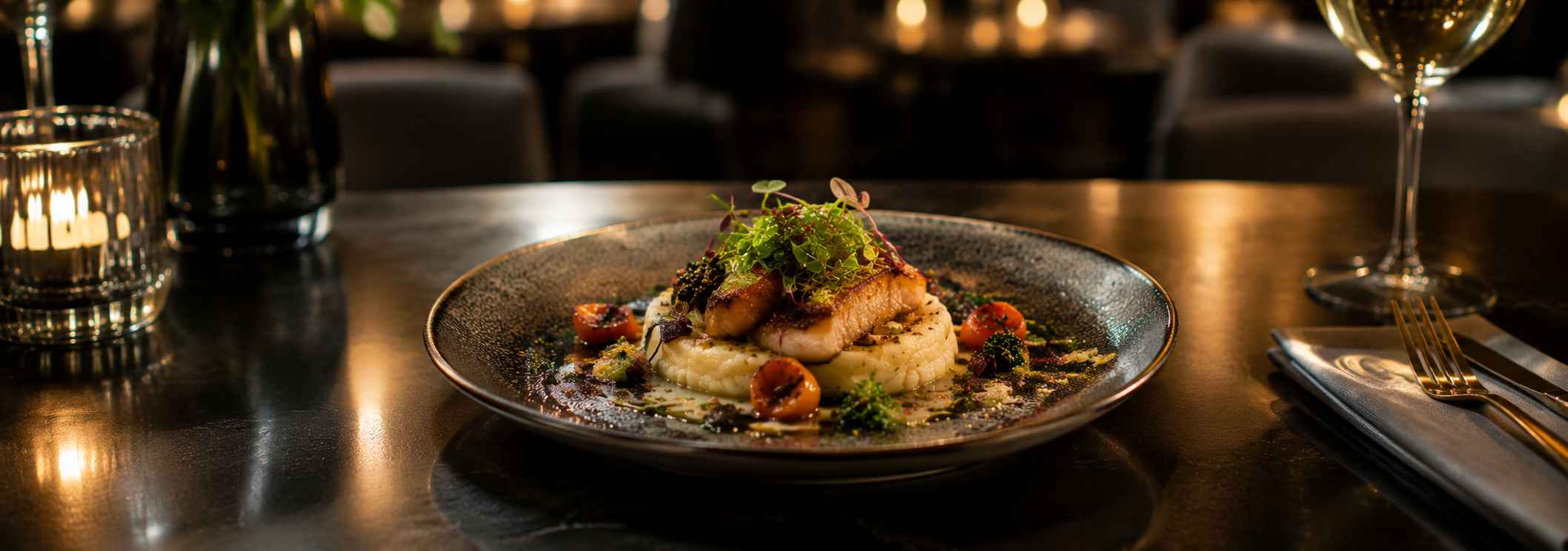
What is Crave Culture?
Crave Culture, in the context of food, refers to the desire for more than just a tasty dish. It encompasses the entire dining journey: the ambiance, the service, the storytelling behind the ingredients and preparation, and the social or personal fulfillment derived from the meal. It’s about the anticipation, the discovery, and the lasting impression that a dining experience leaves. This craving is fueled by social media, where visually appealing and unique food experiences are constantly shared and celebrated, creating a perpetual desire for the next exciting culinary adventure.
The Pillars of Experiential Dining
Several key elements contribute to the success of the Crave Culture in the restaurant industry:
Ambiance and Atmosphere
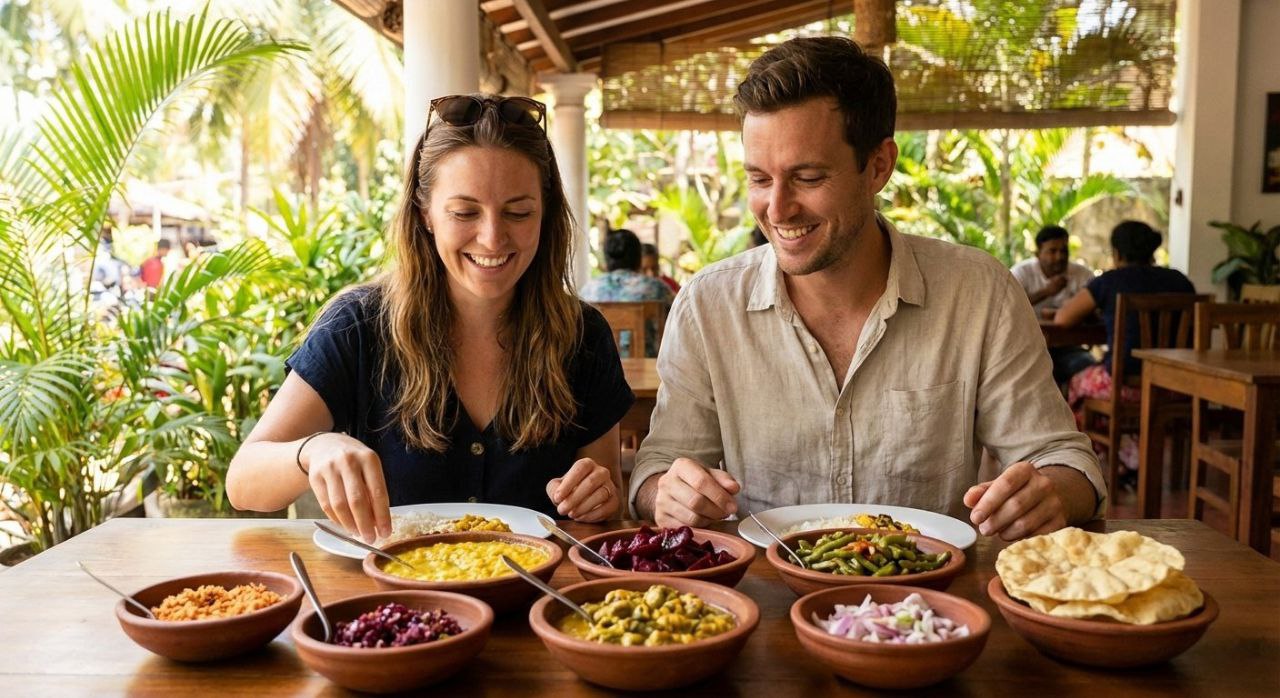
The physical space of a restaurant plays a crucial role. From minimalist chic to rustic charm, themed decor to live entertainment, ambiance sets the stage. Restaurants are investing in creating environments that evoke emotions, tell a story, and provide a backdrop for memorable interactions. This could mean anything from intimate, candlelit settings to vibrant, bustling kitchens visible to diners.
Culinary Innovation and Storytelling
Chefs are becoming storytellers, infusing their dishes with personal history, cultural influences, or a commitment to sustainability. The origin of ingredients, the inspiration behind a recipe, and the unique cooking techniques employed all add layers of depth to the dining experience. Diners are increasingly interested in knowing where their food comes from and the passion that goes into its creation.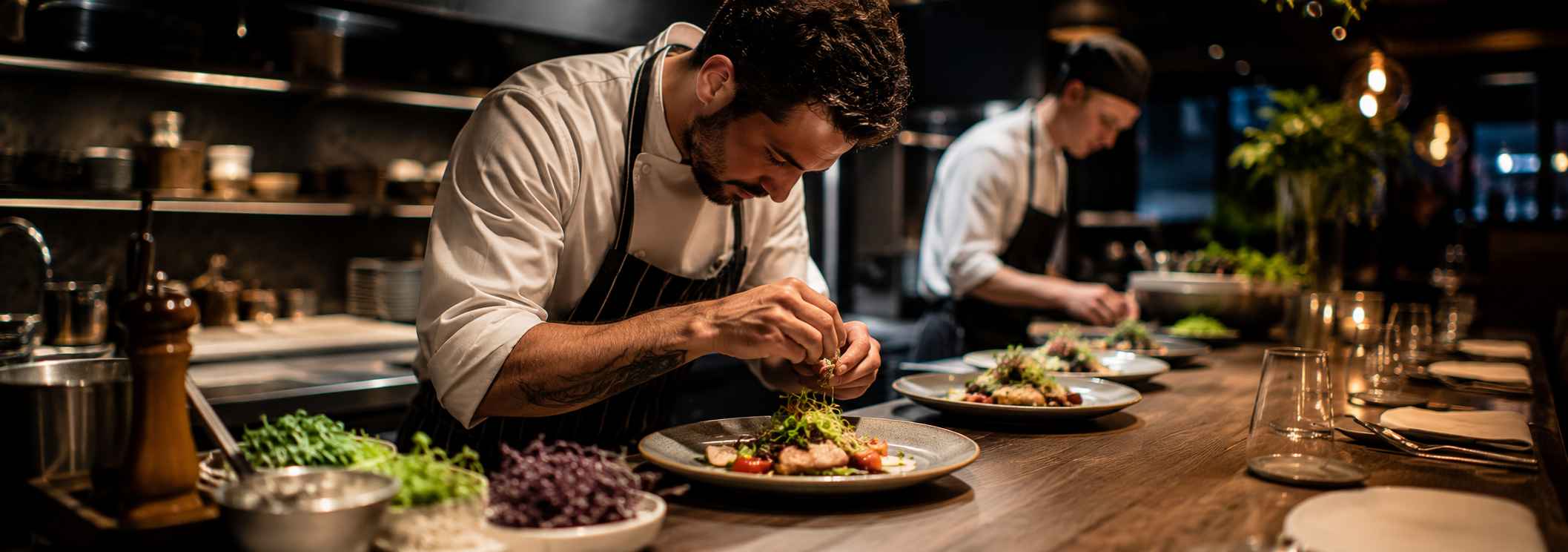
Interactive Elements
Some restaurants are blurring the lines between diner and participant. This can include interactive menus, tableside preparation, cooking classes offered by the establishment, or even dining in unusual locations. These interactive elements engage the senses and create a more personal connection to the food and the dining process.
The Social and Shareable Aspect
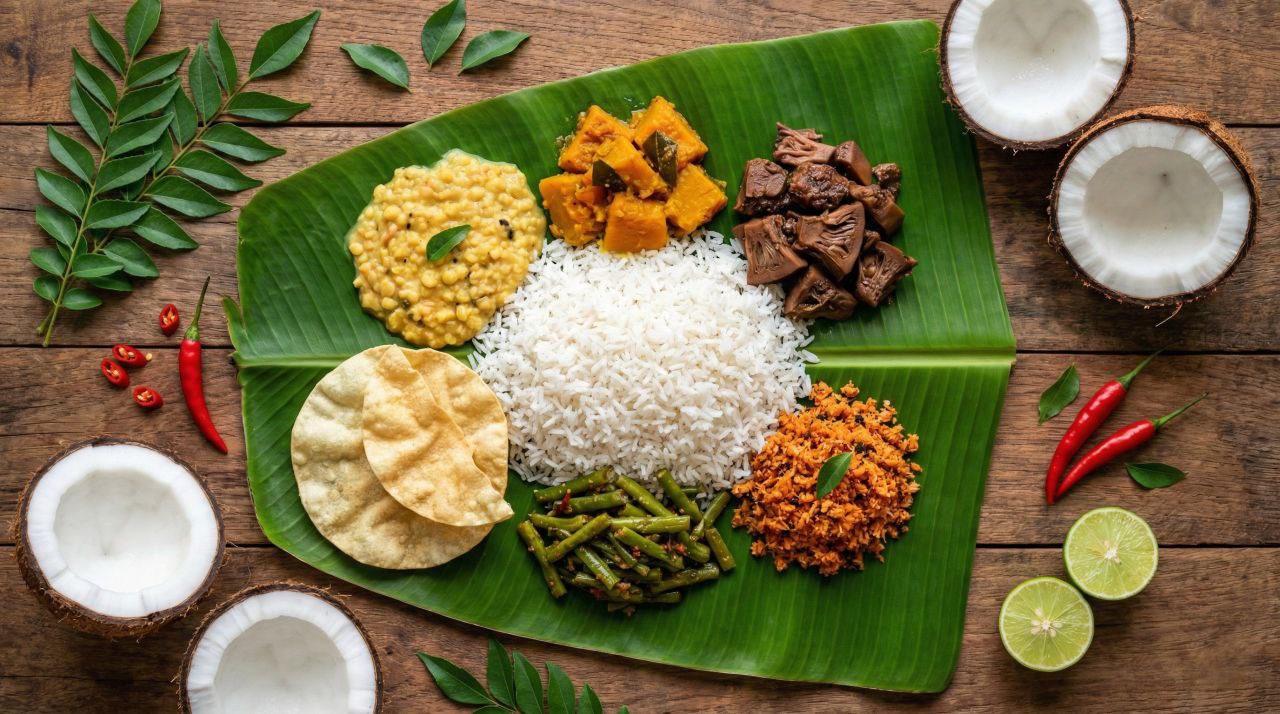
In the age of Instagram and TikTok, food is often as much about what it looks like as what it tastes like. Visually stunning dishes, unique plating, and photogenic settings are designed to be shared online. This social validation enhances the enjoyment and extends the reach of a restaurant's brand, turning diners into enthusiastic promoters.
Focus on Local and Sustainable Sourcing
Consumers are becoming more conscious of their environmental and social impact. Restaurants that prioritize local, seasonal, and sustainably sourced ingredients are tapping into a growing demand. This commitment not only appeals to ethical consumers but also often results in fresher, higher-quality ingredients, further enhancing the culinary experience.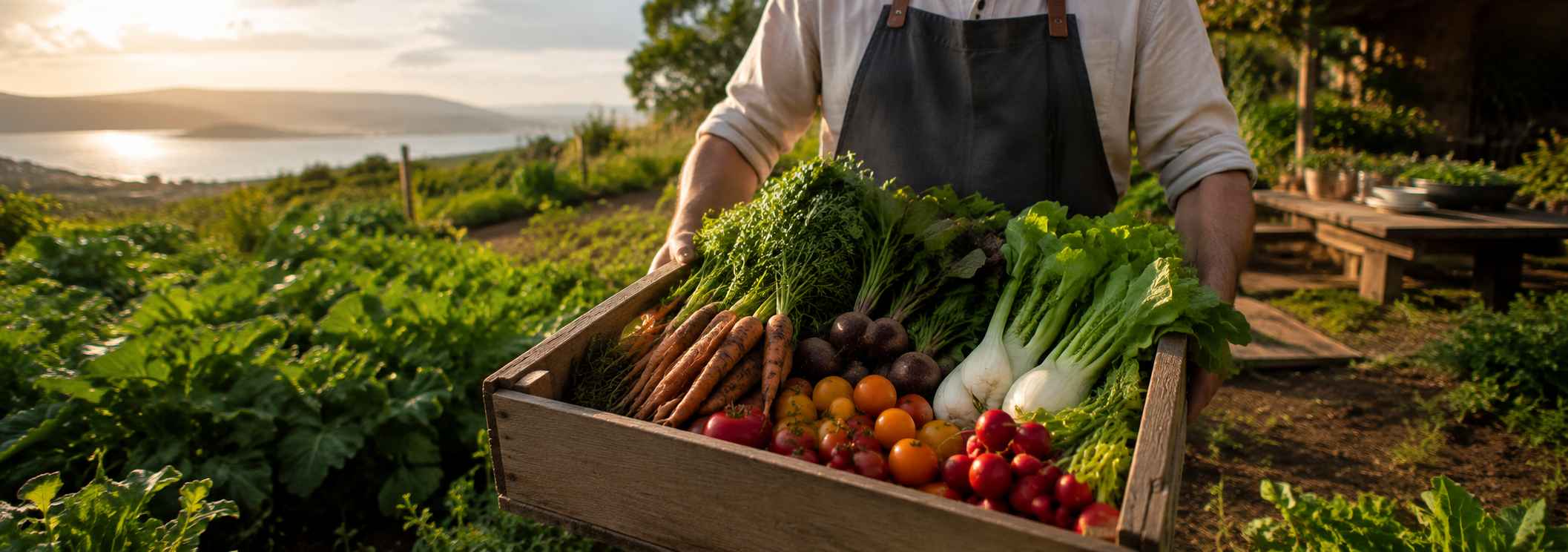
The Future of Crave Culture
The Crave Culture is not a fleeting trend; it represents a fundamental shift in consumer expectations. Restaurants that thrive in this new landscape will be those that can consistently deliver unique, engaging, and memorable experiences. This means looking beyond the plate and considering every touchpoint of the diner's journey. From the moment a reservation is made to the final farewell, every detail contributes to the overall craveability of a dining establishment. As technology continues to evolve, we may see even more innovative ways for restaurants to engage diners, from augmented reality menus to personalized culinary journeys guided by AI. The future of dining is undoubtedly an experience, and Crave Culture is leading the way.

Most Popular







Anaya
comment1