



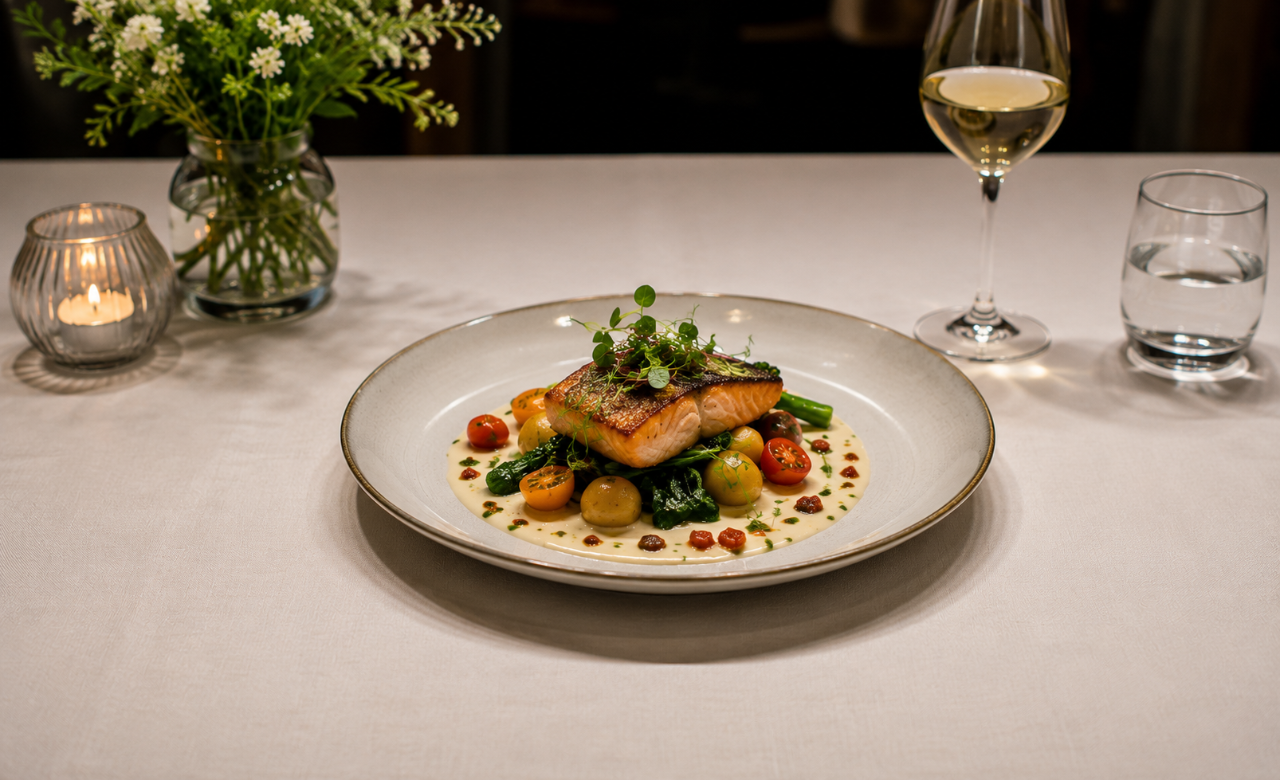
In a world increasingly focused on speed and convenience, the appreciation for culinary elegance remains a timeless pursuit. It transcends mere sustenance, transforming meals into immersive experiences that engage the senses and nourish the soul. Culinary elegance is not simply about expensive ingredients or intricate presentations; it is a philosophy that values craftsmanship, creativity, and a profound respect for the food itself. This exploration delves into the multifaceted nature of culinary elegance, examining its origins, its key components, and its enduring impact on the dining landscape.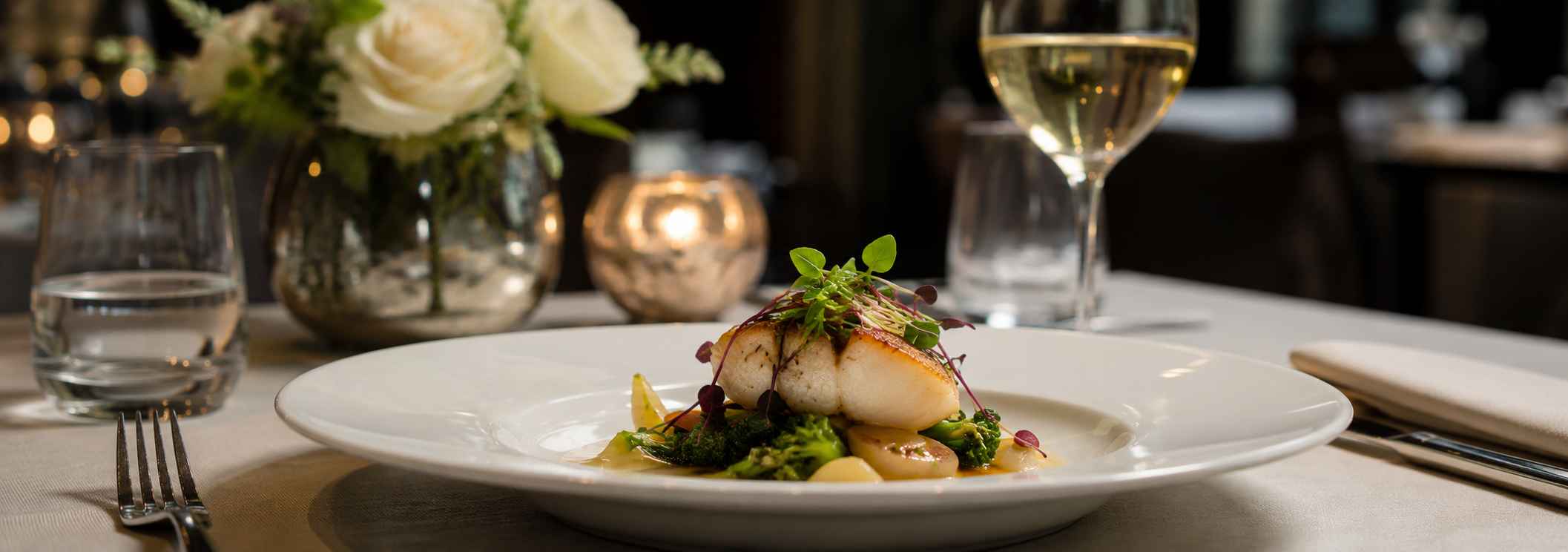
The Essence of Culinary Elegance
At its core, culinary elegance is about a meticulous attention to detail and a commitment to excellence at every stage of the food journey. This begins with the sourcing of ingredients, prioritizing freshness, quality, and often, sustainability. Renowned chefs and discerning home cooks alike understand that the finest dishes are built upon the foundation of superior produce, ethically raised meats, and pristine seafood.
Beyond ingredients, the artistry of preparation plays a pivotal role. Culinary elegance is often characterized by sophisticated techniques, whether it's the precise julienne of vegetables, the delicate emulsification of a sauce, or the slow, patient braising of a cut of meat. These techniques, honed through years of practice and study, are not for show but serve to enhance the natural flavors and textures of the ingredients. The aim is to elevate, not mask, the inherent qualities of the food.
Presentation as a Sensory Symphony
The visual aspect of a dish is an undeniable component of culinary elegance. Plating is an art form in itself, where chefs act as painters, using the plate as their canvas. Thoughtful arrangement, harmonious color palettes, and intentional negative space contribute to a visually appealing composition that whets the appetite before the first bite. This is not about over embellishment, but about creating a balanced and aesthetically pleasing presentation that complements the flavors and aromas.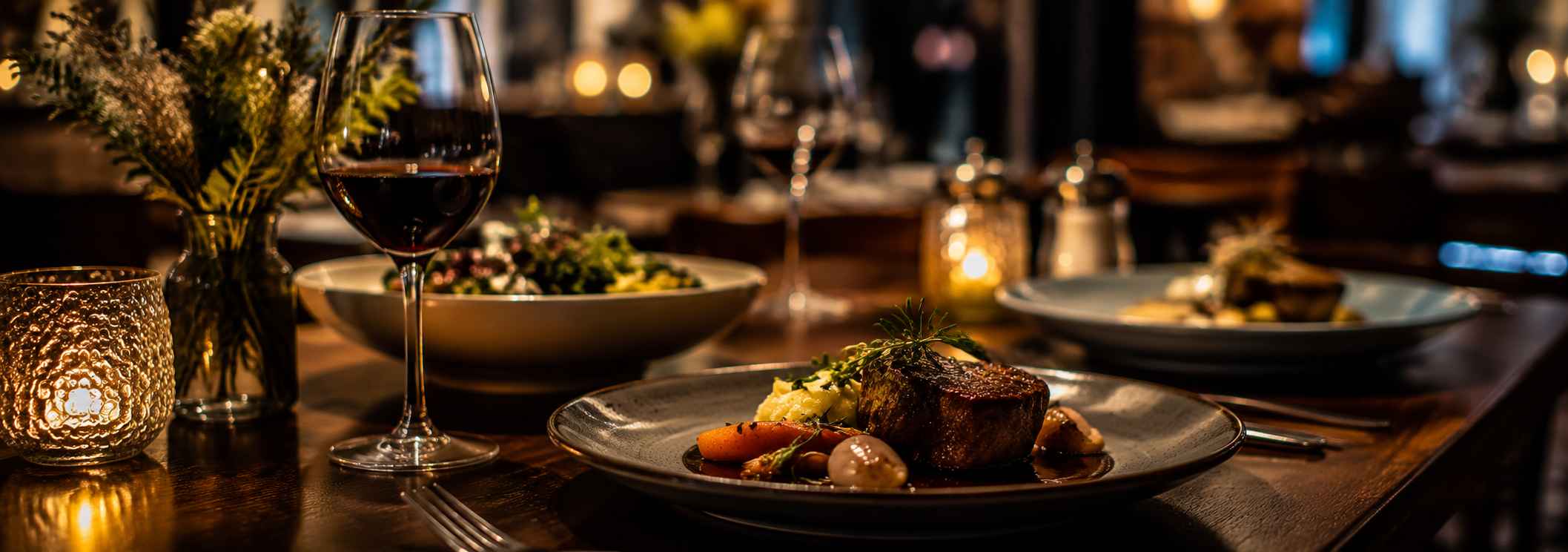
Furthermore, culinary elegance extends to the dining environment and the service. A well curated restaurant offers a setting that enhances the dining experience, from the ambiance and lighting to the tableware and the attentiveness of the staff. The service is an extension of the culinary art, with knowledgeable servers guiding guests through the menu, offering thoughtful recommendations, and ensuring a seamless and enjoyable meal. This holistic approach, encompassing food, presentation, and service, defines true culinary elegance.
The Evolution of Fine Dining
Fine dining has evolved significantly over the years. While classic French haute cuisine once dominated the scene, today's culinary landscape is far more diverse and inclusive. Modern chefs are drawing inspiration from global traditions, incorporating innovative techniques and embracing fusion approaches. This has led to a broader definition of elegance, one that celebrates authenticity and personal expression alongside technical mastery.
The rise of farm to table movements, the embrace of molecular gastronomy in moderation, and the growing emphasis on storytelling behind dishes are all testaments to this evolution. Diners are no longer content with simply being served; they seek engagement, education, and a connection to the food and its origins. This demand for authenticity and experience has pushed the boundaries of what constitutes elegant dining.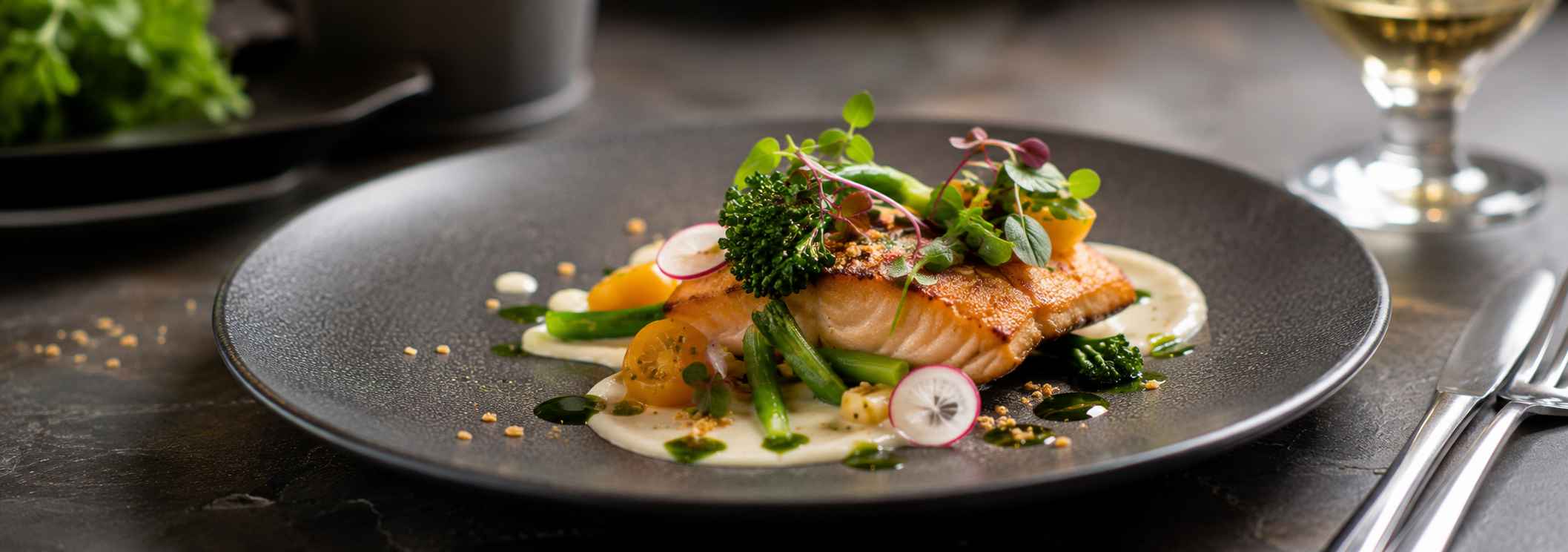
Culinary elegance is more than just a trend; it is a fundamental aspect of appreciating the finer things in life. It represents a dedication to quality, a celebration of skill, and an understanding that food has the power to create memorable moments. Whether experienced in a Michelin starred restaurant or a thoughtfully prepared meal at home, the pursuit of culinary elegance enriches our lives, one delicious and artfully crafted bite at a time. It reminds us to slow down, savor the present, and engage with the profound pleasure that exceptional food and dining can offer.
Most Popular






Anaya
comment1