



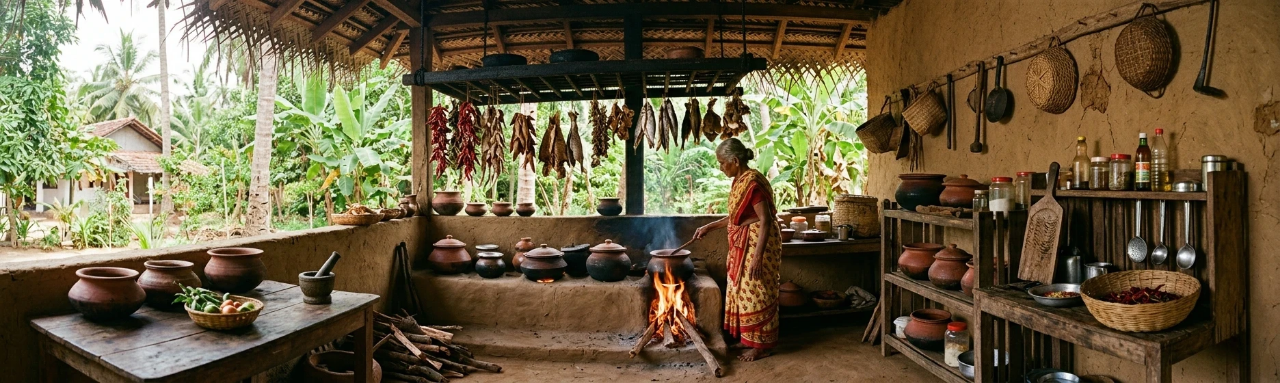
In today's world, the refrigerator is an indispensable kitchen appliance, a silent guardian of our perishables. Yet, before its invention, communities across the globe, including the resourceful villagers of Sri Lanka, relied on a rich tapestry of ancient techniques to preserve food, ensuring sustenance and reducing waste. These methods, born from deep understanding of natural processes and local resources, offer a fascinating glimpse into a bygone era and hold valuable lessons even for our modern, technologically advanced society.
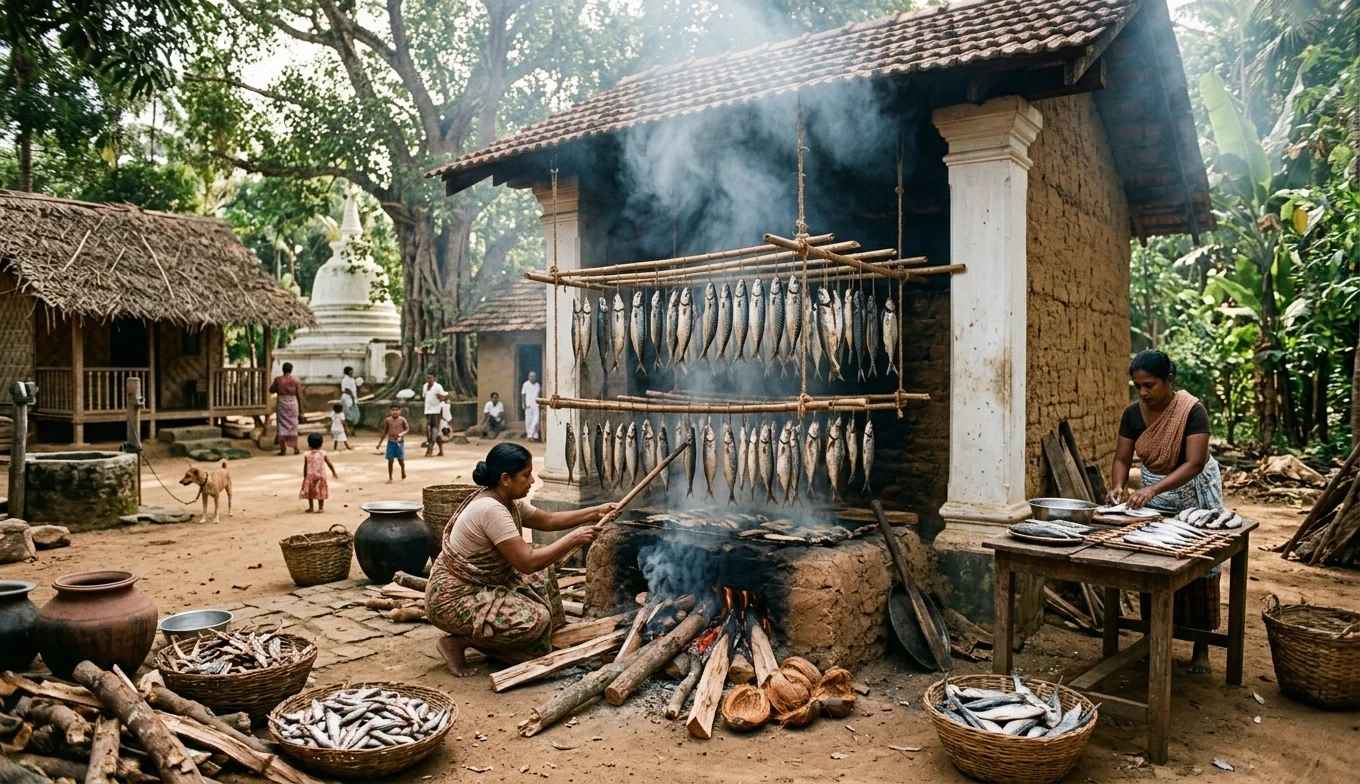
Sun Drying: Harnessing the Tropical Sun
Sri Lanka's abundant sunshine was a primary tool for food preservation. Fruits like bananas and papayas were sliced and dried to create sweet, chewy snacks, concentrating their sugars and inhibiting microbial growth. Vegetables such as chilies, turmeric, and medicinal herbs were also sun dried, preserving their flavors, nutrients, and therapeutic properties for extended periods. Fish, a staple in many coastal communities, was often salted and then sun dried, creating a highly durable and protein rich food source.
Salting and Pickling: The Power of Preservation
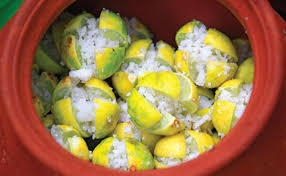
The application of salt was a cornerstone of Sri Lankan food preservation. Salting not only drew out moisture but also created an environment hostile to spoilage microorganisms. Fish and meat were commonly salted and then often combined with other preserving agents. Pickling, using vinegar or brine, was another effective method, particularly for vegetables and fruits. This process, often involving spices and herbs, not only preserved the food but also imparted unique and delicious flavors.
Fermentation: Nature's Alchemy
Fermentation played a vital role, transforming ingredients through the action of beneficial microorganisms. Certain types of rice and grains were fermented to produce alcoholic beverages or to create fermented pastes with extended shelf lives. The fermentation of certain vegetables also contributed to their preservation and enhanced their digestibility and nutritional profile. This ancient technique leveraged natural biological processes to extend the usability of food.
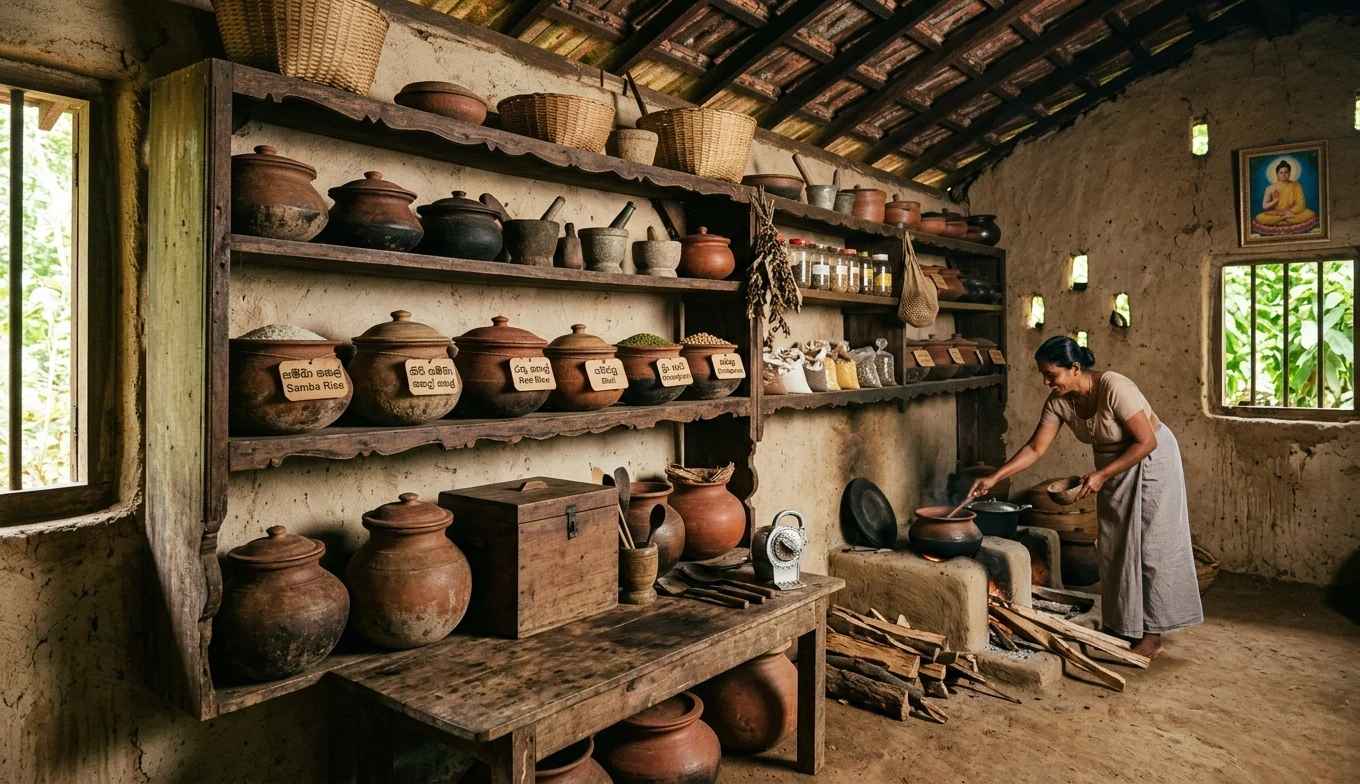
Storage in Earthenware and Natural Containers
The choice of storage vessel was crucial. Earthenware pots, often unglazed, were widely used. Their porous nature allowed for a degree of breathability, helping to regulate temperature and humidity, thus slowing down spoilage. Grains were typically stored in large, sealed clay or plastered granaries. For certain items, dried and woven baskets or gourds served as effective containers. These natural materials provided a protective barrier against pests and the elements.
Using Natural Preservatives: Spices and Herbs
Sri Lanka's rich biodiversity provided an array of natural preservatives. Spices like turmeric, known for its antimicrobial properties, were not only used in cooking but also incorporated into preservation methods. Tamarind, with its acidity, was used in pickling and preserving. Various herbs and medicinal plants were also employed, believed to possess properties that deterred spoilage and enhanced the longevity of food.
Community and Knowledge Sharing
These preservation techniques were not isolated practices but were deeply embedded in the rural Sri Lankan lifestyle. Knowledge was passed down through generations, with families and communities sharing best practices. The communal aspect of food preservation, especially during harvest seasons, fostered a sense of shared responsibility and ensured that valuable food resources were not wasted. This collective wisdom was as crucial as the individual techniques themselves.
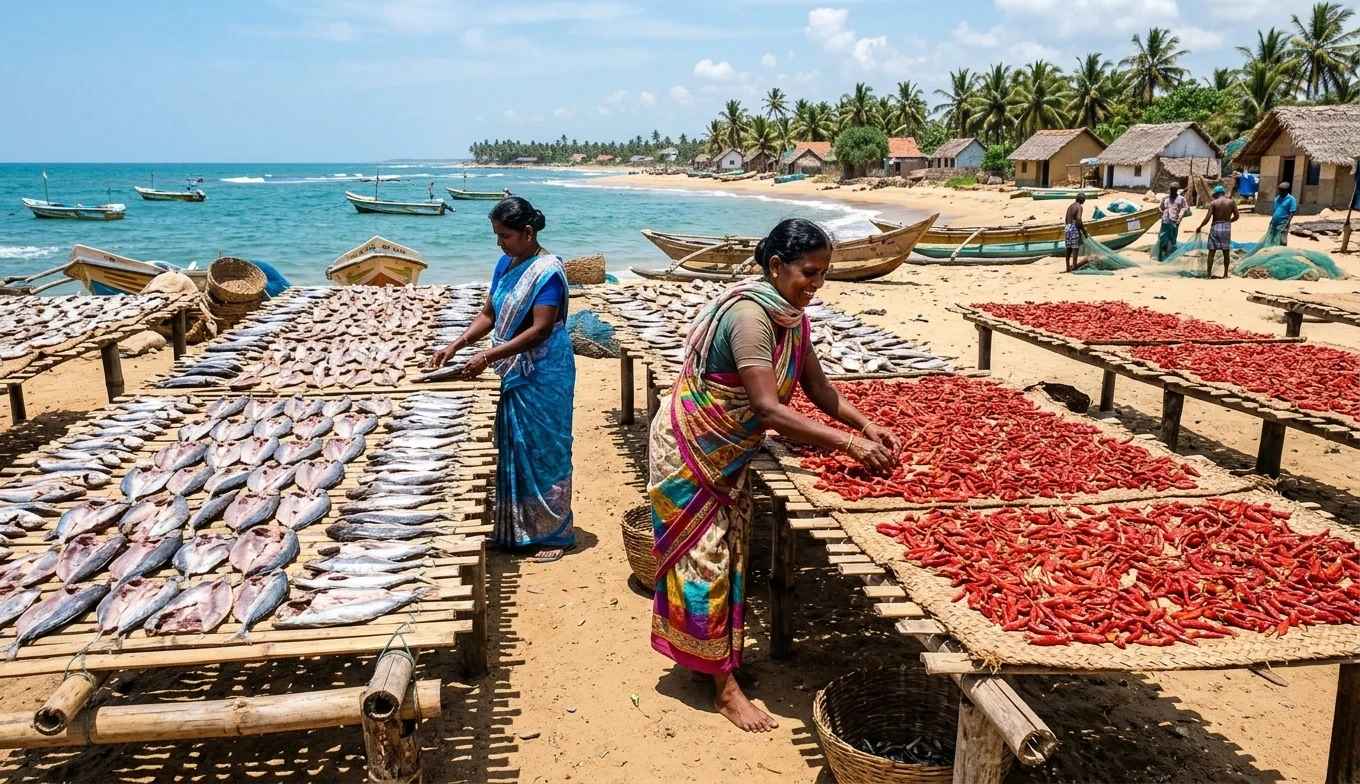
The ancient food preservation methods of Sri Lankan villagers stand as a testament to human ingenuity and our profound connection with the natural world. These practices, which sustained communities for centuries before the advent of modern refrigeration, offer valuable insights into sustainable living and food security. As we continue to seek more environmentally friendly and resourceful ways to manage our food, looking back at these traditional techniques provides not just historical interest, but also practical wisdom for a more resilient future.
Most Popular








Anaya
comment1